Extended interview: Ted Cruz on NIL legislation, Paxton-Talarico, Trump’s approval rating and more

In a wide-ranging discussion held this week, Senator Ted Cruz (R-Texas) sat down with CBS News correspondent Tony Dokoupil to address a series of pressing legislative and political issues currently dominating the national discourse. The conversation pivoted between the legislative complexities of collegiate athletics reform, the high-stakes political environment surrounding the impending midterm elections, and the shifting public perception of the executive branch as reflected in current polling data.
The Legislative Push for the Protect College Sports Act
A primary focus of the discussion was the Protect College Sports Act, a legislative effort championed by Senator Cruz that seeks to fundamentally reshape the landscape of Name, Image, and Likeness (NIL) compensation in collegiate athletics. Since the Supreme Court’s 2021 ruling in Alston v. NCAA, the collegiate sports world has experienced a rapid decentralization of rules regarding how student-athletes are compensated. Currently, the landscape is governed by a patchwork of state-level laws, leading to significant competitive disparities between programs in different jurisdictions.

Senator Cruz argued that the current environment is unsustainable for the long-term viability of university athletics. "We are seeing a landscape where the lack of a uniform federal standard is creating a chaotic recruitment environment," Cruz stated during the interview. The proposed legislation aims to provide a federal framework that would preempt state-specific NIL laws, theoretically leveling the playing field for universities across the country.
The proposed bill centers on three key pillars: creating a standardized contract disclosure process, limiting the influence of third-party collectives, and establishing a federal safe harbor for universities to coordinate with governing bodies without fearing immediate antitrust litigation. Critics of the bill, however, have raised concerns that federal intervention might inadvertently undermine the rights of student-athletes to maximize their market value. During the interview, Senator Cruz emphasized that the intent of the legislation is not to restrict athlete compensation, but to provide "predictable, enforceable rules" that prevent the further erosion of the amateur model that has historically defined college sports.
Political Climate and the Midterm Elections
As the midterm elections approach, the political environment has grown increasingly volatile. Senator Cruz characterized the current cycle as a "referendum on the trajectory of the nation," focusing heavily on issues of economic inflation, border security, and energy independence. The Senator’s assessment of the electoral landscape suggests that the Republican Party is positioning itself to capitalize on voter dissatisfaction with current economic indicators, including persistent price hikes in consumer goods and energy costs.
The midterm cycle is often seen as a historical correction against the incumbent party, and Senator Cruz noted that the intensity of the current campaign season reflects a polarized electorate. "The voters are looking for a shift in leadership that prioritizes fiscal restraint and a return to energy dominance," he stated. He pointed to his own state of Texas, and others, as bellwethers for the broader national mood, suggesting that the party’s platform on school choice and economic deregulation remains a potent motivator for the conservative base.

The interview also touched upon the organizational challenges within the party. With various candidates across the country navigating the nuances of the primary process and the influence of national figures, Cruz underscored the importance of maintaining party unity to secure key seats in both the House and the Senate. He emphasized that the focus for the remainder of the cycle must be on articulating a clear legislative agenda that contrasts sharply with the policies of the current administration.
Evaluating Executive Performance and Approval Ratings
The conversation shifted to the broader political landscape, specifically addressing the current approval ratings for President Donald Trump. In the current political climate, polling data has become a focal point of intense scrutiny, with various surveys showing a split in public sentiment regarding the President’s performance.
Senator Cruz addressed the volatility of these ratings, suggesting that they are reflective of a deeply divided media and political culture. "Polling is often a snapshot in time that captures the frustration of the moment," Cruz noted, arguing that traditional metrics of approval are often influenced by temporary economic fluctuations rather than long-term policy successes. He pointed to the administration’s judicial appointments, tax reform efforts, and deregulation as pillars that supporters continue to prioritize, even as broader approval numbers face pressure from inflation and geopolitical tensions.

When asked about the potential for these ratings to impact the outcome of the midterms, the Senator suggested that "enthusiasm gaps" are often more predictive than general approval numbers. He posited that while the broader population may be split, the intensity of support among the base is what will ultimately drive turnout in key battleground states.
Contextualizing the Broader Political and Social Landscape
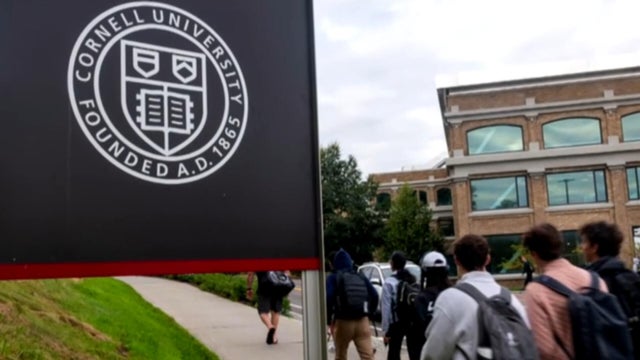
The interview occurred against a backdrop of significant national and international news, providing a stark contrast to the legislative focus of the Senator’s remarks. The current news cycle is heavily dominated by reports of high-stakes investigations, such as the ongoing probe into the alleged gang rape case at Cornell University. This investigation has drawn national attention, sparking renewed debates about the efficacy of Title IX enforcement and the transparency of campus judicial systems.
Furthermore, the recent instability in the global energy market—highlighted by reports that G7 nations are moving to release millions of barrels of oil and diesel to combat rising prices—serves as a reminder of the global interconnectedness that often complicates domestic economic policy. These events underscore the difficulty policymakers face in addressing immediate, localized crises while simultaneously managing global economic pressures.

The inclusion of these disparate stories—from the internal struggles of sports programs to the complexities of international trade and criminal justice—illustrates the diverse set of challenges currently occupying the attention of the American public. Senator Cruz’s interview serves as a reflection of how national legislators must navigate these overlapping crises while maintaining a focus on their long-term policy goals.
Analysis of Legislative Implications
The push for federal legislation in the realm of NIL represents a shift in the traditional relationship between Congress and the National Collegiate Athletic Association (NCAA). For decades, the NCAA operated as a self-regulating body with minimal federal oversight. However, the accumulation of judicial rulings and state-level legislative actions has created a legal vacuum that, as Senator Cruz suggests, now requires a federal remedy.
If the Protect College Sports Act were to pass, it would likely set a precedent for future federal involvement in areas previously reserved for private association governance. The implications of this are significant:

- Legal Preemption: It would effectively nullify state-level NIL laws that are currently more favorable to athletes, potentially leading to constitutional challenges based on the Tenth Amendment.
- Economic Standardization: It would create a level playing field for recruiting, preventing wealthy donors from using state-specific NIL laws as an advantage to lure top talent.
- Collective Bargaining: The act could serve as a precursor to a formal employment model for student-athletes, as it forces the conversation about whether players should be treated as employees of the university.
Conclusion
The dialogue between Senator Ted Cruz and Tony Dokoupil highlights the intersection of legislative ambition and electoral strategy. By focusing on the Protect College Sports Act, Senator Cruz is attempting to address a systemic issue that has caused significant disruption to a cultural institution, while simultaneously positioning himself and his party as the architects of necessary order in an otherwise chaotic environment.

As the midterm elections draw closer, the ability of lawmakers to balance these niche legislative issues with the broader, more pressing concerns of the electorate—such as inflation, energy costs, and public safety—will likely determine the balance of power in Washington. The Senator’s perspective, as expressed in the interview, remains rooted in the belief that federal intervention is the key to stability, a position that will undoubtedly continue to be tested by both his political opponents and the rapidly changing landscape of American society. The upcoming weeks will serve as a critical period for these discussions, as the electorate prepares to weigh in on the effectiveness of the current legislative agenda.