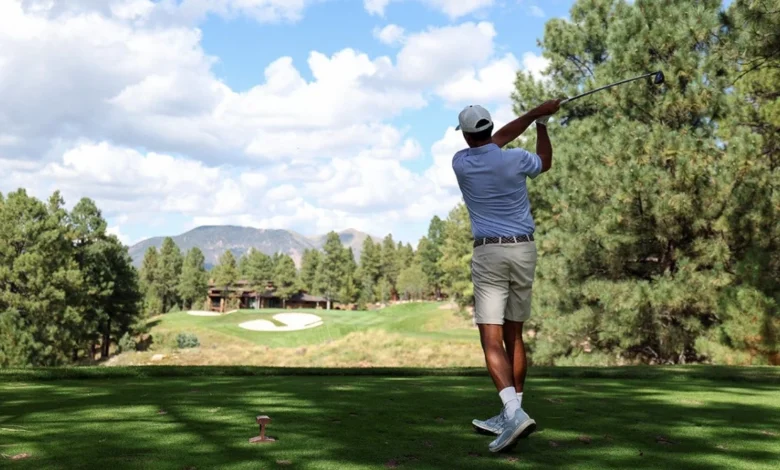
The political landscape of Arizona has been electrified in the final stretch of the midterm election cycle, centering not on traditional campaign mainstays like taxation or immigration, but rather on the unexpected battleground of golf courses, water conservation, and state economic policy. A series of viral remarks made by Democratic Attorney General Kris Mayes regarding the state’s sprawling network of golf greens and thirsty vegetation have ignited a fierce political firestorm, drawing sharp rebukes from Republican lawmakers, business leaders, and recreational enthusiasts alike.
The controversy erupted following an interview between Attorney General Mayes and media outlet Politico, during which she addressed the complex and increasingly urgent debate surrounding water consumption in the arid Southwest. Discussing the strain placed on local water supplies by data centers, agricultural demands, and residential expansion, Mayes pointed directly to the ubiquity of grass in the Grand Canyon State. Her comments quickly circulated across social media platforms, transforming a nuanced policy discussion over Colorado River water allocations into a potent political flashpoint just days before the election.
The unfolding political drama highlights the delicate balance Arizona must strike between environmental stewardship and economic vitality. As the state confronts long-term ecological challenges, the rhetoric surrounding water management has exposed deep ideological divisions over the role of government in regulating key commercial sectors.
Chronology of the Controversy and Initial Reactions
The friction began when Mayes offered a candid assessment of Arizona’s water usage during her discussion on infrastructure and resource management. Elaborating on the need for aggressive conservation measures, she remarked that the state possessed an excessive amount of grass and suggested that Arizona currently has too many golf courses, acknowledging that her assessment would likely find little favor within the golf industry.
Within hours, the comments were extracted, amplified, and weaponized by Republican opponents. Arizona Senate President Warren Petersen, a Republican representing Maricopa County, lost little time seizing on the remarks. In statements to the press, Petersen framed Mayes’ comments as emblematic of an overreaching government hostile to free enterprise and foundational Arizona industries.
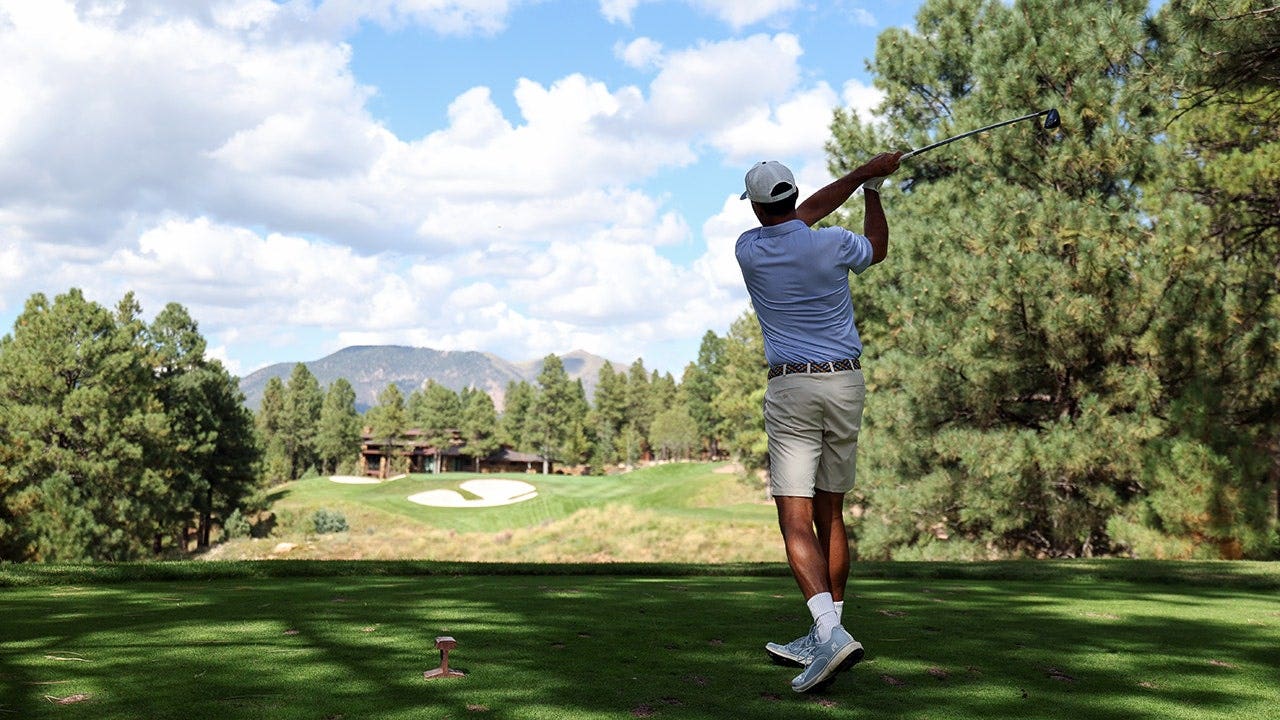
"Kris Mayes thinks Arizona has too many golf courses. I think Arizona has too many radical politicians who believe government should dictate which industries get to thrive," Petersen stated, emphasizing that the state’s golf infrastructure is far from a frivolous luxury, but rather a vital economic engine.
The backlash rapidly expanded beyond legislative halls, drawing commentary from prominent political figures and business leaders. U.S. Representative Eli Crane chimed in with a sharp critique on social media, quipping that Arizona’s primary issue was not its landscape design, but rather its political leadership. Meanwhile, Petersen took to social media to amplify his platform, promising voters that just as Mayes was purportedly threatening the future of golf in the state, he intended to remove her from office.
Other public figures and business executives joined the chorus of criticism. Technology executives and entrepreneurs pointed out that demand for tee times has surged in recent years while market rates have climbed, arguing that restricting golf infrastructure would harm tourism and consumer access. Executives from grassroots advocacy organizations and conservative think tanks similarly mocked the notion that the state suffered from an excess of green spaces, characterizing the attorney general’s perspective as fundamentally out of touch with the lifestyle and recreational priorities of everyday Arizonans.
Economic Impact and Water Statistics
As the war of words intensified, business advocacy organizations stepped forward to provide empirical context regarding the actual footprint of the golf industry within Arizona’s economy and its consumption of natural resources.
According to data compiled by the Arizona Chamber of Commerce and corroborated by a comprehensive 2023 economic study conducted by the Arizona Alliance for Golf, the state’s golf sector is far from a marginal recreational pastime; it is a major economic driver. The industry accounts for:
- Approximately $6 billion in total annual economic impact.
- The sustained employment of roughly 66,000 workers across the state.
- An annual payroll amounting to approximately $2.3 billion in wages.
- Roughly $520 million in local, county, and state tax revenues.
Crucially, industry representatives addressed the core concern underlying Mayes’ original remarks: water consumption. Statistical analyses indicate that golf courses across Arizona collectively utilize 2% or less of the state’s total annual water resources. This efficiency is largely attributed to widespread technological upgrades, modern irrigation systems, and the utilization of reclaimed or effluent water rather than potable municipal supplies, facts that industry advocates argue were overlooked in the generalized critique of green spaces.

Satirical sports platforms and consumer advocates also weighed in on the political fallout. National golf commentary outlets shared clips of the interview with skeptical commentary, suggesting that open criticism of a beloved regional pastime carries severe political costs in a state where golf tourism attracts visitors from across the globe.
Attorney General Mayes Clarifies Her Stance
Facing mounting political pressure and widespread public ridicule, Attorney General Mayes took to social media to clarify her statements and push back against what she described as a deliberate misrepresentation of her policy positions.
Mayes insisted that her remarks had been taken entirely out of context by political opponents eager to score points ahead of Election Day. She clarified that she had no intention of closing or banning golf courses, nor was she proposing unilateral executive mandates to eliminate turf across the state. Instead, she maintained that her broader policy vision centers on voluntary, incentive-based conservation programs designed to help residents and commercial entities transition away from thirsty landscaping voluntarily.
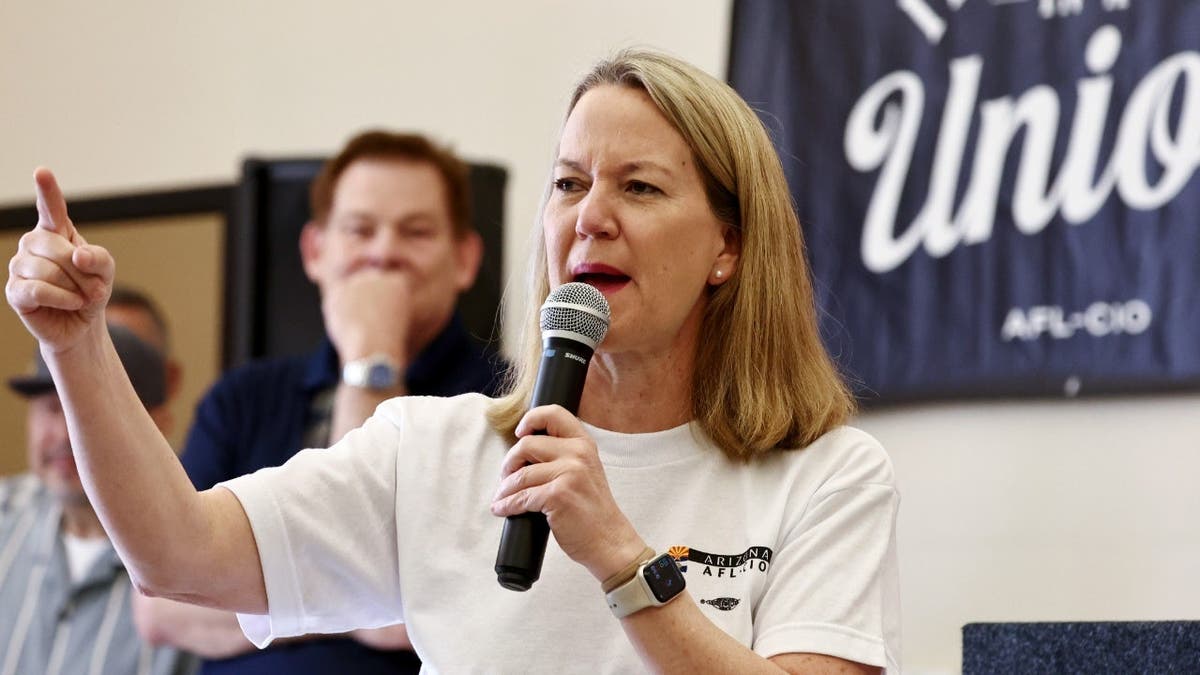
"Relax, nobody’s closing golf courses," Mayes wrote in a public statement. "My point is we need incentives to help all Arizonans and major industries swap thirsty grass and catch rainwater, especially if our water situation gets worse — while I take on the foreign mega-farms and data centers draining our water."
Mayes further accused Senate President Petersen and other Republican critics of disseminating false claims to manufacture political outrage. Despite these attempts at damage control, critics continued to scrutinize her initial phrasing, arguing that her remarks revealed a regulatory mindset that makes business owners and recreational golfers uneasy.
Broader Implications for Arizona Politics and Water Policy
The sudden focus on golf courses underscores a much larger, existential challenge facing Arizona and the broader American Southwest: the management of the Colorado River basin and the escalating pressures of climate change, population growth, and industrial demand.
Water scarcity has increasingly dominated legislative and legal battles throughout the region. Arizona, California, and Nevada have been locked in tense, ongoing negotiations with federal regulators and neighboring states over sustainable reductions in water usage to protect the shrinking levels of Lake Mead and Lake Powell. Within this high-stakes arena, state attorneys general play a critical role in litigating water rights, defending state interests against federal overreach, and negotiating interstate compacts.
For Republicans seeking to recapture legislative and executive momentum in a rapidly changing political battleground, the golf course controversy provided an effective narrative framework. By framing Mayes’ comments as an assault on private enterprise, local employment, and the Arizona way of life, conservative leaders sought to consolidate support among business-aligned voters and recreational enthusiasts.
Conversely, supporters of the attorney general argue that the uproar is an artificial distraction designed to deflect attention from the state’s very real and pressing environmental vulnerabilities. They contend that sustainable water management requires difficult, forward-thinking conversations about land use, agricultural practices, and residential landscaping, and that dismissing these concerns as political gaffes avoids necessary long-term planning.
As voters head to the polls in the final days of the midterm cycle, the lasting impact of the "golf course debate" remains to be seen. Whether the controversy ultimately shifts electoral outcomes or fades as a transient campaign season flashpoint, it has permanently underscored the delicate interplay between environmental resource management and the economic identity of the American desert.
Related posts: