House lawmaker calls for federal audit of TrumpRx drug pricing platform amidst transparency concerns

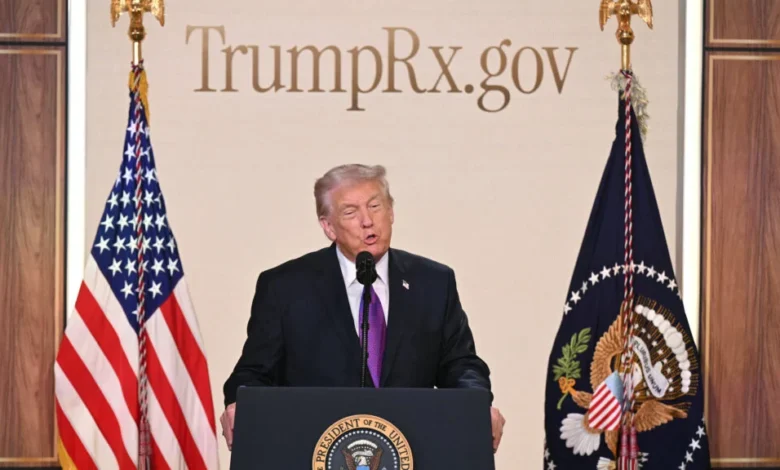
The Government Accountability Office (GAO) has been formally requested to conduct a comprehensive audit of the TrumpRx platform, a digital initiative launched by the White House earlier this year to facilitate consumer access to discounted prescription medications. Representative Frank Pallone (D-N.J.), the ranking member of the House Committee on Energy and Commerce, initiated the request in an October 27 letter, arguing that the administration’s claims of significant consumer savings lack the necessary evidentiary support to be considered reliable.
Since its inception in February 2026, the White House has positioned TrumpRx as a cornerstone of its pharmaceutical policy, asserting that the platform has successfully saved American consumers approximately $700 million. However, as the platform approaches its one-year milestone, scrutiny regarding its operational mechanics and the validity of its reported fiscal impact is intensifying among congressional oversight committees.
The Mechanism Behind TrumpRx
It is essential to distinguish the functional reality of TrumpRx from traditional pharmacy benefit managers (PBMs) or direct-to-consumer retail pharmacies. TrumpRx does not procure, stock, or dispense pharmaceuticals. Instead, it functions as a centralized digital gateway, directing consumers toward third-party coupon programs and manufacturer-linked discount portals.
The administration’s strategy hinges on "most-favored nation" style agreements—a policy framework that seeks to align the prices offered to American consumers with the lowest prices found in international markets or, in this specific iteration, through voluntary manufacturer pacts. The White House has successfully courted over two dozen major pharmaceutical manufacturers to participate in this ecosystem. Despite this participation, critics argue that the lack of transparency surrounding these voluntary agreements makes it impossible for independent auditors to verify whether the "savings" are genuine price reductions or merely re-branded marketing discounts that were already available through existing coupon aggregators.
Chronology of the TrumpRx Initiative
The rollout of TrumpRx represents a multi-stage effort by the administration to address the persistent political pressure surrounding drug pricing in the United States.

- February 2026: The White House officially launches the TrumpRx platform, accompanied by a promotional campaign highlighting partnerships with several Tier-1 pharmaceutical companies.
- May 2026: Independent consumer advocacy groups begin questioning the methodology used to calculate savings, noting that "list price" vs. "discount price" comparisons often ignore the impact of high-deductible health plans.
- August 2026: President Trump announces an expansion of the platform, claiming that nine additional manufacturers have joined the program, bringing the total to over 24 participating companies. The administration cites the $700 million savings figure for the first time.
- October 2026: Representative Frank Pallone formally requests that the GAO conduct a performance audit to determine the veracity of the administration’s stated savings figures and the impact of the undisclosed manufacturer agreements.
Pallone’s Argument for Oversight
In his correspondence to the GAO, Pallone emphasized that the executive branch has failed to provide a technical breakdown of how the $700 million figure was derived. "The American public deserves a clear, fact-based assessment of whether these policy maneuvers are providing tangible, long-term relief or if they are merely temporary market adjustments that benefit the pharmaceutical industry’s public image more than the patient’s pocketbook," Pallone wrote.
The core of the request focuses on two primary areas: the methodology of the savings calculation and the specific terms of the most-favored nation agreements. Pallone argues that without access to the contractual obligations manufacturers agreed to in exchange for participating in the TrumpRx platform, lawmakers cannot determine if the program has created a "race to the bottom" in pricing or if it has simply shifted costs elsewhere in the complex pharmaceutical supply chain.
Industry and Administrative Reactions
Representatives from the White House have maintained that the platform is a success, emphasizing that any digital tool that reduces the barrier to finding medication discounts is a net positive for the average consumer. Administration spokespeople have previously suggested that the critics are prioritizing partisan procedural concerns over the immediate relief felt by families struggling with out-of-pocket costs.
Pharmaceutical manufacturers, while generally supportive of the initiative in public statements, have remained guarded about the specific terms of their involvement. Industry trade groups have highlighted the voluntary nature of the program, noting that these discounts are distinct from standard rebates and are intended to provide immediate, point-of-sale reductions.
However, analysts in the pharmacy space suggest that the industry’s willingness to participate may be less about a sudden shift in pricing strategy and more about preempting more restrictive federal legislation. By providing a voluntary discount mechanism, manufacturers may be attempting to demonstrate a self-regulatory capacity that makes aggressive government price controls unnecessary.
Analytical Implications: Transparency vs. Market Dynamics
The requested GAO audit brings to the forefront a long-standing debate in Washington regarding pharmaceutical transparency. Historically, the supply chain between the drug manufacturer, the wholesaler, the PBM, and the pharmacy has been opaque. The TrumpRx platform, by design, bypasses some of these traditional gatekeepers, but it also creates a new layer of influence that is similarly shielded from public view.

If the GAO moves forward with the audit, they will likely focus on three key metrics:
- Baseline Verification: Determining the "starting price" used to calculate the $700 million in savings. If the savings are measured against the WAC (Wholesale Acquisition Cost) rather than the actual price paid by the average patient, the figure may be significantly inflated.
- Market Distortion: Assessing whether the discounts provided via TrumpRx lead to increased prices for other, non-discounted drugs, or if they affect the competitive landscape for generic alternatives.
- Data Reliability: Determining whether the platform’s reported traffic and conversion rates actually correspond to completed, discounted transactions at the pharmacy counter.
Broader Impact on Healthcare Policy
The push for an audit of TrumpRx is emblematic of a broader, systemic struggle to manage drug costs in the U.S. healthcare system. The federal government’s role in drug pricing has expanded significantly over the last decade, but there remains no consensus on the best method to ensure affordability.
If the audit confirms the administration’s figures, it could validate the use of voluntary, manufacturer-led digital platforms as a viable alternative to more draconian regulatory measures. Conversely, if the audit reveals that the platform is providing negligible savings or that the underlying agreements involve "hidden" concessions that could harm the long-term sustainability of the drug market, it could catalyze a major shift in how Congress approaches future legislation regarding pharmaceutical oversight.
For now, the pharmaceutical sector, investors, and patient advocacy groups are waiting to see if the GAO will accept the mandate. A full-scale investigation could take months, but it would provide the most definitive assessment to date of the TrumpRx program’s actual influence on the American healthcare economy. As it stands, the platform remains a popular—yet scientifically contested—tool in the ongoing effort to lower the cost of prescription medicine for the American public.