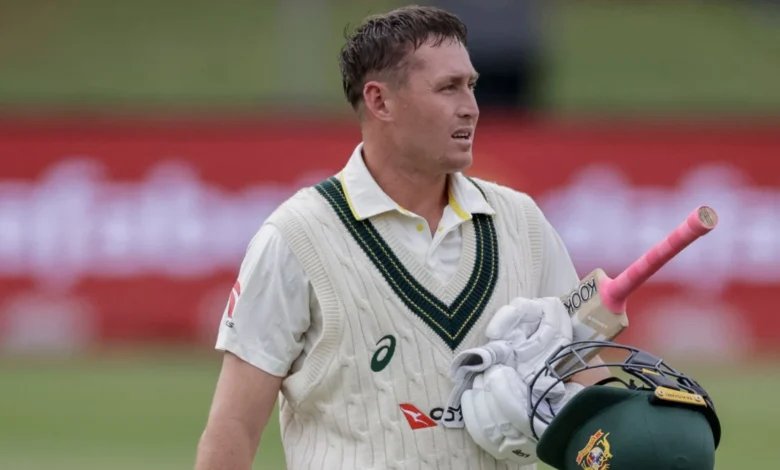
The Australian cricket team returns to Cape Town this week for a series-deciding Test match, marking their first appearance at the venue since the infamous 2018 ball-tampering scandal. While the emotional weight of the past hangs over the ground, the immediate crisis facing the tourists is purely performance-based. Following a crushing innings-and-31-run defeat in Gqeberha, where the batting lineup collapsed for a dismal 99 in the first innings, the Baggy Greens find themselves in a precarious position. A loss in this final match would not only cede the series to South Africa but could signal the premature end for several international careers currently under intense scrutiny.
The current tour has laid bare deep-seated structural issues within the Australian batting order. What was once a hallmark of consistency has become a fragile unit reliant on sporadic individual brilliance. Throughout this series, the team has managed only three fifty-plus scores, an alarming statistic for a side with aspirations of global dominance. Travis Head remains the primary architect of the team’s resistance, while the usually prolific Steve Smith has endured a uncharacteristic slump. With the series on the line, the Australian selection panel, led by George Bailey, faces a moment of reckoning regarding the future trajectory of the squad.
The 2018 Shadow and the Road to Cape Town
The 2018 Newlands Test remains a definitive moment in modern cricket history. During the third Test against South Africa in March of that year, television cameras captured opening batsman Cameron Bancroft attempting to alter the condition of the ball using a piece of sandpaper hidden in his trousers. The ensuing investigation led to lengthy suspensions for captain Steve Smith, vice-captain David Warner, and Bancroft, triggering a massive cultural review of Australian cricket.
Returning to the scene of that controversy is historically significant, but the current squad is focused on avoiding a different kind of infamy: a series defeat that would further destabilize their standing in the World Test Championship rankings. The psychological challenge of playing at the venue is compounded by the sheer dominance of the Proteas in the current series, particularly in the most recent encounter in Gqeberha, where the Australians were dismantled with clinical efficiency.
Statistical Breakdown: A Batting Crisis
The statistics from the ongoing series paint a bleak picture of Australia’s top-order performance. Travis Head’s second-innings century in Durban was the lone standout effort, accounting for the majority of the team’s total runs in that match. In comparison, the rest of the batting unit has struggled to navigate the movement of the South African seamers.
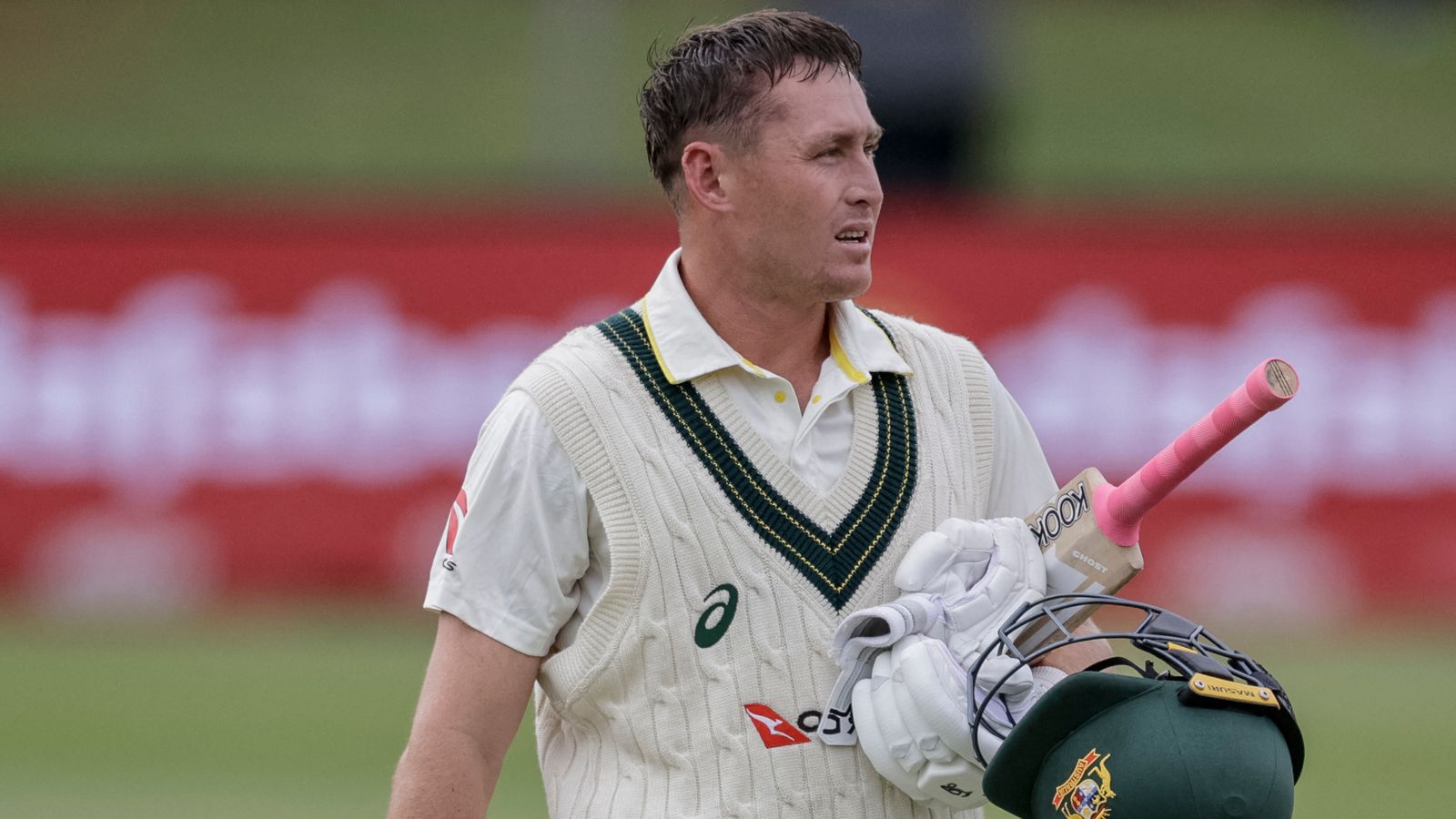
Steve Smith, often considered the cornerstone of the Australian lineup, has seen his form evaporate. Across his recent outings, his scores have fluctuated in the twenties, coupled with a low score of three. His struggle has been exacerbated by a recurring neck injury, which has necessitated a late fitness test ahead of the Cape Town finale. If Smith is ruled out, the reliance on other players, specifically Marnus Labuschagne, will become even more pronounced—a concerning prospect given Labuschagne’s own recent drought.
Labuschagne, once hailed as the premier Test batter of his generation, has now gone 47 innings without a Test century. His inability to convert promising starts into substantial scores has become a liability. Critics, including former captain Ricky Ponting, have publicly questioned the "tenability" of his position in the side. His dismissals in this series have been varied, ranging from lbw decisions to loose drives and poorly executed aerial shots, suggesting a loss of concentration and technical confidence.
Selection Controversies and the Bailey Factor
The pressure is not confined to the players; the selection committee, chaired by George Bailey, is under fire from various stakeholders. The decision to include Nic Maddinson for this tour, despite his prolonged absence from international cricket and recent health challenges, was met with significant backlash. Former Australian opener Matthew Hayden was particularly vocal, accusing the selectors of failing to respect the standards of first-class cricket and describing the selection as indicative of a period of mediocrity.
Maddinson’s performance—averaging just 14 runs per innings—ultimately forced his removal from the squad. His departure highlights a broader dilemma for Australian cricket: a lack of high-performing, ready-made replacements in the domestic circuit. Unlike previous decades, where players often arrived in the Test arena with first-class averages well above 40, the current crop of prospects, including Ollie Davies and Sam Konstas, are still developing their games at the state level. This talent vacuum has left selectors with few options, forcing them to persist with underperforming incumbents longer than tradition might dictate.
Temba Bavuma and the Proteas’ Momentum
In sharp contrast to the instability within the Australian camp, South Africa’s progression under captain Temba Bavuma has been remarkable. Bavuma has become the bedrock of the Proteas’ batting, boasting an average of 49.95 over his last 28 Tests. His performance in the second Test—a monumental 179 from 334 balls—was a masterclass in resilience, particularly after coming to the crease with the team struggling at 12-2.
Under Bavuma’s leadership, South Africa has secured 12 victories in 14 Tests, a record that highlights a cohesive unit playing with tactical clarity. The South African bowling attack, led by their disciplined seamers, has successfully identified the technical vulnerabilities of the Australian batters, specifically targeting the areas around the off-stump and utilizing short-pitched deliveries to provoke errors.
Implications for the Cape Town Finale
The final Test in Cape Town is effectively a "winner-takes-all" scenario. For Australia, the implications of a defeat are significant. A series loss would almost certainly necessitate a major overhaul of the batting lineup ahead of the next cycle of international fixtures. With the Ashes series and other high-profile tours on the horizon, the Australian Cricket Board (ACB) will be looking for a definitive performance to restore confidence in the current setup.
If the batting fails again, the pressure on George Bailey to justify his selection strategy will reach a breaking point. The internal debate will likely shift toward whether the team requires a "reset"—an infusion of younger, domestic-performing talent, even if they lack experience at the highest level. Conversely, a victory would provide a much-needed reprieve, allowing the current leadership group to stabilize the team’s identity and build toward the next championship cycle.
The historical context of the 2018 scandal, while unavoidable, serves as a backdrop to a more pressing professional reality: the need for tactical adaptation. The Australian team must find a way to mitigate the threat posed by the South African bowlers while restoring the composure that was once their hallmark.
Looking Ahead: The Series Decider
As the teams prepare for the first ball on Tuesday, the atmosphere in Cape Town will be tense. The pitch conditions are expected to offer assistance to the pacers, which will test the Australian batters’ technique against the moving ball once more. Whether the visitors can display the mental fortitude to overcome their recent slump remains the defining question of this tour.
The match will be broadcast globally, with high expectations from fans and pundits alike. For Australia, the objective is singular: to secure a victory that validates the selection decisions and provides a platform for future success. For South Africa, the goal is to cement their dominance and continue the upward trajectory of a team that has clearly found its rhythm under Bavuma.
Ultimately, this Test is not just about the series result; it is about the legacy of this specific iteration of the Australian squad. Whether they can rise to the occasion in the shadow of their past failures will determine the direction of their future in the Test arena for years to come.