Lumina Simulation Opens a New Window Into the First Two Billion Years of the Universe

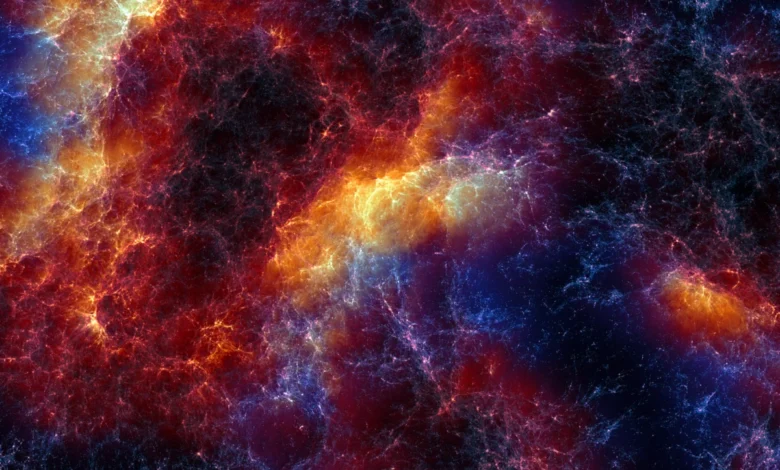
Astronomers and computational physicists at the Center for Astrophysics | Harvard & Smithsonian have unveiled Lumina, marking a monumental leap forward in computational astrophysics. Described in a recent study published in the Monthly Notices of the Royal Astronomical Society, Lumina stands as one of the largest and most complex cosmological radiation-hydrodynamics simulations ever attempted. By marshalling the computational might of more than 15,000 advanced graphics processing units (GPUs), the research team has successfully reconstructed the intricate interplay of ordinary matter, invisible dark matter, and sweeping radiation fields across the first two billion years of cosmic history.
This unprecedented digital model arrives at a crucial juncture in observational astronomy. As premier orbital observatories like the James Webb Space Telescope (JWST) and the Nancy Grace Roman Space Telescope peer deeper into the cosmic dawn than ever before, they capture light from an era previously obscured by the fog of neutral gas. Lumina acts as a vital theoretical anchor, translating complex astrophysical equations into vivid, high-resolution predictions that allow scientists to test whether our current understanding of the laws of physics holds true under the extreme conditions of the early universe.
The Dawn of Modern Cosmology and the Need for High-Resolution Modeling
To understand the scale of the achievement represented by Lumina, one must look at how the universe evolved from a hot, dense soup of particles following the Big Bang approximately 13.8 billion years ago. During the first few hundred thousand years, the cosmos cooled enough for protons and electrons to combine into neutral hydrogen atoms, plunging space into a dark era devoid of stars.
Eventually, gravity coaxed the first pockets of gas and dark matter to collapse, igniting the earliest stars and galaxies. The radiation emitted by these primordial luminaires unleashed a transformative event known as cosmic reionization. This titanic phase transition stripped electrons away from neutral hydrogen and helium atoms, reshaping the physical properties of the gas permeating the vast expanses between nascent galaxies.
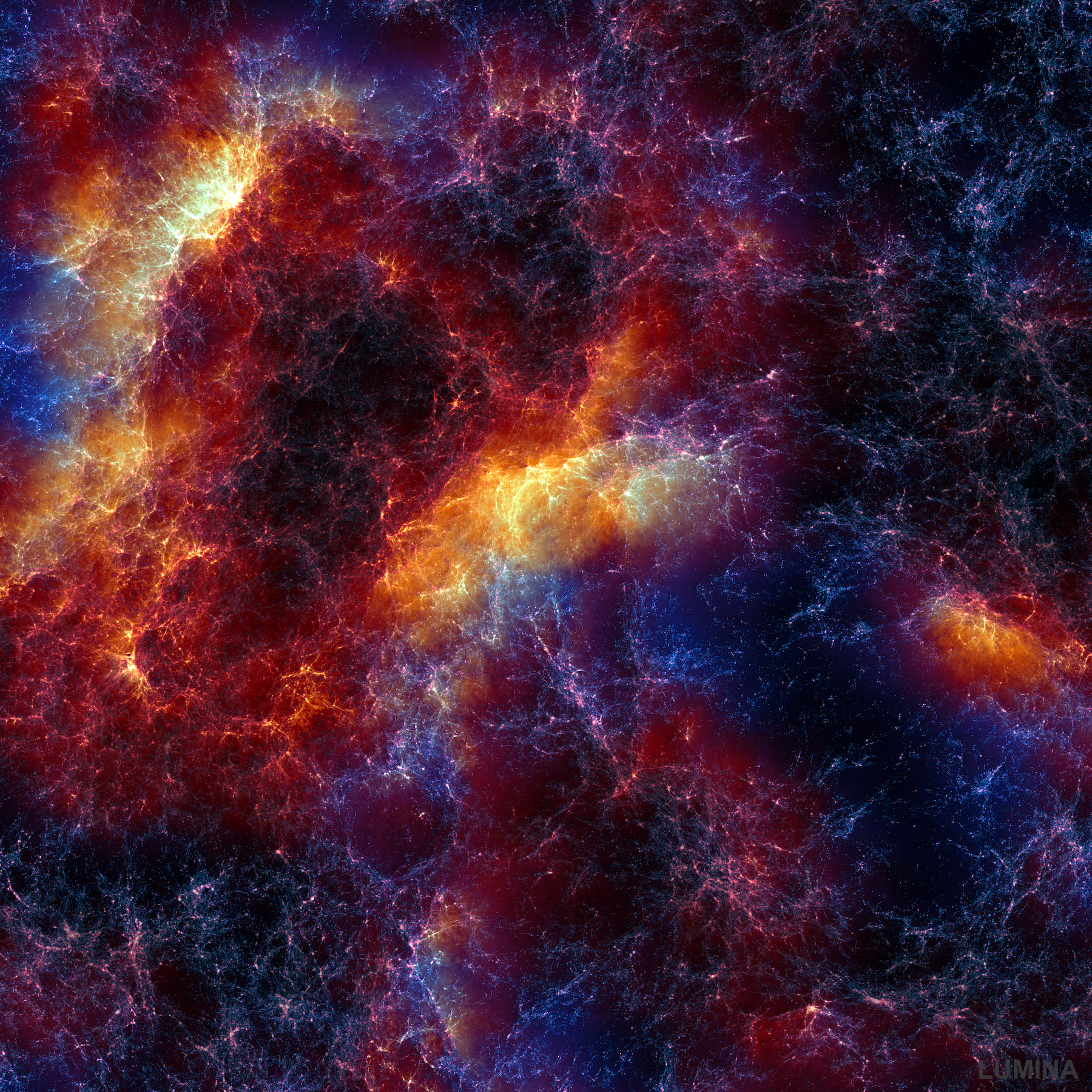
For decades, theoretical astrophysicists relied on analytical models and smaller-scale computer simulations to study this epoch. However, these older models faced severe limitations. They either covered vast volumes of space while sacrificing the fine details needed to resolve individual galaxies, or they focused tightly on small patches of the universe while ignoring the broader environmental context. Lumina bridges this gap, tracing both the macro-scale architecture of the cosmic web—spanning hundreds of millions of light-years—and the micro-scale physics of gas ionization driven by luminous stellar sources.
Inside the Lumina Simulation: Methodology and Scale
Building a digital universe of this magnitude required immense technological and algorithmic innovation. The project was spearheaded by lead author Oliver Zier, a computational astronomer and Institute for Theory and Computation (ITC) Fellow at the Center for Astrophysics | Harvard & Smithsonian, alongside co-author Aaron Smith, an assistant professor of physics at the University of Texas at Dallas.
The team utilized a massive cluster of over 15,000 GPUs to execute the simulation. Unlike pure N-body simulations, which only calculate the gravitational pull of dark matter, Lumina incorporates radiation-hydrodynamics. This means it rigorously tracks how radiation moves through gas, how gas heats and cools, how shockwaves ripple through interstellar and intergalactic space, and how heavy elements are forged and dispersed by stellar winds and supernova explosions.
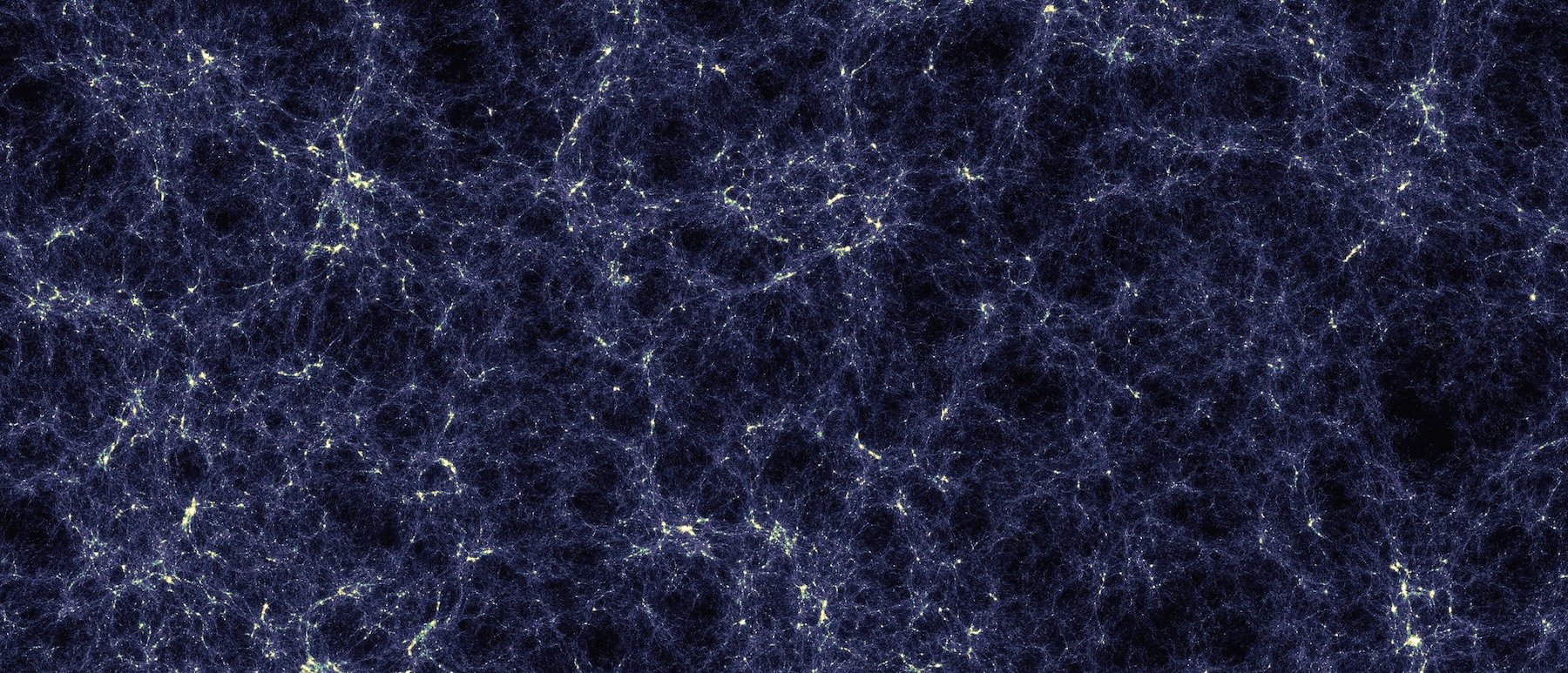
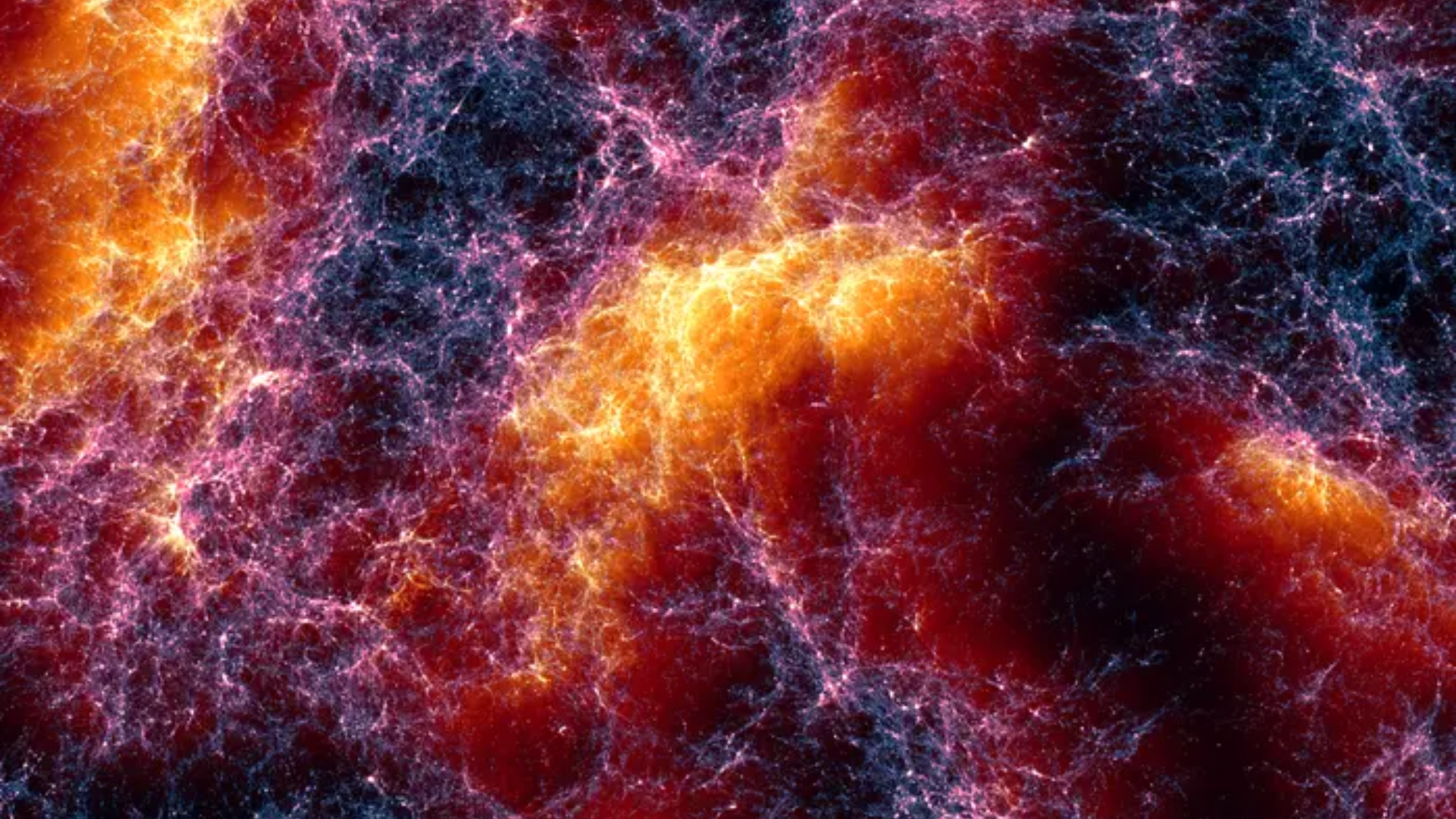
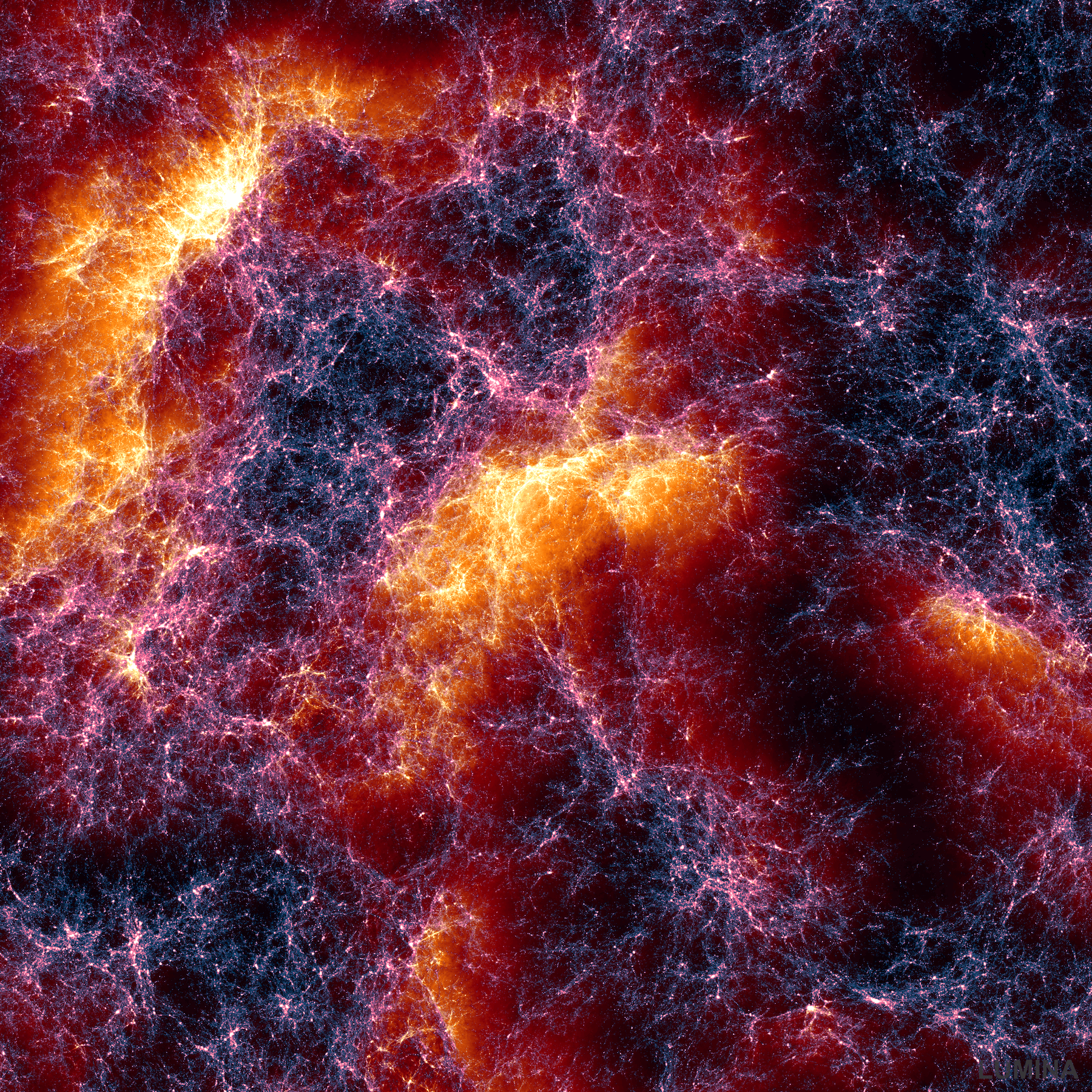
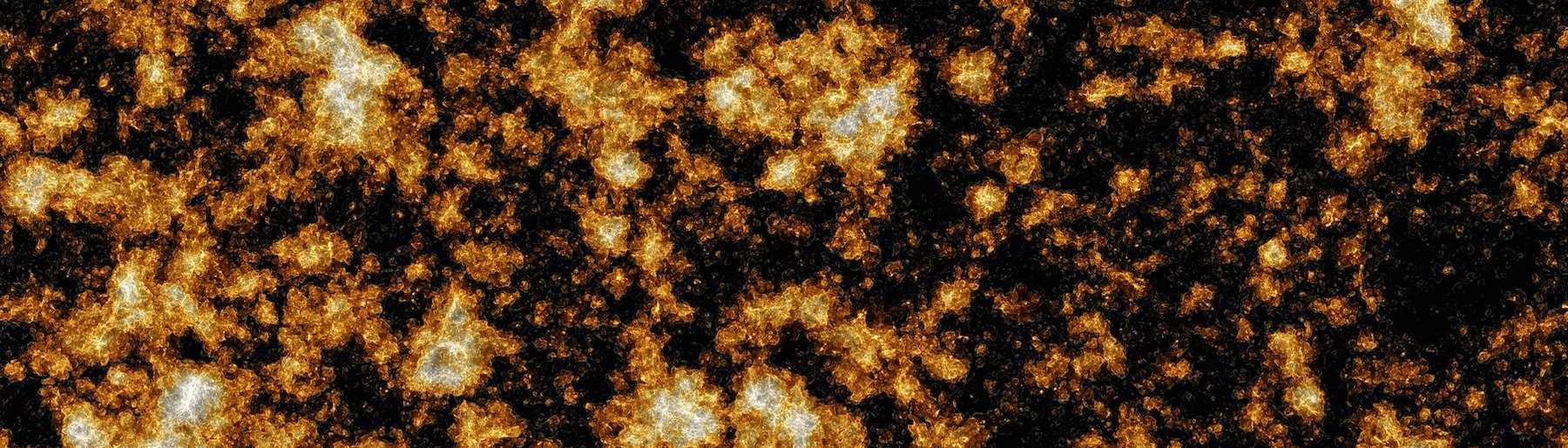
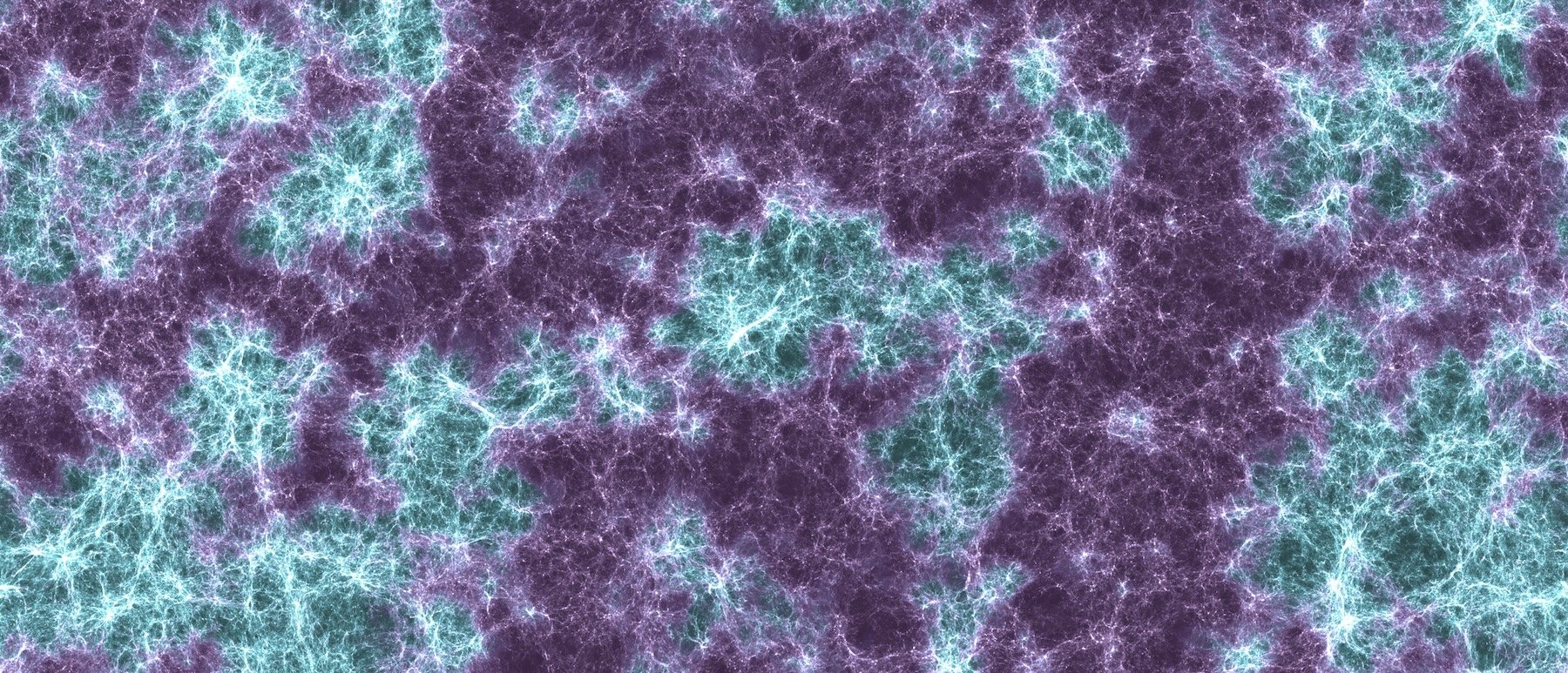
The resulting data outputs are staggering in both volume and visual fidelity. Lumina generates a virtual universe where researchers can observe the evolution of the cosmic web—a vast, intricate network of dark matter filaments and galaxy clusters. Within this framework, the simulation highlights specific physical transitions, such as the spatial distribution of ionized helium shifting from its primitive, singly ionized state into its modern, doubly ionized form, and the progressive conversion of neutral hydrogen into the golden-hued regions characteristic of the reionization era.
Bridging Theory and Observation: The JWST and Roman Era
The timing of Lumina’s release is closely tied to the operational successes of modern space telescopes. Since beginning its science operations, the James Webb Space Telescope has repeatedly surprised astronomers by discovering remarkably massive, bright galaxies existing much earlier in cosmic time than standard cosmological models predicted.
These unexpected discoveries have generated intense debate within the astrophysics community. Some scientists suggest that galaxy formation efficiency in the early universe was far higher than previously estimated, while others hint that subtle adjustments to the standard cosmological model—known as Lambda-CDM—might be necessary.
Lumina provides the precise predictive horsepower required to evaluate these observational anomalies. By simulating how galaxies form and interact within a statistically robust volume of space, the model allows researchers to generate synthetic observations. Astronomers can directly compare what JWST and the upcoming Nancy Grace Roman Space Telescope see in the deep sky with what Lumina predicts should be there.
"With JWST, the early universe has become an exciting new frontier in astrophysics," Oliver Zier explained in a statement accompanying the study’s release. "To understand what we are seeing with this telescope, we need to translate our theories into detailed predictions. After several years of work, with plenty of ups and downs, it is incredibly rewarding to see the simulation results and watch our predictions come to life in video."
Tracking the Transformation of Elements
One of the most groundbreaking aspects of the Lumina simulation is its ability to track the transformation of the universe’s most abundant elements—hydrogen and helium—across vast spatial scales while simultaneously resolving the individual sources of ionizing photons.
Aaron Smith emphasized the significance of this capability, noting, "We feel incredibly fortunate to be building simulations like Lumina. For the first time, we can follow along as both hydrogen and helium changed into their modern form across such an enormous volume of the universe, while still resolving the galaxies and other luminous objects driving that transformation."
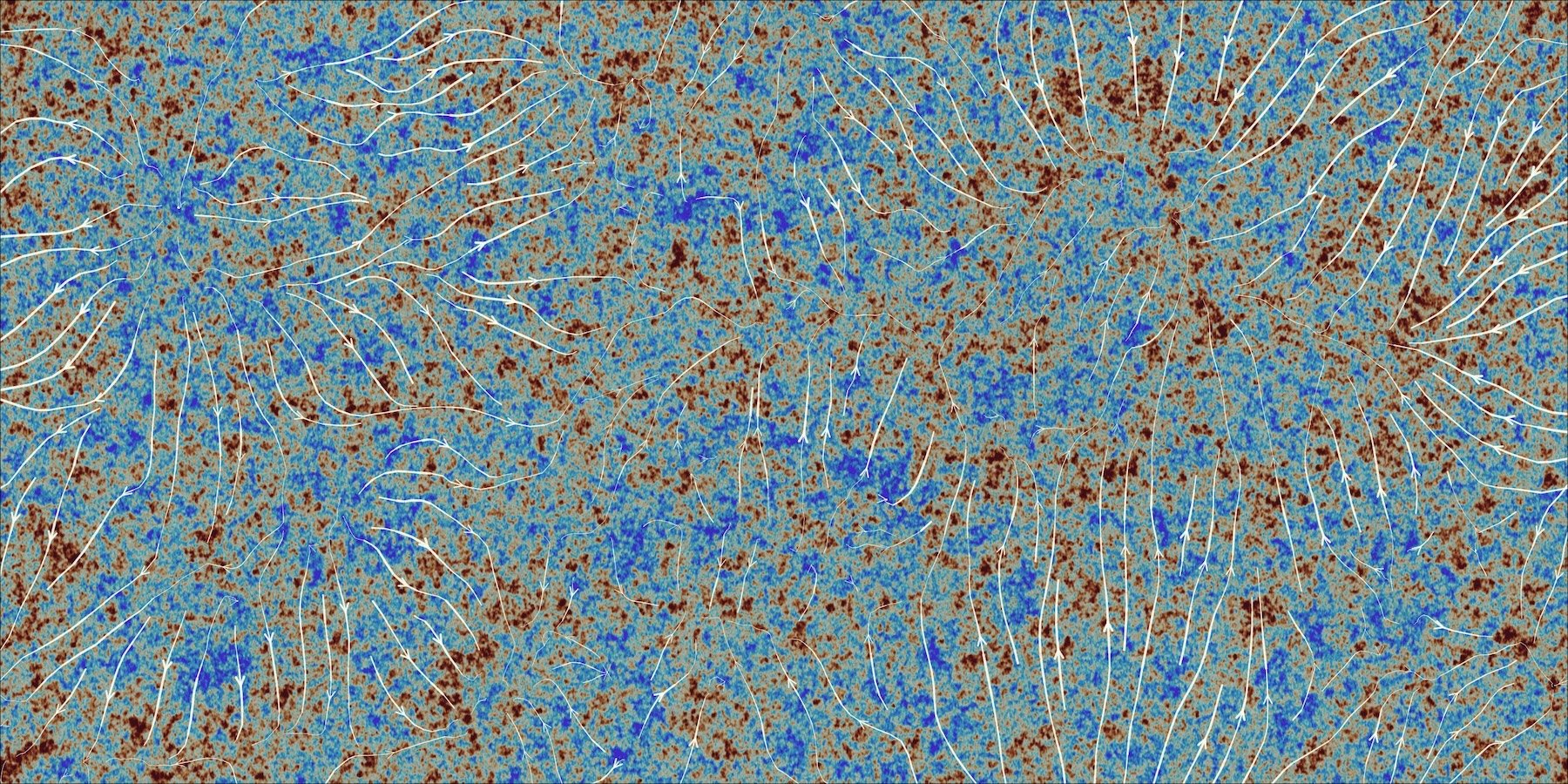
In the simulation, this chemical and physical evolution is rendered in striking detail. For instance, visualizations of helium across a 650-million-light-year stretch of the cosmic web reveal transitions from primitive singly ionized gas to modern doubly ionized regions, distinguished by contrasting color gradients. Similar visualizations chart the chronological sweeping away of neutral hydrogen gas during reionization, offering a frame-by-frame motion picture of how the universe cleared its own atmospheric fog.

Broader Implications and Future Research Directions
The deployment of Lumina is expected to accelerate research across several branches of cosmology and astrophysics. By providing a publicly accessible and computationally robust framework through the Lumina Project initiative, the Harvard & Smithsonian team has furnished the global scientific community with a premier testing ground for hypotheses related to dark matter dynamics, early black hole growth, and intergalactic metal enrichment.
As observational data continues to stream back from deep-space assets, discrepancies between theory and reality will inevitably surface. Tools like Lumina ensure that astrophysicists possess the capability to refine their theoretical models iteratively. Whether confirming the robustness of established cosmological paradigms or pointing the way toward entirely new physics, simulations of this scale represent the indispensable bridge between abstract mathematical equations and the direct observation of our cosmic origins.