Have a lovely weekend: A roundup of cultural trends, lifestyle shifts, and community discourse


The approach of the weekend serves as a focal point for both domestic planning and a broader synthesis of current cultural trends, ranging from professional athletic engagement to the evolving philosophy of urban living. As observers track shifts in lifestyle preferences and aesthetic movements, several key narratives have emerged this week, highlighting how individuals are reconfiguring their personal environments and social interactions.
The Rise of the Valkyries and the Evolution of Sports Culture
The Golden State Valkyries, the WNBA’s latest expansion team, have become a significant cultural touchstone in the Bay Area and beyond. Their rise coincides with a broader surge in popularity for women’s professional sports, which has seen record-breaking attendance and viewership metrics throughout the 2026 season. Fans are increasingly integrating game-day rituals into their weekend social planning, transforming the traditional viewing experience into an opportunity for themed community gatherings. This trend underscores a deeper societal shift: sports consumption is no longer merely about the match, but about the creation of communal, curated experiences.
Urban Planning: The Importance of the 10-Minute Radius
Urban geographers and lifestyle commentators are increasingly emphasizing the "10-minute radius" as a critical metric for quality of life. The theory posits that the livability of a neighborhood is not defined by its distance to major metropolitan hubs, but by the density of essential services reachable within a 10-minute transit window—be it walking, cycling, or public transit.
Data from urban planning studies suggest that residents who can access coffee shops, grocery retailers, public parks, and social hubs within this timeframe report significantly higher levels of daily life satisfaction. This shift in priority is influencing real estate trends, as remote and hybrid workers prioritize "walkable autonomy" over square footage or proximity to traditional business districts. The movement away from car-centric living toward hyper-local, amenity-dense environments remains one of the most significant shifts in post-pandemic residential preferences.
Aesthetic Trends: From Moody Lipsticks to Lantern Sculptures
The fashion and interior design sectors are currently experiencing a transition toward "moody" and atmospheric aesthetics. In beauty, the autumn season has catalyzed a pivot toward darker, more saturated lip tones, reflecting a broader preference for "dark academia" and vintage-inspired visual palettes.
Simultaneously, the decorative arts are seeing a resurgence of artisanal lighting. The recent public interest in complex lantern sculptures—often crafted by contemporary artists—indicates a move away from mass-produced minimalism. These pieces often function as both light sources and focal points, emphasizing the importance of texture and ambient warmth in residential design. This aesthetic preference for the "cozy" and the "crafted" aligns with the broader trend of nesting, where homeowners invest heavily in their immediate surroundings to foster a sense of sanctuary.
Professional Advocacy and the "Lapsed" Creative
A notable development in the arts community is the creation of specialized spaces for "lapsed" professionals—individuals who trained rigorously in disciplines like ballet but chose not to pursue them as full-time careers. New initiatives, such as the salon-style performances hosted at venues like the Gibney Theater, provide a vital outlet for these individuals to maintain high-level artistic practice.

The success of these programs—which prioritize narrative and personal history over competitive auditions—suggests a growing demand for "non-professional" high-performance spaces. This reflects a shift in how society views the lifecycle of a creative pursuit; the expectation that one must either turn pro or quit entirely is being challenged by a model that values consistent, community-based practice.
Literary and Design Landscapes
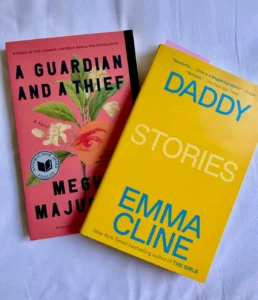
The literary world is currently seeing an uptick in essay collections that focus on the intersection of food, culture, and memory. Works such as Eric Kim’s latest offering have drawn significant critical acclaim for their ability to synthesize personal heritage with culinary exploration. These books are increasingly treated as lifestyle objects, with cover art and physical presentation playing as much of a role in market success as the prose itself.
In home furnishings, the market is seeing a pivot toward natural, sustainable materials. The move by major brands like Ruggable to introduce all-wool collections demonstrates a market response to consumer demand for natural fibers over synthetic alternatives. This aligns with a broader trend of sustainability, where consumers are willing to pay a premium for longevity and biodegradable materials.
Community Discourse: The Philosophy of Everyday Choices
Reader contributions this week highlighted the philosophical weight often attributed to minor, everyday decisions. Discussions regarding the "Bread or Potatoes" debate—a hypothetical scenario that forces a choice between two essential food groups—serve as a microcosm for how people categorize their preferences and, by extension, their identities.
Furthermore, environmental shifts in domestic landscaping are gaining traction. The move away from "deadheading" flowers in the autumn—leaving seed heads for migratory birds and local wildlife—is gaining momentum among amateur gardeners. This practice, while appearing untidy to traditional standards, is being championed by conservationists as a simple yet effective way to support local biodiversity. The transition from a strictly manicured yard to a "wilder," more functional garden represents a significant shift in how suburbanites interact with their local ecosystems.
Implications for the Future of Lifestyle
As we move toward the end of the year, these disparate threads—the importance of hyper-local living, the resurgence of artisanal crafts, and the democratization of high-level artistic performance—paint a picture of a society seeking depth and sustainability in its leisure time.
The "10-minute radius" will likely continue to dictate housing market trends, while the demand for authentic, non-professional creative spaces will challenge traditional institutional models. Whether it is through the lens of a sports game, a new book, or the maintenance of a garden, the common denominator remains a desire for intentional, meaningful engagement with the immediate world.
The focus on these diverse topics—ranging from the architectural design of a captain’s cottage in San Francisco to the specific bird-feeding habits of suburban gardeners—highlights the depth of contemporary curiosity. As individuals continue to curate their environments and social schedules, the emphasis remains on the intersection of utility, aesthetic pleasure, and communal connection. This weekend, as many look toward the Valkyries game or explore local bookstores, they are participating in a larger, ongoing dialogue about how to live well in an increasingly complex and interconnected world.