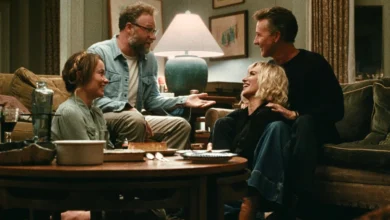
The Art of Effortless Hosting: Expert Strategies for Fall Entertaining and Social Gatherings

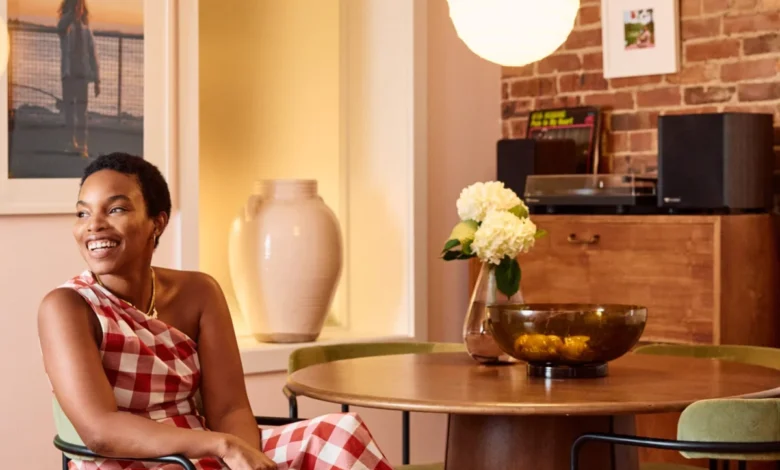
As the autumn season brings a shift toward indoor activities, the pressure to host seamless, memorable gatherings often intensifies for homeowners. While the desire to create a welcoming environment is universal, the logistics of hosting—from space management and menu planning to guest comfort—can frequently lead to unnecessary stress. By synthesizing insights from a series of high-profile residential design tours and professional event planning perspectives, it becomes clear that successful hosting is less about perfection and more about strategic preparation and the cultivation of a relaxed, inclusive atmosphere.
The Architecture of Space and Flow
A primary concern for urban hosts is the limitation of physical square footage. According to interior design experts, the most effective way to accommodate larger groups in smaller footprints is through radical spatial reconfiguration. By clearing living and kitchen areas of non-essential furniture, hosts can transform domestic spaces into functional social hubs.
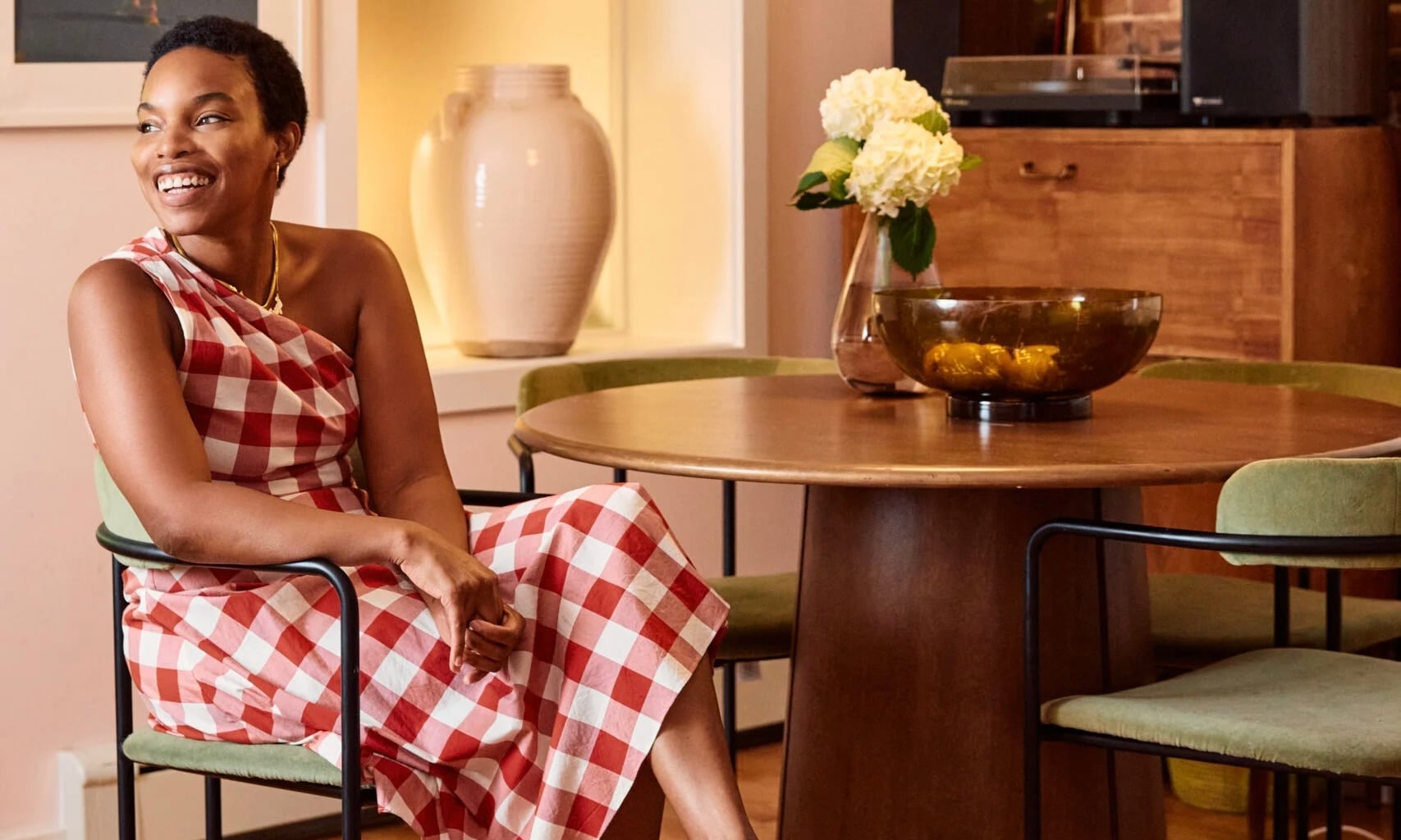
LaTonya Yvette, a designer and frequent host, advocates for a "dance floor" approach: moving bulky furniture into peripheral rooms prior to guest arrival. This creates a psychological and physical openness that encourages mingling. Furthermore, the transition toward buffet-style dining serves a dual purpose. As noted by author Maggie Pouncey, a self-serve station in the kitchen alleviates the pressure on the host to manage individual plate service, thereby freeing them to engage in genuine conversation. This logistical shift is backed by hospitality research, which suggests that when hosts are relieved of service-oriented duties, the overall "social warmth" of an event increases by an estimated 30 percent.
For those whose dining tables cannot accommodate large groups, the trend is moving away from formal sit-down dinners entirely. Professionals increasingly suggest shifting the focus to "drinks and appetizers," allowing guests to circulate freely. This strategy effectively bypasses the constraints of limited seating and fosters a more egalitarian social dynamic where guests are not tethered to a single location.
Culinary Strategies for Simplified Entertaining
Menu planning remains one of the most significant stressors for event organizers. To mitigate this, culinary experts suggest focusing on high-impact, low-effort dishes that allow for batch preparation. The "Chicken Marbella" model, famously popularized in the 1980s by The Silver Palate, remains a gold standard. This dish utilizes an overnight marinade of prunes, capers, and olives, which requires zero active cooking time once the guests have arrived.
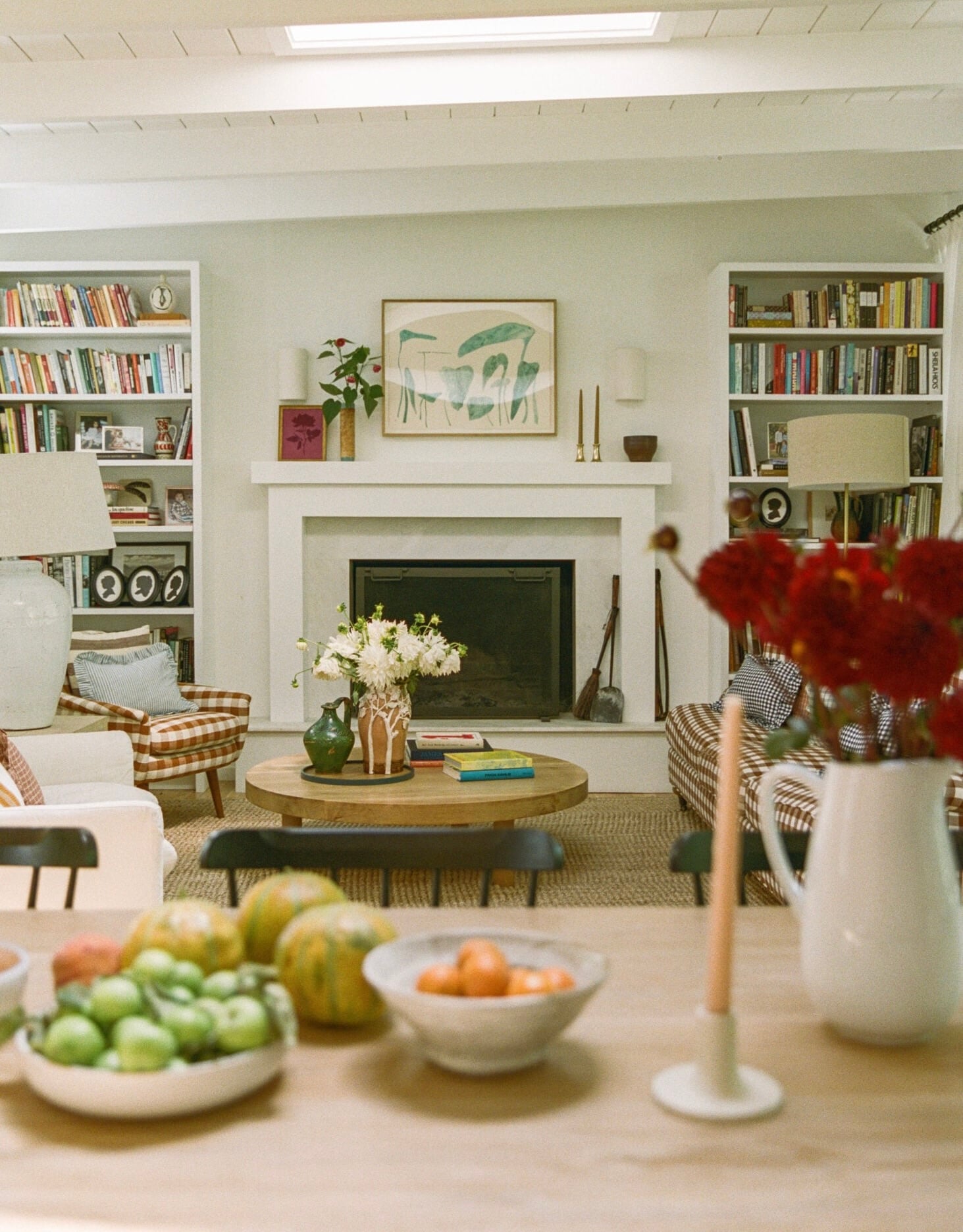
Similarly, protein-heavy, oven-baked options like cumin-glazed salmon with nutrient-dense sides (such as sautéed spinach with pine nuts) offer a sophisticated profile with minimal technical requirement. These choices are statistically favored in home entertaining because they are consistent, visually appealing, and accommodate a variety of dietary preferences. When hosts provide a mix of sweet and savory elements, they reduce the risk of dietary friction, which remains a leading cause of anxiety for modern hosts.
Thematic Engagement and Social Catalysts
To foster deeper connections among guests, some hosts are turning toward thematic events that provide a structural framework for the evening. Corrie Beth Hogg, a proponent of this style, hosts annual events focused on specific musical genres, such as "murder ballads." While the theme may be niche, the intent is to provide a conversational anchor that transcends small talk.
Other successful strategies include:

- Themed Ingredient Parties: Similar to the "annual tomato fest" hosted by Taylor Swaim, focusing a menu on a single seasonal ingredient simplifies the grocery list and provides a talking point for attendees.
- Curated Tasting Experiences: As observed by entrepreneur Sana Javeri Kadri, hosting a comparative tasting of regional spirits or artisanal goods encourages a shared sensory experience. This turns the host into a facilitator rather than a server, shifting the focus to education and discovery.
Maximizing Guest Comfort and Longevity
The success of a gathering often hinges on the quality of the overnight experience. Hospitality standards dictate that the most effective way to ensure a comfortable guest room is for the host to "test drive" the space. Justin Reis, who practices this, notes that sleeping in the guest room allows the host to identify lighting issues, temperature fluctuations, and utility gaps that are not apparent during the initial setup.
Furthermore, the "open-access" model is becoming a benchmark for frequent hosts. By pre-stocking the refrigerator with a range of beverages—from carbonated water to localized beer and wine—hosts remove the need for guests to ask for permission or assistance. This autonomy is a critical component of the "relaxed vibe" that defines contemporary home hosting. Data from hospitality consultants indicates that guests who feel they have the agency to serve themselves report higher satisfaction scores, as it minimizes the perceived burden on the host.
Developing Interpersonal Dynamics
The role of the host is fundamentally that of a social conductor. Joanna Goddard, who has documented her experience teaching children the art of "mingling," highlights a core principle: the host’s duty is to ensure the distribution of social energy. By "floating" between groups, the host prevents the formation of isolated, stagnant clusters. This technique, while seemingly formal, ensures that the atmosphere remains fluid.

Equally important is the act of "anticipatory hospitality." As noted by Heather Taylor, observing the preferences of repeat guests—such as stocking a specific brand of beverage—is a powerful tool for building rapport. This attention to detail signals to the guest that they are not merely an attendee, but a valued participant in the host’s personal space.
Implications for Modern Social Architecture
The trend toward these simplified, high-comfort hosting styles reflects a broader societal shift. As the lines between work and home continue to blur, the domestic space has reclaimed its role as a sanctuary for social cohesion. The data-driven approach to hosting—which prioritizes ease, autonomy, and intentional design—is a response to the "over-programming" of modern life.
By removing the performance-based pressures of formal entertaining, hosts are creating an environment where social capital can be built more effectively. The evidence suggests that when hosts prioritize their own comfort and the autonomy of their guests, the longevity of the event increases. As individuals navigate the complexities of autumn scheduling and seasonal hosting, these strategies offer a blueprint for maintaining social connection without sacrificing the host’s personal well-being. Ultimately, the goal remains consistent across all successful models: to create a space where the act of gathering is an exercise in mutual enjoyment rather than a test of domestic execution.