American Airlines Opens Flagship Dining to Business Class Passengers in Strategic Lounge Overhaul

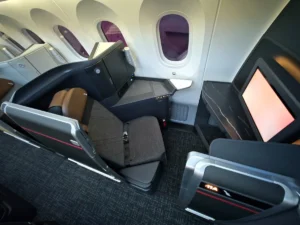
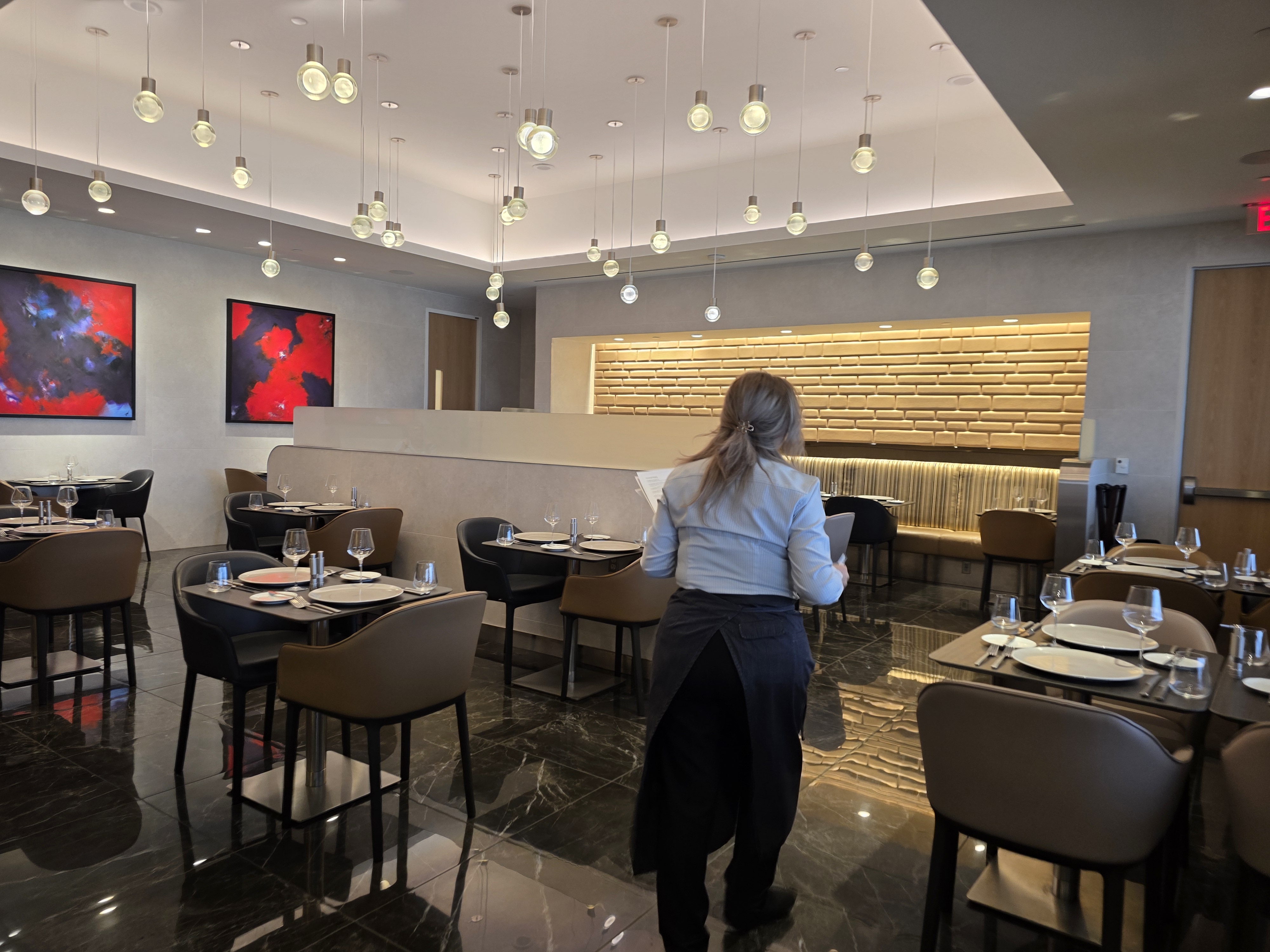
American Airlines has officially rebranded its exclusive Flagship First Dining facilities, transitioning the spaces from restricted first-class-only enclaves to accessible venues for qualifying Flagship Business class passengers. This shift, which began implementation on September 15, marks a significant departure from the carrier’s long-standing tiered lounge strategy. By opening these sit-down dining rooms to a broader demographic of international and premium transcontinental travelers, the airline is attempting to streamline its premium ground experience while addressing the logistical challenges of managing high-end amenities at major hubs.
The Evolution of the Flagship Experience
For years, Flagship First Dining represented the pinnacle of airport hospitality within the United States. Designed as an intimate, boutique-style restaurant experience tucked away from the noise of the main terminal, these venues were initially reserved exclusively for passengers flying in international first class or on select premium transcontinental routes. This exclusivity fostered an environment of privacy and personalized service that set a high benchmark for domestic airline lounges.

The shift in policy follows a period of significant fluctuation for the airline’s premium offerings. Following the global travel disruptions of March 2020, American Airlines shuttered many of its specialized dining rooms. While the Dallas-Fort Worth (DFW) and Miami (MIA) locations have since returned to service, the Los Angeles (LAX) location has remained closed for over four years. The airline has confirmed that the LAX dining facility is slated to reopen later this year, signaling a broader commitment to reinstating these services, albeit under a new operational model.
Understanding Eligibility and Access
The current access policy is strictly defined to manage the increased volume of passengers. Qualifying travelers now include those on long-haul international, premium transcontinental, and Flagship Hawaii business class itineraries. A critical distinction in the new policy is the exclusion of elite status members who do not hold a premium business or first-class ticket. Previously, elite status could occasionally grant access to the broader Flagship Lounge; however, entry into the now-rebranded dining rooms is strictly limited to ticketed passengers in eligible cabins. This policy ensures that the restaurants remain a value-add for premium cabin purchasers rather than a perk for status-based lounge users, effectively thinning the potential crowds.
Operational Adjustments and Menu Development
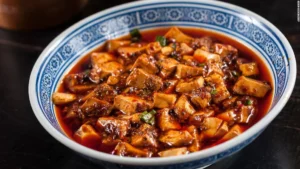
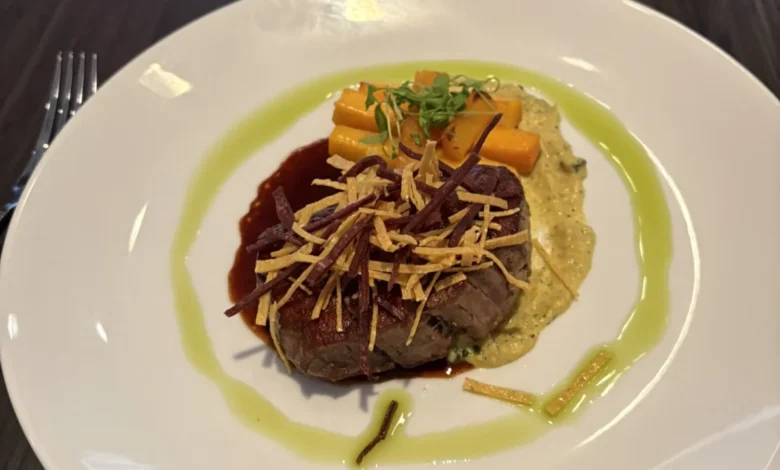
The transition from an ultra-exclusive first-class lounge to a business-class-oriented dining room necessitates a pivot in operational strategy. To accommodate a higher throughput of guests, the menus have been designed for consistency and efficiency. The current culinary offering features a rotating selection of four starters and five main courses, supplemented by a black bean burger option.
By focusing on items that utilize pre-prepared components—such as specialized purées, glazes, and pickled garnishes—the kitchen staff can maintain high service standards even during peak hours. This shift toward "reliability at scale" is a hallmark of the new approach. During recent observations of the DFW facility, food service was completed in approximately four minutes, suggesting that the kitchen workflow has been optimized for a faster, higher-volume environment.
The Wine Program: A High-End Differentiator
Despite the expansion of access, American Airlines has maintained a sophisticated, high-value wine program that rivals, and in some categories exceeds, its competitors. The airline has solidified a partnership with KHK Wines, featuring the Hillside Cabernet Sauvignon, which carries a retail value of approximately $125.
Perhaps most notable is the inclusion of Bollinger La Grande Année, a prestige cuvée with a retail price point hovering around $200. While the airline has incorporated this champagne into a signature cranberry orange spritz, industry analysts suggest that the complexity of the vintage champagne is best appreciated when served neat. The wine list also features the historic Chateau Montelena Chardonnay, a nod to the 1976 Judgment of Paris, priced at roughly $83. This selection, alongside Donum’s Carneros Pinot Noir and various European imports, demonstrates that the airline is not scaling back the quality of its beverage program even as it broadens the base of eligible guests.

Comparative Analysis: The Competitive Landscape
The U.S. airline market is currently locked in a "lounge war," with major carriers investing heavily in ground infrastructure. Delta Air Lines has taken a different route by creating dedicated Delta One Lounges, such as the expansive facility at New York’s JFK airport. These venues offer highly stylized, individualistic dining concepts, such as sushi stations and seafood-forward menus. However, Delta has chosen to charge extra for certain premium wine and spirit selections, whereas American Airlines continues to include its top-tier bottles as part of the dining experience.
United Airlines’ Polaris lounges remain the closest direct competitor to American’s Flagship Dining. United also utilizes an à la carte model with a signature burger, yet it continues to struggle with the same capacity constraints that prompted American to refine its strategy. Both carriers are navigating the tension between maintaining an exclusive, "VIP" atmosphere and serving a growing number of passengers who have paid for premium cabin access.
Logistical Challenges and Future Implications
The primary hurdle for American Airlines moving forward will be managing the wait times during the evening departure banks. As more passengers become eligible for the dining rooms, the risk of overcrowding increases. The success of this initiative will likely depend on whether the airline can maintain the quiet, professional atmosphere that once defined the space while simultaneously processing a significantly higher volume of guests.
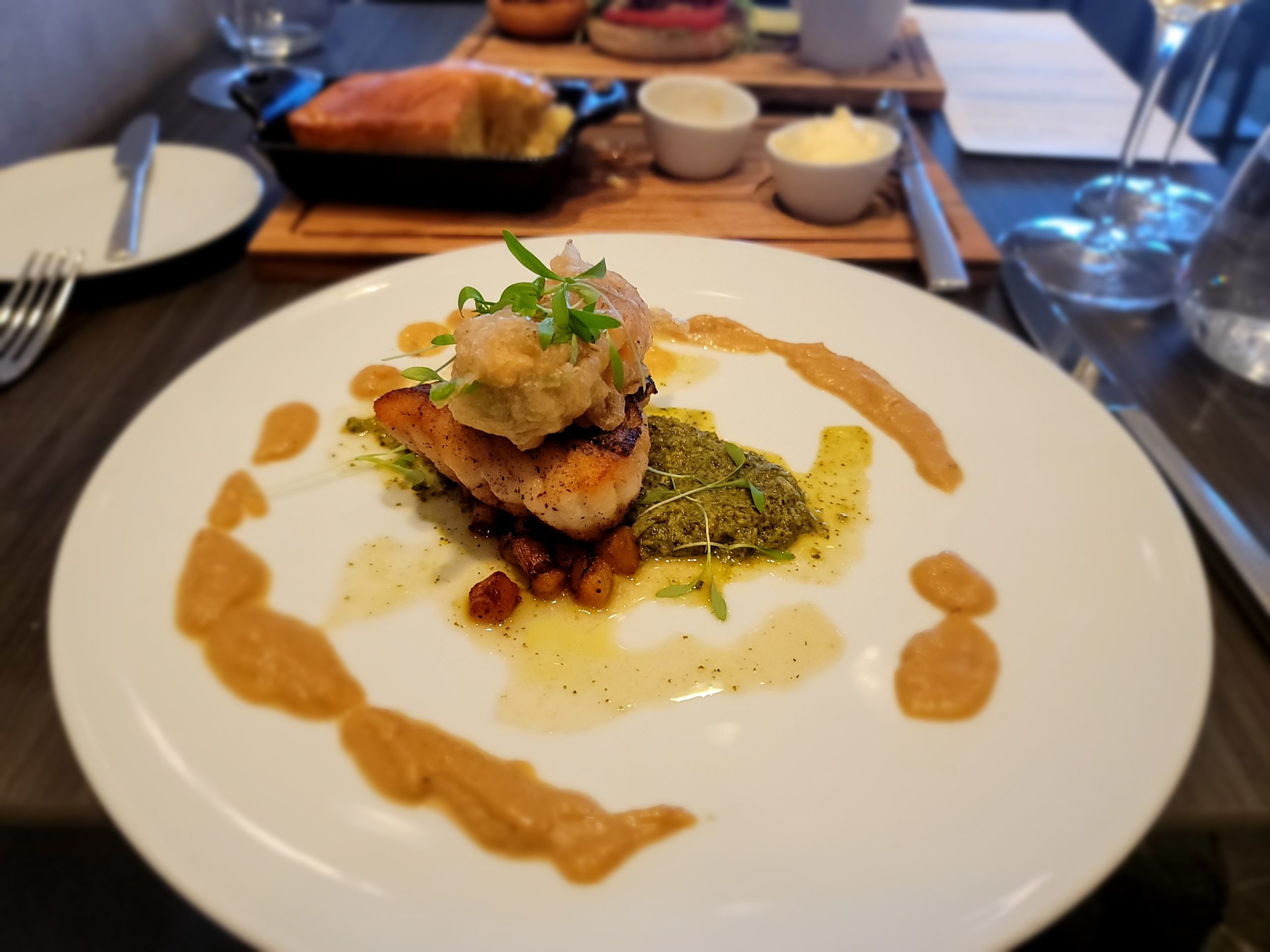
Furthermore, the regionalization of the menu—incorporating local purveyors such as STX Beef Co. and Texas Fungus—adds a layer of authenticity that helps justify the service model. By leveraging regional sourcing, the airline aims to differentiate its DFW and Miami offerings from generic airport dining, creating a sense of place that resonates with the sophisticated traveler.
Strategic Outlook
The rebranding of Flagship First Dining is more than just a nomenclature change; it is a strategic recalibration. By lowering the barrier to entry, American Airlines is effectively increasing the "soft product" value of its business class ticket. While the loss of the ultra-private, first-class-only experience may be a point of contention for some legacy frequent flyers, the broader business class demographic will likely view the access to a high-end, chef-curated menu and a $200-bottle champagne list as a significant improvement in the overall travel journey.
As the airline prepares to reopen the LAX dining room, industry observers will be watching to see if the model holds up under the pressure of international hub traffic. If successful, this hybrid approach—combining luxury wine lists with efficient, high-volume kitchen operations—could set the standard for how U.S. carriers handle premium ground services in the coming decade. The focus has shifted from serving the few to delivering a premium, reliable, and high-value experience to the many, marking a pivotal chapter in the airline’s ongoing efforts to compete in the high-stakes world of international premium travel.