When the Scalpel Decides: A Neurosurgeon’s Dilemma Over Survival, Ethics, and the Gray Areas of Modern Critical Care

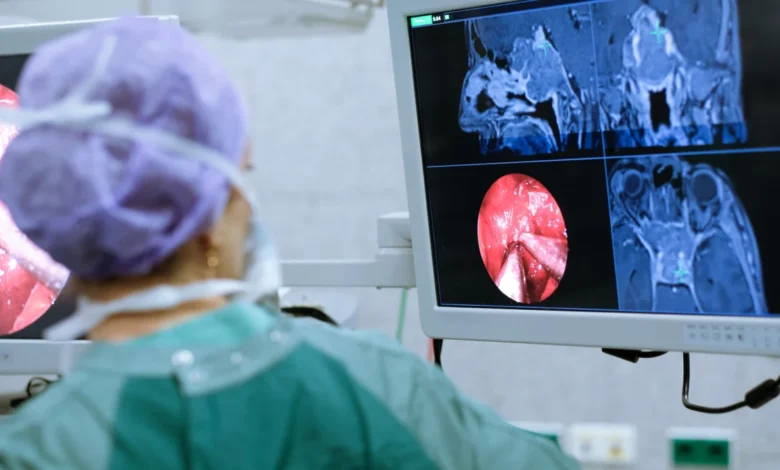
The boundaries of modern emergency medicine often force practitioners to make instantaneous decisions that balance clinical guidelines against profound moral ambiguity. For Dr. Barbara Lazio, a seasoned frontline neurosurgeon and medical educator with over two decades of experience, one such defining moment arrived in the form of a 60-year-old patient named Beau. Caught in a cascade of overlapping cardiovascular and neurological crises, Beau’s survival hung by a thread, testing the limits of surgical intervention, medical ethics, and the psychological weight borne by physicians operating in high-stakes environments.
This harrowing ordeal, detailed in Dr. Lazio’s upcoming memoir, Off the Top of My Head: Stories from the Operating Room That Will Make You Laugh (Or Cry)—slated for publication by Sourcebooks on September 22—sheds light on the often-unseen emotional and logistical complexities of critical care. Beyond the operating theater, Beau’s case raises critical questions regarding the management of multi-system trauma, the implications of insurance barriers on post-acute rehabilitation, and the enduring debate over the quality versus the mere preservation of human life.
The Cascade of Crises: From Cardiac Arrest to Traumatic Brain Injury
Beau’s medical emergency began unexpectedly when he was discovered in his hospital room in a state of acute lethargy accompanied by severe vomiting. Medical personnel immediately placed him on a mechanical ventilator to secure his airway. Prior to this presentation, Beau had already cheated death twice within a remarkably brief window.
Days earlier, he had suffered an ST-elevation myocardial infarction (STEMI)—a severe heart attack caused by the complete occlusion of a major coronary artery. Emergency cardiologists successfully intervened in the cardiac catheterization laboratory, opening the blocked vessel and temporarily restoring his stability. However, cardiovascular instability struck again just 48 hours later. Beau experienced a sudden cardiac arrest, plunging into a lethal heart rhythm, turning cyanotic, and collapsing hard onto the unforgiving linoleum hospital floor.
Resuscitation efforts successfully revived him via defibrillation. To prevent further clot formation following his cardiac events, physicians placed Beau on a regimen of blood thinners. While essential for maintaining cardiovascular patency, these medications ultimately set the stage for a catastrophic neurological complication.
When Beau collapsed, the kinetic impact against the floor tore a blood vessel situated on the surface of his brain. Unbeknownst to the care team at the time, the circulating blood thinners prevented the natural clotting process, allowing blood to steadily pool inside his cranium over the subsequent hours. The result was a massive subdural hematoma—a severe accumulation of blood that exerts immense pressure on underlying brain tissue, eventually driving Beau into a deep, unresponsive coma.
The Neurosurgeon’s Burden: Operating Without Consent
Faced with a deteriorating patient, the attending cardiologist requested an immediate neurosurgical evaluation. Dr. Lazio arrived at Beau’s bedside to find a man locked deep within unconsciousness, exhibiting nothing more than a faint, reflexive movement in his toes. A subsequent computed tomography (CT) scan confirmed the worst: a rapidly expanding subdural hematoma threatening irreversible brain herniation and death.
In standard clinical protocols, surgical intervention for acute subdural hematomas in patients with severe, unstable comorbidities carries a notoriously guarded prognosis. Statistical data compiled across neurosurgical trauma registries indicate that patients presenting with similar profiles face exceptionally high mortality rates, and those who survive frequently experience profound, long-term functional deficits.
Compounding the clinical dilemma was an administrative roadblock: Dr. Lazio needed immediate consent from next of kin to proceed with the craniotomy. However, emergency efforts to reach Beau’s only known local contact, his estranged brother Lenny, went unanswered.
Operating in what medical professionals refer to as an "oh-dark-thirty" crisis, Dr. Lazio confronted a profound ethical crossroads. Textbook guidelines offered ambiguous probabilities, providing a slim statistical chance of functional survival with surgery, and an even slimmer chance without it. With no family available to weigh in, and minutes ticking away against the relentless pressure of the hematoma, the final determination rested entirely on the surgeon’s shoulders. Choosing to deviate from rigid algorithmic guidelines in favor of human intervention, Dr. Lazio made the decision to operate.
Inside the Operating Room: The Mechanics of Decompression
The surgical procedure itself is a foundational competency in neurosurgery, executed with standardized precision. The surgical team rapidly drilled an opening through the skull, reflected the protective meningeal layers, and irrigated a large, gelatinous mass of clotted blood out of the cranial vault via suction apparatus.
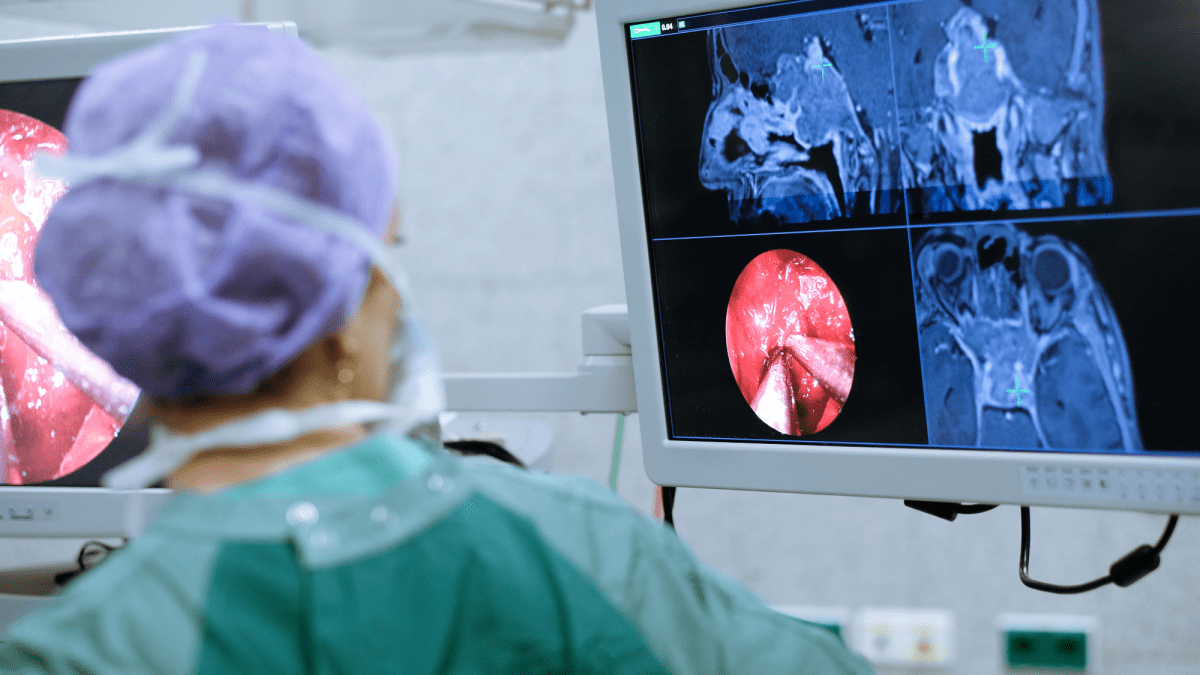
As the hematoma was evacuated, the physical relief on the brain tissue was palpable. The compressed cerebral cortex immediately expanded into the newly liberated space, a physiological rebound that neurosurgeons frequently liken to a physical sigh of relief. Dr. Lazio meticulously sutured the dura mater and secured the bone flap using titanium snowflake plates before wrapping the patient’s head in protective gauze dressings and transferring him to the intensive care unit (ICU).
Despite the technical success of the decompression, Beau’s physiological baseline remained fragile. When Dr. Lazio finally established contact with Lenny the following morning, the prognosis remained guarded, reflecting the deep disconnect between the brothers and the grim reality of Beau’s underlying systemic weakness.
The Purgatory of Recovery and the Communication Barrier
In the days following the surgery, Beau’s neurological status showed tentative signs of improvement. His level of consciousness rose sufficiently for him to communicate, though he remained tethered to a mechanical ventilator due to persistent respiratory weakness.
During routine morning rounds, Dr. Lazio engaged with the patient to assess his cognitive orientation and subjective well-being. Using a whiteboard, Beau painstakingly traced out words that delivered an emotional shockwave to the clinical team: "I want to die."
The declaration cast an immediate pall over the medical staff. It forced the surgeon to confront the darker philosophical implications of critical care medicine. Had the emergency intervention merely rescued Beau from acute death, only to deliver him into a prolonged purgatory of invasive tubes, mechanical ventilation, and physical suffering?
Beau’s hospital stay extended far beyond the operating room, culminating in a grueling six-week inpatient admission. Compounding his physical recovery were systemic healthcare hurdles; despite requiring specialized post-acute rehabilitation, Beau faced repeated rejections from regional nursing facilities and rehab centers due to insurance coverage limitations, leaving him to linger indefinitely in an acute-care hospital bed.
Miraculous Survival and Post-Acute Realities
Despite the institutional and physiological roadblocks, Beau continued to defy statistical odds. Four weeks after his craniotomy, the medical team successfully liberated him from the ventilator. His cognitive faculties cleared further, and he began regaining functional use of his left hand, which had been compromised by the initial brain compression.
In a poignant moment of recovery that underscored the unpredictable nature of trauma recovery, hospital visitors brought Beau an acoustic guitar. Propped up in his room, he played a creditable rendition of Led Zeppelin’s "Stairway to Heaven" for Dr. Lazio, eliciting tears of astonishment from the surgeon. Against the backdrop of his initial presentation, Beau’s recovery stood as a stark biological anomaly—a clinical triumph achieved against the weight of severe odds.
Several weeks later, Lenny brought Beau to Dr. Lazio’s outpatient clinic for a follow-up evaluation. Like many survivors of severe traumatic brain injury, Beau retained little conscious memory of his harrowing weeks in the ICU or the grueling days of early intervention. While he was no longer capable of returning to gainful employment, he had achieved a degree of functional independence, managing to live on his own and operate a motor vehicle.
During the appointment, Dr. Lazio revisited the painful memory of the whiteboard message, directly asking Beau whether he ultimately regretted the life-saving intervention. After a moment of quiet reflection, Beau offered a definitive, sheepish resolution: "Yeah. I’ve been meaning to thank you."
Broader Implications for Critical Care and Medical Ethics
The documented case of Beau and Dr. Lazio highlights ongoing debates within bioethics and healthcare administration regarding the boundaries of emergency intervention. As medical technology advances, physicians are increasingly equipped to reverse acute physiological failure, yet systemic structures—such as post-acute insurance denials and fragmented family support networks—frequently complicate the long-term quality of life for survivors.
Medical ethicists note that narratives like Lazio’s emphasize the necessity of transparent communication between clinicians, patients, and families regarding the potential burdens of aggressive life-prolonging treatments. At the same time, the story underscores the profound human element of medical practice, where standardized guidelines must frequently yield to individual clinical intuition, moral courage, and the unpredictable resilience of the human body.