Saudi Arabia enters the automotive era with the launch of Ceer as the kingdom’s first domestic electric vehicle manufacturer

King Abdullah Economic City, Saudi Arabia—In a historic shift for the Middle Eastern industrial landscape, Saudi Arabia has officially inaugurated its first domestic automotive brand, Ceer. This venture, established as a strategic partnership between the Saudi Public Investment Fund (PIF) and the global electronics manufacturing giant Foxconn, represents a pivotal milestone in the Kingdom’s Vision 2030 initiative. By moving from a resource-dependent economy to one centered on high-tech manufacturing and sustainable mobility, the Saudi government is signaling a radical transformation of its industrial identity.
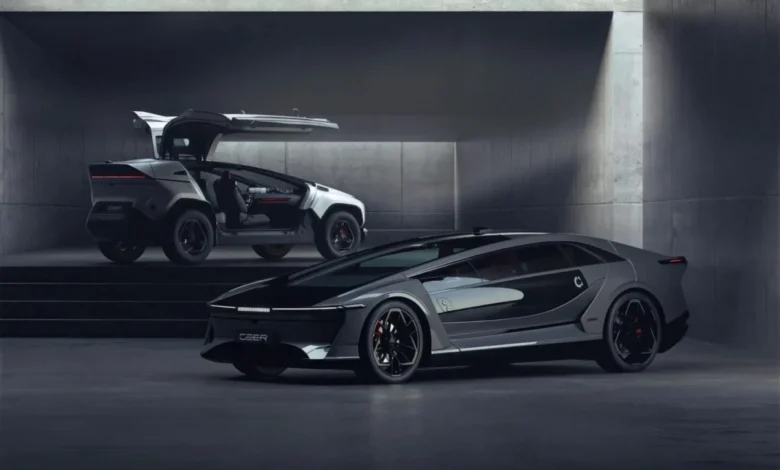
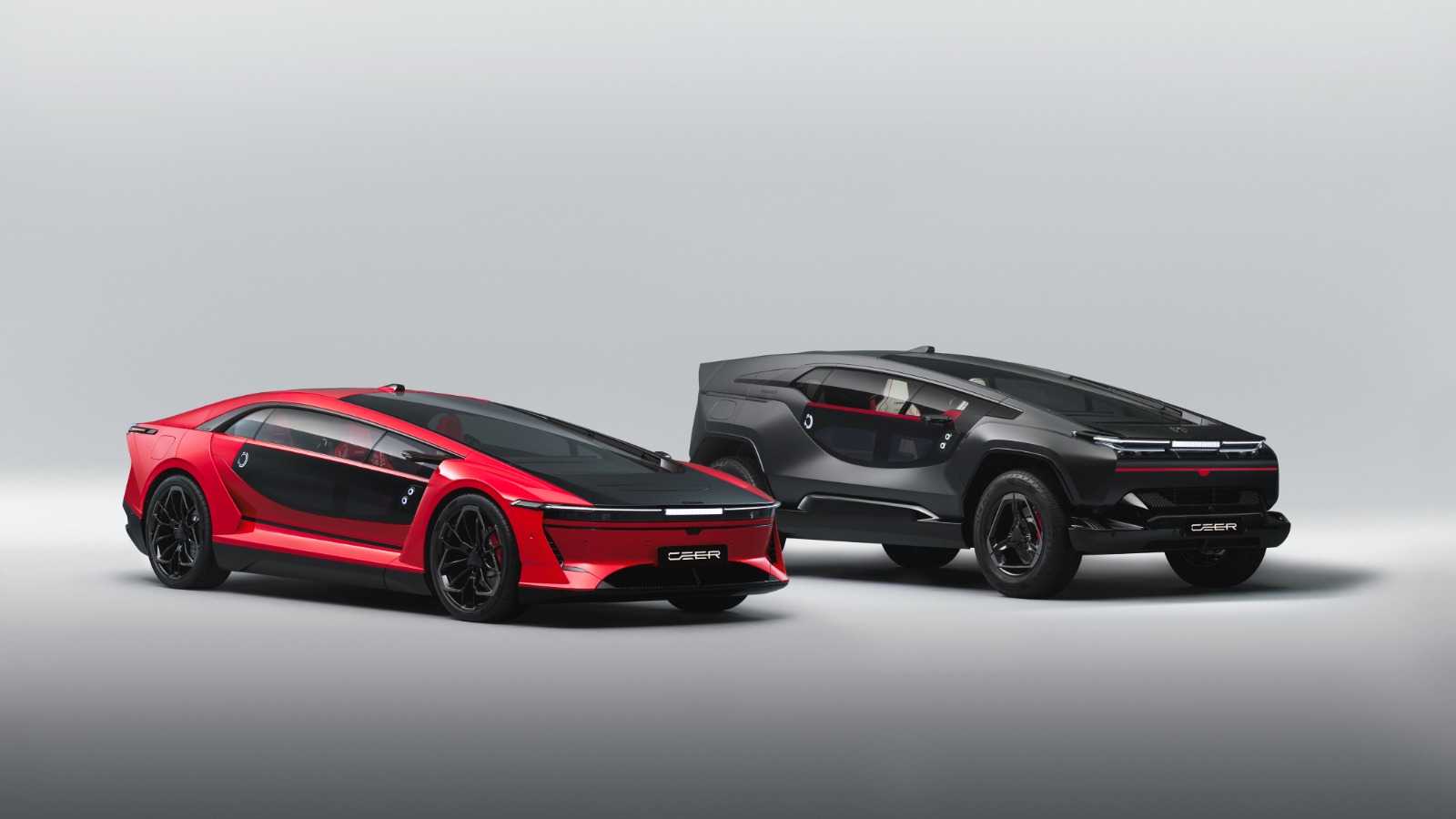
The name Ceer, which translates from Arabic to "drive forward," encapsulates the company’s dual mission: to produce world-class electric vehicles (EVs) and to anchor a new, high-tech manufacturing sector within the Kingdom. The debut of the company’s flagship prototypes, the Exobot sedan and the Exobot SUV, provides a tangible look at the design language and engineering capabilities that will define the brand’s trajectory over the next decade.
A Chronology of Industrial Ambition
The formation of Ceer did not occur in a vacuum; it is the culmination of years of deliberate economic planning. Following the announcement of Vision 2030, the PIF began scouting international partners capable of providing the technological scaffolding for a modern car company. The collaboration with Foxconn—known for its mastery of large-scale electronics and its growing interest in the automotive sector—was finalized to bridge the gap between traditional automotive manufacturing and the software-defined vehicle era.
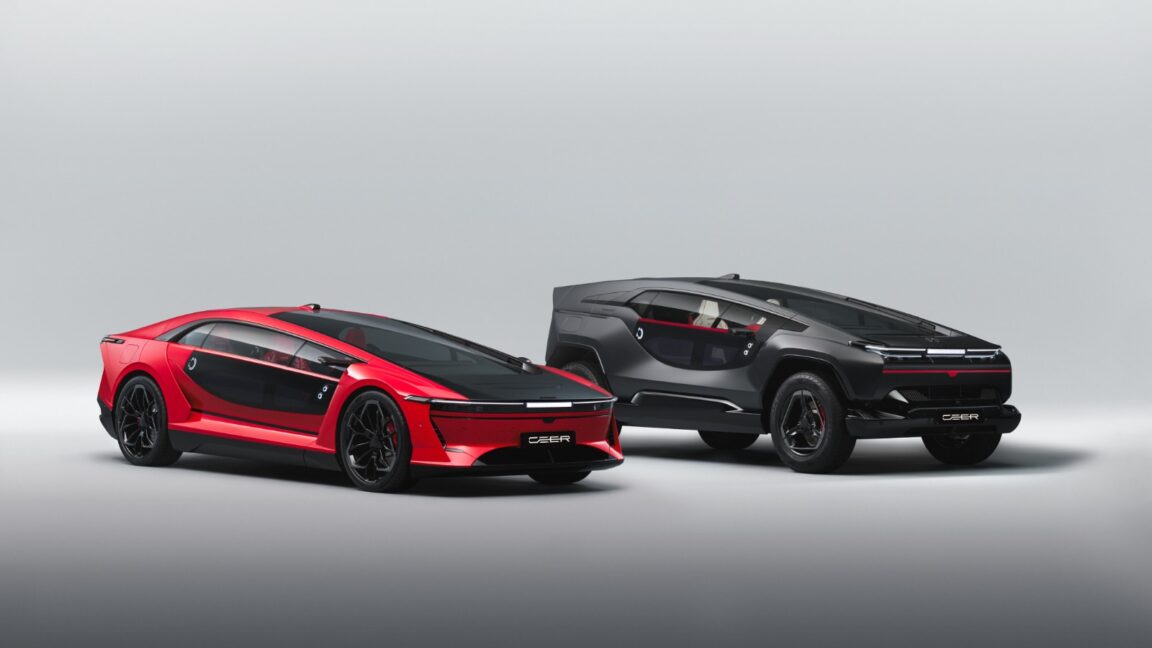
The development timeline is aggressive. With the official reveal of the Exobot platform in September 2026, the company has set a roadmap that targets a seven-vehicle portfolio by 2030. This strategy includes a mix of battery-electric vehicles and hybrid powertrains, aiming to capture a broad demographic of consumers across the Gulf Cooperation Council (GCC) region. While immediate operations are focused on domestic demand, the underlying architecture of the Exobot line is designed to meet international homologation standards, leaving the door open for potential expansion into European and North American markets should the company’s production scale and quality prove competitive.
Engineering the Future: The Exobot Platform
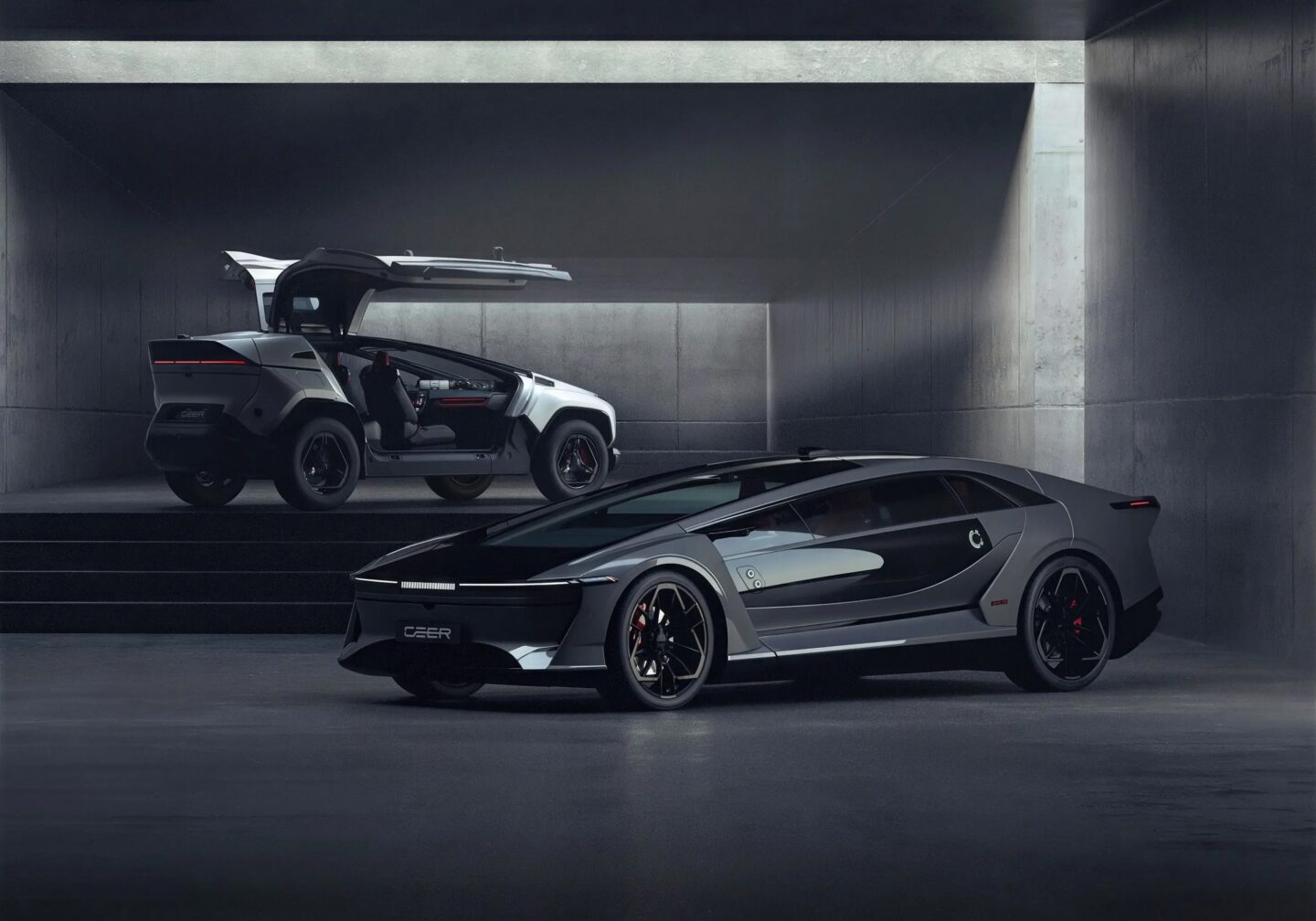
The Exobot vehicles are designed to challenge the aesthetic and functional norms of the modern EV market. Both the sedan and the SUV utilize advanced "Shahin Wing" doors, a design choice that adds a dramatic flair to the flagship lineup. More than just an aesthetic statement, these doors have been engineered to function within standard parking parameters, minimizing the spatial requirements often associated with vertical-opening systems.
Under the skin, Ceer has opted for a sophisticated 800-volt electrical architecture, allowing for rapid charging capabilities that rival the current industry leaders. The vehicles are equipped with a 112-kWh battery pack, designed to provide a range between 310 and 373 miles, depending on the model and testing parameters. This performance is managed by a tri-motor drivetrain that incorporates torque vectoring, enabling the sedan to achieve a 0-62 mph acceleration time of approximately 2 seconds.
A standout feature is the "Halo" cooling system, a specialized cabin climate control solution designed to mitigate the extreme heat of the Arabian Peninsula. By creating a thermal barrier between the vehicle’s roof and the passengers’ heads, Ceer aims to maintain cabin comfort while reducing the overall energy load on the HVAC system. Furthermore, the integration of electrochromatic glass in the lower portions of the doors allows for adjustable visibility, a practical innovation for desert driving conditions.
Strategic Integration and Technological Philosophy
Unlike many startups that struggle with the "user experience" aspect of modern vehicles, Ceer has prioritized a hybrid approach to controls. While the dashboard features a massive 48-inch digital instrument cluster and a custom infotainment system inspired by the architecture of Riyadh, the company has retained physical interfaces for critical functions such as climate control and volume. This decision acknowledges a growing industry trend toward balancing digital innovation with ergonomic efficiency.
CTO Markus Leitner emphasized in recent briefings that Ceer’s competitive advantage lies in the integration of hardware and software. "Everyone has triple motors, torque vectoring, and air suspension," Leitner noted. "What we do better is the synthesis of these technologies to deliver a superior driving experience." To this end, the company has confirmed full support for Apple CarPlay and Android Auto at launch, ensuring that the vehicles remain compatible with the digital ecosystems that consumers already rely on.
The Economic Engine: King Abdullah Economic City
The manufacturing heart of Ceer is located in the King Abdullah Economic City (KAEC), a massive industrial hub located north of Jeddah. The facility is not merely an assembly plant; it is designed as an integrated automotive ecosystem. By stationing key suppliers in close proximity to the factory, Ceer aims to localize the supply chain, thereby reducing logistics costs and creating a domestic automotive cluster.
The socioeconomic implications of this project are substantial. The PIF has projected that the enterprise will create approximately 35,000 direct and indirect jobs by 2034. This aligns with the broader goals of Vision 2030 to reduce unemployment and foster a local workforce capable of high-tech manufacturing. The "Saudi Made" branding initiative is also a central component of this strategy, intended to cultivate national pride and build trust in domestic goods.
Analysis: Can Ceer Succeed Where Others Have Stumbled?
The automotive industry is notoriously capital-intensive and fraught with failure, as seen in the recent volatility of other EV startups like Fisker. However, Ceer occupies a unique position. Unlike independent startups, Ceer is fully owned by the PIF, providing it with the long-term financial runway necessary to navigate the difficult transition from prototype to mass production.
Furthermore, the leadership team—led by CEO James Deluca, a former General Motors executive—possesses deep experience in global automotive manufacturing. This institutional knowledge is critical for managing the complexities of vehicle validation, quality control, and large-scale manufacturing. The company’s focus on the domestic market provides a controlled environment to refine its products before attempting the more saturated and competitive international markets.
The success of Ceer will ultimately hinge on two factors: cost-competitiveness and the ability to scale production to meet the ambitious seven-vehicle target. While the current flagship models serve as aspirational vehicles, the company’s long-term viability will depend on its ability to produce more affordable, mainstream models that can compete with established international brands currently dominating the Saudi market.
As the Kingdom prepares to launch its first vehicles into the hands of consumers, the broader global automotive industry is watching. Ceer represents more than just a new car company; it is an experiment in industrial diversification. If successful, it could turn Saudi Arabia into a significant player in the global EV supply chain, proving that a country once defined by the extraction of oil can also lead in the technology of the future. The road ahead is long, but for a nation that has consistently moved to defy expectations under its current leadership, the drive has only just begun.