Austin Abrams and the Reinvention of Horror: A Deep Dive into the Resident Evil Reboot Success and the Actor’s Meteoric Rise

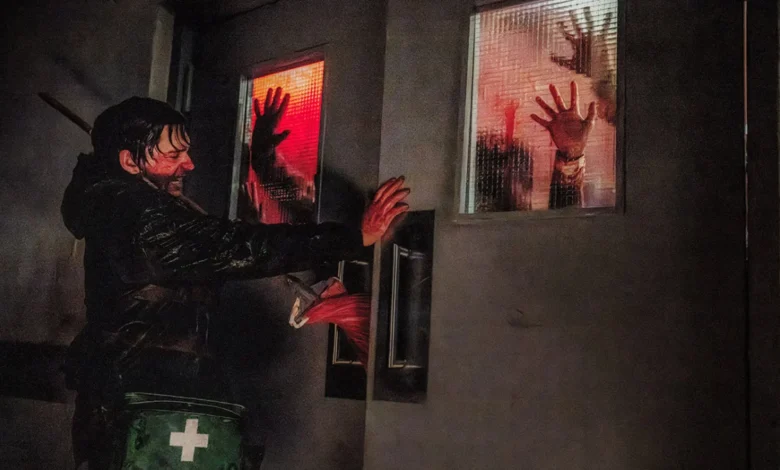
The cinematic landscape of 2026 has been defined by a singular, visceral shift in the horror genre, anchored by the runaway success of director Zach Cregger’s Resident Evil reboot. Starring Austin Abrams as the beleaguered medical courier Bryan, the film has shattered franchise records, earning $60 million in its opening three-day weekend. This milestone is not merely a triumph of box office metrics but a significant pivot in how legacy intellectual properties are being adapted for a modern, irony-sensitive audience. Abrams, whose career has evolved from supporting roles to leading-man status, has become the face of this transition, delivering a performance that eschews traditional action-hero bravado in favor of a raw, desperate realism.
The Path to Raccoon City: A Chronology of Collaboration
The professional partnership between Zach Cregger and Austin Abrams is a testament to the unpredictable nature of film production. Following the breakout success of Cregger’s 2022 hit Barbarian, the director found himself in high demand. However, the 2023 strike-related industry shutdowns threatened to derail his follow-up project, Weapons. While the initial cast list for that project faced scheduling conflicts, Abrams remained steadfast in his commitment to the director.

Abrams’ loyalty proved to be a pivotal career decision. His role as an unhoused thief in Weapons earned critical acclaim and eventually contributed to a best supporting actress Oscar win for co-star Amy Madigan. This creative synergy paved the way for the Resident Evil project. The production timeline was notoriously tight; following the wrap of his survival thriller Whalefall—directed by Brian Duffield—Abrams moved almost immediately into pre-production for Resident Evil in Prague. This back-to-back schedule of high-intensity physical roles has solidified Abrams’ reputation as one of the industry’s most disciplined genre performers.
Anatomy of a Box Office Record
The $60 million opening weekend for Resident Evil stands as the highest-grossing debut in the long-running franchise’s history. Analysts point to several factors for this performance. First, Cregger’s reputation as a top-tier genre filmmaker has attracted a crossover audience—those who appreciate the technical craft of horror beyond mere jump scares. Second, the marketing strategy shifted away from traditional game-adaptation tropes, focusing instead on the grounded, human-centric narrative of a courier caught in a global catastrophe.
Data suggests that audience engagement with this iteration is significantly higher than previous entries. Exit polling indicated that viewers particularly connected with the "everyman" quality of Abrams’ character. Unlike previous protagonists who were often elite soldiers, Bryan’s lack of specialized combat training created a tension that resonated with younger demographics. This aligns with a broader trend in horror, where vulnerability is increasingly valued over the "invincible hero" archetype of the 1990s and 2000s.

The Tragedy of the Modern Protagonist
The narrative structure of Cregger’s film serves as a subversion of the typical zombie origin story. The film follows Bryan, a medical courier delivering a neutralizing base to Raccoon City General, as he navigates the initial stages of a T-virus outbreak. The tragedy of the film lies not just in the viral spread, but in the personal arc of the character.
Throughout the film, Bryan is caught in a cycle of failed communication with his pregnant girlfriend, Michelle. The audience watches him grapple with the prospect of fatherhood, moving from initial denial to a profound, heart-wrenching realization of his desire to build a family. The climax of the film—in which he delivers the cure only to succumb to the infection before it can be administered—is a departure from standard genre endings. In an era where test screenings often pressure studios to "soften the blow" of tragic conclusions, Cregger’s commitment to this bleak, thematic finale has been noted by critics as a bold, necessary creative risk.
The "Everyman" Approach to Horror

Abrams’ performance is notable for its rejection of vanity. He utilizes a range of reactions, including genuine terror and what he describes as "real-world" panic, rather than the calculated cool of traditional leads. In interviews, Abrams has expressed that the goal was to portray how an average person would react to the supernatural—a concept reminiscent of the grounded approach seen in films like Shaun of the Dead, albeit with a darker, more tragic tone.
This commitment to realism extended to the physical production. Behind-the-scenes reports confirm the intensity of the shoot, including a notable incident involving a 150-pound blood bag that narrowly missed the actor during a sequence in a tunnel filled with abandoned vehicles. Abrams downplays the danger, focusing instead on the necessity of the practical effects to maintain the film’s atmosphere of constant, impending threat.
The Implications of Video Game Narratives
A recurring theme in the film is the role of gaming in modern survival. During a critical moment in the climax, the character explicitly credits his survival to his experience with video games. This serves as both a meta-commentary and a potential counterargument to the historical stigmatization of gaming as a catalyst for violence.

While director Zach Cregger has remained coy about whether this is a formal statement, the implication is clear: the current generation has spent thousands of hours learning complex problem-solving and navigation within digital environments. By placing these skills in a life-or-death context, the film suggests that these experiences have practical applications that traditionalist perspectives often overlook.
The Broader Impact: Genre Filmmaking in 2026
The success of Resident Evil and the impending release of Whalefall on October 16 position Austin Abrams at the forefront of a new wave of horror actors. His work is characterized by an ability to anchor high-concept, often absurd scenarios in emotional truth. The industry’s reliance on "safe" sequels and remakes is currently being challenged by films that prioritize director-driven visions and unconventional emotional stakes.
Industry analysts suggest that the "Cregger effect"—a preference for visceral, original, yet genre-aware storytelling—will influence studio acquisitions for the next fiscal year. By effectively killing off a beloved protagonist, the film demonstrates that audiences are not only receptive to, but hungry for, stories that carry genuine emotional weight and consequence.

Looking forward, Abrams has expressed a desire to seek roles that provide a "soothing" contrast to the relentless intensity of his recent projects. However, given his current trajectory and the critical reception of his work, it is likely that he will continue to be the primary choice for projects that demand high emotional output and physical endurance.
Ultimately, the Resident Evil reboot serves as a case study in how to revitalize a legacy franchise. By stripping away the bloated lore and focusing on the intimate, often devastating journey of a single individual, the production team has created a cinematic experience that feels both timely and timeless. As the industry continues to evaluate the success of this model, the performances of actors like Abrams will remain central to the ongoing evolution of horror cinema. The film is currently playing in theaters nationwide, continuing its strong run and reinforcing the idea that sometimes, the most effective horror is found in the simple, tragic reality of a life cut short by circumstances beyond one’s control.
Related posts: