In a significant pivot regarding his administration’s trade policy, President Trump announced on Friday a targeted reduction in tariffs on a specific range of Canadian imports essential to Maine’s agricultural sector. The move, enacted via a formal White House proclamation, provides immediate relief to producers who rely heavily on cross-border supply chains. The decision comes less than two weeks before the November general election, positioning the policy shift as a pivotal moment in the reelection campaign of Republican Senator Susan Collins, who has been navigating a high-stakes contest in the blue-leaning state of Maine.
The Scope of the Tariff Adjustment
The White House proclamation specifically removes 50% duties on a variety of goods that have become integral to Maine’s rural economy. Among the items granted exemptions are corrugated cardboard boxes, shipping crates, specialized plastic sacks, agricultural packing machinery, commercial refrigeration equipment, and harvested seaweed.
For many farmers in Maine, these items are not merely conveniences but necessities. The state’s iconic wild blueberry industry, for instance, relies on specialized Canadian-made harvesting and packaging materials. Similarly, Maine’s potato and apple growers have frequently cited the lack of domestic alternatives for specific, high-durability shipping containers and processing equipment.
However, the administration’s trade policy remains aggressive. To offset the revenue impact and maintain the pressure of the overarching trade strategy, the White House simultaneously imposed new 50% tariffs on several other Canadian product categories. The newly impacted goods include shampoos, vinyl flooring, wooden coffins, various carpet grades, and window-unit air conditioners.
Chronology of the Trade Dispute
The current friction in U.S.-Canada trade relations dates back to late August 2026, when negotiations between Washington and Ottawa collapsed. Following the failure of these talks, the Trump administration moved to impose a 50% tariff on billions of dollars worth of Canadian imports, citing what the President described as "unfair and predatory trade practices."
Canada, a country that shares the world’s longest undefended border with the United States and serves as its largest trading partner, responded swiftly. The Canadian government implemented its own retaliatory tariffs on a suite of U.S. exports, creating a cycle of protectionism that has impacted industries ranging from manufacturing to timber.
The timeline of the dispute has been marked by:
- Late August 2026: Failure of trade talks leads to the imposition of a 50% tariff on a broad array of Canadian goods.
- September 2026: Retaliatory measures from Canada target U.S. goods, increasing cost-of-living concerns in border states.
- Early October 2026: Senator Susan Collins and her Democratic challenger, Troy Jackson, clash during a debate over the economic impact of these tariffs on Maine’s small businesses.
- Late October 2026: White House issues a proclamation granting targeted relief to agricultural sectors following private lobbying efforts by Senator Collins.
Economic Context and Political Implications
Maine occupies a unique position in the U.S. trade landscape. With a significant portion of its economy reliant on the movement of goods across the Canadian border, the state is disproportionately affected by protectionist trade wars. Senator Collins, a veteran legislator seeking a sixth term, has consistently attempted to thread a difficult needle: maintaining loyalty to her party’s leadership while advocating for the localized economic interests of her constituents.
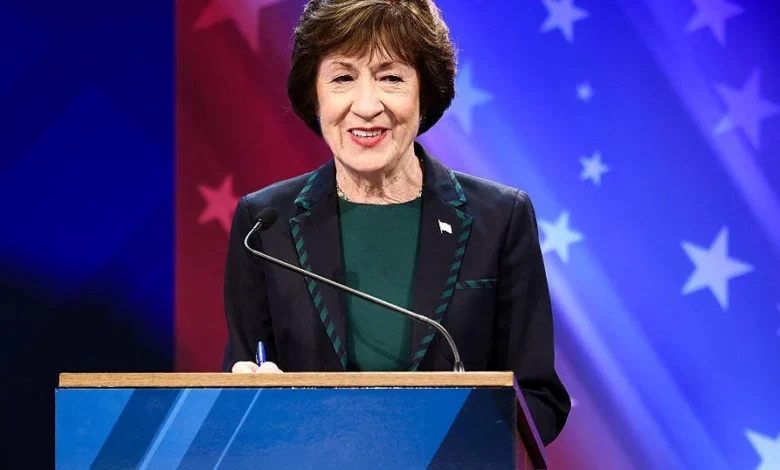
During a debate earlier this month, Collins signaled her frustration with the blanket nature of the tariffs. "Canada is not China," she remarked, emphasizing the deep historical and economic integration between the two nations. "It is our neighbor, our friend, our closest ally, and our biggest trading partner." Her strategy has focused on "behind-the-scenes" diplomacy, successfully securing previous exemptions for industrial items like road salt and wood pulp.
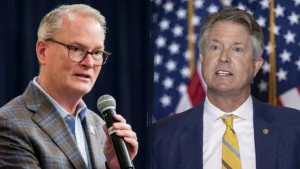
However, the political opposition has been vocal in their critique. Representative Richard Neal, the ranking Democrat on the House Ways and Means Committee, characterized the move as a transparently political maneuver. "After attacking Canada and crushing the American people, I can’t think of a more desperate admission of failed trade policy than temporarily lowering tariffs on select products to favor a political ally 11 days before an election," Neal said in a statement. He further argued that the decision underscores a lack of a coherent trade strategy, suggesting that the administration is prioritizing electoral outcomes over stable international commerce.
Analysis of Trade Strategy
The broader implications of this policy shift suggest a move toward "surgical protectionism." By selecting specific, high-impact items for relief, the administration attempts to minimize the domestic political blowback of its trade war while continuing to signal a "tough on trade" stance.
Economists warn that this approach introduces significant market volatility. When businesses cannot predict whether an item will be subject to a 50% tariff from month to month, long-term capital investment stalls. For a farmer in Aroostook County, the uncertainty regarding the cost of a crate or a refrigeration unit can dictate the profitability of an entire harvest season.
Furthermore, the "manufactured chaos" described by critics refers to the administrative burden placed on customs brokers and logistics companies. Constant adjustments to tariff schedules require businesses to reclassify goods and navigate complex regulatory hurdles, which often leads to "hidden costs"—the administrative fees and legal expenses required to ensure compliance with the ever-shifting White House proclamations.
Reactions from the Field
The reaction from Maine’s agricultural community has been one of cautious relief. Many growers had been bracing for a third quarter of suppressed margins due to the inflated costs of packaging materials. With the harvesting season ongoing, the ability to import Canadian equipment without the 50% surcharge will likely provide a necessary liquidity injection for many small-to-medium-sized operations.
Conversely, labor advocates and Democratic organizers are framing the exemptions as "too little, too late." Troy Jackson, in his ongoing campaign, has repeatedly highlighted that the exemptions do not address the broader inflationary pressures caused by the tariffs. "We can’t eat road salt," Jackson quipped during the October debate, arguing that while the specific agricultural exemptions are welcome, the overall tariff regime remains a net negative for the average Maine family that is now paying more for consumer goods like flooring and air conditioning units.
Looking Ahead
As the November election approaches, the tariff issue serves as a microcosm of the broader national debate on globalization. The Trump administration maintains that the pain of these tariffs is a necessary price for recalibrating a trade relationship that they believe has historically disadvantaged American workers.
For Senator Collins, the success of her lobbying efforts will be put to the test at the ballot box. Whether the electorate views the exemptions as a successful exercise in pragmatic, local governance or as a late-stage election-year "stunt" remains to be seen. As the administration continues to monitor the impact of its trade policy, the focus will likely shift to how these duties affect the broader North American supply chain in the first quarter of 2027. For now, Maine’s farmers have their reprieve, but the future of U.S.-Canada trade remains as uncertain as the political landscape of the state itself.