India-Canada Screen Industry Corridor Takes Shape as NFDC, SASC Sign Pact at Toronto Market

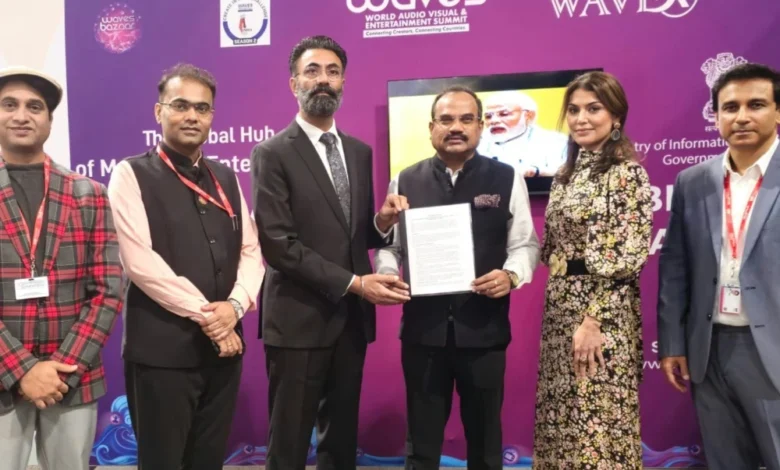
In a landmark development for the international film community, India’s National Film Development Corporation (NFDC) and the South Asian Screen Council (SASC) of Canada have officially entered into a Letter of Intent (LOI) to foster a deeper, more integrated pipeline between the two nations’ screen industries. The agreement was formalized during the Toronto International Film Festival (TIFF) market, a premier global event that serves as a critical nexus for international co-production, distribution, and talent acquisition. By establishing this formal framework, both organizations aim to dismantle systemic barriers that have historically kept independent Indian cinema and Canadian screen talent working in silos, effectively creating a "two-way bridge" for cultural and commercial exchange.
The signing ceremony, held against the bustling backdrop of TIFF, was attended by key stakeholders, including the Consul General of India in Toronto, high-level representatives from the NFDC, executives from SASC Canada, and senior delegates from the TIFF organization. This high-profile endorsement underscores the strategic importance both nations place on the creative economy as a vehicle for soft power and economic growth.
A Chronology of Collaboration and Market Entry
The genesis of this partnership lies in the evolving nature of the global film market, which has increasingly favored cross-border co-productions as a means to mitigate financial risk and broaden audience demographics. Over the past decade, the relationship between India and Canada has seen steady growth in film-related initiatives, though these were often fragmented.
The chronology of this specific initiative began with preliminary discussions between the NFDC and SASC earlier this year, recognizing that the sheer volume of content produced in India—the world’s largest producer of films—required a more structured entry point into the North American market. SASC Canada, acting as an umbrella organization that oversees major cultural pillars such as the International Film Festival of South Asia (IFFSA) Toronto, identified a clear need for a centralized conduit to facilitate the export of Indian storytelling.
Following months of dialogue, the two organizations converged at TIFF to formalize their cooperation. The immediate next phase of this timeline involves the integration of select NFDC-backed projects into SASC’s existing professional development platforms. This is not merely a symbolic gesture; it is a tactical operational shift that allows Indian filmmakers to tap into SASC’s established network of Canadian financiers, distributors, and technical partners.
Supporting Data: The Value of the South Asian Screen Ecosystem
The potential impact of this partnership is best understood through the lens of the current market data. Canada is home to one of the largest and most influential South Asian diasporas globally, with over 2.6 million Canadians identifying as having South Asian ancestry, according to recent Statistics Canada data. This demographic is not only a massive consumer base but also an increasingly significant talent pool in the Canadian creative sector.
The NFDC, as the primary agency under the Ministry of Information and Broadcasting in India, carries the weight of a nation that produces over 1,500 films annually across multiple languages. Despite this, international distribution often relies on intermittent festival runs. By plugging into SASC’s ecosystem—which includes the South Asian Screen Office of Canada—the NFDC gains a sustainable mechanism for long-term engagement.
Furthermore, the Canadian film industry has seen a rise in "cultural diversity mandates" from government bodies like Telefilm Canada and the Canada Media Fund. This creates a fertile environment for content that bridges Indian and Canadian sensibilities. The SASC’s involvement provides the necessary "local knowledge" for Indian producers to navigate the complexities of Canadian tax credits, labor unions, and exhibition regulations, which are notoriously difficult for foreign entities to penetrate without local guidance.
Official Responses and Strategic Vision
The leadership from both sides emphasized that the agreement is less about traditional distribution and more about structural integration. Sunny Gill, president of SASC Canada, characterized the deal as an evolutionary step for the industry. "This collaboration is about building a practical two-way bridge between Canada and India," Gill noted during the signing. "It creates stronger pathways for Indian filmmakers and stories to be discovered and engaged within Canada, while opening new connections to India’s industry and market for Canadian storytellers. For us, the opportunity is to build a more connected screen ecosystem where talent, projects and industry relationships can move in both directions."
Prakash Magdum, managing director of the NFDC, echoed these sentiments, framing the partnership as a vital expansion of India’s international outreach. "NFDC has always been about creating meaningful opportunities for Indian stories and filmmakers to connect with the global industry," Magdum stated. "This collaboration with SASC Canada creates a focused pathway into the Canadian market, giving filmmakers greater access to festivals, industry partners, and audiences while expanding the international reach of their work."
These statements highlight a shared recognition that the future of cinema is increasingly digital and borderless. By formalizing this relationship, the NFDC and SASC are moving toward a model where intellectual property (IP) developed in India can be co-produced with Canadian entities, thereby qualifying for Canadian domestic content status and reaching a broader, more diverse international audience.
Broader Implications for the Global Film Market
The implications of this agreement extend far beyond the immediate projects that will be facilitated by the LOI. In the current global climate, where streaming platforms have made "world cinema" a highly sought-after commodity, the ability to curate and export content effectively is a significant competitive advantage.
- Market Access and Co-production: The most significant implication is the potential for increased co-production activity. Canada and India have a longstanding co-production treaty, but its utilization has been inconsistent. This new partnership provides the administrative and networking muscle to actually execute projects under the treaty’s guidelines, which offer significant financial and legal advantages to participating filmmakers.
- Professional Development: Beyond the finished film, the partnership emphasizes the exchange of human capital. SASC’s mandate includes talent development, meaning that emerging Indian filmmakers may gain opportunities to participate in Canadian labs, workshops, and mentorship programs, and vice versa. This cross-pollination of creative methodology is likely to result in a new wave of hybrid cinema that resonates with both Eastern and Western sensibilities.
- Institutional Stability: By anchoring this initiative in a formal Letter of Intent between two national-level entities, the project gains a layer of stability that is often missing from independent partnerships. Even if individual leadership changes, the institutional framework remains, ensuring that the pipeline for cultural exchange stays open.
Conclusion: A New Chapter in Transnational Cinema
As the industry looks toward the next cycle of film development, the NFDC-SASC alliance stands as a model for how national agencies can adapt to a globalized media landscape. By focusing on the "screen ecosystem" rather than just individual film releases, the partners are building a sustainable infrastructure for the future.
The Toronto International Film Festival has once again proven to be more than just a red-carpet event; it has served as the launchpad for a substantive, long-term strategic partnership that promises to redefine the relationship between two of the world’s most vibrant film industries. As the pipeline begins to fill with collaborative projects, the real test will be the quality and reach of the stories produced. However, with the backing of both the NFDC and the SASC, the foundation is now firmly in place, signaling a new era of cooperation that could set a precedent for similar bilateral agreements across the globe.
Related posts: