Fat Bear Week 2026 Round 1 Updates: Heavyweights Fall and Voting Schedules Shift at Katmai National Park

The annual celebration of ursine girth and survival, Fat Bear Week, has officially returned to the digital stage, drawing unprecedented global attention to the thriving brown bear population of Alaska’s Katmai National Park and Preserve. What began as a local contest to highlight the ecological health of the Brooks River ecosystem has transformed into a massive international phenomenon, engaging millions of voters worldwide. However, the 2026 tournament has already encountered notable hurdles, including technical overloads, schedule adjustments, and major upsets that have eliminated reigning champions early in the competition.
Main Facts and Tournament Standings
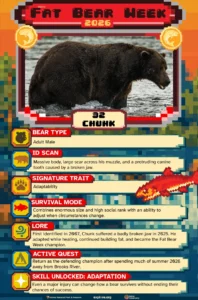
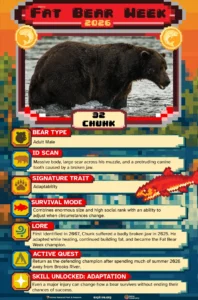
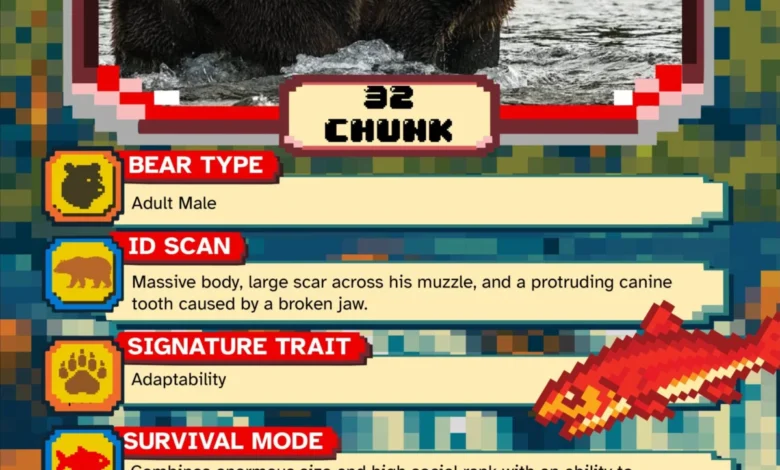
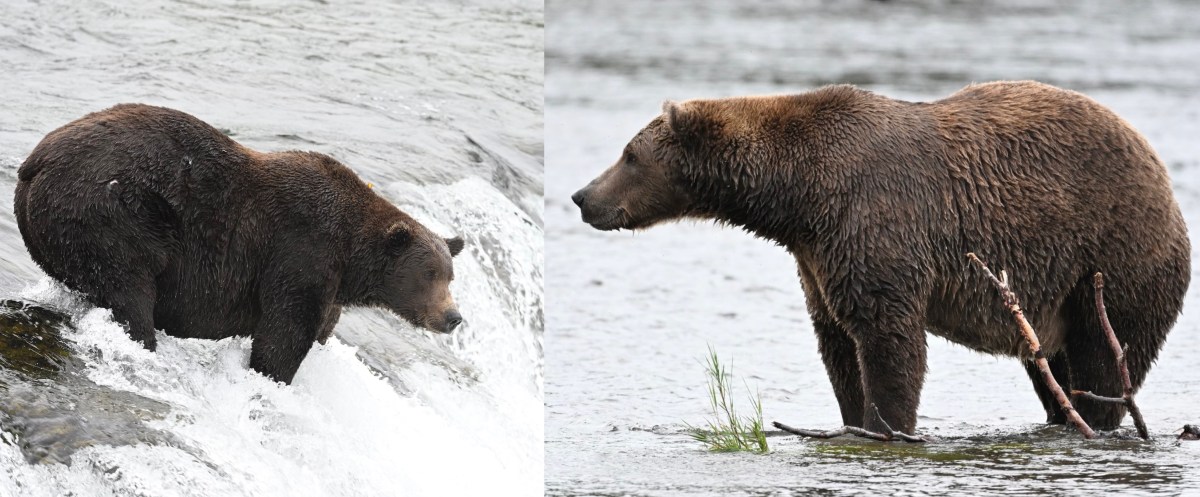
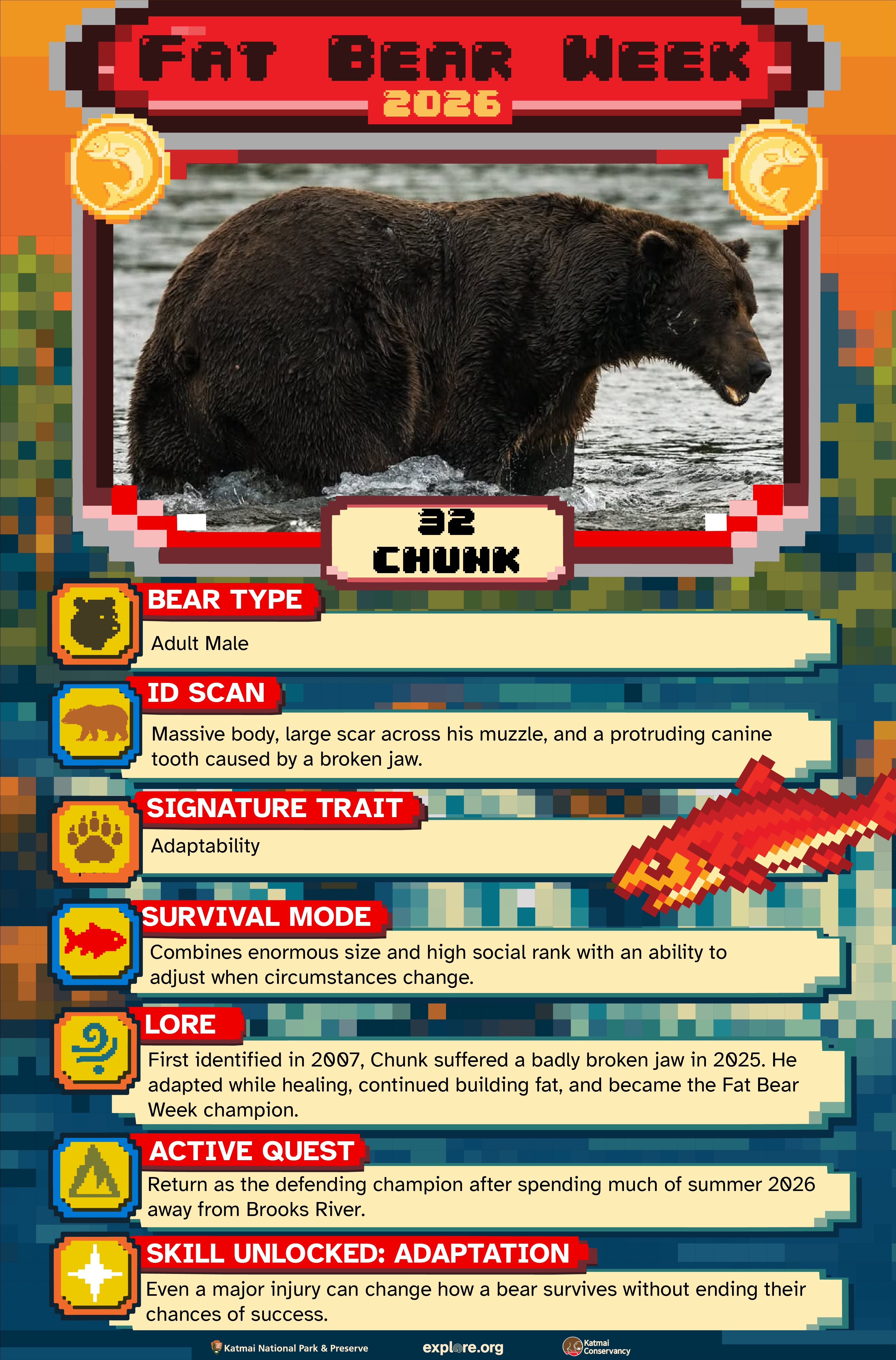
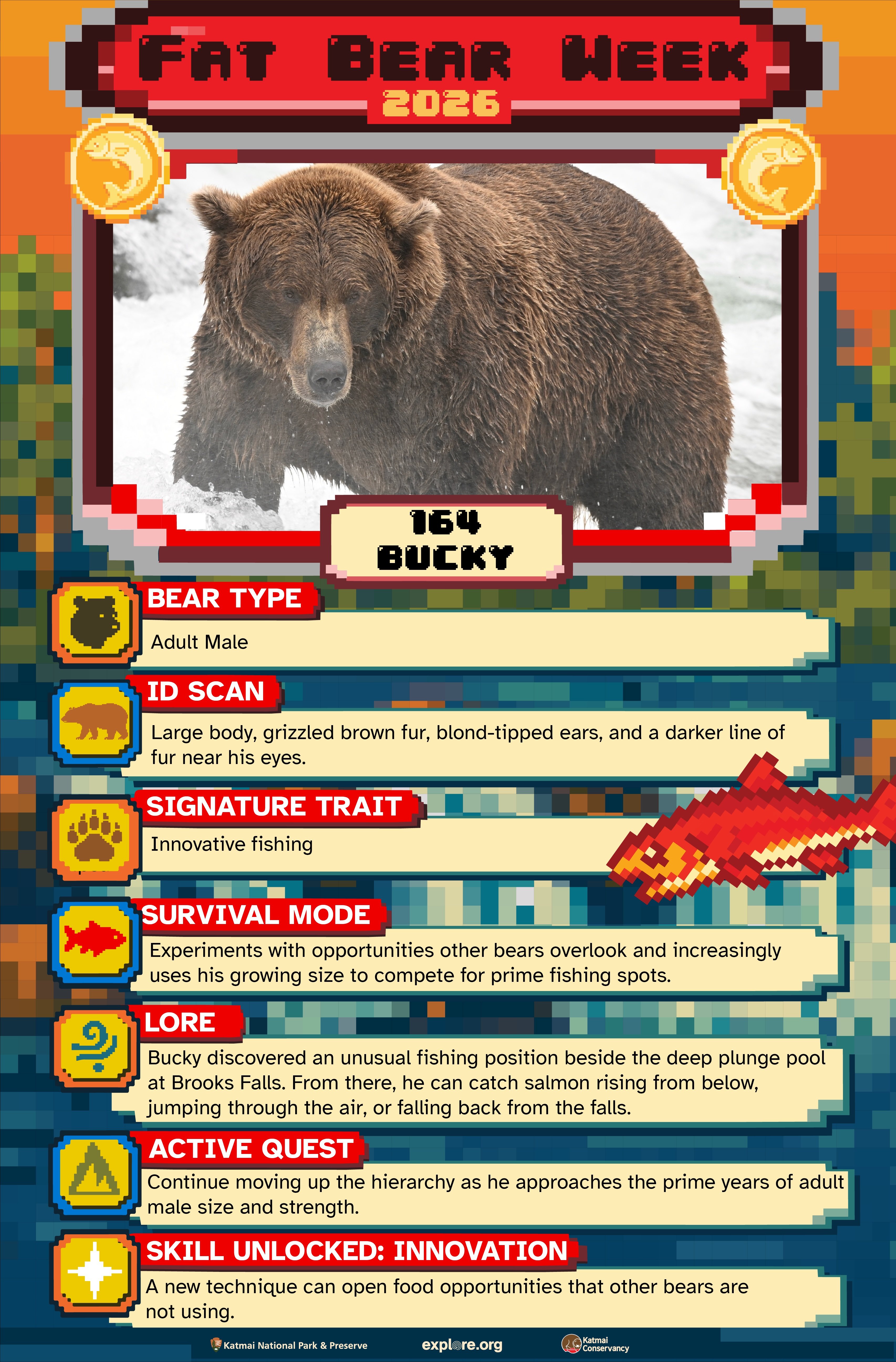
As the first round of the 2026 bracket concludes, the competition has proven that past dominance does not guarantee future success. In one of the most significant upsets of the tournament, fishing specialist Bear #164, widely known as Bucky Dent, decisively knocked out the reigning 2025 Fat Bear Week champion, Bear #32 (Chunk). This early exit ensures that the tournament will not see a back-to-back champion this year, introducing a new era of heavyweights vying for the crown.
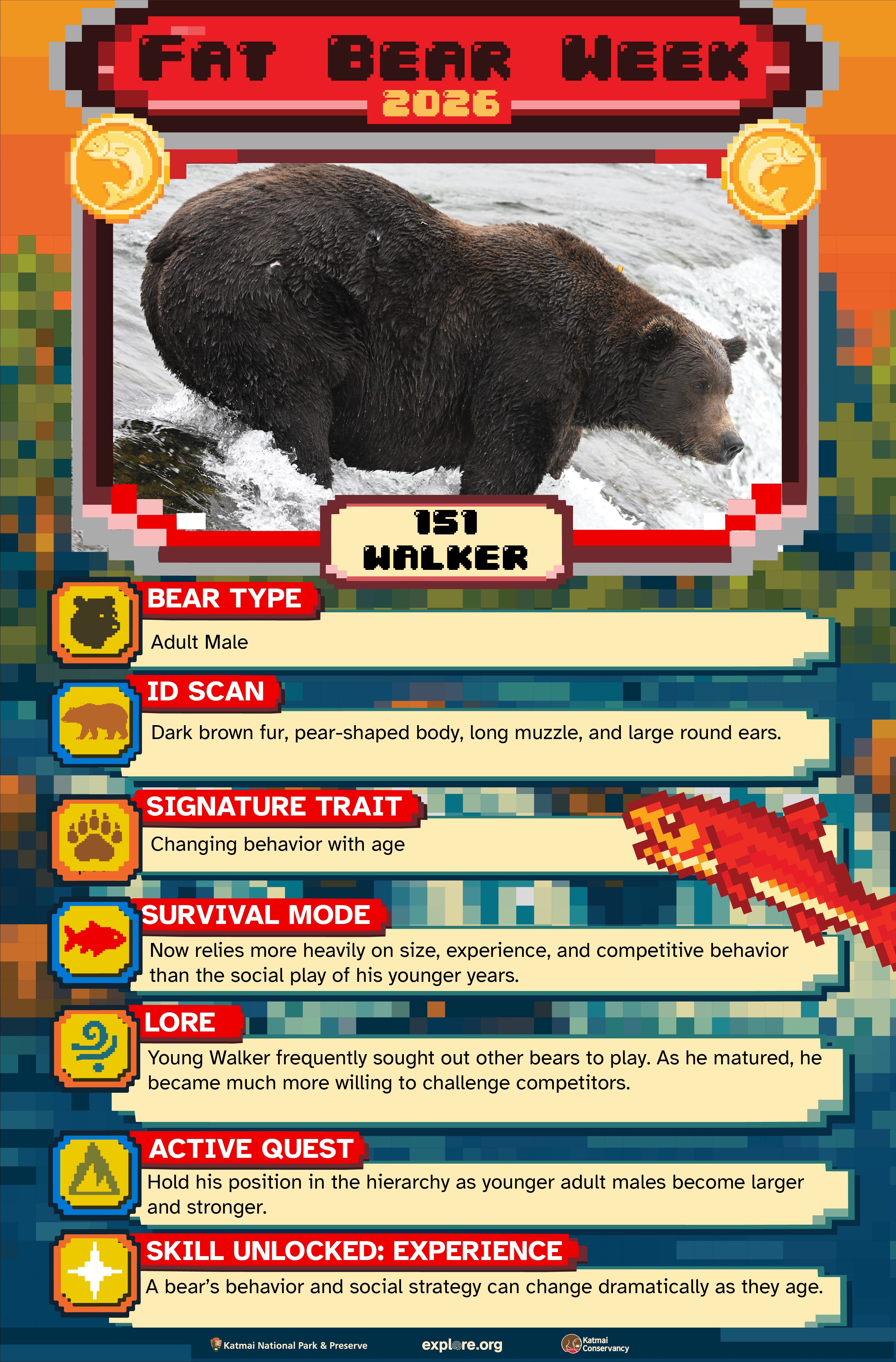
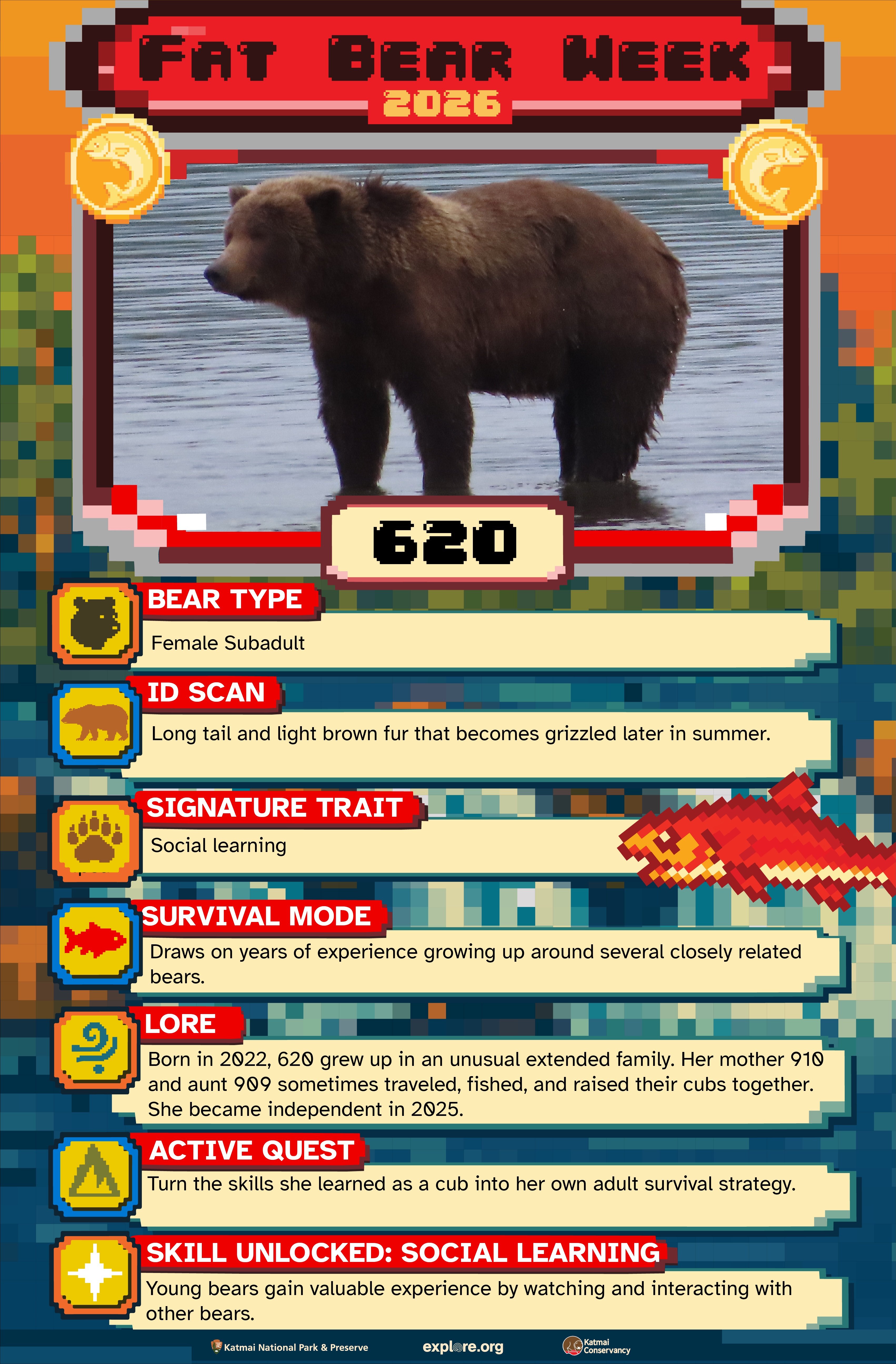
Simultaneously, veteran competitor Bear #151 (Walker), often celebrated for his impressive stature, defeated Bear #903 (Gully) to advance to the next round of the main bracket. Meanwhile, the subadult division showcased the resilience of Katmai’s younger generation. Bear #89 (Backpack), son of former champion Bear #435 (Holly), successfully moved forward, alongside Bear #620, a notable member of Katmai’s famous "Brady Bunch" blended bear family, who defeated the social subadult Bear #694.
Chronology of Events and Schedule Adjustments
The tournament’s trajectory experienced an immediate disruption following an unprecedented opening day. On Day 1 of voting, explore.org reported record-setting digital turnout that overwhelmed the voting platform, leaving a large segment of the fan base temporarily unable to cast their ballots. In response to the technical strain, organizers at explore.org and the Katmai Conservancy enacted swift schedule adjustments to ensure fair participation.
Voting for Round 1, Part 1 was officially extended, pushing subsequent rounds back by 24 hours. Round 1, Part 2—featuring marquee matchups such as Chunk versus Bucky Dent and Walker versus Gully—commenced on September 24 at 12:00 PM EDT. Despite the technical hiccup, voting continues daily between 12:00 PM and 9:00 PM EDT (9:00 AM to 6:00 PM PDT, 8:00 AM to 5:00 AKDT) via explore.org, with the official winner scheduled to be crowned on Tuesday, September 29.
Detailed Breakdown of Round 1 Matchups
The matchups in Round 1, Part 2 highlighted the diverse strategies, histories, and physical traits that define the bears of Brooks River.
Bear #32 (Chunk) vs. Bear #164 (Bucky Dent)
Bear #32 (Chunk) entered the 2026 tournament carrying both the prestige of his 2025 championship and a history of intense rivalries. Having spent the early spring walking on patches of ice in April before disappearing from park cameras for much of the summer, Chunk re-emerged just days before the bracket announcement. However, his journey was cut short by Bucky Dent, a 7.5-year-old adult male whose rise to dominance is rooted in ecological innovation. First appearing in the area in 2019 with unknown lineage, Bucky struggled as a subadult to find prime fishing real estate. To circumvent heavy competition, he pioneered a unique fishing method, stationing himself in the deepest plunge pool beneath the cascade of Brooks Falls to catch salmon emerging from the depths or falling from above. This distinctive technique ultimately propelled him past the reigning champion.
Bear #151 (Walker) vs. Bear #903 (Gully)
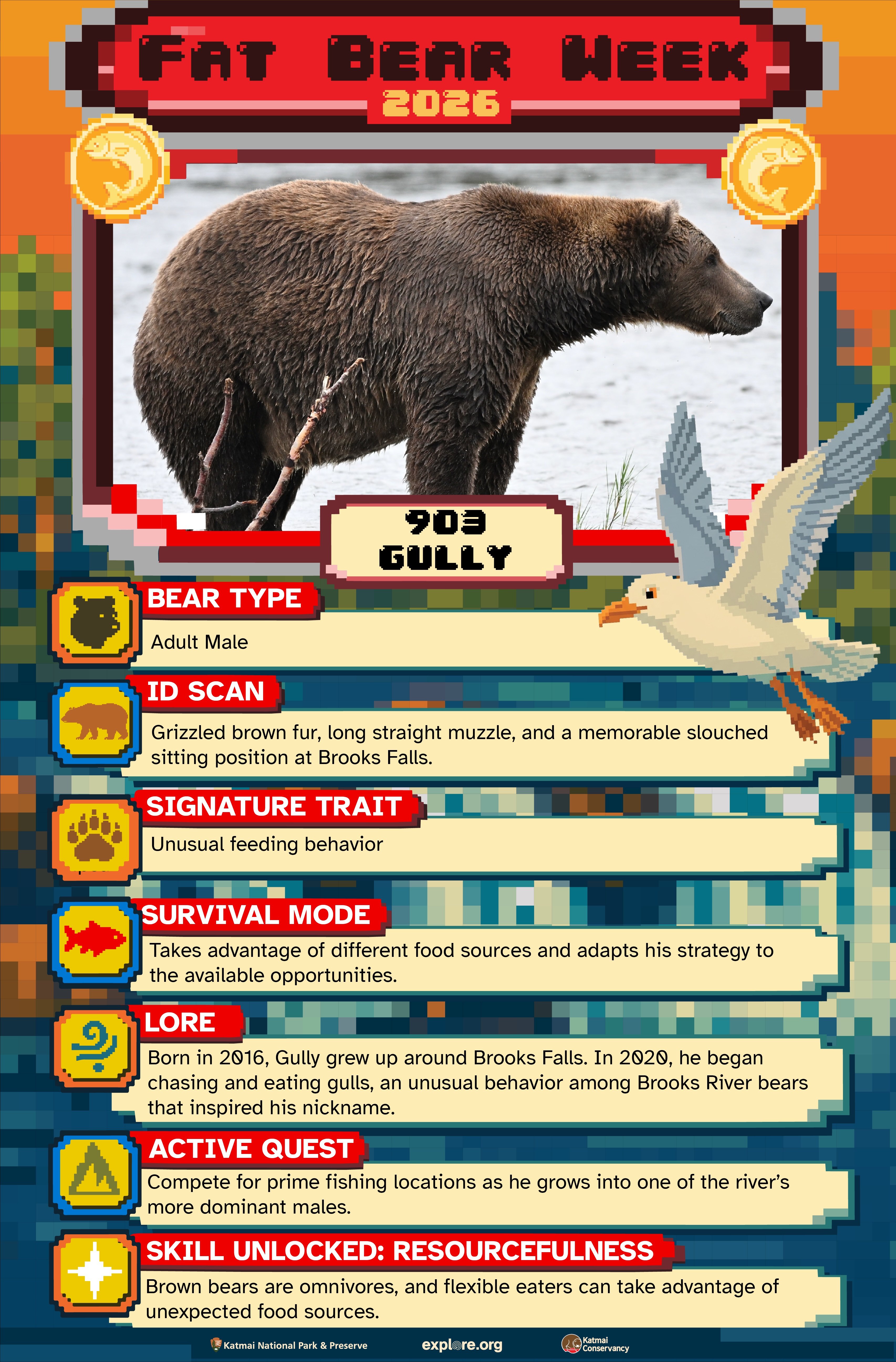
Bear #151 (Walker), a Brooks River fixture identified by rangers as an independent subadult in 2009, has long been a fan favorite for his historically chill demeanor. Over the years, Walker played second fiddle to legends such as four-time champion Otis and two-time champion Grazer. In 2026, however, Walker exhibited a more dominant presence, fiercely defending his hierarchy position against rising subadults. His opponent, Bear #903 (Gully)—an offspring of Grazer—earned his moniker and his spot in the hierarchy through a penchant for supplementing his salmon diet with gulls, charging into flocks along the riverbanks. Ultimately, Walker’s established dominance secured his advancement.
Subadult Showdowns: Bear #694 vs. Bear #620 and Bear #610 vs. Bear #89 (Backpack)
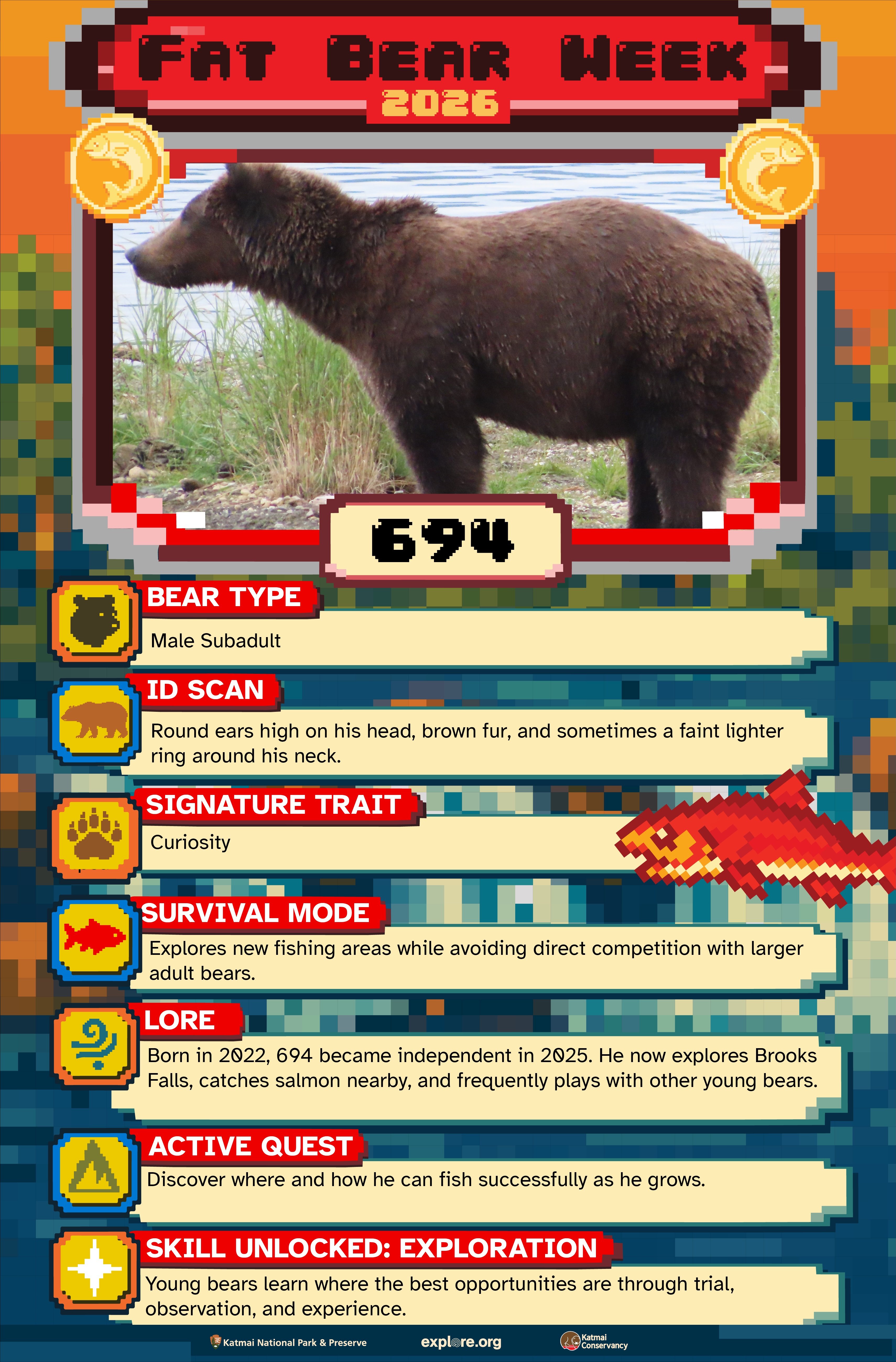
The subadult bracket offered compelling narratives of survival and adaptation. Bear #694, a social 4.5-year-old, faced Bear #620 of Katmai’s blended "Brady Bunch" family. Bear #620’s mother, Bear #910, famously merged her family with her sister Bear #909’s family in 2023—an extremely rare behavioral phenomenon among brown bears.
In the other subadult pairing, Bear #610 competed against Bear #89 (Backpack). Bear #610, a small-statured female first identified in 2015, successfully raised her first known litter of cubs this season despite overcoming a significant historical injury. Meanwhile, Backpack, the 10.5-year-old son of 2019 champion Holly, earned his name from a youth spent riding on his mother’s back. Having survived a severe leg injury as a yearling in 2017 that threatened his mobility, Backpack has matured into a powerful yet non-aggressive resident of Brooks Falls, utilizing a quiet strength to secure his resources.
Supporting Data and Ecological Context
Fat Bear Week is much more than an online popularity contest; it serves as a critical public outreach tool for the National Park Service and explore.org. The event documents the incredible biological transformation brown bears undergo as they transition from lean spring conditions to immense mass before entering winter hibernation.
During the summer and autumn salmon runs at Brooks River, brown bears can consume dozens of fish per day, accumulating fat layers essential for surviving months of winter sleep without food or water. The remarkable density of salmon in Katmai National Park—driven by pristine watershed management and ecological conservation—allows these apex predators to achieve record-breaking proportions.
Official Responses and Conservation Impact
Park officials and conservation partners have emphasized the educational value of the surge in public engagement. The staggering digital turnout that overloaded the voting site underscores the global appetite for wildlife conservation and real-time ecological observation.
In tandem with the tournament, fundraising efforts continue to support park management and research. Donations can be made to the Katmai Conservancy’s Otis Fund, named in honor of Bear #480 (Otis), a legendary four-time champion who passed away around 2024. To amplify the initiative, explore.org announced that all donations made to the Otis Fund between September 22 and October 3 will be matched dollar-for-dollar.
Broader Impact and Implications
As Fat Bear Week approaches its September 29 finale, the event continues to bridge the gap between rigorous scientific monitoring and public recreation. By humanizing individual bears through detailed life histories, the tournament fosters a profound appreciation for wildlife habitat preservation. The resilience demonstrated by bears like #610, Backpack, and Bucky Dent highlights the adaptability of apex predators in a changing wilderness, reinforcing the global importance of protecting national parks and their fragile ecosystems.
Related posts: