The Science and History of Bog Bodies: How Europe’s Peatlands Naturally Preserve Human History for Millennia

In August 1984, commercial peat cutters operating near the town of Wilmslow, approximately a half-hour drive south of Manchester, England, made a startling discovery in the local moss. Unearthed from the dense layers of accumulated vegetation was a human corpse, later identified as a 25-year-old man who possessed a closely shorn beard and unusually well-manicured nails. Forensic examination revealed that the individual had suffered a violent demise, sustaining two to three heavy blows to the head, a cut throat, and a fractured rib. However, this was not the scene of a modern homicide. Radiocarbon dating and archaeological context confirmed that the body had rested undisturbed within the acidic peat bog for nearly two millennia.
The discovery, which came to be known globally as the "Lindow Man," is far from an isolated anomaly. Archaeologists estimate that at least 2,000 similar "bog bodies" have been recovered from the expansive peatlands of Northern and Western Europe. Ranging chronologically from the Mesolithic period—which concluded between 8,500 and 5,500 years ago—all the way through the turbulent events of World War II, these human remains provide an exceptionally rare and intimate window into the past. Unlike standard archaeological finds where only skeletal remains survive, bog bodies frequently feature remarkably intact skin, hair, fingernails, and internal organs, preserved through a unique natural mummification process driven by the distinct chemistry of wetland ecosystems.
Understanding the Mechanics of Peat Bog Preservation
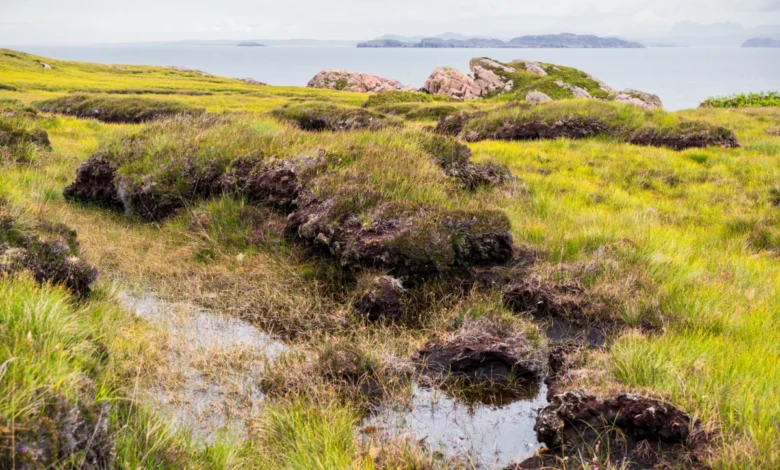
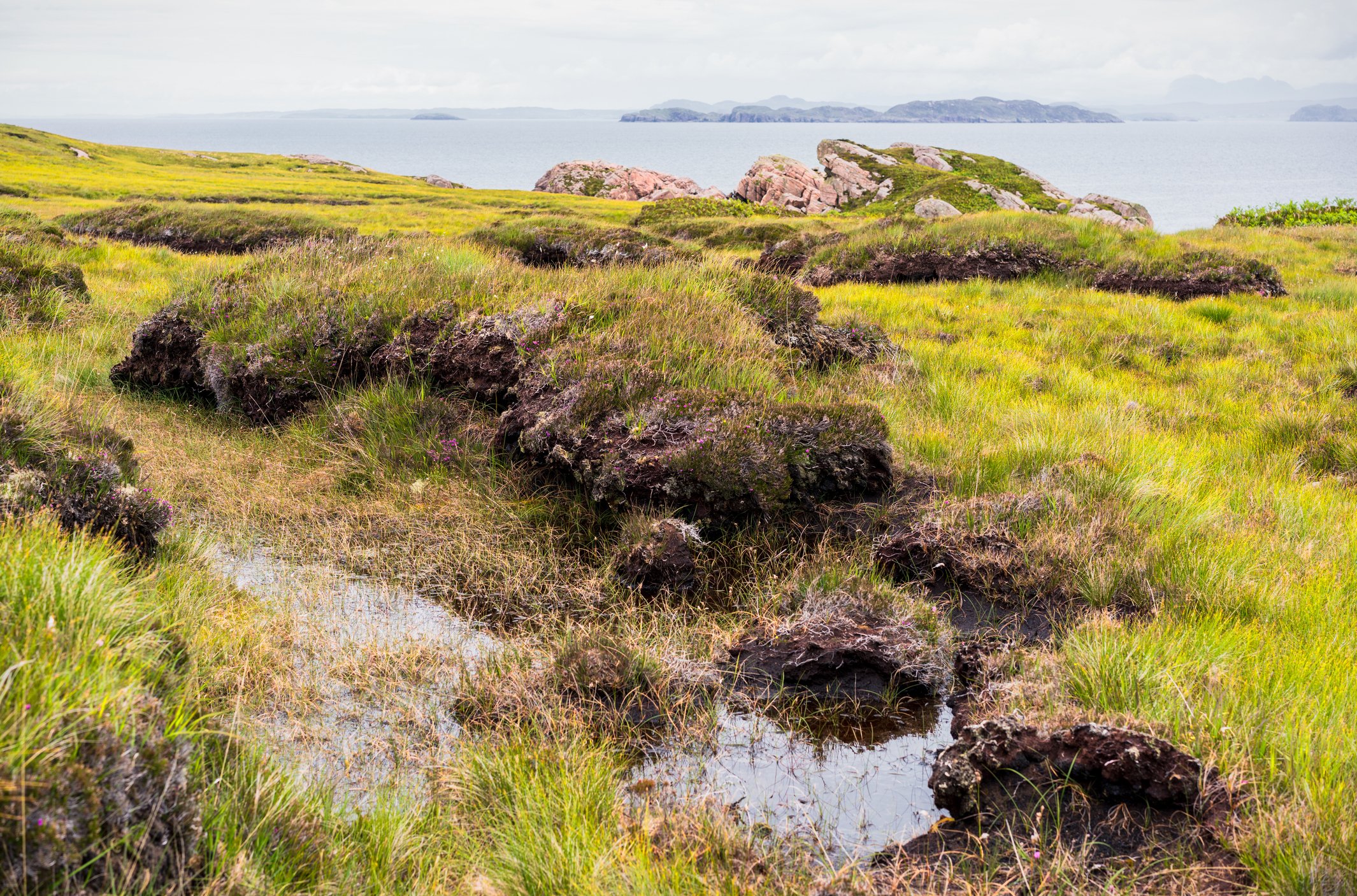
To comprehend how human tissue can survive thousands of years without artificial embalming, scientists look to the unique environmental properties of peat bogs. A peat bog is an acidic, nutrient-poor wetland ecosystem characterized by accumulations of peat—a soft, spongy ground composed of partially decayed plant material that builds up over centuries.
The primary architect of this ecosystem is Sphagnum moss, a moisture-loving plant group known for its remarkable ability to absorb and retain water. As layers of moss, grasses, reeds, and roots accumulate, they grow faster than they can decay. This dense, waterlogged vegetation creates an environment severely lacking in oxygen.

Without oxygen, aerobic bacteria and fungi cannot thrive. In a normal terrestrial environment, these microorganisms are responsible for breaking down organic matter shortly after death. Inside a peat bog, however, the absence of oxygen halts this decomposition cycle. Furthermore, the water feeding most bogs comes almost exclusively from rain and snow rather than mineral-rich groundwater, keeping the pH levels exceptionally low.
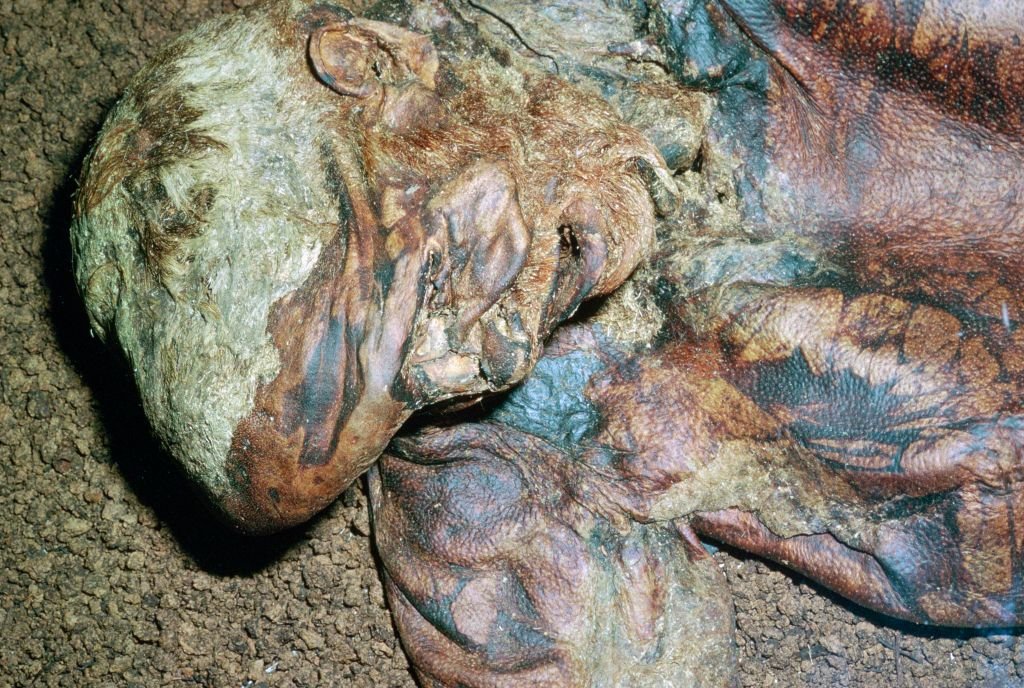
This high acidity acts similarly to a pickling brine. At the same time, Sphagnum moss releases a complex carbohydrate known as sphagnan. Sphagnan binds to the proteins within human skin and soft tissues, effectively tanning them. This chemical interaction turns the skin a leathery texture and a dark brown, tea-like hue while fiercely protecting it against microbial decay.
Paradoxically, while the bog’s acidic environment preserves soft tissues with startling clarity, it wreaks havoc on hard skeletal structures. The intense acid leaches calcium directly out of human bones. Consequently, X-rays of bog bodies reveal skeletal systems that are significantly softened, warped, or, in many cases, entirely dissolved.
A Chronology of Discovery and Archaeological Significance
The historical timeline of bog body discoveries spans centuries, though scientific methodology has only recently caught up with the physical finds. For generations, peat cutters stumbling upon human remains in the remote bogs of Denmark, Germany, the Netherlands, Ireland, and the United Kingdom frequently mistook them for recent murder victims, occasionally prompting police investigations before archaeologists recognized their ancient origins.
Among the most notable discoveries in the annals of wetland archaeology are:
- Tollund Man (Denmark, 1950): Discovered by peat workers in Jutland, this Iron Age man lived during the 4th century BCE. He was found with a leather rope still tightened around his neck, indicating execution or ritual sacrifice, and his facial expression and stubble remain remarkably vivid.
- Grauballe Man (Denmark, 1952): Unearthed shortly after Tollund Man, this individual also dates to the Iron Age and displayed a severe slash across his throat. His exceptionally well-preserved fingerprints have allowed modern forensic scientists to study ancient dermatoglyphics.
- Lindow Man (England, 1984): Exhibiting evidence of multiple traumas—often referred to by researchers as a "triple death" involving blunt force trauma, strangulation, and throat-slitting—Lindow Man remains one of the best-studied British bog bodies, currently housed on permanent public display at the British Museum.
- Clonycavan Man and Oldcroghan Man (Ireland, 2003): Found within months of each other in central Ireland, these Iron Age corpses displayed sophisticated grooming habits alongside horrific injuries, suggesting high social status or deliberate ritual targeting.
Geographical Variations in Wetland Preservation
Not all wetlands possess the same chemical and structural properties, meaning that the quality of preservation varies significantly depending on the specific type of peatland.
Raised bogs, which are deep, dome-shaped peat deposits that rise above the surrounding landscape, offer the absolute highest degree of preservation. Because they rely entirely on precipitation for water, they maintain maximum acidity and a total absence of oxygen, creating ideal conditions for long-term mummification.
Blanket bogs, which feature shallower layers of peat spread more evenly across a landscape, still yield preserved human remains, though the degradation process tends to advance further before discovery. Fens, by contrast, are peat-accumulating wetlands replenished by both surface water and mineral-rich groundwater. Because fens are significantly less acidic than raised or blanket bogs, bodies deposited within them typically retain their skeletal structures while their soft tissues completely decay.
Forensic Identification and Cultural Context
Differentiating between a modern forensic case and an ancient archaeological specimen often relies on subtle physiological markers. Bioarchaeologists and forensic anthropologists examining suspected bog bodies look closely at dental wear. Prior to the advent of modern industrial milling and refined flour, human populations consumed grain ground using stone querns. Microscopic fragments of stone invariably mixed into the flour, causing individuals to continuously grind down their teeth over their lifetimes—a distinct wear pattern absent in modern populations.
Modern consensus among archaeologists and historians indicates that the vast majority of European bog bodies recovered from the Bronze and Iron Ages were not victims of opportunistic highway robbery. Rather, the overwhelming evidence of multiple traumatic injuries, binding, and deliberate placement in remote, liminal landscapes points toward ritual execution, capital punishment for crimes, or religious sacrifice directed toward deities associated with the underworld or fertility.
Broader Ecological Implications and Climate Change
Beyond their immense archaeological value, peatlands play a vital, modern role in global environmental stability. The very mechanisms that allow bogs to prevent the decay of organic material—namely, the lack of oxygen and the suppression of microbial activity—also enable them to store staggering amounts of atmospheric carbon.
Although peatlands cover roughly three percent of the Earth’s land surface, scientific assessments indicate that they store twice as much carbon as all the world’s forests combined. As plants die and are submerged in the waterlogged, acidic peat, the carbon they sequestered during their lifetimes is locked away for millennia rather than being released back into the atmosphere as carbon dioxide or methane.
This dual identity—serving simultaneously as ancient historical archives and critical carbon sinks—has prompted international conservation efforts. Restoring degraded or drained peatlands is increasingly recognized as an essential strategy in global climate change mitigation, ensuring that these misty, mysterious ecosystems continue to regulate planetary temperatures just as securely as they preserve the physical remnants of human antiquity.
Related posts: