
In an era defined by continuous connectivity, the modern smartphone has evolved far beyond a mere communication device or portable entertainment hub; it has quietly transformed into a sophisticated, wearable lifeline capable of intervening during critical life-or-death situations. While many users view their handsets through the lens of productivity, social networking, and digital media consumption, both major mobile ecosystems—Google’s Android and Apple’s iOS—have integrated robust, advanced safety architectures. Designed to operate seamlessly in the background, these tools can detect automobile collisions, monitor individual safety during isolated commutes, connect users to emergency services via satellite in remote wilderness areas, and relay vital medical data to first responders when a user is incapacitated. Understanding, configuring, and familiarizing oneself with these native capabilities is no longer a matter of tech-savvy preference, but a fundamental component of personal preparedness in the twenty-first century.
The Evolution of Mobile Safety Infrastructure
The integration of life-saving technologies into consumer electronics represents a convergence of high-precision sensors, widespread cellular infrastructure, and advanced data processing. Historically, emergency communication relied entirely on manual intervention: a victim or bystander had to unlock a device, dial a regional emergency number, and verbally articulate their precise location and nature of the emergency. However, natural disasters, remote travel, sudden medical emergencies, and high-impact vehicular collisions often render victims physically unable to perform these vital tasks.
Recognizing these vulnerabilities, mobile software developers and hardware manufacturers began integrating high-frequency accelerometers, gyroscopes, barometers, and ambient sound monitors into standard smartphone designs over the past decade. By the mid-2020s, with software iterations such as Android 17 and iOS 27, emergency response features matured from experimental novelties into deeply integrated, system-level safety suites. Industry analysts note that this shift underscores a broader industry obligation: as smartphones capture an increasingly central role in daily human existence, manufacturers are legally and ethically compelled to leverage their technological prowess for public safety and disaster mitigation.

Comprehensive Android Safety Architecture
For users operating within the Android ecosystem—specifically modern handsets such as Google Pixel devices and contemporary Samsung Galaxy models—a centralized menu under "Safety and Emergency" houses a comprehensive array of protective tools. Configuring these utilities correctly can significantly reduce response times during a crisis.
Medical Information and Emergency Contacts
Paramedics and emergency room physicians frequently encounter patients who are unconscious, disoriented, or suffering from acute trauma that prevents verbal communication. Android allows users to bypass this communication barrier by embedding vital medical data—including blood type, known allergies, chronic conditions, and current medications—directly onto the lock screen. First responders can access this information without requiring the device’s security PIN or biometric unlock. Furthermore, designated emergency contacts can be listed here, enabling medical staff or bystanders to notify families immediately. Users can activate this feature by navigating to Settings, selecting Safety and Emergency, and filling out the Medical Information and Emergency Contacts fields.
Automated Car Crash Detection
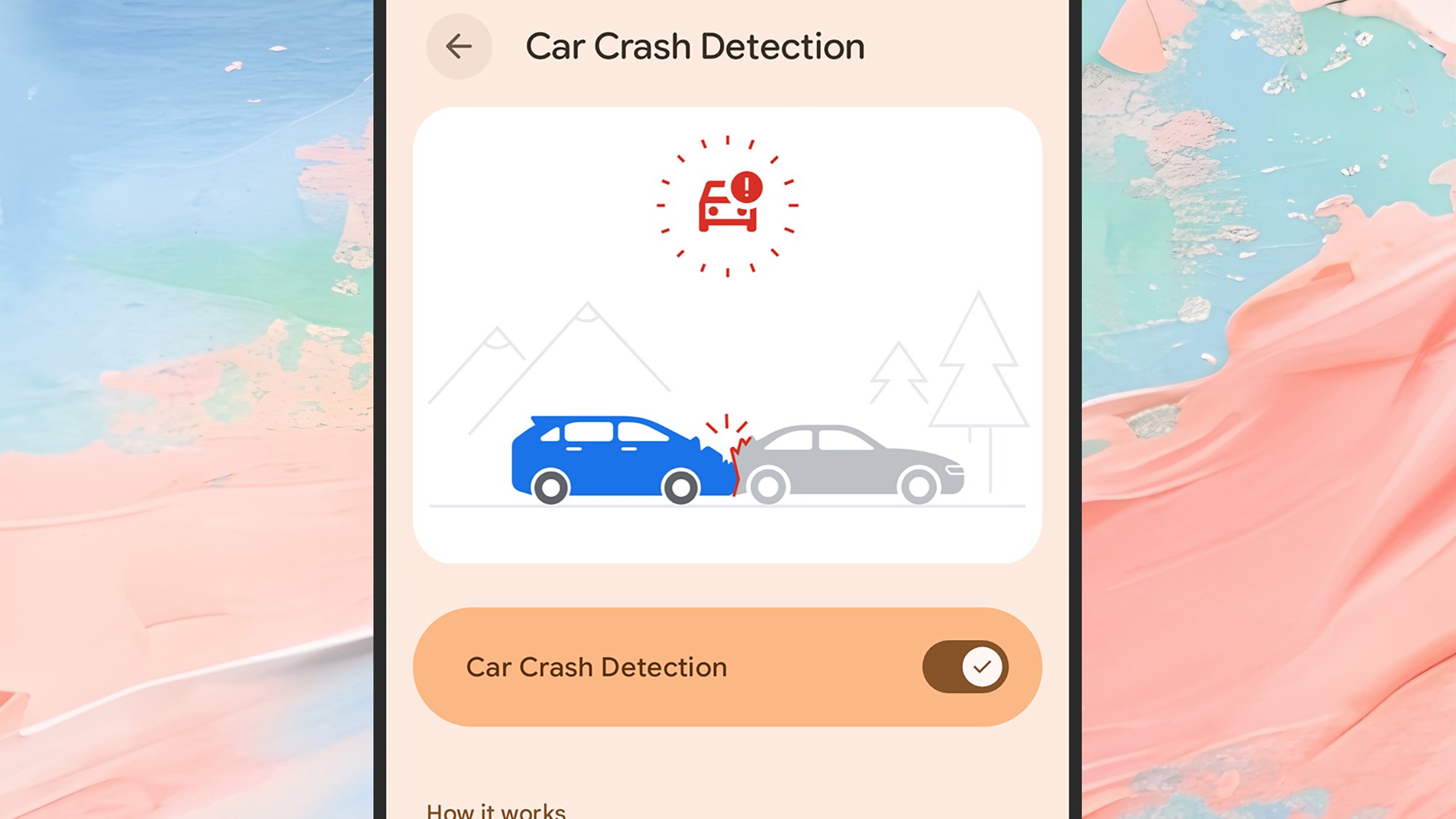
Modern Android hardware utilizes internal motion sensors and machine learning algorithms to monitor for sudden, violent changes in velocity and trajectory characteristic of vehicular accidents. When a suspected crash is detected, the device initiates a loud auditory alarm and displays a flashing visual prompt. If the user fails to dismiss or cancel the prompt within a designated window, the system automatically dials local emergency services, providing them with automated location coordinates and relevant distress signals.
Public Safety, Crisis, and Earthquake Alerts
Beyond individual accidents, Android devices serve as nodes in a massive public safety network. The platform supports three distinct layers of emergency broadcasting:
- Wireless Emergency Alerts (WEA): Government-mandated notifications concerning immediate local dangers, such as severe weather, flash floods, or AMBER alerts.
- Crisis Alerts: Google-curated notifications warning users of nearby natural disasters, wildfires, or unfolding public security threats.
- Earthquake Alerts: A pioneering feature that turns millions of active Android devices into a decentralized global seismometer network. By detecting the preliminary, fast-moving P-waves of an earthquake, the system can issue critical warning notifications to users in the path of destructive S-waves seconds before shaking begins.
Satellite SOS and Remote Connectivity
A persistent challenge in wilderness exploration or rural travel is the absence of traditional cellular and Wi-Fi infrastructure. To bridge this connectivity gap, newer Android handsets—including the Pixel 9 series and later, alongside select Samsung Galaxy flagships—incorporate satellite SOS capabilities. If a user attempts to dial 911 in a dead zone, the interface prompts them to connect via overhead satellite arrays, allowing them to transmit compressed emergency text data, coordinates, and crisis details directly to dispatchers.
Safety Check and Alternative Emergency Triggers
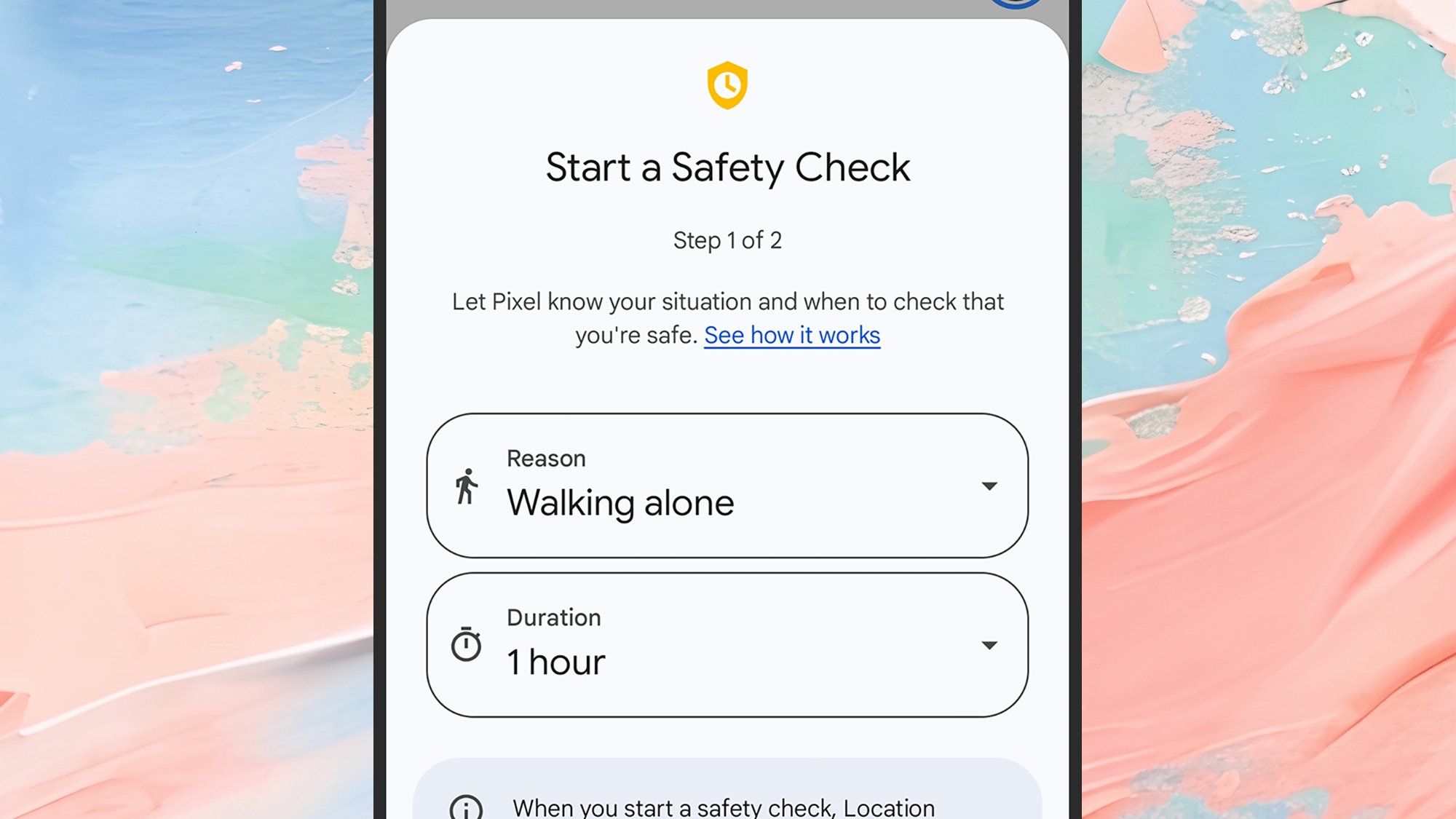
The pre-installed Personal Safety app features a "Safety Check" utility designed for individuals traversing potentially hazardous environments, such as walking alone at night or using unfamiliar public transportation. Users establish a designated timeframe; if they fail to check in and confirm their safety before the timer expires, the phone automatically alerts their emergency contacts with their real-time location. Additionally, users can configure an alternative method for placing emergency calls without interacting with the screen: rapidly pressing the physical power button five or more times initiates a countdown to contact emergency services and optionally stream live video feeds.
iOS Safety Features and Apple’s Protective Ecosystem
Apple has similarly engineered a comprehensive suite of safety protocols embedded deep within iOS 27 and hardware ranging from the iPhone 14 generation onward. These tools mirror the objectives of the Android ecosystem while utilizing Apple’s proprietary software integration.
The Apple Health Medical ID
Similar to its Android counterpart, the iOS ecosystem allows users to curate a comprehensive Medical ID accessible directly from the locked screen. To establish this, users must open the native Health application, tap their profile icon, and select Medical ID. Here, individuals can catalog organ donor status, emergency contacts, blood type, and pharmacological allergies, ensuring that medical personnel have immediate access to critical health histories during emergency interventions.
Advanced Emergency SOS and Hardware Activation
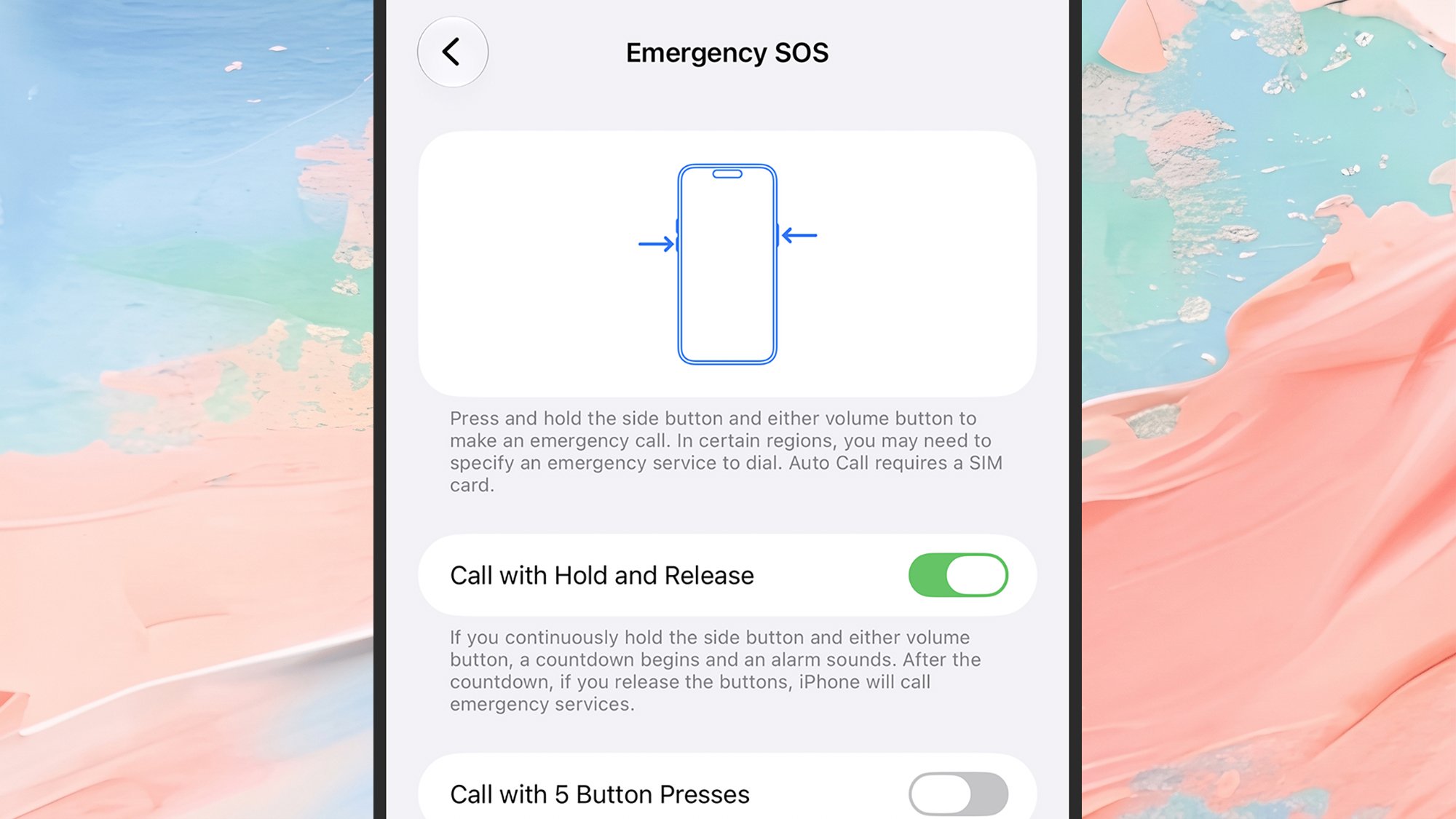
When a user is under duress or physically compromised, standard touchscreen navigation may be impossible. Apple addresses this by allowing users to press and hold the physical side button simultaneously with either volume button until the Emergency SOS slider appears. Continuing to hold triggers an audible countdown alarm, after which the iPhone automatically places a call to emergency services, transmits GPS coordinates, and notifies designated emergency contacts.
Severe Crash Detection
Leveraging high-g accelerometers capable of measuring up to 256 Gs of force, alongside barometers that detect cabin pressure changes caused by deployed airbags, iPhones running iOS 17 or later feature automated crash detection. Integrated within the Emergency SOS settings menu as the "Call After Severe Crash" toggle, this system evaluates sudden impacts and rollovers. If a crash is identified and the user does not manually dismiss the on-screen warning, the device places an automated distress call.
Satellite Messaging and Global Emergency Preparedness
Like its competitors, Apple provides satellite connectivity for devices out of cellular range. iPhone 14 models and newer can connect to satellites to transmit text messages to emergency services and share locations via the Find My app when standard network towers are inaccessible. This functionality has already been credited with saving numerous hikers and motorists stranded in remote national parks and mountainous regions globally.
The iOS Check In Feature
Integrated directly into the Messages application, the Check In feature allows users to notify friends or family members when they successfully arrive at a destination. By tapping the plus icon within a text thread, a user can initiate a Check In session. If the user’s journey is unexpectedly delayed or halted without explanation, the iPhone automatically shares vital diagnostic data—such as current location, battery level, and cellular signal strength—with the designated contact, ensuring timely intervention if suspicious or dangerous circumstances arise.
Societal Implications and Expert Recommendations
Cybersecurity experts, emergency management officials, and public safety advocates have widely praised the democratization of these safety tools. By embedding life-saving technology directly into consumer devices that billions of people already carry, technology companies have effectively decentralized emergency response management.
However, public safety agencies emphasize that technology is only as effective as its configuration. Statistics from municipal emergency dispatch centers indicate that a significant percentage of automated crash-detection alerts are false positives triggered by dropping a phone, riding aggressive amusement park rides, or intense turbulence during sports activities. While these false alarms are easily canceled by attentive users, they underscore the necessity of proper calibration and user awareness.
Furthermore, digital literacy campaigns led by consumer advocacy groups stress the importance of proactive setup. Configuring Medical IDs, designating reliable emergency contacts, and familiarizing oneself with hardware button shortcuts should be treated as essential digital hygiene when purchasing a new device. As mobile hardware continues to evolve, the boundary between consumer electronics and public safety infrastructure will only continue to dissolve, making digital preparedness an indispensable element of modern survival.