Operating a restaurant in Hong Kong is widely considered one of the most punishing professional endeavors in the global culinary landscape. The city exists as a roiling, high-pressure cauldron defined by hyper-competitive real estate, volatile consumer trends, and an economic environment that demands perfection from day one. In this unforgiving ecosystem, survival is not merely about the quality of the food; it is about the ability to navigate a complex web of media, influencer culture, and high-net-worth expectations. At the epicenter of this industry, wielding influence over the city’s most coveted tables, is publicist Geoffrey Wu.
For a decade, Wu and his boutique consultancy firm, The Forks and Spoons, have served as the silent engines behind many of the city’s most decorated establishments. From two-Michelin-starred institutions like TATE Dining Room to the perpetually waitlisted Ando, Wu’s influence is pervasive. Yet, to categorize him as a traditional publicist is to misunderstand his role. In an industry defined by charm and soft-selling, Wu is an anomaly: a blunt, high-octane operator who functions less like a PR agent and more like a tactical coach.
The Evolution of a Culinary Kingmaker
Wu’s entry into the hospitality world was unconventional. After his expulsion from the Hong Kong University of Science and Technology—a departure he attributes to a penchant for skipping lectures in favor of playing cards at McDonald’s—he pivoted to the service industry. In 2005, he joined the operations team at Amber, the renowned French restaurant under the direction of Richard Ekkebus. This foundational experience provided him with a granular understanding of front-of-house operations, menu management, and the high-stakes pressure of fine dining.
After several years navigating various marketing roles across the hospitality sector, Wu established The Forks and Spoons in 2012. He quickly distinguished himself from his peers by rejecting the conventional, passive approach to publicity. He is known for his direct, often abrasive, communication style, frequently holding his own clients and members of the media to exacting standards.
"I am not afraid to speak up—people know that for sure," Wu tells CNN Travel. "Sometimes you need a consultant who is straightforward about things that must be fixed. We aren’t here to massage your ego. We are here for the results. We are here to win. If I wanted to please everyone, I’d go sell ice cream."

The Economics of the World’s Most Cutthroat Market
The necessity for such a hard-nosed approach is rooted in the reality of the Hong Kong market. The city consistently ranks among the most expensive real estate environments in the world, creating a barrier to entry that is insurmountable for many. Furthermore, the cost of imported ingredients is astronomical, placing immense pressure on operators to maintain high turnover rates.
Data from recent government surveys highlights the intensity of local demand. In the 2019–2020 fiscal period, despite the dual pressures of social unrest and the nascent COVID-19 pandemic, Hong Kong households spent an average of HKD 60,539 (approximately US$7,761) on dining out and takeaway food. This figure is nearly double the average expenditure on food away from home for households in the New York metropolitan area during the same timeframe.
In such a condensed and hyper-aware market, the "soft launch" is a luxury no restaurant can afford. If a venue does not hit its mark immediately, the window for a second chance is microscopic. "It’s such a condensed market," Wu notes. "People always talk. Hong Kong customers are also very knowledgeable. If you don’t get it right from the get-go, you have to revamp many things. There are so many choices that chances are they’d go somewhere else."

Shifting Roles: The Chef as Public Figure
The last decade has seen a radical shift in the role of the professional chef in Hong Kong. The 2009 arrival of the Michelin Guide and the subsequent explosion of social media platforms like Instagram and the rise of local food bloggers have fundamentally altered the culinary landscape.
Twenty years ago, a chef’s domain was strictly the kitchen. Today, they are expected to be public figures. They must engage with diners, curate their social media presence, and act as the face of their brand. This transition is not intuitive for every culinary professional, which is where consultants like Wu step in.
"Some 20 years ago, chefs mostly just cooked and served food," says Wu. "Now in 2022, there is also this thing called relationship building. Chefs have to show their faces. They have to touch the tables and take pictures with guests. The job of a chef is much bigger than before."

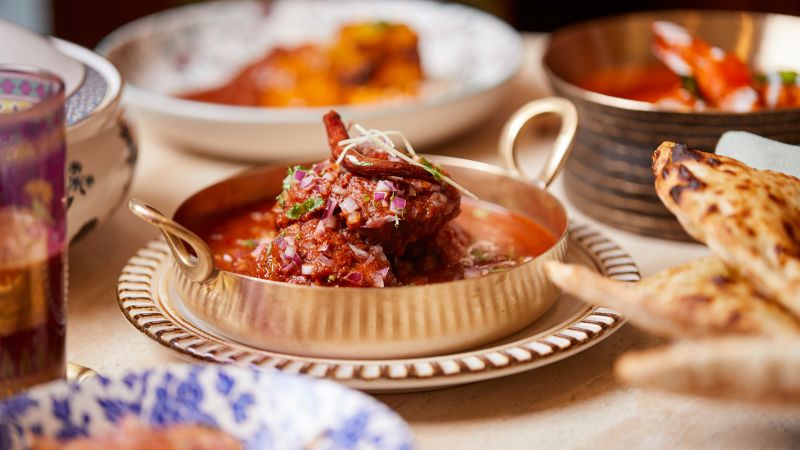
A primary success story in this regard is Chef Manav Tuli of the modern Indian restaurant Chaat, located within the Rosewood Hong Kong. When Tuli arrived in the city in 2020, he was a newcomer to the local cultural landscape. Working in tandem with Wu, Tuli was encouraged to move beyond the kitchen and establish a rapport with the city’s food critics and regular diners. By combining his signature tandoori lobster—a dish that marries traditional Indian techniques with local seafood preferences—with a high-visibility public presence, Tuli helped secure a Michelin star for the restaurant within two years. Currently, reservations at Chaat are released two months in advance and are typically fully booked within minutes.
The Art of the "Chief Entertainment Officer"
For Wu, the job extends far beyond the boardroom. He is a constant physical presence in the restaurants he manages, observing flow, sampling dishes, and monitoring the temperature of the dining room. He views these duties as essential for maintaining quality control.
On his off days, Wu hosts private lunches for a carefully curated guest list of industry critics, chefs, and key media figures. These gatherings, often held at third-party venues like the three-Michelin-starred Forum Restaurant or the notoriously difficult-to-book Hop Sze, serve as the informal networking hubs of the Hong Kong culinary scene. These events are not merely social; they are professional incubators where menu updates are tested, potential collaborations are forged, and industry intelligence is exchanged.

"I always say that I’m the chief entertainment officer," Wu says. "Building relationships takes time. Cold-calling and sending press releases aren’t building a relationship."
Managing the Lifecycle of a Restaurant
Wu is acutely aware that even the most successful establishments have a "shelf life." He argues that constant innovation is the only way to avoid stagnation. "Flavor doesn’t lie," he asserts. "But everything—restaurants, bars, chefs—has a shelf life. It’s impossible to stay number one forever. You need to keep coming up with new ideas to continue to elevate the restaurant."
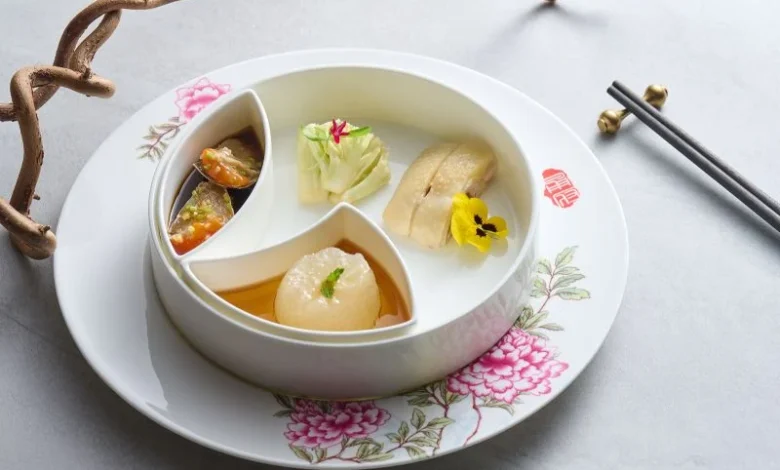
His current work with Yong Fu, an upscale restaurant specializing in cuisine from China’s Ningbo region, exemplifies this philosophy. Recognizing that many local diners confused Ningbo cuisine with the more ubiquitous Shanghai style, Wu worked to overhaul the restaurant’s menu. He trimmed an exhaustive, one-inch-thick book into a curated tasting menu that highlights the region’s unique focus on savory, umami-rich, and "sticky" textures. By educating the staff to explain the provenance and history of dishes like yellow croaker fish in sour broth, Wu has helped the restaurant better communicate its value proposition to a discerning local audience.

The Human Element in a Digital Age
While the industry continues to lean heavily into digital marketing and algorithmic reach, Wu remains a staunch proponent of the "human connection." He views the technical aspects of marketing—press releases and digital ad spend—as secondary to the tactile experience of dining and the genuine rapport between staff and guest.
This philosophy is mirrored in his own life. An avid runner, Wu begins most days at 5:45 a.m., using the solitude of the early morning to reflect and strategize. It is a metaphor for his professional life: the constant grind, the focus on the finish line, and the discipline required to maintain one’s position at the front of the pack.
As the Hong Kong dining scene continues to evolve in a post-pandemic world, the role of the intermediary becomes increasingly critical. Whether it is through the meticulous curation of a tasting menu or the orchestration of a high-stakes media lunch, Geoffrey Wu’s influence remains a defining feature of the city’s gastronomic hierarchy. His success is a testament to a simple, albeit harsh, truth: in a city of infinite choice, the only way to remain relevant is to refuse to stop pushing, refining, and demanding excellence until the final course is served.