Nvidia CEO Jensen Huang Takes Impromptu Phone Call From President Donald Trump Onstage at All-In Summit

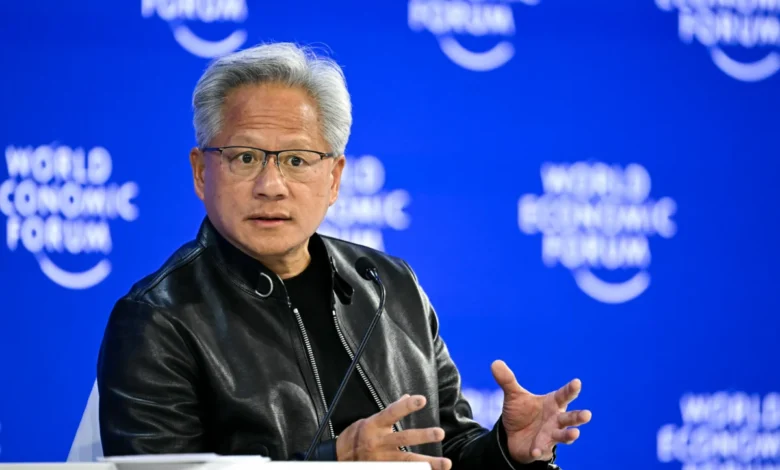
The intersection of artificial intelligence, high-stakes geopolitics, and public relations delivered an unforgettable moment in Los Angeles on Monday morning. During a live appearance at the All-In Summit, Nvidia Chief Executive Officer Jensen Huang found himself answering a call from President Donald Trump in front of a packed auditorium and a global livestream audience. In a move that immediately sent ripples through corporate boardrooms and public relations offices alike, Huang bypassed traditional discretion and placed the sitting president on speakerphone, offering conference attendees a direct listen into a conversation concerning the future of American technological dominance, artificial intelligence regulation, and national security.
The unfolding scene underscored the increasingly intimate relationship between the leaders of Silicon Valley and the highest echelons of the federal government. As technological advancement accelerates at a breakneck pace, the boundaries separating private enterprise, federal industrial policy, and geopolitical competition have grown exceedingly thin.
The Backdrop of the All-In Summit
The All-In Summit, hosted by the prominent venture capitalists known colloquially as the "All-In podcasters"—Chamath Palihapitiya, Jason Calacanis, and White House advisers David Friedberg and David Sacks—has evolved into a premier forum for discussing the intersection of tech, economics, and public policy. The atmosphere is typically informal, candid, and unpredictable. However, few moments in the conference’s history could rival the sheer unpredictability of Monday’s phone call.
Prior to the interruption, Huang and the summit hosts were engaged in a substantive debate regarding the trajectory of artificial intelligence development. Specifically, the panel was analyzing recent remarks made by Anthropic CEO Dario Amodei. In an influential essay titled "We Must Pace the Frontier," Amodei argued for a deliberate slowing of the rate at which artificial intelligence capabilities are scaled and improved, citing safety concerns and the need for society to adapt to rapid systemic shifts.
This philosophy of caution has found notable adherents across the technology sector. SpaceX and xAI CEO Elon Musk, alongside OpenAI CEO Sam Altman, have previously expressed varying degrees of alignment with the sentiment that unchecked, hyper-accelerated AI scaling could introduce unmanageable systemic risks. Huang, however, has consistently charted a different course, championing the continuous, aggressive expansion of computational power and infrastructural deployment as essential to maintaining economic and technological leadership.
A Presidential Intervention on Speakerphone
As the panel deliberated on the merits of pacing versus acceleration, Huang’s phone rang. Recognizing the identity of the caller, the Nvidia chief executive could not send the call to voicemail. "I’m onstage with the besties," Huang informed President Trump, offering a nod to the podcast hosts who command a massive following among tech and finance professionals.
Seeking to project the audio to the wider audience, Huang attempted to secure an extra microphone from nearby stagehands. Noting the logistical hiccup in real time, President Trump quipped over the line, "The great thing about life is Jensen can develop the most complex computer chip in the world… but he can’t figure out how to put you on speaker." The remark elicited laughter from the auditorium, illustrating the informal rapport between the administration and the semiconductor titan.
The conversation quickly pivoted from lighthearted banter to the core policy debate occupying Washington and Silicon Valley: whether calls to slow down artificial intelligence development are genuine cautionary measures or strategic maneuvers designed to benefit geopolitical adversaries.
"They’re just playing right in the hands of a lot of people that don’t want to see it happen," President Trump stated over the speakerphone, addressing the audience directly. "That could be political people. It could also be China. And we’re not going to let that happen. It’s a hoax."
The phrase drew an immediate and affirmative response from Huang, who replied, "You’re right. We’re not going to let that happen, sir," prompting widespread applause from segments of the crowd.
President Trump elaborated on his administration’s support for the tech sector, assuring Huang and the audience that federal policy would prioritize industrial momentum over stagnation. "We have to be a little bit careful… We have to do things and we have to do them prudently, but that doesn’t mean we’re going to stop an industry," Trump said. "So I’m with you all the way. I didn’t even know how you felt about it. I just hoped you felt the same way as me. We’re going to lead."
The Grassroots Backlash Against Data Center Expansion
While top-tier executives and federal officials debate the macro-geopolitical implications of slowing down artificial intelligence, a very different conversation is taking place at the municipal and state levels across the United States. The physical footprint required to power the AI revolution—manifested in massive data center construction projects—has triggered substantial public resistance.
Prominent figures within the tech ecosystem, including Y Combinator CEO Garry Tan and various administration allies, have frequently characterized local opposition to data center construction as part of an organized international campaign or psychological operation designed to undermine American economic competitiveness. Proponents of rapid expansion argue that any delay in building out grid-connected computing facilities hands a strategic advantage to foreign competitors like China.
However, independent data suggests that the roots of public pushback are largely domestic, pragmatic, and grounded in immediate quality-of-life concerns. Recent polling conducted by Gallup highlights a significant disconnect between national industrial policy goals and local community sentiment. According to the survey data, approximately seven in 10 Americans oppose the construction of large-scale data centers in their immediate geographic areas.
The anxieties driving this opposition are multifaceted:
- Environmental Strain: More than 50% of respondents specifically cited concerns over the heavy consumption of environmental resources, particularly water usage for cooling systems and immense electricity demands that strain local power grids.
- Economic Pressures: Roughly 20% of polled residents expressed worry that the massive influx of industrial tech infrastructure drives up regional utility bills, inflates housing costs, and disrupts local cost-of-living metrics without providing proportional direct benefits to the community.
- Infrastructure Wear and Tear: Local municipalities frequently grapple with increased traffic from construction fleets, noise pollution from continuous generator testing, and altered rural or suburban landscapes.
Broader Economic and Geopolitical Implications
The public interaction between Jensen Huang and President Trump crystallizes the central tension defining the contemporary technology landscape. On one hand, the United States is engaged in a high-stakes, generational race for artificial intelligence supremacy. Policymakers and industry leaders view vast computational infrastructure—powered by Nvidia’s advanced GPUs—as a matter of national security. In this view, any self-imposed slowdown, whether motivated by ethical caution or regulatory friction, is treated as a strategic vulnerability.
On the other hand, the physical realities of the AI boom are colliding with local democratic processes. As states from Virginia to Massachusetts grapple with how to regulate clean power consumption and zone for massive industrial server farms, federal cheerleading for unfettered growth encounters fierce grassroots skepticism.
For Nvidia, a company whose market valuation and operational success are inextricably linked to the unyielding demand for AI hardware, the presidential endorsement serves as a powerful political tailwind. Yet, the viral nature of the incident—blending high-level statecraft with casual stage banter—also highlights the unique cultural and political pressures placed upon modern tech executives. As the regulatory and public opinion landscapes continue to evolve, the ability to navigate both Washington’s corridors of power and Main Street’s environmental concerns will determine the ultimate pace of the artificial intelligence revolution.