A Culinary Journey Across Germany Exploring the Traditions Flavors and History of a Diverse National Cuisine

German gastronomy is often characterized by its rich, hearty flavors and a deep-seated commitment to high-quality, locally sourced ingredients. While international perceptions sometimes reduce the nation’s culinary output to a simple trifecta of beer, sauerkraut, and sausage, the reality of German food is a sophisticated tapestry woven from centuries of agricultural tradition and the diverse influences of immigrant communities. Today, the German food scene is a thriving ecosystem of bustling food markets, historic beer gardens, seasonal wine festivals, and a growing number of high-end restaurants that have earned the country the second-highest number of Michelin stars in Europe, trailing only France.
The evolution of German cuisine reflects the country’s complex history, ranging from the seafaring traditions of the Hanseatic North to the alpine influences of the South. This culinary landscape is not static; it is a living history that balances the preservation of medieval recipes with the modern demand for sustainability and international fusion. To understand Germany is to understand its plate, where every dish tells a story of regional identity, political shifts, and cultural integration.
The Foundations of Regional Identity: Meatballs and Monastic Secrets
One of the most storied dishes in the German repertoire is Königsberger Klopse. Named after the former East Prussian capital of Königsberg (now Kaliningrad, Russia), these meatballs in a creamy white sauce with capers represent a bridge between German history and its changing borders. Traditionally crafted from minced veal, anchovies, and onions, the dish is celebrated for its elegant finish provided by lemon juice and capers. During the era of the German Democratic Republic (GDR), the dish became a victim of political sanitization; officials renamed it "Kochklopse" (boiled meatballs) to erase references to a city that had been annexed by the Soviet Union. Since the reunification, the traditional name has returned to prominence, and the dish remains a staple in Berlin and the surrounding Brandenburg region.
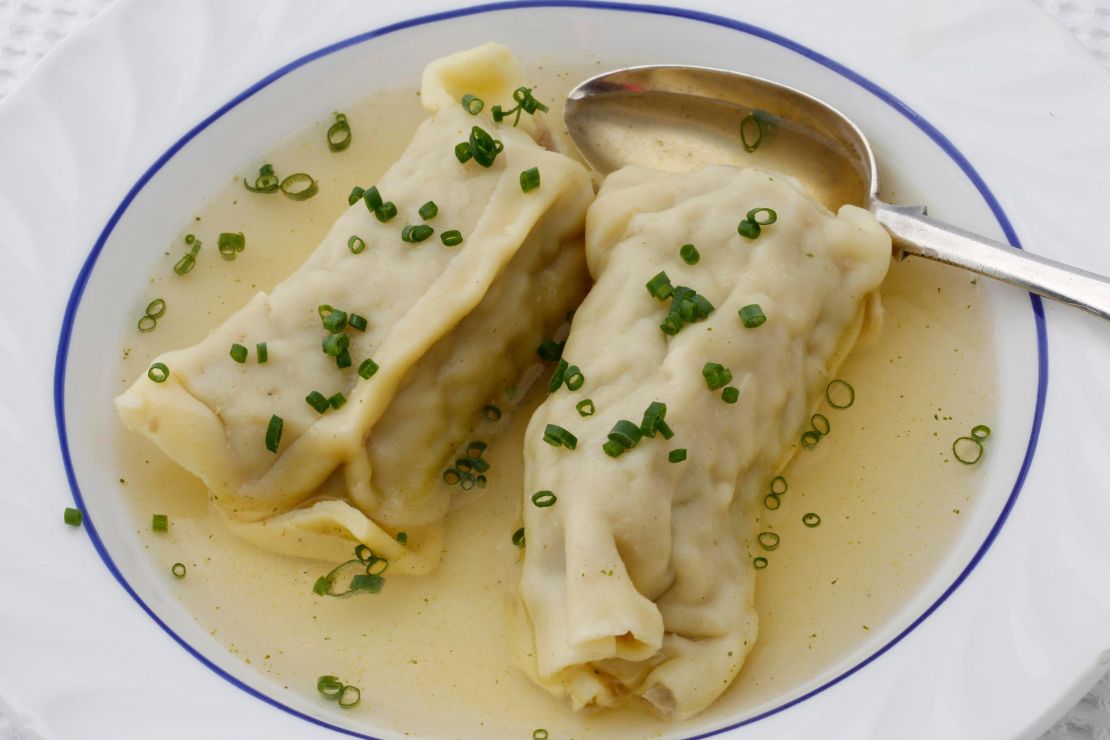
Moving to the southwest, the state of Baden-Württemberg offers Maultaschen, a dish that has achieved protected status under the European Union’s Geographical Indication (PGI) scheme. Often compared to Italian ravioli, these large, palm-sized pockets of dough are steeped in local lore. Legend has it that Cistercian monks at Maulbronn Monastery created the dish during Lent; by hiding minced meat inside a dough casing mixed with spinach, they hoped to conceal their meat consumption from the eyes of God—earning the dish the humorous nickname "Herrgottsbescheißerle" (God-cheaters). Today, Maultaschen are served either simmered in a clear broth or pan-fried with onions and butter, symbolizing the resourcefulness of Swabian home cooking.
Seafaring Heritage and the North German Palate
In the northern port cities of Hamburg, Bremen, and Kiel, the cuisine is defined by the North and Baltic Seas. Labskaus is perhaps the most iconic representation of this maritime heritage. Originating in the 18th and 19th centuries, it was designed to utilize preserved ship provisions. This "delectable mess" consists of salted beef, potatoes, and onions mashed together with pickled beetroot, giving it a distinctive pink hue. Historically served to sailors who suffered from scurvy or dental issues due to long voyages, it is traditionally accompanied by fried eggs, gherkins, and rollmops (pickled herring). While modern refrigeration has changed shipboard life, Labskaus remains a beloved regional specialty and a legendary "Katerfrühstück" or hangover cure.
Pickled herring, specifically Rollmops, serves as another cornerstone of northern German food. These fillets, rolled around a savory center of gherkins or olives, date back to the medieval period. Their popularity surged in the 19th century with the expansion of the German railway network, which allowed for the rapid transport of pickled goods from the coast to the interior. Today, they remain a symbol of the German breakfast table and a testament to the enduring importance of preservation techniques in Central European history.
The Sausage Legacy and the Post-War Street Food Revolution
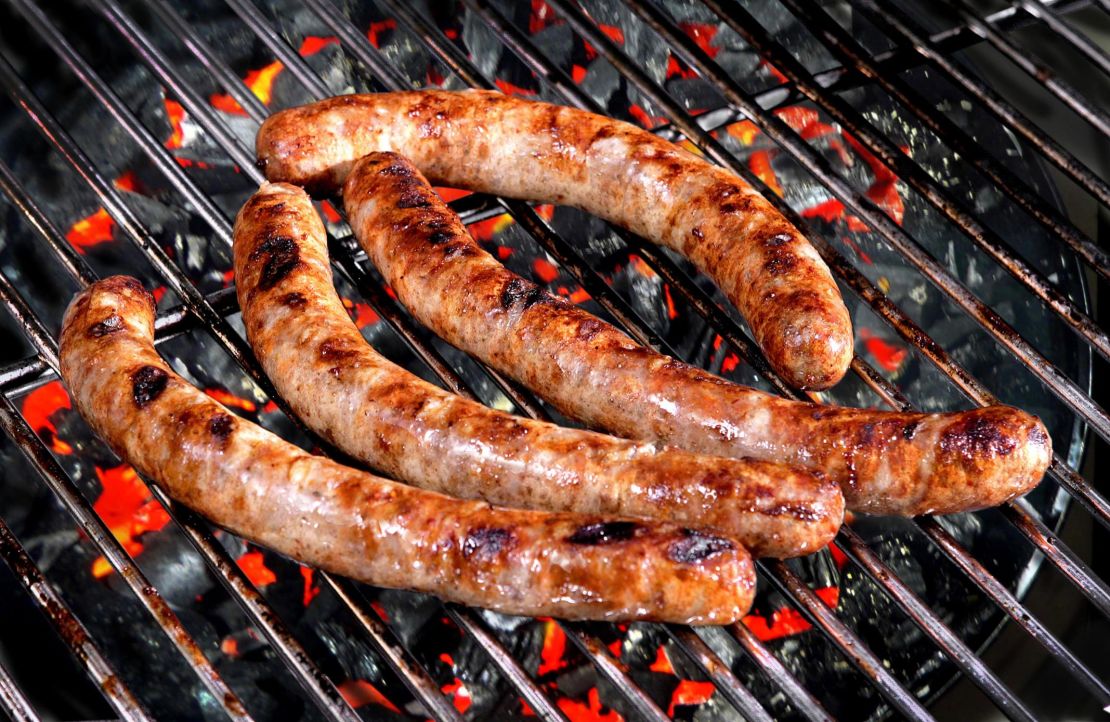
No analysis of German food is complete without addressing the "Wurst" culture. Germany produces more than 1,500 varieties of sausage, with Bratwurst serving as the most recognizable fried variety. Regional pride is deeply tied to these recipes; for instance, the Fränkische Bratwurst from Franconia is defined by the use of marjoram, while the small Nürnberger Rostbratwurst is protected by law, requiring it to be produced within the city limits of Nuremberg. In Thuringia, the spicy Thüringer Rostbratwurst is so culturally significant that the region opened the first German Bratwurst Museum in 2006.
However, the most consumed sausage dish in the country is the Currywurst, a post-war invention that has become a national icon. Attributed to Herta Heuwer in West Berlin in 1949, the dish was born of necessity. Heuwer obtained ketchup and curry powder from British soldiers and poured the mixture over grilled pork sausage. This simple street snack resonated with a nation in reconstruction, and today, Germans consume an estimated 800 million Currywursts annually. It serves as a culinary marker of the "Wirtschaftswunder" or economic miracle, representing the democratization of dining in the 20th century.
Immigrant Legacies and International Fusion
The 1960s and 70s brought a transformative wave of Turkish "Gastarbeiter" (guest workers) to Germany, a demographic shift that permanently altered the German palate. The Döner Kebab, as it is known in its sandwich form, was popularized by Kadir Nurman at West Berlin’s Zoo Station in 1972. While the rotating meat spit has ancient roots in the Middle East, the German innovation was to serve it as a portable meal with abundant salad and various sauces. Today, the Döner industry in Germany generates billions of euros in annual revenue, outperforming many traditional fast-food chains and offering a wide array of vegetarian and vegan alternatives.
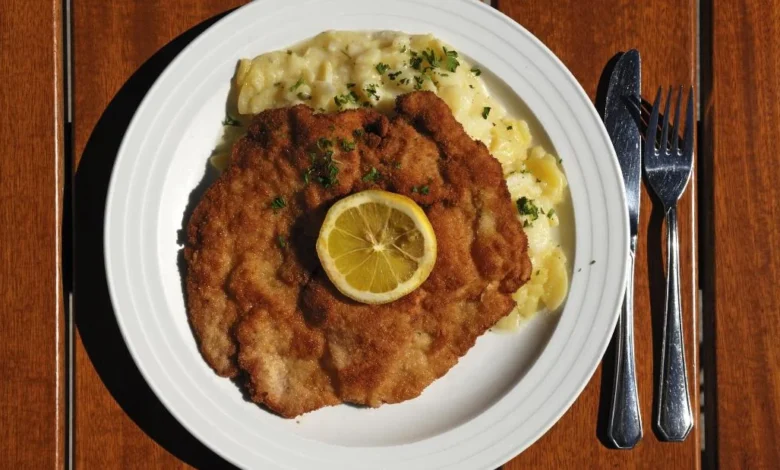
Similarly, the Schnitzel, though often associated with Austria, has become a fundamental part of the German restaurant experience. While the "Wiener Schnitzel" is strictly veal, the German "Schnitzel Wiener Art" is typically made with pork or turkey. The German contribution to the Schnitzel tradition is the variety of sauces: Jägerschnitzel (with mushroom gravy), Zigeunerschnitzel (with bell pepper sauce), and Rahmschnitzel (with cream sauce). This adaptability highlights the German preference for hearty, sauce-heavy meals that pair well with the country’s world-class lagers.
Seasonal Obsessions: Spargelzeit and the Wine Harvest
German eating habits are dictated heavily by the calendar. "Spargelzeit," the season of white asparagus, begins in mid-April and ends precisely on June 24th (St. John the Baptist Day). During this window, the country enters a state of "asparagus fever." White asparagus, or "white gold," is grown underground to prevent photosynthesis, resulting in a tender, ivory stalk. Germany produces over 70,000 tons of asparagus annually, and during the peak season, it appears on almost every menu, typically served with Hollandaise sauce, melted butter, and ham.
In autumn, the focus shifts to the vineyards. In regions like the Mosel and the Palatinate, October is defined by Federweisser and Zwiebelkuchen. Federweisser is a young, partially fermented wine with a cloudy appearance and high carbonation, which must be consumed quickly as it cannot be transported in airtight bottles. It is traditionally paired with Zwiebelkuchen, a savory onion tart topped with bacon and caraway seeds. This pairing marks the end of the harvest and is a communal celebration found in village squares across the wine regions.
The Diplomatic and Cultural Weight of Traditional Roasts
Traditional German Sunday dinners often center on roasts like Rouladen and Sauerbraten. Rinderrouladen—thin slices of beef wrapped around bacon, onions, mustard, and pickles—are a staple of family gatherings in the Rhine region. Sauerbraten, a pot roast that requires marinating meat for several days in a mixture of vinegar, wine, and spices, is considered one of Germany’s national dishes. The long marination process, originally used to tenderize tougher meats like horse, results in a unique sweet-and-sour flavor profile often balanced with a dark gravy made from gingerbread or beet sugar.
In the Palatinate, the Saumagen (sow’s stomach) holds a unique place in political history. Former Chancellor Helmut Kohl famously used the dish as a diplomatic tool, serving the stuffed pig’s stomach to world leaders like Margaret Thatcher, Mikhail Gorbachev, and Bill Clinton. While the name may be intimidating, the dish is essentially a high-quality sausage meat and potato stuffing served in slices, representing the rustic, unpretentious roots of German leadership.
The Sweet Conclusion: From Black Forest to Spaghetti Ice Cream
German baking is world-renowned, with the Schwarzwälder Kirschtorte (Black Forest Gateau) serving as its ambassador. Named not for the forest itself, but for the "Kirschwasser" (cherry brandy) produced there, the cake is a precise construction of chocolate sponge, whipped cream, and sour cherries. Similarly, the German Käsekuchen differs significantly from its American counterpart; by using "Quark" (a fresh acid-set cheese) instead of cream cheese, the resulting cake is lighter, fluffier, and less sweet.
Perhaps the most whimsical of German desserts is Spaghettieis. Invented in 1969 by Dario Fontanella in Mannheim, this dish consists of vanilla ice cream pressed through a potato ricer to look like pasta, topped with strawberry "tomato" sauce and white chocolate "parmesan" shavings. Its ubiquity in German ice cream parlors—despite Fontanella never patenting the idea—is a testament to the German love for culinary playfulness.
Analysis: The Future of the German Plate
As Germany moves further into the 21st century, its culinary landscape continues to balance tradition with modern values. There is a visible trend toward "Bio" (organic) products and a significant rise in vegetarianism, with Berlin often cited as the vegan capital of Europe. However, the core of German cuisine—its reliance on the seasons, its regional diversity, and its ability to integrate the flavors of its immigrant citizens—remains unchanged. From the seafaring Labkaus of the north to the monastic Maultaschen of the south, German food continues to be a robust and flavorful reflection of a nation that values both its history and its evolving identity. This rich gastronomic heritage ensures that for those who travel to Germany, the experience is as much a feast for the palate as it is a journey through time.
Related posts: