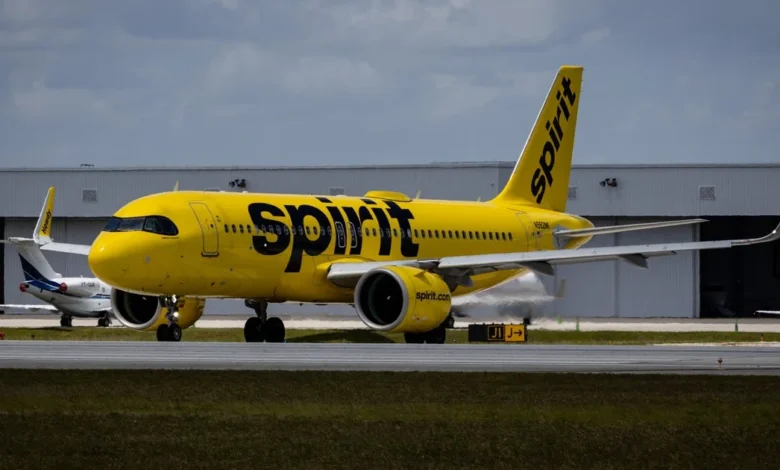
Spirit Airlines, a prominent ultra-low-cost carrier, announced early Saturday morning its immediate cessation of all flight operations, effective immediately, following the definitive failure to secure a critical $500 million federal aid package. The wind-down process has begun, leading to the cancellation of all scheduled flights and plunging thousands of passengers into travel chaos while leaving approximately 12,000 employees facing immediate job losses. This dramatic development, occurring on May 2, 2026, marks a significant shift in the competitive landscape of the U.S. aviation industry, signaling potential fare increases and reduced choices for budget-conscious travelers across domestic and international routes.
The airline’s final decision came after intense, last-ditch negotiations between Spirit Airlines, the Trump administration, and a consortium of bondholders reached an insurmountable impasse. Despite the federal government presenting what it described as a "final proposal," bondholders ultimately balked at the terms, deeming them insufficient or too risky given Spirit’s precarious financial position. Sources familiar with the discussions confirmed that the airline’s available cash reserves were projected to sustain operations for only a matter of days, making a shutdown inevitable without immediate external capital injection. This conclusion arrived after weeks of desperate attempts to avert the collapse, which had been signaled by multiple industry reports detailing Spirit’s rapidly dwindling liquidity.
Spirit’s Ultra-Low-Cost Model and Financial Vulnerabilities
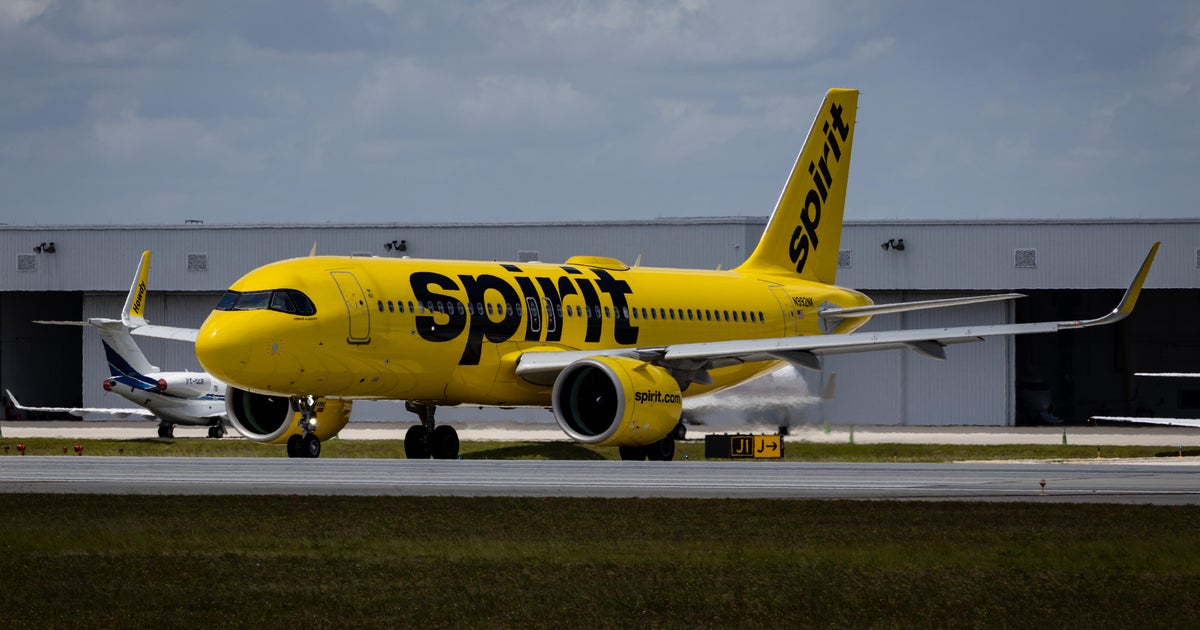
Spirit Airlines carved out a significant niche in the highly competitive U.S. airline market since its transformation into an ultra-low-cost carrier (ULCC) in the early 2000s. Its distinctive business model relied heavily on offering exceptionally low base fares, often significantly below those of legacy carriers, while generating substantial revenue through ancillary fees for everything from checked bags and seat selection to in-flight refreshments. This "unbundled" pricing strategy attracted a loyal segment of leisure travelers and those prioritizing cost above all else, allowing Spirit to capture an estimated 5-7% of the domestic U.S. market share in terms of passenger volume. With a fleet primarily composed of approximately 170-200 Airbus A320 family aircraft, Spirit efficiently operated a point-to-point network serving over 40 cities across the U.S., along with international routes in Central and South America. Its main operational hub was strategically located at Fort Lauderdale-Hollywood International Airport in Florida, a critical gateway for its extensive network, particularly to the Caribbean and Latin America.
However, this model, while successful in market penetration and growth, often operated on razor-thin margins, making the airline particularly vulnerable to external shocks. Industry analysts had long pointed to Spirit’s susceptibility to fluctuating fuel prices, intense competition from other budget carriers like Frontier and Allegiant, and even the basic economy offerings of legacy airlines. More recently, the specific economic context leading to the 2026 crisis is understood to have been a combination of sustained high operating costs, a period of suppressed travel demand, and a challenging financing environment. Unlike larger, more diversified carriers such as American, Delta, or United, Spirit lacked the deep financial reserves and diversified revenue streams to absorb prolonged periods of losses without significant external intervention. This inherent structural vulnerability, coupled with its inability to secure new private financing, ultimately pushed it to the brink and necessitated the desperate federal bailout negotiations.
A Crumbling Lifeline: The Failed Bailout Negotiations
The path to Spirit’s collapse was paved with weeks, if not months, of increasingly urgent discussions aimed at securing financial salvation. As early as late 2025, reports began surfacing about Spirit’s precarious liquidity position, leading the airline to officially approach federal authorities, including the Treasury Department and Department of Transportation, to explore options for emergency liquidity support.
-
Initial Appeals for Aid: Spirit’s initial appeals to the government outlined the severity of its cash flow problems and underscored the potential for widespread job losses and significant travel disruption should the airline fail. The proposed aid package, eventually crystallized at $500 million, was presented as a critical bridge. It aimed to provide the necessary capital for Spirit to stabilize operations, restructure its balance sheet, and navigate the immediate financial headwinds that threatened its existence. The airline argued that its collapse would remove a vital low-cost option for millions of travelers and exacerbate economic instability in key regions.
-
Government’s Conditional Offer: The Trump administration, while acknowledging the potential economic fallout of an airline collapse, reportedly approached the bailout request with a degree of caution, emphasizing the need for a "good deal" for taxpayers. President Trump himself, when questioned about Spirit’s plight on Friday, remarked, "Well, I guess we’re looking at it. If we can do it, we’ll do it but only if it’s a good deal." This stance suggested that any government assistance would come with stringent conditions, likely including equity stakes, warrants, or other mechanisms to ensure taxpayers could benefit from a future recovery, and to prevent setting a precedent for unconditional bailouts of struggling private enterprises. The administration’s "final proposal" presented to Spirit and its bondholders was understood to reflect these conditions, aiming to balance corporate rescue with fiscal responsibility.
-
The Sticking Point: Bondholder Opposition: The critical hurdle, however, proved to be the airline’s bondholders. These creditors, who had lent money to Spirit in exchange for fixed interest payments, held significant sway over the airline’s financial restructuring. Any government aid package would inevitably impact their existing claims, potentially by diluting their stake, altering repayment terms, or placing government debt in a senior position. Sources indicated that bondholders "balked at the terms," primarily due to concerns about the valuation of their existing holdings and the perceived risk-reward profile of the proposed restructuring. Their refusal to agree to the proposed concessions, which might have included converting some debt to equity or accepting lower returns, ultimately sealed Spirit’s fate. For institutional bondholders, often driven by fiduciary duties to their own investors, the proposed terms did not offer sufficient protection or upside potential to warrant their consent, leading to the definitive breakdown of negotiations late Friday. This impasse highlighted the complex interplay between private financial interests and public policy objectives in times of corporate distress.
-
President Trump’s Intervention and Finality: Despite President Trump’s earlier statement about "looking at it" and wanting to "save the jobs," administration officials were reportedly informed that there would be no last-minute federal intervention once the bondholder talks collapsed. The President’s comment about giving them a "final proposal" underscored the administration’s position that it had extended its maximum offer. The lack of further engagement from the White House or Treasury Department after the bondholder rejection effectively removed any remaining hope for a federal lifeline, pushing Spirit inexorably towards its shutdown deadline of Saturday morning, May 2, 2026. The political will to override bondholder objections or offer more generous terms was evidently absent.
The Immediate Aftermath: Stranded Passengers and Canceled Flights
The immediate fallout of Spirit’s operational cessation has been a significant disruption to air travel across the United States and beyond. Thousands of passengers, many of whom had booked flights for the upcoming weekend or future travel, found themselves suddenly without transportation. With an estimated daily flight schedule of several hundred departures, the cancellations created a ripple effect, overwhelming customer service lines of competing airlines and travel agencies. Reports from major airports like Fort Lauderdale-Hollywood, Orlando, and Las Vegas indicated scenes of confusion and frustration as travelers learned of the news.
- Guidance for Affected Travelers: Passengers holding Spirit Airlines tickets are now faced with the daunting task of rebooking travel, often at significantly higher last-minute fares. Industry experts and consumer advocacy groups advise affected travelers to:
- Check Spirit’s Official Channels: While operations have ceased, the airline’s website and app may offer the most up-to-date, albeit grim, official guidance regarding the shutdown and any potential, albeit limited, next steps.
- Contact Credit Card Companies: For tickets purchased directly from Spirit, consumers should immediately contact their credit card providers to dispute the charges, as they are entitled to a refund for services not rendered. This is likely the most effective recourse for monetary recovery.
- Explore Travel Insurance: Travelers who purchased comprehensive travel insurance policies may be able to claim reimbursement for non-refundable Spirit tickets and potentially for additional costs incurred due to rebooking, such as last-minute hotel stays or new flights. Policy terms vary widely.
- Alternative Airlines: While other airlines may offer "rescue fares" or rebooking assistance on a limited, goodwill basis, their capacity is finite, and prices for last-minute travel are expected to surge due to increased demand. Passengers should prepare for higher costs and potentially indirect routes to reach their destinations.
- Monitor News and Government Advisories: Official announcements from the Department of Transportation or consumer protection agencies may provide additional guidance or remedies as the situation unfolds.
The sudden removal of a major ULCC from the market means a substantial reduction in available seats, particularly on routes previously dominated by Spirit’s low-fare offerings. This is expected to lead to an immediate and noticeable increase in airfares across many domestic and international markets, at least in the short term, as demand shifts to fewer carriers.
Tens of Thousands of Jobs Lost: Employee Impact
The shutdown represents a devastating blow to Spirit Airlines’ approximately 12,000 employees, encompassing pilots, flight attendants, mechanics, ground staff, and corporate personnel. These dedicated individuals, many of whom had spent Friday at the airline’s Dania Beach, Florida, headquarters anxiously awaiting news, now face immediate unemployment. As one Spirit employee grimly told CBS News, "Everybody knows" what was coming, but the official confirmation brings a harsh and immediate reality of joblessness.
- Union Reactions and Support Efforts: Unions representing Spirit’s workforce, including the Air Line Pilots Association (ALPA), the Association of Flight Attendants (AFA-CWA), and various mechanic unions, have expressed profound disappointment and anger at the failure of bailout talks. In immediate statements, union leaders condemned the lack of a resolution, called for immediate government support for displaced workers through unemployment benefits and retraining programs, and urged other airlines to prioritize hiring former Spirit employees given their experience and qualifications. These unions will likely work to establish job fairs, provide guidance on severance packages (if any are available), and offer robust support networks for their members during this challenging transition. The economic impact will be particularly severe in Spirit’s main operational centers, such as Fort Lauderdale, where the airline was a major employer and its sudden absence will create a significant ripple effect through local economies.
Ripple Effects Across the Aviation Industry
The cessation of Spirit Airlines’ operations is not merely the failure of one company; it sends significant ripple effects throughout the entire commercial aviation ecosystem, from competitive dynamics to airport infrastructure and global supply chains.
-
Market Consolidation and Fare Increases: Spirit’s departure eliminates a key competitor, particularly in the budget travel segment. This will inevitably lead to some degree of market consolidation, particularly as other ULCCs like Frontier Airlines and Allegiant Air, along with the basic economy offerings of legacy carriers (American, Delta, United), will likely absorb some of Spirit’s former routes and passenger base. However, without the aggressive pricing pressure exerted by Spirit, the overall cost of air travel is anticipated to rise. While competitors may initially expand capacity on high-demand routes, the long-term trend could see higher average fares as competition diminishes, potentially impacting leisure travelers disproportionately.
-
Airport Operations and Route Adjustments: Airports like Fort Lauderdale-Hollywood International, a major Spirit hub, will experience significant operational adjustments. Gate assignments, landing slots, and ground services will need to be reconfigured. Other airports where Spirit had a substantial presence will also face similar, albeit smaller, shifts. Competitors will undoubtedly evaluate Spirit’s most profitable routes to determine where they can step in and capture market share. This process, however, takes time, and many routes, especially those to smaller or less popular destinations that Spirit served, may see reduced frequency or even be discontinued if not deemed profitable enough by remaining carriers. This could leave some communities with fewer air travel options.
-
Supplier and Partner Challenges: The airline industry relies on a vast network of suppliers, from aircraft manufacturers like Airbus (Spirit’s primary supplier) to maintenance providers, caterers, fuel suppliers, and technology vendors. Spirit’s shutdown will lead to canceled orders, unfulfilled contracts, and significant financial losses for these partners. For Airbus, this means a reduction in its order backlog, though likely manageable given the global scale of its operations. For smaller, specialized aviation service providers, the loss of a major client like Spirit could be catastrophic, potentially leading to their own financial distress or consolidation within their respective sectors. The entire ecosystem experiences a