American Airlines to Implement Electronic Boarding Gates at Dallas Fort Worth International Airport to Streamline Departure Procedures

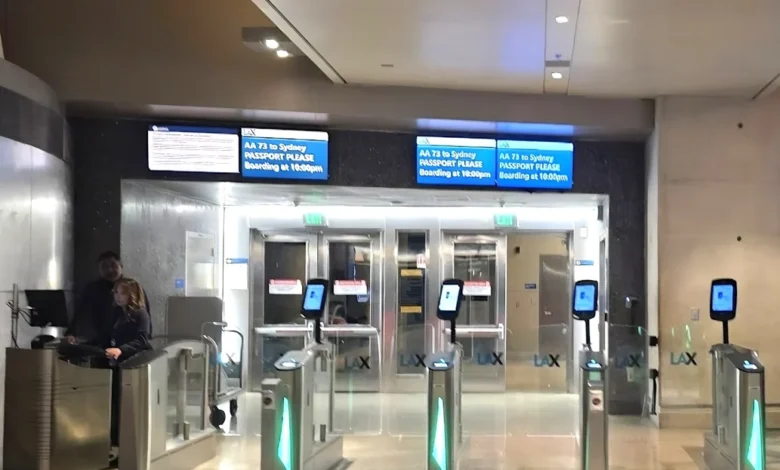
American Airlines has officially announced the large-scale deployment of electronic boarding gates at Dallas-Fort Worth International Airport (DFW), marking a significant shift in the carrier’s approach to ground operations and passenger management. Following a trial phase concluded in late 2025, the airline is integrating automated turnstiles at its new gates within the Terminal C expansion pier. This initiative represents a broader industry trend toward automation, aiming to modernize the boarding process at one of the world’s busiest aviation hubs. The rollout, scheduled to commence in the summer of 2026, is designed to enhance the consistency of the boarding experience while addressing long-standing issues of gate congestion and unauthorized boarding sequence violations.
The implementation follows a successful pilot program conducted in November 2025, which provided the airline with data regarding passenger flow and system reliability. According to American Airlines, the feedback from the pilot indicated a demand for a more seamless, user-friendly interface that reduces the manual workload of gate agents during the high-pressure window immediately preceding departure. By deploying this technology at scale at its primary hub, American Airlines seeks to establish a new standard for domestic and international departures, focusing on digital validation and automated access control.
Technological Framework and Operational Mechanism
The electronic boarding gates, often referred to as "e-gates," function as automated barriers that open only after a valid boarding pass is scanned and verified by the airline’s backend system. These units are equipped with high-resolution optical scanners capable of reading both digital barcodes from mobile devices and traditional printed thermal paper passes. Once a pass is scanned, the system cross-references the data with the flight manifest in real-time to ensure the passenger is at the correct gate and, crucially, that their assigned boarding group has been called.
One of the primary technical objectives of these gates is the regulation of the "pace" of boarding. Traditionally, boarding bottlenecks occur within the jet bridge, as passengers struggle with carry-on luggage or wait for those ahead of them to find their seats. The electronic gates allow the airline to program specific intervals or "pulse" the flow of passengers. By holding the queue at the gate rather than allowing a backup to form in the confined space of the jetway, the airline aims to maintain a more orderly environment.
Furthermore, the hardware installed at DFW Terminal C is designed with modularity in mind. While the initial launch focuses on barcode scanning, the units are physically configured to support biometric "add-ons," such as facial recognition cameras. This aligns with the broader goals of the U.S. Customs and Border Protection (CBP) and the Department of Homeland Security (DHS) to implement a "biometric exit" system for international travelers.
The Role of Biometrics in Modern Aviation
The transition to automated gates is inextricably linked to the federal government’s push for enhanced identity verification. At many international departure points across the United States, the CBP’s Traveler Verification Service (TVS) is already in use. This cloud-based system compares a live photo of a passenger taken at the gate against a gallery of images built from passport and visa documentation.
If American Airlines chooses to activate the biometric features of the new DFW gates, the process would involve a "one-to-n" matching algorithm. As a passenger approaches the gate, a camera captures their image and sends it to the TVS cloud. If the system finds a match against the flight manifest and the government’s database, the turnstile opens automatically. If no match is found, the passenger is directed to a gate agent for a manual document check. This process is intended to eliminate the need for physical boarding passes and passports at the final boarding stage, though current regulations still require passengers to carry these documents throughout their journey.
Chronology of Implementation and Future Rollout
The timeline for American Airlines’ automation strategy has moved through several distinct phases:
- Conceptual Development (Pre-2025): Analysis of global e-gate trends, particularly those used in major European and Asian hubs like London Heathrow and Singapore Changi.
- The DFW Pilot (November 2025): A limited trial at select gates to test hardware durability, scanning speed, and passenger intuition.
- Data Analysis and Refinement (Winter 2025 – Spring 2026): Adjustment of software logic to handle "exception" cases, such as seat changes, upgrades, and families traveling together.
- Official Launch (Summer 2026): Deployment at the new Terminal C expansion pier at DFW, coinciding with the peak summer travel season.
- Network-Wide Assessment (Late 2026 and Beyond): Evaluation of the DFW rollout to determine the feasibility of expanding the technology to other major hubs such as Charlotte (CLT), Miami (MIA), and Chicago (ORD).
Strategic Objectives and Efficiency Goals
American Airlines has stated that the primary value proposition of these gates is the creation of a "more seamless" experience. From a strategic standpoint, the airline is addressing several operational pain points:
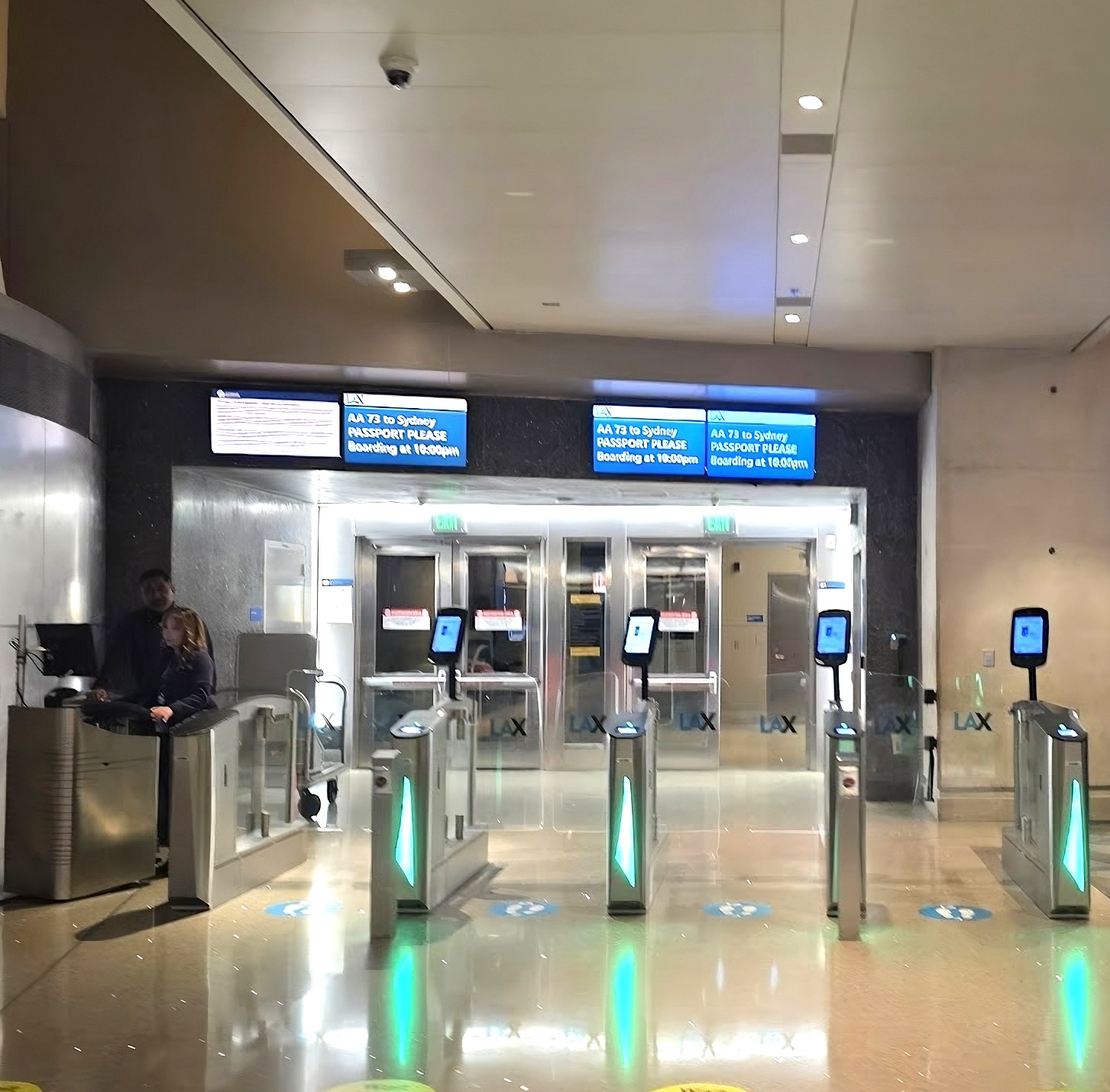
- Boarding Group Integrity: One of the most frequent complaints from high-status frequent flyers is "gate lice," a term used to describe passengers who crowd the boarding area and attempt to board before their assigned group. The automated gates are programmed to deny entry to anyone whose group has not yet been called, effectively enforcing the airline’s boarding priority policy without requiring gate agents to engage in potentially confrontational interactions.
- Staff Reallocation: By automating the routine task of scanning barcodes, American Airlines intends to "free up" gate agents to handle more complex customer service issues. These include managing standby lists, processing last-minute upgrades, and assisting passengers with missed connections or rebooking needs.
- Data Collection: The e-gates provide the airline with precise data on boarding speeds and passenger behavior, allowing for more accurate modeling of "turn times"—the period an aircraft spends on the ground between flights.
Potential Challenges and Industry Critique
Despite the projected benefits, the transition to automated boarding is not without its critics and operational hurdles. Industry analysts point out that the act of scanning a barcode is rarely the actual bottleneck in the boarding process. Instead, delays are typically caused by limited overhead bin space, the need to gate-check bags, and the physical constraints of the aircraft cabin.
1. Group Boarding Complexity:
One significant question remains regarding how the system handles groups on the same reservation who have different boarding priorities. American Airlines currently allows family members to board with the person who holds the highest status. For example, an Executive Platinum member in Group 1 can board with a companion in Group 9. Ensuring that the electronic gate recognizes these relationships without manual intervention requires sophisticated integration between the gate hardware and the Passenger Service System (PSS).
2. Hardware and Network Reliability:
The introduction of electronic turnstiles adds a new layer of potential failure. In the event of a network outage, hardware malfunction, or a software "hiccup," the entire boarding process could come to a standstill. Unlike a manual process where an agent can continue to check IDs and manifest lists on paper if necessary, an automated system is heavily dependent on constant connectivity.
3. The "Human Touch" vs. Automation:
There is a concern among passenger advocacy groups that automation serves as a precursor to reduced staffing levels. If the technology is used to justify having fewer agents at the gate, the overall customer experience could suffer during irregular operations (IROPS), such as weather delays or mechanical issues, when human assistance is most critical.
4. Exception Handling:
Passengers frequently present boarding passes that are no longer valid due to last-minute seat assignments or upgrades. If the e-gate is not updated instantaneously with the most recent cabin data, passengers may be incorrectly turned away, leading to confusion and frustration at the gate.
Privacy and Civil Liberties Implications
The potential integration of facial recognition technology has also drawn attention from civil liberties advocates. While the government maintains that biometric data for U.S. citizens is handled with strict privacy protocols and deleted after a short period, the shift toward a "surveillance-style" boarding process is a point of contention. Critics argue that the normalization of biometric tracking in domestic travel sets a precedent for broader government monitoring. American Airlines has not yet confirmed the extent to which biometric data will be utilized for domestic flights at DFW, but the capability of the hardware suggests that the infrastructure for such a transition is being established.
Impact on the DFW Hub and the Global Market
Dallas-Fort Worth International Airport serves as the heartbeat of American Airlines’ global network, handling over 80 million passengers annually. The Terminal C expansion is a multi-billion dollar project aimed at modernizing one of the airport’s oldest and most utilized sections. By placing electronic gates at the center of this expansion, American is signaling that automation is the future of its infrastructure strategy.
As other domestic carriers like Delta and United also experiment with various forms of biometric and automated boarding, the success or failure of the DFW rollout will likely dictate the pace of adoption across the United States. If the system proves to reduce turn times and improve passenger satisfaction scores, it is probable that electronic turnstiles will become a standard feature of the American airport landscape by the end of the decade.
In conclusion, the launch of electronic boarding gates at DFW is a pivotal moment for American Airlines. It represents a bet on technology as the solution to the logistical complexities of modern air travel. While the move promises greater efficiency and enforcement of boarding protocols, the airline must navigate the technical challenges of group boarding and the social challenges of reduced human interaction to truly "reinvent" the boarding experience.