United Airlines Restructures MileagePlus Program to Incentivize Co-Branded Credit Card Ownership Among Frequent Flyers

United Airlines has officially implemented significant structural changes to its MileagePlus loyalty program, fundamentally altering how members earn and redeem frequent flyer miles. The updates represent a strategic shift toward a "pay-to-play" ecosystem, where the most competitive earning rates and redemption values are now reserved for customers who hold a co-branded Chase United credit card. Under the new guidelines, members without a qualifying credit card will see a reduction in their base earning rates, while those who maintain an active card account will be eligible for enhanced rewards, effectively creating a tiered experience within the loyalty program based on financial products rather than just flight activity.
The overhaul affects everything from basic economy fare earnings to the mileage cost of Polaris business class awards. While airline loyalty programs have historically focused on rewarding "butt-in-seat" miles, United’s latest move aligns with a broader industry trend where carriers prioritize high-margin revenue generated through banking partnerships. By linking program utility directly to credit card ownership, United aims to increase the "stickiness" of its financial products and secure a steady stream of ancillary revenue from Chase, its long-term credit card issuer.
The New Earning Structure: A Divergence of Value
The most immediate impact of the restructuring is the divergence in mileage earning rates per dollar spent on airfare. Previously, MileagePlus members earned miles based on a standard multiplier tied to their elite status level. Under the revised system, United has introduced a two-track earning model. General members and elite "Premier" members who do not carry a United co-branded credit card will see their earning rates drop by two miles per dollar across the board. Conversely, those with a qualifying card will see their rates increase by one mile per dollar over previous levels.
For a general member without a credit card, the earning rate has been reduced from five miles per dollar to just three. However, if that same member holds a United credit card, their earning rate jumps to six miles per dollar. This creates a 100% difference in earning potential between non-cardholders and cardholders at the entry level. This disparity continues through the elite ranks. A Premier 1K member—the highest published tier in the program—will now earn nine miles per dollar without a card, down from 11. With a card, that same 1K member earns 12 miles per dollar.
Furthermore, United is taking a more aggressive stance on Basic Economy fares. Effective April 2, general members who do not hold a co-branded credit card will no longer earn any redeemable miles on Basic Economy tickets. For elite members without a card, the program will deduct three miles per dollar from their usual earning rate when flying on these restricted fares. Cardholders, however, will continue to earn miles on Basic Economy tickets, reinforcing the card as a necessary tool for budget-conscious travelers who still wish to participate in the loyalty ecosystem.
Enhanced Redemption Values and Inventory Access
The changes extend beyond the accrual of miles into the redemption phase, where United is leveraging its technology to show cardholders lower "prices" for award flights. The airline has long offered expanded award inventory to credit cardholders—specifically the "XN" fare class for economy awards—but the new system formalizes and markets these discounts more transparently. Primary cardholders can now view discounted award pricing directly on the United website and mobile app, with the interface highlighting the "savings" achieved by holding the card.
According to data provided by the carrier, a standard United Economy award that might cost 15,000 miles for a non-cardholder will be priced at approximately 13,500 miles for a primary cardholder who does not have Premier status, representing a 10% discount. For elite members who also hold a card, the discounts can be even more substantial. A United Polaris business class seat priced at 200,000 miles could be offered to a Premier member with a co-branded card for 170,000 miles, a 15% reduction.
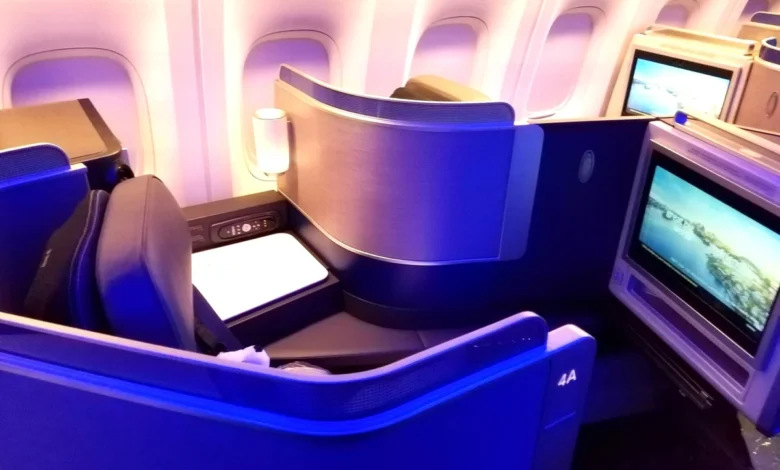
In addition to lower prices, United is promoting "additional inventory of Saver Award seats" in the Polaris business class cabin specifically for cardmembers. This is a significant development for high-value travelers, as Saver Award space on international long-haul routes is often the most sought-after and difficult-to-find commodity in the MileagePlus program. By restricting the best inventory and the lowest prices to cardholders, United is effectively devaluing the miles held by those who interact with the airline solely through flying.
Analysis of Co-Branded Card Options and Strategic Incentives
To facilitate this transition, United and Chase have updated the introductory offers and benefit structures for their suite of credit cards. The strategy appears to be designed to capture every segment of the market, from the casual traveler to the corporate executive.

The United Explorer Card remains the flagship consumer product, currently offering a $0 introductory annual fee for the first year (followed by a $95 to $150 annual fee depending on the specific offer). This card is positioned as the primary entry point for flyers looking to "unlock" the new earning and redemption benefits without an immediate upfront cost. For more frequent travelers, the United Quest Card offers a $125 annual United travel credit, which offsets a significant portion of its higher annual fee, provided the user flies with United at least five times a year with purchases of $100 or more.
The United Club Infinite Card targets the premium segment, bundling a full United Club lounge membership with the highest levels of mileage earning. United’s internal analysis suggests that the cost of the card is often lower than the retail price of a standalone lounge membership, making it a "bundle" play for frequent travelers.
For those averse to annual fees, the United Gateway Card offers a path to these benefits, though with a significant caveat. To unlock the higher earning rates and redemption discounts on the $0 annual fee Gateway card, members must spend at least $10,000 on the card within a calendar year. This requirement does not apply to the annual fee-bearing cards, where the benefits are active simply by maintaining the account. This distinction highlights United’s goal: either the consumer pays an annual fee, or they provide the airline with significant interchange revenue through high card spend.
Chronology of the MileagePlus Evolution
The current restructuring is the latest in a series of aggressive moves by United to modernize and monetize its loyalty program over the past decade.
- 2015: United followed Delta’s lead by transitioning MileagePlus from a distance-based earning model (miles flown) to a spend-based model (dollars spent). This shifted the program’s value toward high-spending business travelers and away from "mileage runners" who sought cheap, long-distance flights.
- 2019: The airline eliminated fixed award charts, moving toward a dynamic pricing model. This allowed the airline to fluctuate the cost of award seats based on demand, similar to cash fares.
- 2020-2021: During the global pandemic, United (and other carriers) used their loyalty programs as collateral to secure billions of dollars in financing. This underscored the massive valuation of these programs, often pegged at more than the airline’s aviation business itself.
- Current Phase: The integration of the credit card as a mandatory component for "full" program membership. This phase marks the transition of MileagePlus from a frequent flyer program into a comprehensive financial services platform.
Competitive Landscape and Industry Implications
United is not alone in this shift. The "Big Three" U.S. carriers—United, Delta, and American Airlines—have all moved toward models that heavily favor credit card spend. American Airlines revamped its entire status system around "Loyalty Points," which can be earned through credit card spend and online shopping portals, often without ever stepping foot on a plane. Delta Air Lines recently faced significant backlash for overhauling its SkyMiles program to be almost entirely spend-dependent, though it later walked back some of the most extreme changes following customer protests.

The broader implication for the travel industry is a "bifurcation" of the passenger experience. Travelers who are willing to engage with an airline’s financial ecosystem are rewarded with lower costs and better service, while "unattached" travelers are increasingly marginalized. For United, the financial incentives are clear. The revenue generated from selling miles to Chase is high-margin and shielded from the volatile costs of jet fuel and labor that plague the operational side of the airline.
Industry analysts suggest that this move will likely increase the "burn rate" of miles, as cardholders are encouraged to redeem their miles for the newly discounted awards, while non-cardholders may find their balances increasingly difficult to use for high-value flights. This helps the airline manage its massive loyalty liability on the balance sheet.
Official Positioning and Market Response
United Airlines has positioned these changes as a way to "provide more value" to its most loyal customers. In official communications, the carrier emphasizes that the primary cardholders will see immediate and tangible savings on their travel. By highlighting the "discounted" prices on the app, United is using behavioral psychology to make cardholders feel they are receiving a deal, while simultaneously signaling to non-cardholders what they are missing.
Consumer advocacy groups, however, have expressed concerns that these changes make loyalty programs increasingly opaque and difficult for the average consumer to navigate. The requirement to hold a specific credit card to earn the "standard" rate of miles (as it existed previously) could be viewed as a hidden fee for program participation.
As these changes take hold, the success of the strategy will be measured by the growth in Chase United credit card applications and the retention of elite members. For the frequent flyer, the message from Chicago is clear: the most valuable asset in a traveler’s wallet is no longer just their passport, but the specific piece of plastic they use to pay for their ticket. For those who fly United regularly, the cost of not having the credit card has now been quantified in the form of fewer miles earned and more miles spent.