American Airlines Expands AAdvantage Rewards to Private Aviation Through New Partnership with TLC Jet

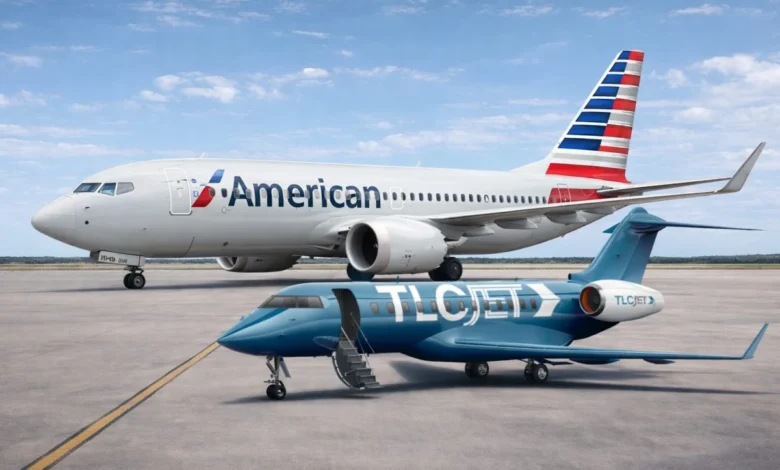
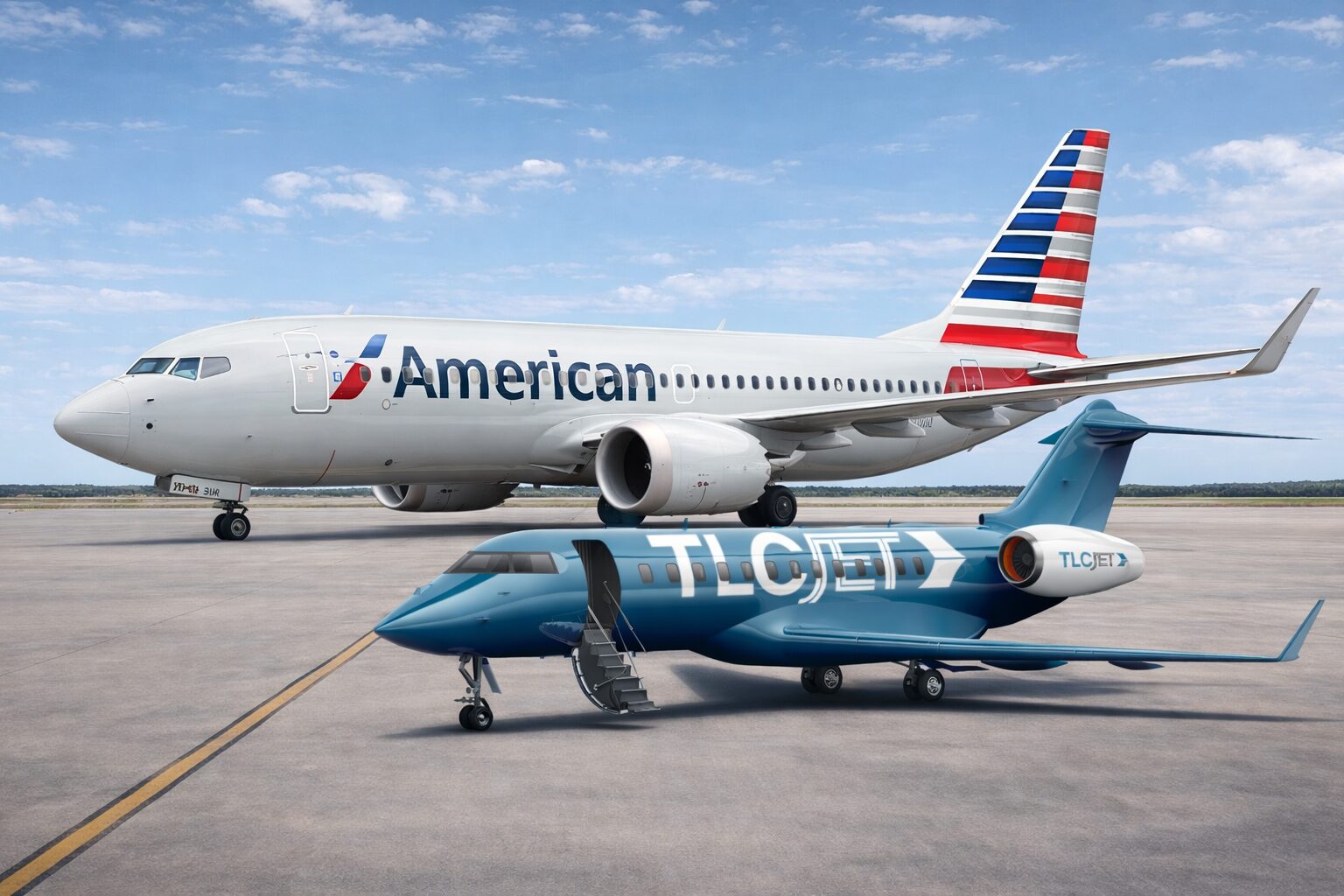
American Airlines has officially entered into a strategic partnership with TLC Jet, a move that allows members of the AAdvantage loyalty program to earn miles and elite status credits when booking private jet charters. This collaboration marks a significant shift in the airline’s approach to the ultra-premium travel segment, integrating the world of private aviation directly into its loyalty ecosystem. Under the terms of the agreement, AAdvantage members will earn one redeemable mile and one Loyalty Point for every dollar spent on base flight charges with TLC Jet.
The partnership represents a "capital-light" entry into the private aviation market for the Fort Worth-based carrier. Unlike its primary competitor, Delta Air Lines, which holds a significant equity stake in Wheels Up, American Airlines is positioning itself as a brand, loyalty, and distribution partner. This arrangement allows American to offer its highest-value customers a seamless transition between commercial and private travel without the operational complexities of managing a fleet of small aircraft.
Structural Details of the AAdvantage and TLC Jet Collaboration
The integration between the two entities is structured specifically through the AAdvantage program rather than as a traditional airline codeshare or interline agreement. Consequently, several standard airline partner benefits do not apply to these private flights. Travelers should note that elite mileage bonuses—which typically grant Executive Platinum or Platinum Pro members extra miles on commercial flights—are not applicable to TLC Jet bookings. Furthermore, spend on private charters will not contribute toward Million Miler status, as TLC Jet is classified as an "AAdvantage partner" rather than an "airline partner."
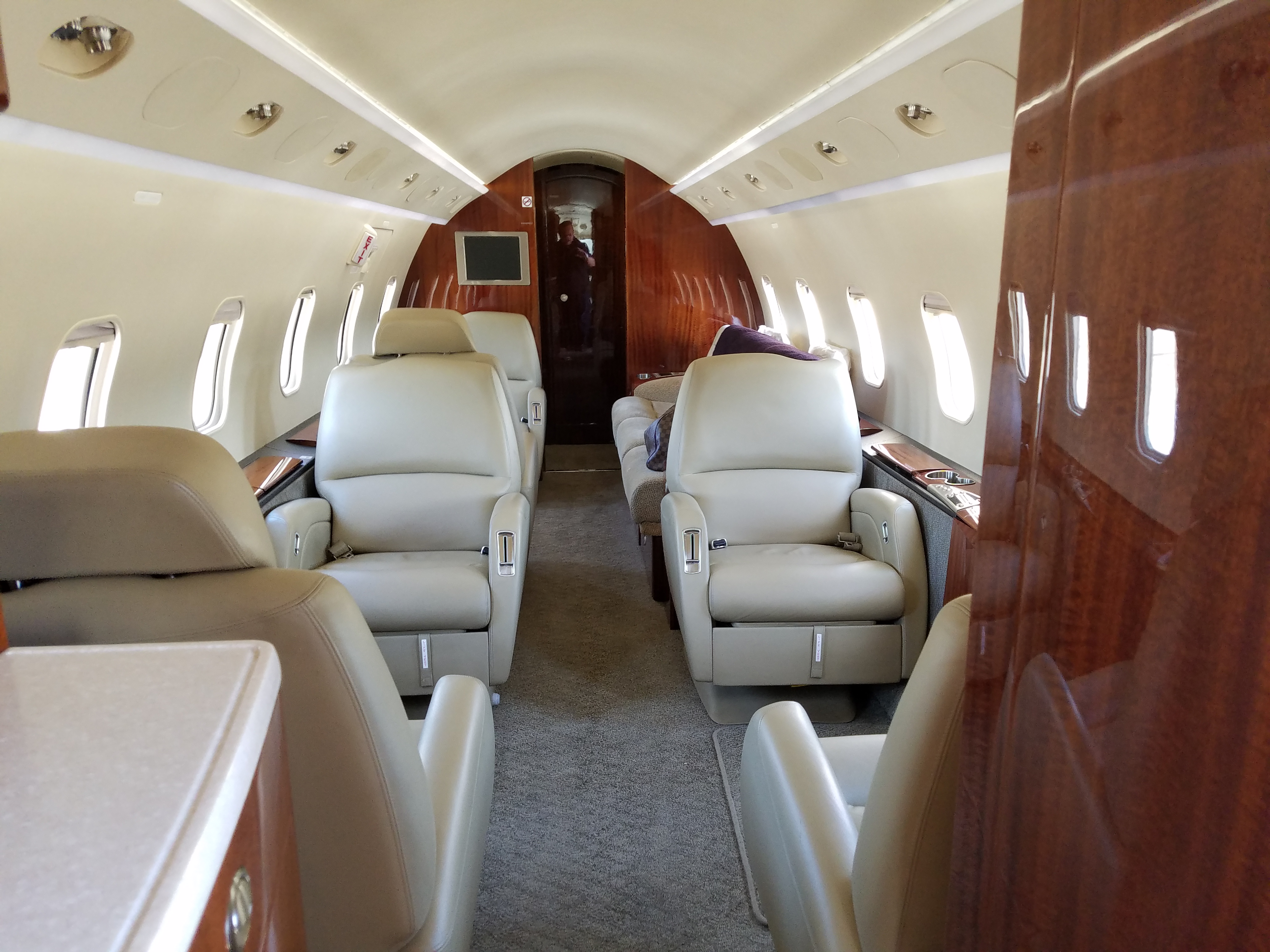
TLC Jet operates on a pay-as-you-go model, a feature that distinguishes it from many competitors in the private charter industry that require significant six-figure prepaid deposits or monthly membership fees. This flexibility is expected to appeal to AAdvantage members who may only require private aviation for specific occasions or routes not well-served by commercial schedules. According to official documentation from TLC Jet, miles and Loyalty Points are expected to post to a member’s account within a window of 48 hours to 30 days following the completion of travel.
Strategic Context and Executive Perspectives
The partnership is a cornerstone of American Airlines’ broader strategy to capture a larger share of the "premium" travel market. Steve Johnson, Vice Chair and Chief Strategy Officer at American Airlines, has framed the initiative as a response to evolving consumer preferences. In recent internal communications and industry briefings, Johnson has emphasized that the airline is focused on serving travelers who demand high-end, customizable experiences. By partnering with TLC Jet, American can monetize these premium preferences and maintain a relationship with high-net-worth individuals even when they opt out of the commercial cabin.
From the perspective of TLC Jet, the partnership provides an immediate infusion of credibility and a massive distribution channel. TLC Jet was founded by Justin Firestone, a seasoned veteran of the private aviation industry. Firestone’s pedigree includes co-founding Wheels Up and previously serving as a strategic advisor to American Airlines itself. Industry analysts suggest that Firestone’s historical ties to American’s executive suite likely facilitated the deal, navigating the complex bureaucracy of the AAdvantage program to create a streamlined earning structure. For a boutique charter firm, the ability to offer AAdvantage Loyalty Points provides a unique competitive advantage over larger, more established charter brokers.
The Economics of Private Aviation Loyalty
The inclusion of private jet spend in the Loyalty Points system could significantly alter the path to elite status for wealthy travelers. American Airlines’ Loyalty Points system, introduced in 2022, moved away from flight segments and mileage flown toward a spend-centric model. Under current requirements, reaching the top-tier Executive Platinum status requires 200,000 Loyalty Points.
Given that a domestic private jet charter can easily cost between $15,000 and $50,000 depending on aircraft size and distance, a single round-trip flight could theoretically earn a traveler enough points to secure mid-tier status (such as AAdvantage Gold or Platinum) instantly. For example, a $40,000 charter flight would generate 40,000 Loyalty Points, meeting the threshold for AAdvantage Gold status in a single transaction. This synergy makes the TLC Jet partnership one of the most efficient ways to "fast-track" status within the American Airlines ecosystem, provided the customer has the financial means to utilize private aviation.
Regulatory Tensions and the JSX Controversy
The partnership arrives amid a period of regulatory friction involving American Airlines and the private aviation sector. For the past year, American Airlines has been a vocal critic of "public charter" operators, most notably the Dallas-based carrier JSX. JSX operates 30-seat Embraer jets out of private terminals (FBOs), allowing passengers to bypass traditional TSA security lines while flying on a scheduled basis.
American Airlines, alongside labor unions and other legacy carriers, has petitioned the Federal Aviation Administration (FAA) and the Department of Transportation (DOT) to tighten regulations on these Part 135 operators. American has argued that carriers like JSX are essentially operating as scheduled airlines but benefiting from the less stringent security and pilot training requirements intended for small-scale charter operations.
However, the partnership with TLC Jet highlights a perceived inconsistency in American’s corporate stance. TLC Jet openly markets the benefits of flying from private terminals, noting on its platform that "security procedures and baggage checks are normally minimal compared to flying commercially." While American Airlines CEO Robert Isom has previously stated in closed-door meetings that the opposition to JSX was driven by commercial competition—specifically the threat JSX poses to American’s premium short-haul traffic—the carrier is now actively profiting from and marketing the very Part 135 "private terminal" experience it condemned in Washington.
Comparative Industry Landscape
American is not the only legacy carrier to bridge the gap between commercial and private flight. The industry has seen several high-profile integrations:
- Delta Air Lines and Wheels Up: Delta maintains a deep partnership with Wheels Up, which included the integration of Delta’s SkyMiles program and the transition of Delta’s own "Delta Private Jets" fleet into the Wheels Up fold.
- United Airlines and VistaJet: United has previously experimented with partnerships that allow for seamless transfers from international widebody flights to private jets for the final leg of a journey.
- JetBlue and JSX: In contrast to American’s adversarial relationship, JetBlue has been a long-term investor in JSX, viewing it as a complementary service for its premium passengers.
American’s choice to partner with TLC Jet suggests a desire to offer these services without the financial risk of aircraft ownership or the regulatory burden of managing a Part 135 certificate directly.
Timeline of American Airlines’ Premium Evolution
- 2021-2022: American Airlines overhauls the AAdvantage program, introducing "Loyalty Points" to reward total spend across the airline and its partners.
- Late 2022: American announces the retirement of its "Flagship First" international product, opting to replace it with a new "Flagship Suite" to maximize business class capacity.
- 2023: American Airlines aggressively lobbies the FAA to reclassify Part 135 public charters, targeting JSX’s business model.
- Early 2024: American Airlines reinforces its focus on "premiumization," reporting that a significant portion of its revenue now comes from premium cabin seats and loyalty-related income.
- Present: The partnership with TLC Jet is launched, allowing AAdvantage members to earn status through private charters.
Implications for the Travel Industry
The American Airlines and TLC Jet partnership signals a broader trend in the travel industry where the lines between commercial and private aviation are increasingly blurred for the top 1% of travelers. For American, the deal provides a way to capture "leakage"—revenue that would otherwise go to competitors when a customer decides to fly private. It also strengthens the AAdvantage program’s position as a comprehensive lifestyle currency rather than just a frequent flyer program.
However, the move also provides ammunition to critics of the airline’s regulatory lobbying. By incentivizing passengers to fly on Part 135 charters through TLC Jet, American Airlines may find it more difficult to argue that such operations pose a systemic security or safety risk.
As the private aviation market continues to stabilize following the unprecedented surge in demand during the COVID-19 pandemic, partnerships like this are expected to become more common. They offer a symbiotic relationship: legacy carriers provide a massive pool of potential clients, while private charter companies provide the bespoke, time-saving experiences that even the most luxurious commercial first-class cabins cannot replicate. For AAdvantage members, the sky is no longer the limit—it is simply another way to earn the next level of status.