The Unmet Promise: Rural Healthcare Crisis Deepens in Martin County Amidst Political Promises

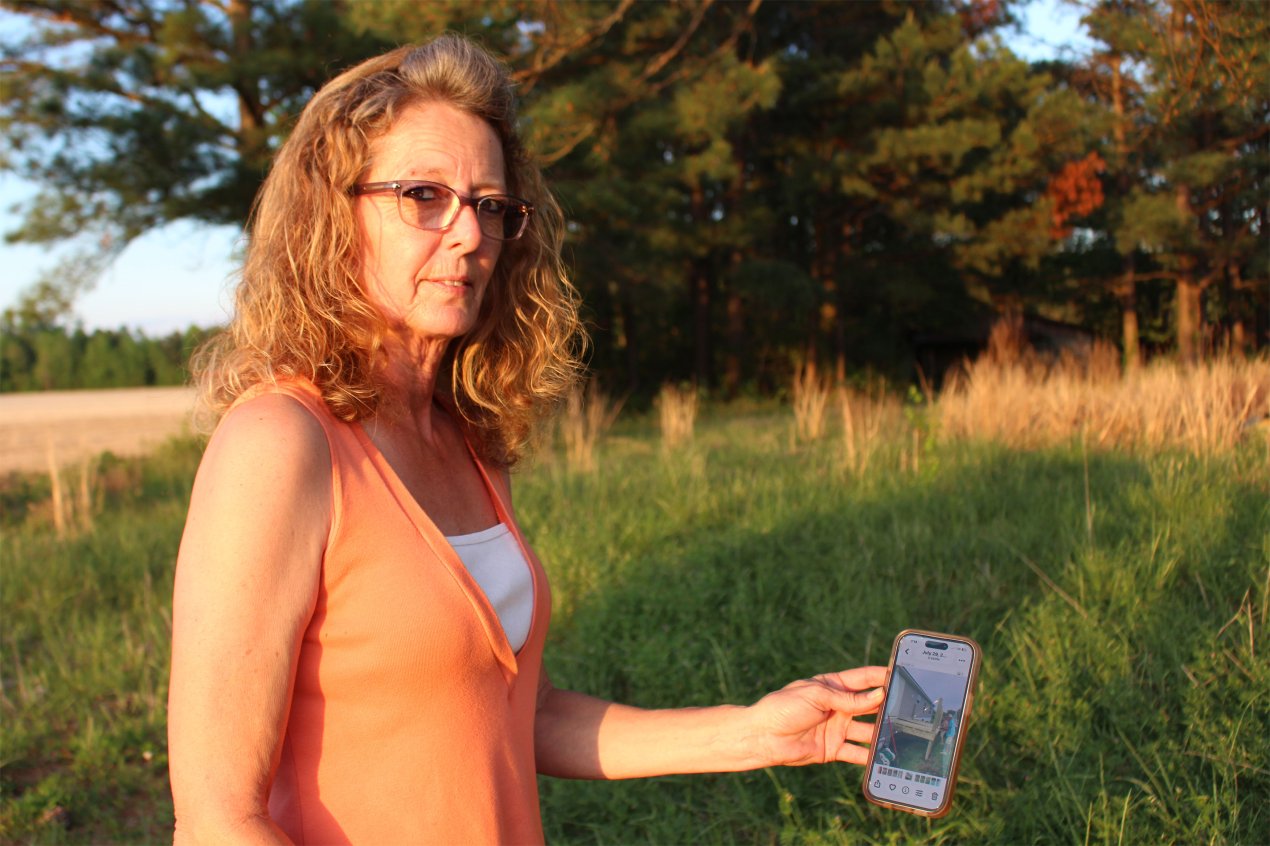
Two years have passed since Stanley Sears died of a heart attack, but his sister, Debra Pierce, remains haunted by the question of whether he could have survived had their local hospital not closed. "The sad thing is we’ll never know if he could have been saved that night or not, because we don’t have a higher level of care in this county," Pierce stated, standing near the mobile home where she last embraced her brother. Emergency responders from a neighboring town worked on Sears for 30 minutes but were unable to revive him for the lengthy journey to the nearest hospital, according to available records. The tall grass, a stark contrast to the well-kept yard Sears would have maintained if he were alive, serves as a poignant reminder of his absence. Pierce, scrolling through photos on her phone, paused at a smiling image of her brother, a bittersweet chuckle followed by a sigh.
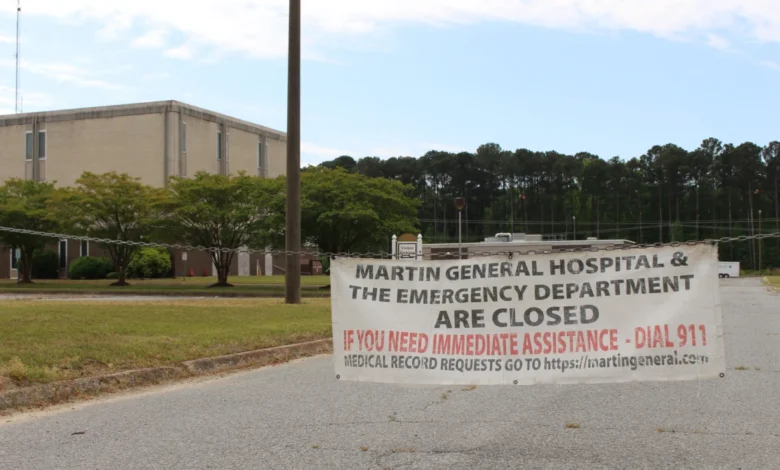
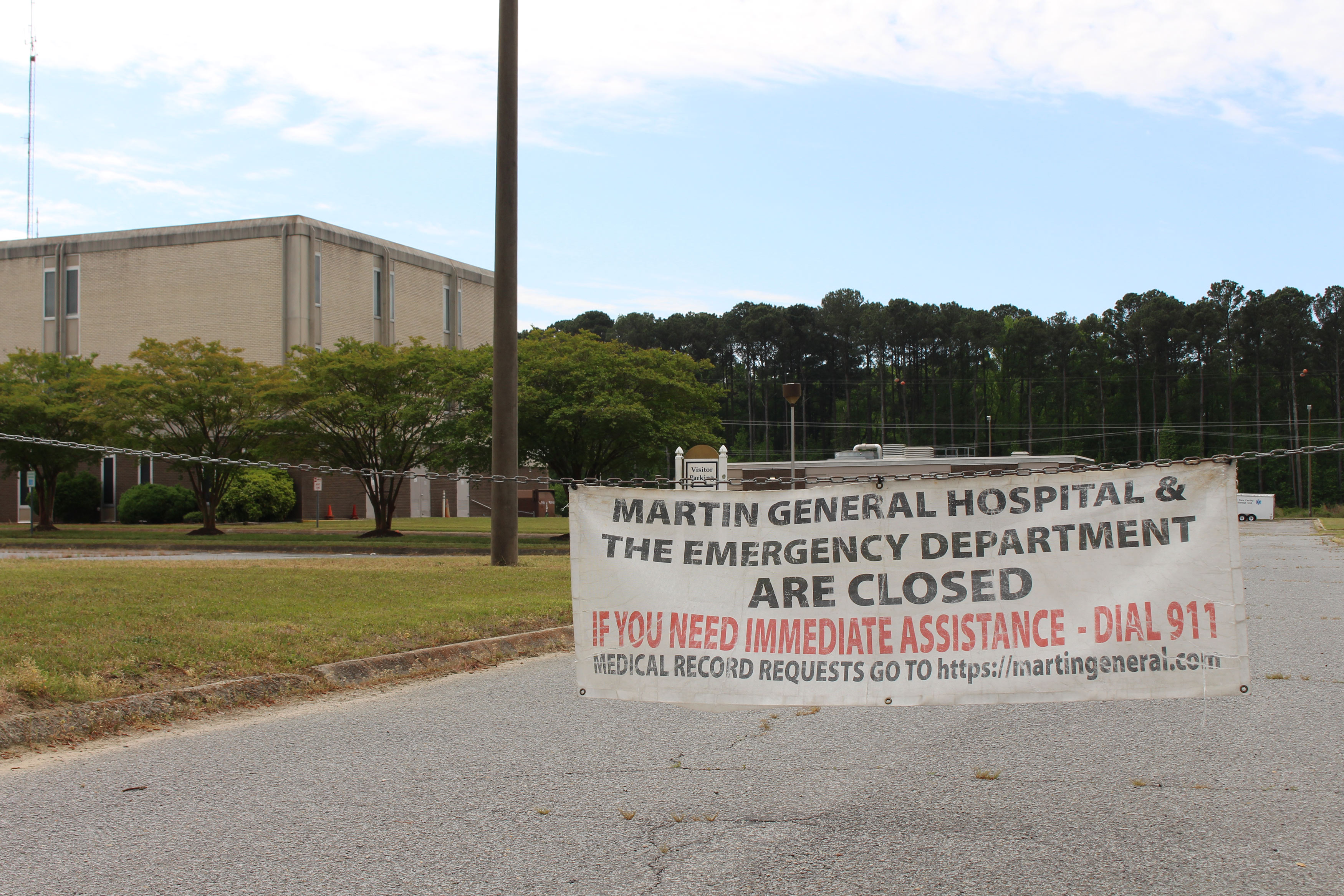
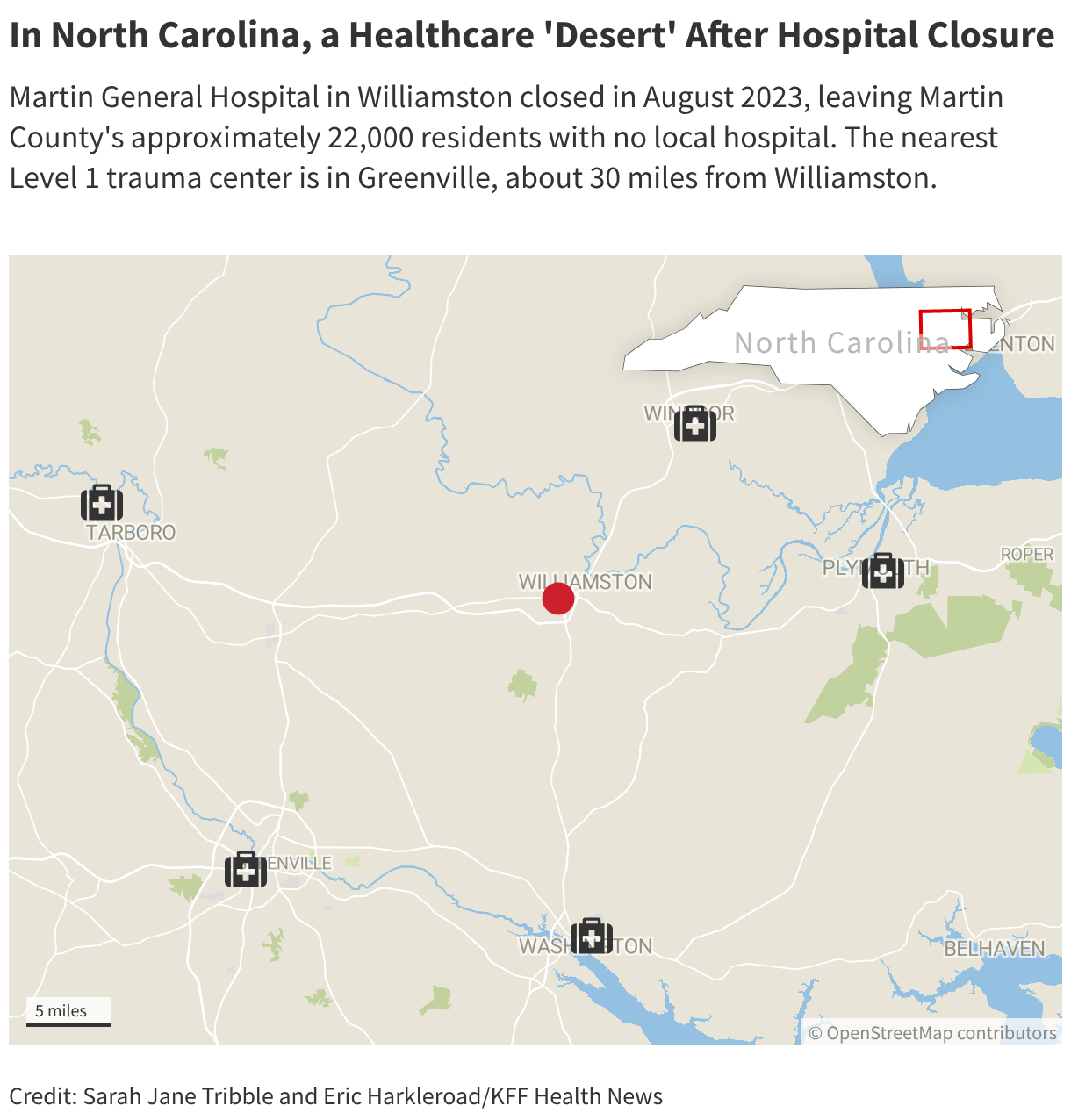
The closure of Martin General Hospital in 2023 left a gaping hole in the county’s healthcare infrastructure. Martin County, with approximately 22,000 residents, now lacks its own paramedics on ambulances, and the nearest emergency rooms are often over 20 miles away and frequently overwhelmed. This critical healthcare deficit in Martin County highlights the limitations of a substantial $50 billion rural health fund established by Republicans as part of a broader legislative package. Although the funds have not yet been disbursed, Republican candidates, particularly in competitive midterm elections, are actively promoting this initiative as a crucial lifeline for rural healthcare services across the nation.
A Glimmer of Hope or a Political Ploy?
The prospect of this significant rural health funding has generated considerable anticipation in North Carolina, a state with a predominantly rural population. Pierce, a Republican who attributes the hospital’s closure to local officials, expressed faith in former President Donald Trump’s commitment to addressing their needs. "Old man’s doing his job up there," she remarked, referring to Trump. On paper, Martin County appears to be a strong candidate to receive a portion of the $213 million earmarked for North Carolina.
However, County Manager Drew Batts offered a more somber assessment. "The $50 billion is not something that is specifically going to help our situation," Batts stated in April, standing within the darkened shell of the former hospital. "It’s not going to help us get this place reopened." The fundamental issue, Batts explained, is that Martin County cannot directly benefit from the rural health fund because its hospital is no longer operational. North Carolina is allocating the funds to existing health and social service organizations, and federal regulations impose restrictions on how much can be spent on construction and building renovations, making the reopening of a shuttered facility a complex proposition.
The Closure of Martin General Hospital: A Timeline of Decline
Martin General Hospital’s abrupt closure in 2023 sent shockwaves through the community. Employees were caught off guard, and patients requiring ongoing treatment had to be transferred to other facilities. Even local elected officials expressed surprise, claiming that Quorum Health, the company operating the county-owned hospital, failed to provide adequate notice of its intention to cease operations and file for bankruptcy. A spokesperson for Quorum Health, Lisa Anderson, asserted that the company had previously informed county commissioners about the hospital’s persistent financial difficulties.
In the aftermath of the closure, local leaders have been engaged in efforts to potentially reopen the hospital. County taxpayers have reportedly invested approximately $2.9 million in maintenance, utilities, and other essential costs in the hope of resuming operations. Batts revealed that the county is now considering an expenditure of at least $1.5 million to establish two advanced paramedic units equipped with quick-response vehicles and specialized life-saving equipment, such as electrocardiogram machines.
Pierce echoed the sentiment of hope, expressing her prayers for the county’s ability to implement these vital services and, ideally, reopen the hospital. "There’s some answered prayers happening every day," she said. "So, we can only pray and hope, you know?"
The Healthcare Void and the Struggle for Access
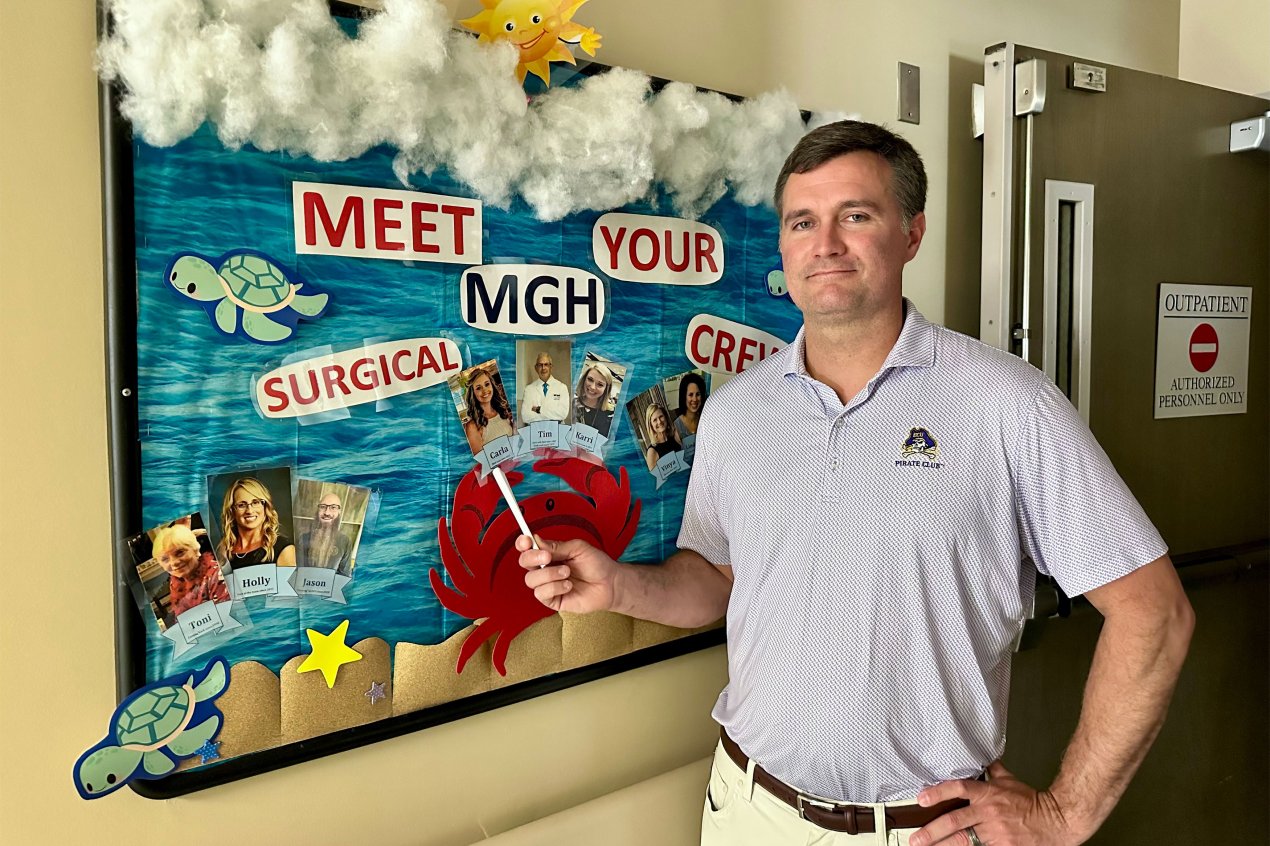
The region’s primary healthcare provider, ECU Health, a system connected to East Carolina University and comprising nine hospitals, has become a de facto safety net for 29 counties. Brian Floyd, the chief operating officer of the Greenville-based system, along with Batts, has actively lobbied state and federal lawmakers, seeking assistance to address the dire healthcare crisis. "It’s a real healthcare crisis that has already proven itself to have lost lives that perhaps didn’t have to be lost," Floyd emphasized. "They just want to not die because there’s nowhere to go when you have an emergency."
The ripple effects of the hospital closure are felt far beyond Martin County. Eleisa Ann Evans recounted a distressing experience when she drove two and a half hours from a small town near the Outer Banks to seek care for her 79-year-old aunt at an ECU Health ER in Greenville. Upon arrival, she was informed that she would have to leave her aunt in the waiting room and wait outside due to capacity constraints. Evans expressed outrage at the staff’s treatment, particularly their insistence that she vacate a wheelchair she was using to assist her aunt. Floyd stated that the closure of Martin General has placed all surrounding counties "in jeopardy," creating a significant healthcare "desert" with no clear solution.
Limited Resources and Shifting Priorities
Currently, the available healthcare services in Martin County consist of a single urgent care center operated by a private entity and a nonprofit health clinic run by Agape Health Services, which serves patients from five counties and plans to expand its services with a new primary care clinic.
ECU Health has signed a letter of intent with Martin County to reopen Martin General as a rural emergency hospital, offering outpatient services and an emergency department. Under the proposed agreement, Martin County would fund the hospital’s refurbishment, and the North Carolina General Assembly would need to allocate $210 million to ECU Health, with $150 million designated for the construction of a new inpatient tower at ECU’s Beaufort Hospital.
While ECU Health, through its affiliate Access East, did receive a portion of North Carolina’s initial $213 million payout from the rural health fund, Floyd confirmed that these federal funds cannot be used to reopen Martin General. The five-year Rural Health Transformation Program is structured to disburse $10 billion annually to states that successfully applied and competed for the funds. North Carolina’s strategy involves a "hub-and-spoke model," distributing funds to six regional leads, including nonprofits like Access East. These hubs are tasked with coordinating broader initiatives such as improving primary care, strengthening the healthcare workforce, and developing digital health solutions.
Healthcare Access as a Political Battleground
The severe lack of emergency medical services in the region has become a central issue in the closely contested U.S. House race. The incumbent, Democratic Representative Don Davis, who represented the district when Martin General closed and is seeking his third term, faces Republican challenger Laurie Buckhout. The rural health fund, added to legislation at the last minute, is being framed by some as a vital support mechanism, while others criticize the broader bill for its potential to reduce federal Medicaid spending, a move that could disproportionately impact rural hospitals and clinics.
Matt Mercer, a spokesperson for the North Carolina Republican Party, described the rural fund as a "once in-a-generation opportunity" for the state. However, U.S. Senator Thom Tillis, one of three Republican senators to vote against the bill and who announced his retirement shortly before the vote, warned of severe consequences for healthcare in his state. Buckhout’s campaign has indicated an intention to criticize Davis for voting against the bill, arguing that he failed to secure the necessary funding for communities like Martin County during his tenure. The campaign has not provided further details on Buckhout’s specific healthcare plans if elected.
Davis, who supported North Carolina’s application for the rural health fund, characterized the funding as "essentially putting a band-aid on a much, much broader situation that needs dire help." He has introduced legislation aimed at increasing Medicaid reimbursements for rural hospitals, but this initiative has not yet advanced. During recent congressional testimony, ECU Health CEO Michael Waldrum projected that the system anticipates a $1 billion loss over the next decade due to impending Medicaid cuts.
Extended Waits and the Strain on Emergency Services
The emergency rooms in the region offer a stark illustration of the healthcare system’s profound challenges. Prior to its closure, Martin General’s emergency department treated approximately 11,000 patients annually, according to state data. A sign still visible in the staff break room commemorates the 23 patients seen on the hospital’s final day of operation. ECU Health, which operates all but one of the rural hospitals surrounding Martin General, has reported a 132% increase in daily ER visits since the closure of Martin General. The system’s main hospital in Greenville, located about 40 minutes from Williamston, is the only Level 1 trauma center east of Raleigh.
According to the most recent federal data, the median patient wait and treatment time in ECU Health’s Greenville ER is nearly 4.5 hours, exceeding the wait times of 96% of hospitals nationwide. ECU Health spokesperson Brian Wudkwych stated that these extended wait times do not reflect poor care but are primarily due to shortages in inpatient and behavioral health beds. He noted that the system’s emergency departments serve nearly 300,000 patients annually. Floyd added that many rural patients presenting at the system’s ERs have multiple chronic conditions requiring extended care, often presenting with complex issues such as uncontrolled blood sugar and hypertension. ECU Health encourages patients who are not critically ill to seek care at its less congested community hospitals rather than the Greenville facility.
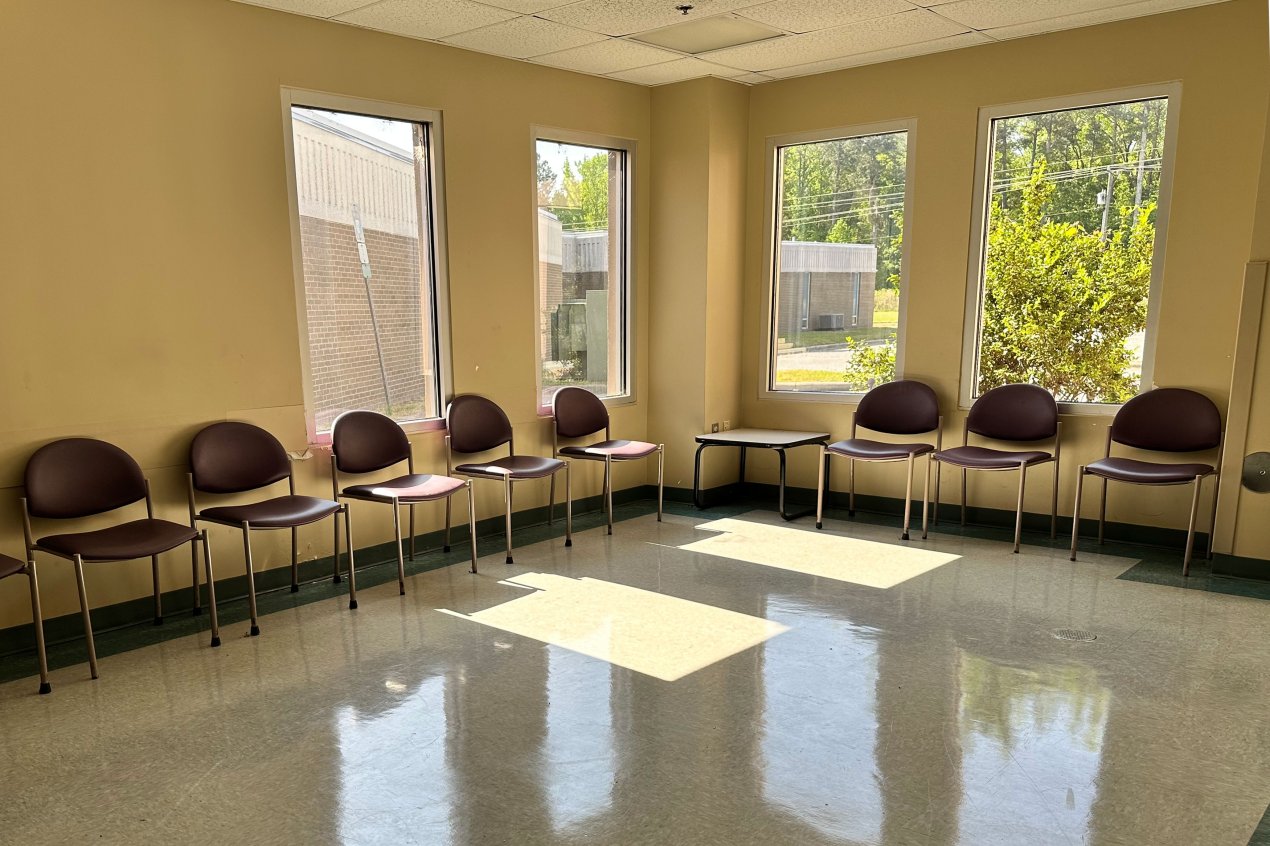
During recent visits to the Greenville emergency department, a security officer was observed guarding the entrance on two separate evenings, with "capacity notice" signs indicating that family members of patients were required to wait outside. Tonya Miles, who brought her mother for a potential blood clot, reported waiting for six hours, having previously left after a two-hour wait due to her mother not being prepared for such a delay. On another occasion, Olivia Lewis stated that she and her mother had left after waiting from 10:30 p.m. to 7 a.m. without receiving treatment, with her mother ultimately expressing her frustration and leaving.
In Martin County, Vannessa Little, sitting with her children at a McDonald’s near the closed hospital, reflected on the challenges of accessing care for her daughter, who suffered severe burns over 30% of her body in 2024. The journey to treatment involved a 30-mile ambulance ride from Bertie County to the ECU Health ER in Greenville, followed by an air ambulance transfer to Chapel Hill, a distance of over 100 miles. Little, who was unaware of the federal rural health investment, expressed her disillusionment, stating, "The only changes that people are making is they’re taking away everything." She indicated that she had voted against Trump in the past and was uncertain about voting in the upcoming election, viewing it as "a waste of my time."