The Architect of Appetites How Geoffrey Wu Navigates the Cutthroat World of Hong Kong Gastronomy

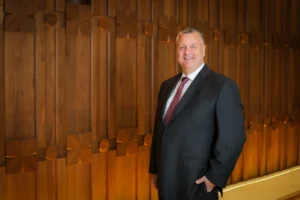
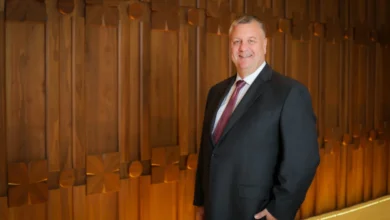
Hong Kong is a city defined by its verticality and its voracious appetite, a metropolis where the culinary landscape shifts with the speed of a high-frequency trade. It is widely acknowledged as one of the most grueling environments in the world for restaurateurs—a roiling cauldron of mercurial consumer tastes, predatory real estate costs, and competition so sharp it mirrors the cleavers found in its legendary Cantonese kitchens. In this high-stakes arena, where a single bad review or a week of empty tables can signal the end of a multi-million dollar investment, one man has emerged as the quiet architect behind many of the city’s most coveted reservations. Geoffrey Wu, the founder of the consultancy firm The Forks and Spoons, sits at the nexus of this world, possessing connections to at least half of the city’s hottest tables.
Wu is not a chef, nor is he a traditional restaurateur, yet his influence on what Hong Kong eats—and how it eats—is profound. Celebrating a decade in operation, his firm represents a portfolio of the city’s most decorated establishments, including the two-Michelin-starred TATE Dining Room and Ando, a restaurant where the waitlist for a table often stretches into months. However, to categorize Wu simply as a publicist would be to overlook the tactical, often abrasive, and deeply operational role he plays in the lifecycle of a restaurant.
The Unconventional Publicist: Results Over Ego
In an industry often characterized by polished pleasantries and sycophantic brand management, Geoffrey Wu is a distinct outlier. He is known within the industry not for his congeniality, but for a blunt, results-oriented temperament that borders on the pugnacious. It is not uncommon for Wu to reprimand clients for operational lapses or to challenge members of the media whom he perceives as being under-prepared.
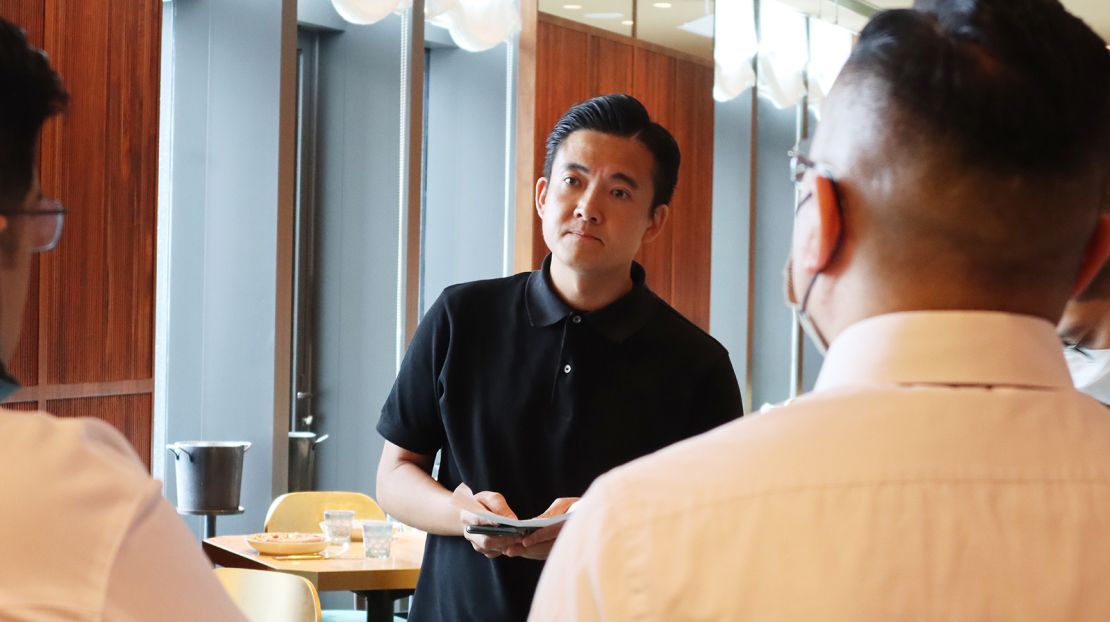
"I wouldn’t say we’re better at our job than other people. I’d say we’re different," Wu remarked during an interview at The Baker and The Bottleman, a casual bakery and natural wine bar in Wan Chai, founded by British celebrity chef Simon Rogan. Wu’s approach is less about "massaging egos" and more about the clinical pursuit of success. He describes his role in terms more suited to a high-pressure sports coach than a PR professional. "Sometimes you need a consultant who is straightforward about things that must be fixed. We are here for the results. We are here to win. If I wanted to please everyone, I’d go sell ice cream."
This uncompromising stance has earned him the respect of some of the industry’s most powerful figures. Yenn Wong, the founder and CEO of JIA Group—the powerhouse behind award-winning eateries like Mono and Duddell’s—notes that Wu’s value lies in his ability to personalize strategies for diverse concepts. According to Wong, Wu’s firm ensures that concepts reach their target audience in a way that translates directly into revenue growth, a necessity in a market where profit margins are razor-thin.
A Foundation in the Trenches: The Amber Era
Wu’s deep understanding of the "unsavory economics" of the restaurant business was forged in the dining rooms of Hong Kong’s elite establishments, rather than in a lecture hall. His path to the top of the F&B world was unconventional; he was expelled from the Hong Kong University of Science and Technology for "skipping too many classes to play cards at McDonald’s." This early setback led him to a foundational role at Amber in 2005.
At the time, Amber was establishing itself as a pinnacle of French fine dining under the leadership of Richard Ekkebus. Working as operations staff, Wu gained an intimate look at the machinery of a world-class restaurant—from the precision of the kitchen to the nuances of front-of-house service. Following a series of marketing roles across various sectors, he found himself repeatedly drawn back to the food and beverage industry, eventually launching The Forks and Spoons in 2012. This operational background allows him to offer advice that extends far beyond a standard press release, touching on everything from menu translation to the physical ergonomics of a dining room.
The Economic Crucible: Why Hong Kong is Different
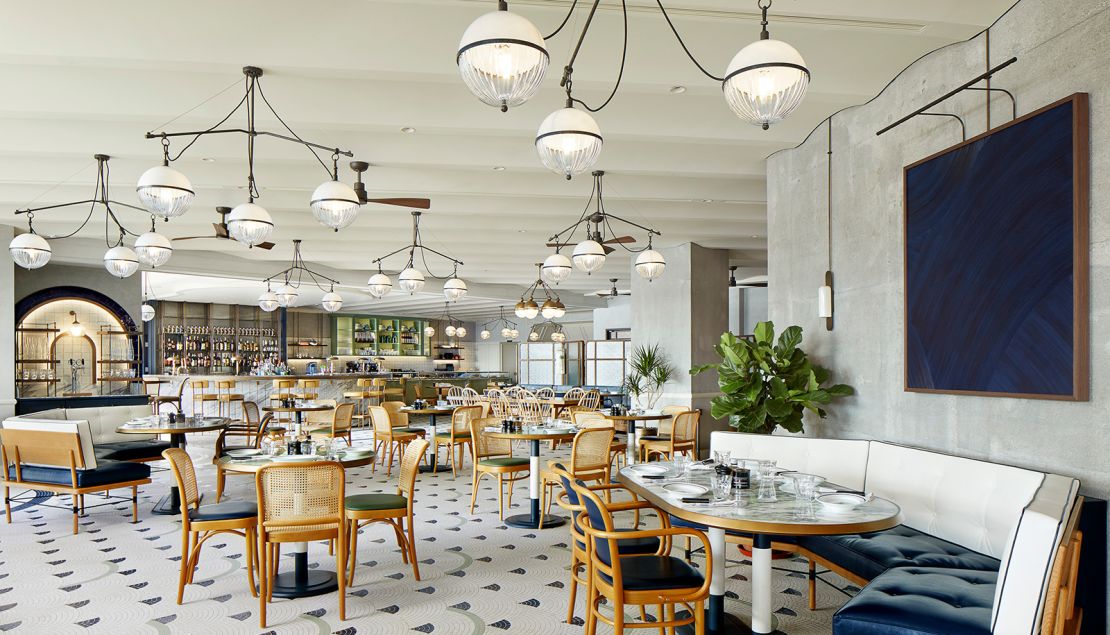
To understand why a figure like Wu is necessary, one must understand the unique economic pressures of the Hong Kong market. The city is frequently cited as having the most expensive commercial real estate in the world. For a restaurant in a prime location like Central or Causeway Bay, the monthly rent alone can exceed the annual revenue of a successful bistro in other global cities.
Furthermore, the cost of ingredients is exceptionally high due to the city’s reliance on imports. Over 90% of Hong Kong’s food is imported, meaning chefs are at the mercy of global supply chains and fluctuating logistics costs. Despite these hurdles, Hong Kong residents are among the world’s most prolific diners. According to government data from 2019 to 2020, Hong Kong households spent an average of HKD 60,539 (approximately US$7,761) on meals out and takeaway food. This figure is nearly double the average spending of households in the New York metropolitan area for the same period.
In such a condensed and expensive market, the margin for error is non-existent. "People always talk. Hong Kong customers are also very knowledgeable," Wu explains. "If you don’t get it right from the get-go, you have to revamp many things. The question is—will the customers give you a second chance? There are so many choices that chances are they’d go somewhere else." This reality makes the "opening" of a restaurant the most critical phase of its existence.
The Evolution of the Chef: From Kitchen to Community
The role of the chef in Hong Kong has undergone a radical transformation over the last two decades, accelerated by the arrival of the Michelin Guide in 2009 and the subsequent explosion of social media. In the past, a chef’s duty ended at the kitchen pass. Today, they are expected to be brand ambassadors, social media personalities, and community leaders.
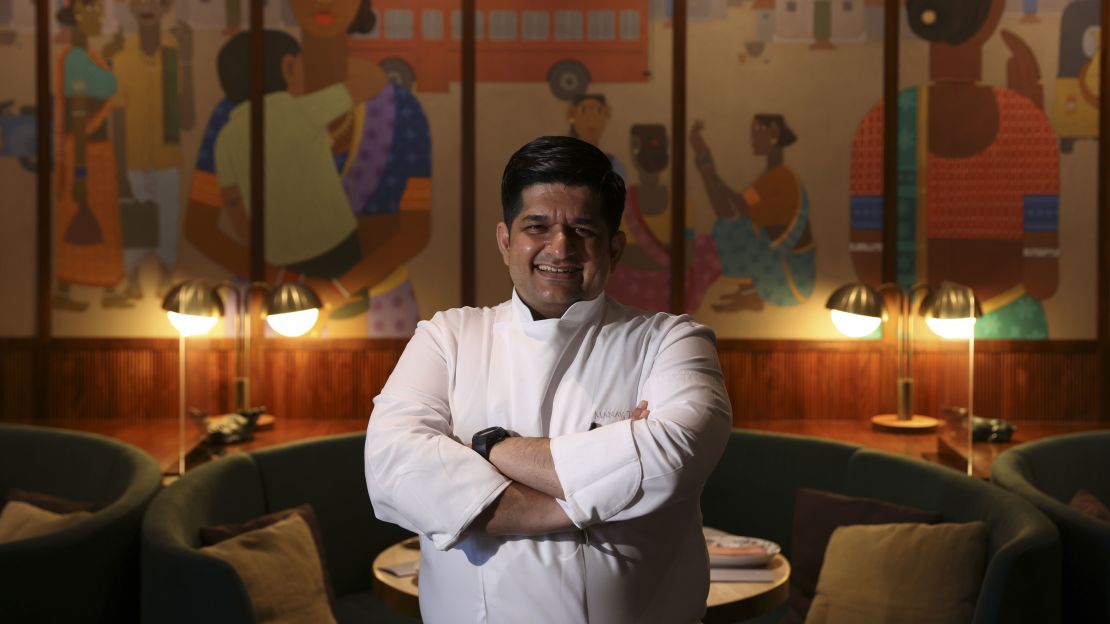
"Now in 2022, there is also this thing called relationship building," says Wu. "Chefs have to show their faces. They have to touch the tables and take pictures with guests. The job of a chef is much bigger than before."
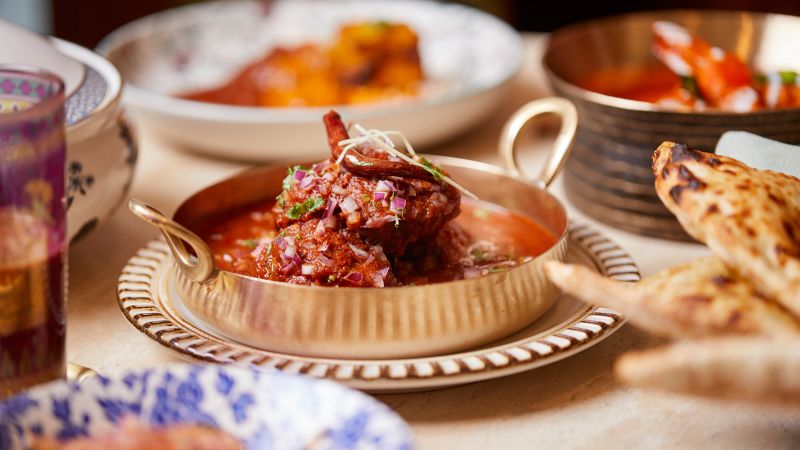
Wu acts as a bridge for chefs who may excel at culinary technique but struggle with the social demands of the modern dining scene. A prime example is Manav Tuli, the chef behind the modern Indian restaurant Chaat at the Rosewood Hotel. When Tuli arrived in Hong Kong in 2020, he was a newcomer to the city’s complex social and culinary landscape. Wu worked closely with him, encouraging the quiet chef to engage with guests and collaborate with peers. Today, Chaat is one of the most difficult reservations to secure in the city, with tables often fully booked within minutes of being released two months in advance. Tuli has become a beloved figure in the local scene, a success story that Wu attributes to a shared drive for excellence.
Tactical Networking: The Chief Entertainment Officer
While digital marketing and social media are essential tools, Wu remains a firm believer in the power of old-school, face-to-face networking. He often describes himself as the "Chief Entertainment Officer," organizing marathon lunches that bring together media critics, influential bloggers, and chefs.

These gatherings often take place at venues Wu does not represent—ranging from no-frills Cantonese diners like Hop Sze to three-Michelin-starred institutions like Forum Restaurant. These lunches are tactical; they are designed to foster "human connection" and facilitate collaborations that might not otherwise occur. During a five-hour lunch at Forum, for instance, Wu facilitated a dialogue between Chef Manav Tuli and Forum’s Executive Chef Adam Wong, leading to ideas for cross-cultural culinary collaborations.
"Building relationships takes time," Wu asserts. "Cold-calling and sending press releases aren’t building a relationship." These industry "power lunches" often involve sampling off-menu experiments—such as Forum’s northern Chinese-style candied apple fritters—allowing Wu and his network to provide immediate, expert feedback before a dish ever reaches the public.
The Lifecycle of Success: Constant Refinement
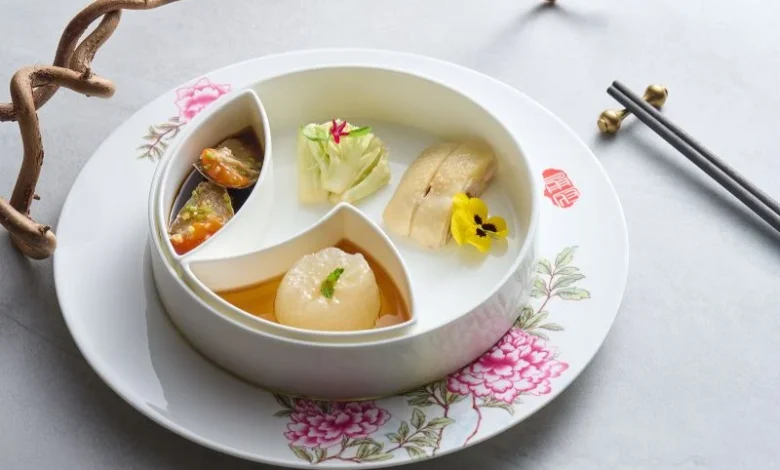
One of Wu’s most recent challenges involves Yong Fu, a Michelin-starred restaurant specializing in the high-end cuisine of Ningbo, a region on China’s east coast. In Hong Kong, Ningbo cuisine is frequently misunderstood or conflated with Shanghainese food. To combat this, Wu has worked to refine the restaurant’s presentation, trimming a "one-inch-thick" menu into a curated tasting experience that highlights the "savory, umami, and sticky" profile of authentic Ningbo flavors.
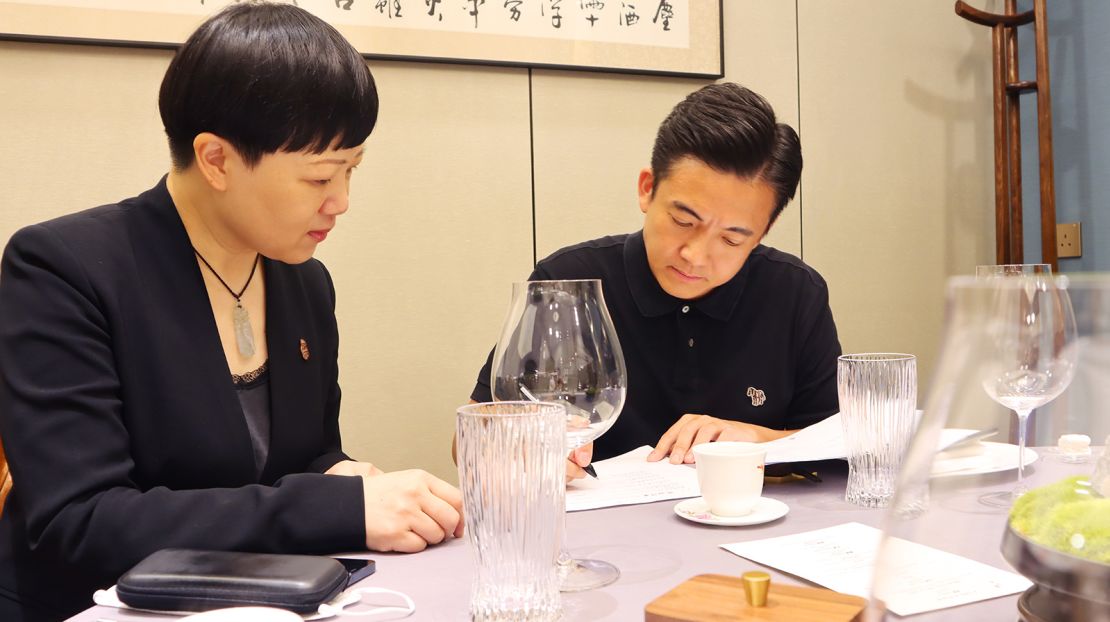
This process of constant editing is central to Wu’s philosophy. He believes that every restaurant and chef has a "shelf life" and that staying at the top requires an obsessive level of refinement. "Flavor doesn’t lie," he says, "but you need to keep coming up with new ideas to continue to elevate the restaurant." Whether it is adding a tableside service or a specific palate cleanser before dessert, the goal is to enrich the dining experience to a point where the value proposition justifies the high cost of entry.
Conclusion: The Finishing Line
Wu’s professional intensity is mirrored in his personal life. An avid runner, he begins most days at 5:45 a.m., using the quiet streets of Hong Kong as a space for strategic reflection. He views both running and restaurant marketing as endurance sports. "Keep refining. Keep pushing. My belief is, just don’t stop until you are at the finishing line."
As Hong Kong’s F&B sector continues to recover from the twin shocks of social unrest and a global pandemic, the role of the specialized consultant has never been more vital. In a city where the next "hottest table" is always just a week away, Geoffrey Wu remains the gatekeeper, ensuring that for his clients, the finish line is always moving further ahead. His success is a testament to the fact that in the world’s most cutthroat food market, survival requires more than just good food—it requires a relentless, almost surgical approach to the business of dining.