A Culinary Journey Through China An Essential Guide to the Nations Most Iconic Dishes and Regional Flavors

The culinary landscape of China is defined by a staggering level of diversity, shaped by millennia of dynastic history, vast geographical variations, and a cultural philosophy that views food as both medicine and art. With a food industry that contributes trillions of yuan to the national economy annually, China’s gastronomic influence has long transcended its borders, making it nearly impossible to consolidate its "best" dishes into a single definitive list. However, for the global traveler and the culinary enthusiast, understanding the essential pillars of Chinese cuisine—from the fiery wok-fired specialties of the west to the delicate, steam-infused traditions of the south—is a prerequisite for experiencing the country’s true cultural depth.
The Imperial Heritage: From Nanjing to the Forbidden City
The history of Chinese cuisine is inextricably linked to the movements of the imperial court. Peking Duck, perhaps China’s most famous culinary export, serves as a primary example of this historical migration. While the dish is synonymous with Beijing today, its origins trace back more than 1,500 years to Nanjing, which served as the capital for several ancient regimes. When the Ming Dynasty relocated the seat of power to Beijing in the 1400s, the imperial chefs brought their specialized roasting techniques with them.
The preparation of Peking Duck is a high-precision craft. The birds are typically air-dried and roasted in "hung ovens" until the skin reaches a glass-like crispness while the meat remains succulent. Traditionally served with thin pancakes, sweet bean sauce, scallions, and cucumber, the dish represents the "color, aroma, and taste" (se xiang wei) triad central to Chinese culinary theory.
In a similar vein of historical prestige, Dongpo Rou (braised pork belly) remains a staple of Hangzhou cuisine. Named after Su Dongpo, the 11th-century Song Dynasty poet and statesman, the dish consists of a thick slab of pork belly braised in a mixture of yellow wine, soy sauce, and rock sugar. The slow-cooking process, which can take several hours, transforms the fat into a gelatinous, melt-in-the-mouth texture. This dish exemplifies the "Red Braising" (hong shao) technique, a cornerstone of eastern Chinese cooking that emphasizes deep umami flavors and rich, dark glazes.
The Sichuan Revolution: Complexity Beyond the Heat
While the western world often associates Sichuan cuisine solely with heat, the region’s culinary identity is actually built on "twenty-four flavors," ranging from "fish-fragrant" to "strange-flavor." In 2010, Chengdu was designated a UNESCO City of Gastronomy, reflecting the province’s sophisticated use of the Sichuan peppercorn (hua jiao), which produces a numbing sensation known as "ma."

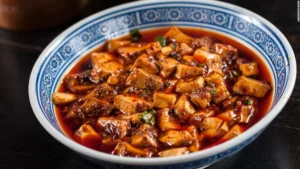
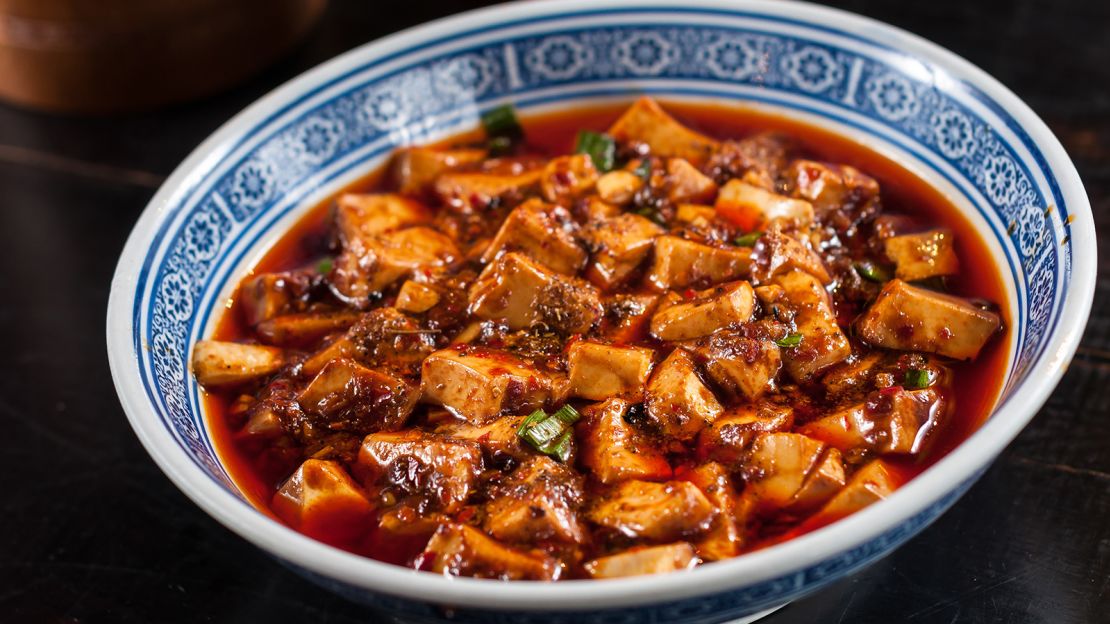
Mapo Tofu is the quintessential representative of this "ma-la" (numbing and spicy) profile. Authenticity in this dish is judged by the quality of the Hanyuan peppercorns and the fermented broad bean paste (doubanjiang) from the Pidu district. Similarly, Dan Dan Noodles—named after the carrying poles (dan dan) used by 19th-century street hawkers—showcase the region’s ability to balance salt, spice, and nuttiness.
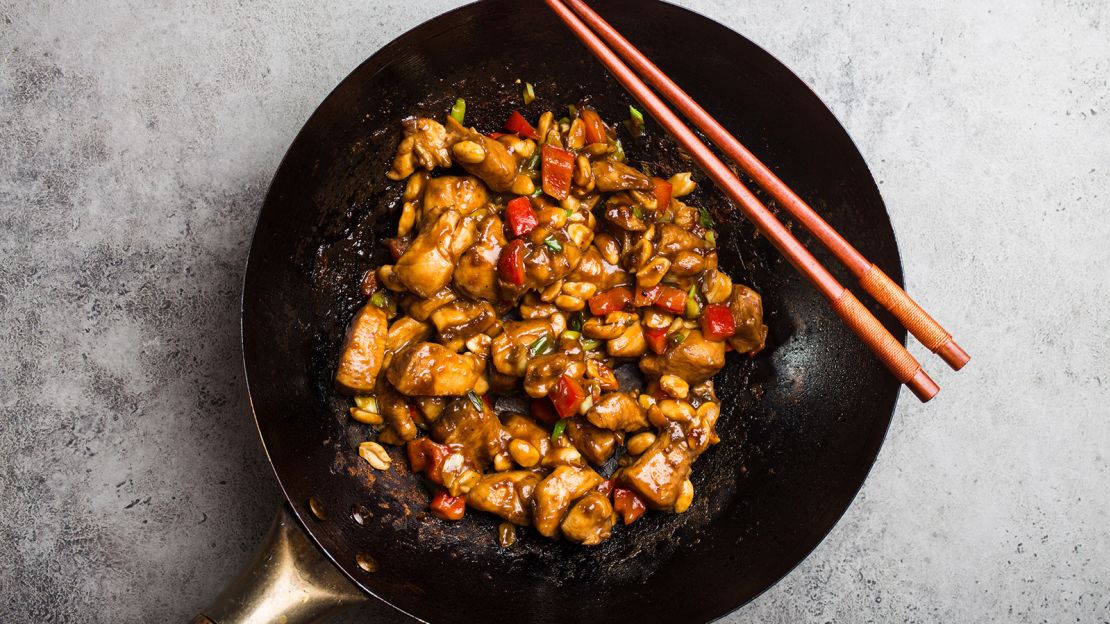
The "Shui Zhu" (water boiling) technique, often applied to beef or fish, further illustrates Sichuanese innovation. Despite the name, the ingredients are poached in a vibrant, spice-heavy oil broth. This method ensures that the protein remains tender while absorbing the aromatic complexity of dried chilies and peppercorns. Kung Pao Chicken, another Sichuan global staple, offers a "lychee-flavored" profile—a delicate balance of sweet and sour—complemented by the crunch of deep-fried peanuts.
Cantonese Refinement: The Art of Freshness and Purity
In contrast to the bold spices of the west, the cuisine of the Pearl River Delta, specifically Guangdong (Cantonese) and Shunde, prioritizes the original flavor of ingredients (yuan zhi yuan wei). Cantonese Steamed Fish is the ultimate test of a chef’s skill; timing is measured in seconds. A fish steamed even a minute too long loses its flakiness, while undercooking leaves the flesh clinging to the bone.
Dim Sum, which literally translates to "touch the heart," is not a single dish but a ritualized meal. This tradition evolved from the teahouses along the Silk Road, where travelers stopped for "Yam Cha" (drinking tea). Today, a standard Dim Sum service includes a variety of small plates such as Har Gow (prawn dumplings) and Siu Mai.
The region is also famous for its "Siu Mei" or roasted meats. Char Siu (barbecue pork), glazed with maltose and honey, and Cantonese Roast Goose are culinary landmarks. In Hong Kong and Guangdong, roast goose is often prepared in wood-fired ovens using lychee or camphor wood to impart a specific smoky aroma. The goal is a harmony of "crispy skin, rendered fat, and tender meat."
Regional Powerhouses: Hunan, Fujian, and Yunnan
Beyond the major well-known provinces, other regions offer distinct flavor profiles that have gained national prominence.
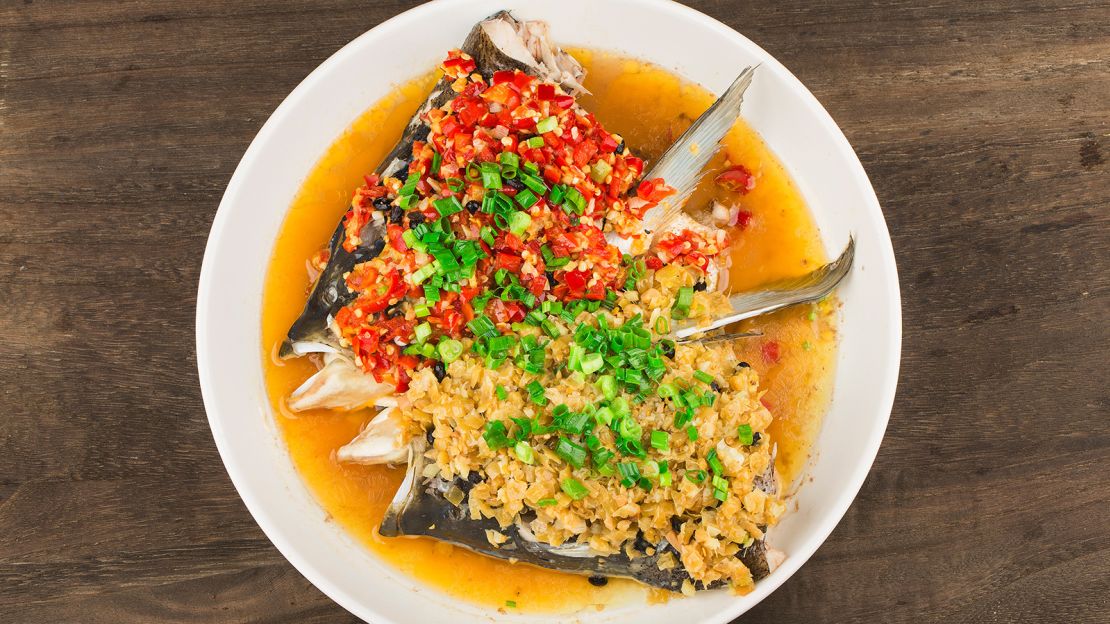
- Hunan (Xiang Cuisine): Known for its "Gan La" (dry spice) and "Duo Jiao" (chopped salted chili), Hunanese food is often spicier than Sichuanese because it lacks the numbing peppercorn to temper the heat. Steamed Fish Head with Chopped Chili (Duo Jiao Yu Tou) is the province’s flagship dish, utilizing fermented chilies to provide a salty, acidic kick that cuts through the richness of the fish.
- Fujian (Min Cuisine): This coastal province excels in seafood and unique textures. "Rouyan" dumplings feature wrappers made from pounded pork and flour, creating a "meat-on-meat" experience. For dessert, Fujian’s Taro Paste—made from the prized Binlang yam—is a silky, lard-infused delicacy often garnished with dates and gingko nuts.
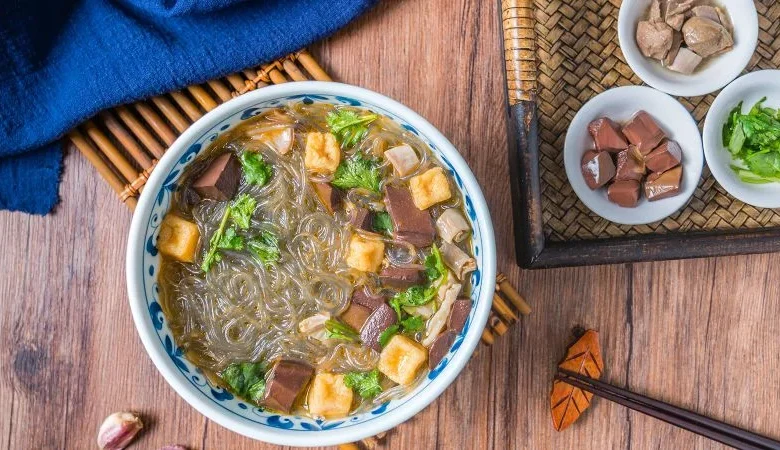
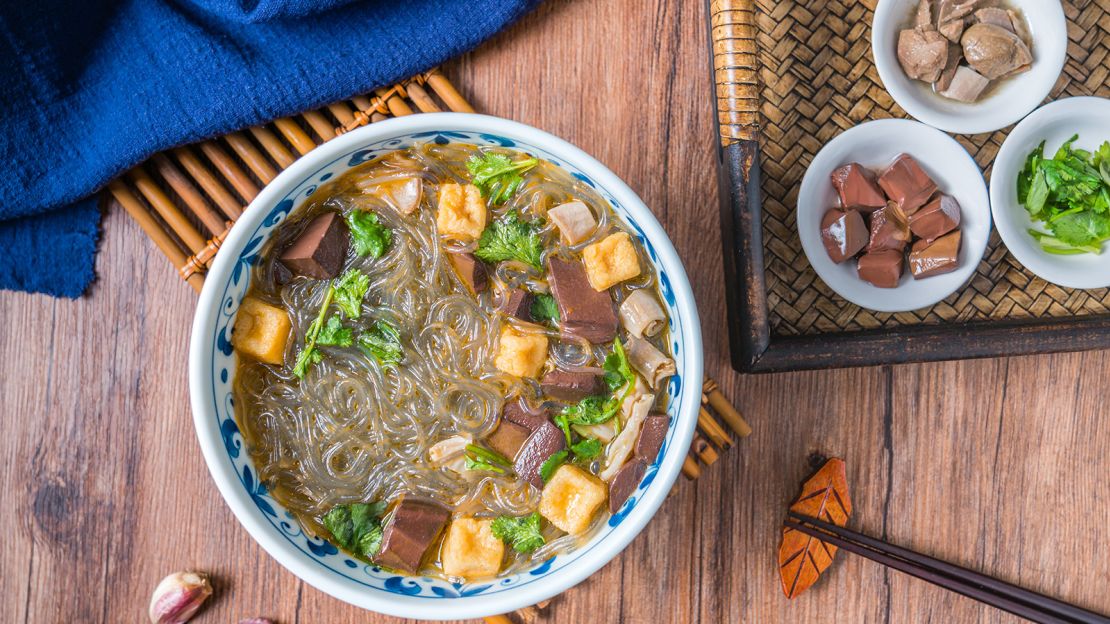
- Yunnan: The province’s "Cross-the-Bridge Rice Noodles" (Guo Qiao Mi Xian) carries a romantic legend of a wife bringing hot soup to her studious husband. The dish is a masterpiece of thermal engineering; a layer of chicken oil on top of the broth acts as insulation, keeping the liquid at scalding temperatures so that raw ingredients can be cooked at the table.
Street Food and the Geometry of Staples
China’s street food culture provides a window into the historical dietary habits of the working class. In Xi’an, the Rou Jia Mo (often called a Chinese hamburger) dates back to the Qin Dynasty. The shredded pork belly is braised in a "master stock" that some restaurants claim has been simmering for decades.
In the north, Jian Bing Guozi (savory crepes) remains the premier breakfast choice. Originating in Tianjin and Shandong, the dish involves a mung bean flour crepe, eggs, scallions, and a "guozi" (crispy cracker) or "youtiao" (fried breadstick). The contrast of the soft crepe and the crunchy interior has made it a global street food phenomenon.
Dumplings (Jiaozi) and Xiaolongbao (soup buns) represent the pinnacle of Chinese dough craft. While Jiaozi are a staple of the Lunar New Year in the north, the Xiaolongbao of Shanghai and Wuxi are celebrated for their thin skins and the internal "soup" created by melting meat aspic during the steaming process.
Broader Impact and Global Culinary Diplomacy
The evolution of Chinese cuisine is not static. Today, the "Wok Hei" (breath of the wok) that defines high-heat stir-frying is being studied by food scientists to understand the Maillard reaction at extreme temperatures. Economically, the globalization of these dishes has served as a form of soft power. Authentic regional chains from China are now expanding into London, New York, and Sydney, moving the global perception of "Chinese food" away from localized adaptations like General Tso’s chicken toward authentic regional experiences.
Furthermore, the emphasis on seasonal ingredients and "medicinal" soups—such as the Cantonese slow-simmered herbal broths—aligns with modern global trends toward wellness and functional eating. Whether it is the restorative properties of a bowl of Congee (rice porridge) or the cooling effect of Winter Melon soup, the Chinese culinary tradition continues to offer a blueprint for a balanced diet that has sustained the world’s most populous nation for centuries. As China continues to urbanize, the preservation of these traditional cooking methods remains a point of national pride and a vital link to the country’s imperial and agrarian past.