The Rise of Hidden Surcharges at Major US Airports: Transparency Concerns and the Impact on Labor Costs

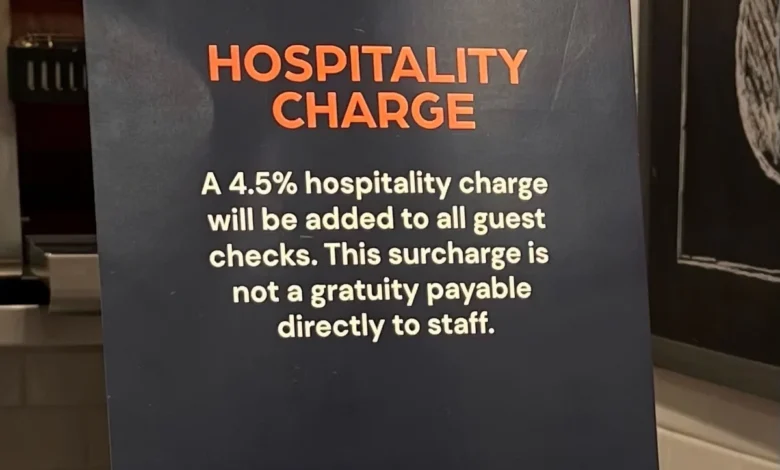
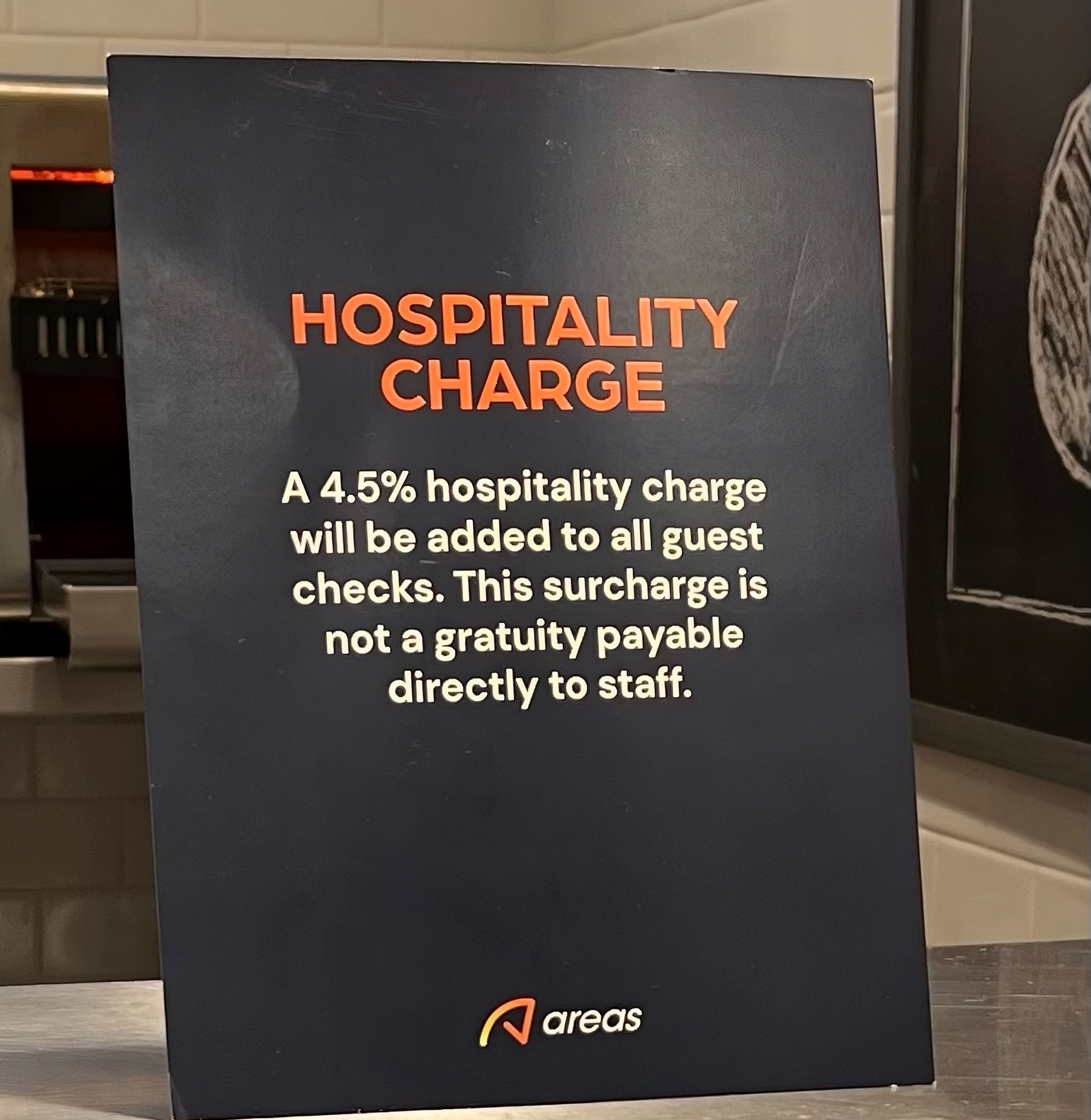
The emergence of "employee benefit and retention charges" at major United States airports has sparked a significant debate regarding pricing transparency, labor economics, and the consumer experience in high-traffic transit hubs. Passengers at New York’s John F. Kennedy International Airport (JFK), Philadelphia International Airport (PHL), and San Francisco International Airport (SFO) have increasingly reported the appearance of 3% to 5% surcharges on their final receipts for food and beverage purchases. These fees, which are separate from government-mandated sales taxes and traditional gratuities, are frequently described by vendors as necessary measures to offset the rising costs of minimum wage increases and employee healthcare benefits. However, the practice has drawn scrutiny from consumer advocacy groups and travelers alike, many of whom question why these operational costs are not integrated into the base menu prices, as is standard practice in most other retail sectors.
The Evolution of Airport Concession Surcharges
The practice of applying specific surcharges to cover labor-related mandates is not a new phenomenon, but its proliferation across major international gateways has accelerated in recent years. The roots of this trend can be traced back to San Francisco, where the city’s Health Care Security Ordinance (HCSO), enacted in 2006, required businesses with 20 or more employees to spend a minimum amount on healthcare for their staff. In response, many restaurateurs began adding a "San Francisco Health Care" surcharge to bills rather than raising menu prices. While this was initially a localized occurrence, the model has been adopted by airport concessionaires nationwide as they grapple with increasingly complex labor regulations and a post-pandemic shift in the service economy.
At JFK, the Port Authority of New York and New Jersey has faced inquiries regarding these fees. In official communications, the airport has clarified that these charges are intended to "offset costs related to employee minimum wage increases and benefits." For travelers, however, the distinction between a "surcharge" and a "service charge" remains blurred. Unlike a service charge, which is often distributed to staff as a tip or commission, a "benefit and retention charge" typically flows directly to the employer’s bottom line to cover general overhead and payroll obligations. This distinction is critical to understanding the friction between airport vendors and their clientele.
Chronology of Labor Mandates and Pricing Shifts
The implementation of these fees often follows specific legislative milestones regarding the minimum wage. In the New York and New Jersey region, the Port Authority implemented a series of wage hikes for airport workers, aiming to reach a $19 hourly minimum. These adjustments were designed to improve retention and service quality in a highly demanding work environment.
In 2018, the Port Authority of New York and New Jersey Board of Commissioners voted to increase the minimum wage for thousands of workers at JFK, LaGuardia, and Newark Liberty International airports. Following this, concessionaires began reporting a significant increase in operational expenses. By 2021 and 2022, as the labor market tightened following the COVID-19 pandemic, the "retention" aspect of these fees became more prominent. Vendors argued that to attract and keep staff in a competitive market, they needed to provide more robust benefit packages, the costs of which were then passed to the consumer via itemized surcharges.
Similarly, in Philadelphia, travelers began noticing a 3% "concessionaire surcharge" on all purchases in 2023 and 2024. In some instances, airport authorities have not only permitted these fees but have provided a framework for their implementation, viewing them as a compromise that allows businesses to remain profitable while adhering to "street pricing" regulations.
Supporting Data: The Economics of Airport Concessions
To understand why businesses choose surcharges over menu price increases, one must examine the specific economic constraints of airport environments. Most major airports operate under "street pricing plus" policies, which mandate that airport vendors cannot charge more than a certain percentage (usually 10% to 15%) above the prices found at non-airport locations for the same products. By applying a surcharge at the bottom of the receipt rather than raising the price of a sandwich or coffee, vendors can technically stay within the "street pricing" limits while still increasing their total revenue.
Data from the hospitality industry suggests that "price anchoring" plays a significant role in this decision. Consumers are more likely to purchase an item listed at $14.00 with a 5% surcharge added later than they are to purchase the same item listed at $14.70. This psychological barrier makes surcharges an attractive tool for vendors who fear that higher menu prices will lead to a decrease in volume.
However, the impact on the worker is less clear. While the fees are ostensibly for "benefits and retention," they do not function as tips. According to data from labor advocates, the presence of an itemized 5% fee often leads to "tip fatigue" among consumers. When a traveler sees an extra charge on their bill, they are statistically more likely to reduce the amount they would have otherwise left as a gratuity for the server. In an environment where airport workers are already struggling with the high cost of living in metropolitan areas, the cannibalization of tips by corporate surcharges remains a point of contention.
Official Responses and Regulatory Scrutiny
The reaction from regulatory bodies has been mixed. At the federal level, the Biden Administration and the Federal Trade Commission (FTC) have launched a broader crackdown on what they term "junk fees"—hidden or unexpected charges that make it difficult for consumers to compare prices. In October 2023, the FTC proposed a new rule that would prohibit businesses from misrepresenting the total cost of goods and services by omitting mandatory fees from the advertised price.
State-level officials have also taken note. In California, Senate Bill 478, which took effect in July 2024, was designed to ban "hidden fees" across various industries, including restaurants. While the law allows for surcharges, it requires them to be clearly disclosed in the advertised price rather than added at the end of a transaction.
Airport authorities, for their part, often find themselves in a difficult position. On one hand, they must ensure that concessionaires—who pay significant rents and fees to the airport—remain viable. On the other hand, they must protect the reputation of the airport and the interests of the traveling public. In response to social media backlash, the Port Authority of New York and New Jersey has reiterated that while vendors may apply these charges, they must be clearly disclosed to the customer prior to purchase.
Broader Impact and Implications for the Travel Industry
The trend toward itemized labor surcharges represents a fundamental shift in how the hospitality industry communicates costs to the public. Critics argue that this practice undermines the social contract of the service industry, where the "price on the tin" is expected to cover the costs of the business, including the labor required to produce the product. By separating labor costs into a surcharge, businesses are effectively treating their employees’ wages as an external variable rather than a core cost of production.
This shift has several long-term implications:
- Consumer Trust: The perception of "sneaky" or "fraudulent" pricing can damage the brand loyalty of both the airport and the specific food vendors. For international travelers, who may not be familiar with the nuances of American tipping and surcharge culture, these fees can lead to significant confusion and a negative impression of the U.S. travel experience.
- Labor Relations: If surcharges continue to depress tipping averages, airport workers may seek higher base wages to compensate for the loss of income. This could create a feedback loop where wages must rise, leading to higher surcharges, which further depresses tips.
- Automation: As labor costs become a more visible and contentious line item on receipts, airport vendors are increasingly incentivized to move toward automation. The rise of self-checkout kiosks—some of which controversially prompt for tips—is a direct response to the rising cost and complexity of human labor in airports.
- Standardization of Pricing: The ongoing regulatory pressure from the FTC and state legislatures may eventually force a return to "all-in" pricing. If mandatory fees are required to be included in the advertised price, the "surcharge" as a separate line item may disappear, replaced by higher base prices that more accurately reflect the cost of doing business in a modern airport.
The debate over employee benefit and retention charges is ultimately a debate over transparency. While the costs of labor and benefits are real and rising, the method by which those costs are passed to the consumer remains a flashpoint. As travelers become more vigilant and regulators more active, the era of the hidden airport surcharge may be entering a period of significant reform. For now, passengers at hubs like JFK and PHL are advised to read their receipts closely and understand that the "benefit" fee on their bill is a contribution to the vendor’s operational budget, not a replacement for a service tip.