Minnesota Lieutenant Governor Peggy Flanagan Slams Laken Riley Act Amid Heated Senate Primary

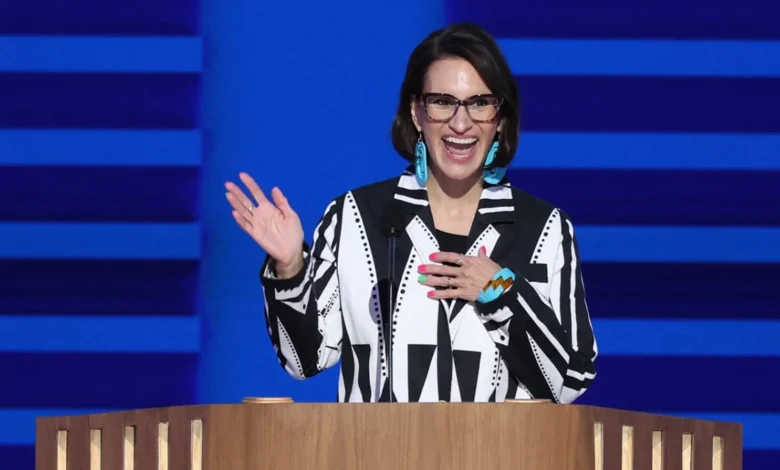
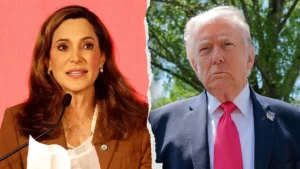
Minnesota Lieutenant Governor Peggy Flanagan delivered a fervent critique of the Laken Riley Act during a "Stop Oligarchy" rally in Rochester, Minnesota, over the weekend, an event notably headlined by independent Senator Bernie Sanders of Vermont. Her remarks ignited further debate in an already contentious political landscape, particularly as Flanagan campaigns for a crucial U.S. Senate seat, challenging fellow Democrat Representative Angie Craig. The rally served as a platform for progressive voices to articulate their concerns regarding immigration policy and broader socio-economic issues, drawing attention to the growing ideological fissures within the Democratic Party and the nation.
The Laken Riley Act: A Divisive Legislative Response
The Laken Riley Act, officially H.R.7511, emerged from the tragic death of 22-year-old nursing student Laken Riley, who was found deceased on the University of Georgia campus in February. An undocumented immigrant from Venezuela, Jose Antonio Ibarra, was subsequently arrested and charged with her murder. The incident quickly became a focal point in the national debate over border security, immigration enforcement, and the legal status of individuals entering the United States.
Introduced by Representative Mike Collins (R-GA) and swiftly passed by the House of Representatives on March 7, 2024, the Act aims to amend Section 287(g) of the Immigration and Nationality Act. Its primary provisions include requiring the Secretary of Homeland Security to take into custody undocumented immigrants who have committed theft-related offenses, ensuring their detention until removal proceedings are completed. Furthermore, it explicitly states that states and localities may not prohibit or restrict their law enforcement agencies from cooperating with federal immigration authorities. Proponents of the Act argue that it is a necessary measure to enhance public safety, provide justice for victims of crimes committed by undocumented immigrants, and ensure that immigration laws are rigorously enforced. They emphasize that the swift passage in the House, with significant Republican support and a notable number of Democratic votes, underscored a bipartisan concern for the issue, even if the final vote was largely partisan. Many advocates for the bill highlighted the need for immediate action to address perceived vulnerabilities in immigration enforcement, especially concerning individuals with criminal records or those awaiting deportation.
However, the Act has faced strong opposition from civil liberties groups, immigrant rights organizations, and a segment of Democratic lawmakers, including Lieutenant Governor Flanagan. Critics argue that while the underlying tragedy is universally mourned, the Act itself is a punitive and overly broad legislative response that could undermine due process, exacerbate humanitarian concerns, and further militarize immigration enforcement. They contend that it risks eroding the fundamental rights of individuals, including those who have not been convicted of a crime, by allowing for potentially indefinite detention and stripping away judicial oversight.
Lt. Gov. Flanagan’s Fiery Condemnation and Progressive Stance
At the "Stop Oligarchy" rally, Lieutenant Governor Flanagan did not mince words, characterizing the Laken Riley Act as a dangerous expansion of federal power, particularly for Immigration and Customs Enforcement (ICE). Before a responsive crowd, she asserted that the Act serves as a "green light to give ICE unprecedented power to totally terrorize our communities." Her remarks positioned the legislation not as a response to a specific crime, but as a continuation of a broader, more aggressive anti-immigrant agenda, which she directly linked to former President Donald Trump.
"We’ve got to zoom out for a second and we have to talk about how we got here, because this also wasn’t an accident," Flanagan stated, drawing a direct line from Trump’s past campaign promises to the current legislative push. She reminded the audience of Trump’s explicit rhetoric on mass deportations, citing "gigantic signs that said, mass deportees now. It was not a secret. And the very first vote in the second Trump administration that he brought forward was for the Laken Riley Act." This framing suggests that Flanagan views the Act as a deliberate tool for political mobilization rather than a genuine effort to address complex immigration challenges.
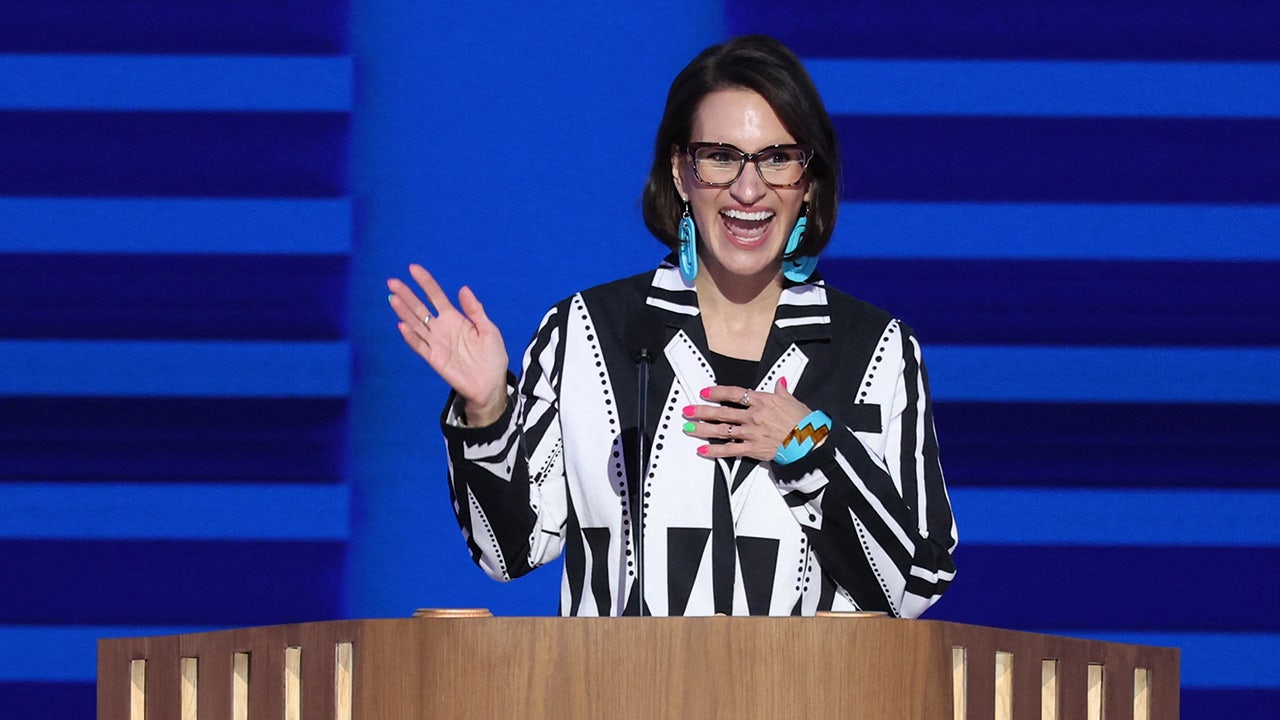
Flanagan’s criticism extended to the Act’s potential impact on civil liberties, specifically its alleged capacity to "strip due process from immigrants and allow for indefinite detention of adults and children." This concern resonates with long-standing criticisms from human rights advocates who argue that expedited removal and mandatory detention policies often fail to uphold international and domestic legal standards for fair treatment. She further invoked the names of Alex Pretti and Renee Good, two anti-ICE activists who were involved in law enforcement-related shootings earlier this year in Minnesota. While the specific circumstances of their deaths are complex and subject to ongoing investigation, Flanagan’s mention of them served to underscore her assertion that increased immigration enforcement contributes to community unrest and a climate of fear, especially in states like Minnesota, which she described as descending into "anti-immigration enforcement chaos."
She drew a "straight line" from the Laken Riley Act to the social unrest witnessed in communities like Minneapolis, implying a direct causal link between aggressive federal immigration policies and local disturbances. In this context, Flanagan lauded Minnesota Senators Tina Smith and Amy Klobuchar for their votes against the Act, aligning herself with the more progressive wing of the Democratic Party that prioritizes immigrant rights and due process.
The Minnesota Political Battleground: A Senate Primary Heating Up
Lieutenant Governor Flanagan’s strong stance on the Laken Riley Act is deeply intertwined with her current political aspirations. She is actively campaigning for the U.S. Senate seat currently held by retiring Senator Tina Smith, setting up a primary contest against Representative Angie Craig. The primary is shaping up to be a significant ideological battle within the Minnesota Democratic-Farmer-Labor (DFL) Party, reflecting broader national divisions.
The RealClearPolitics polling average currently shows Flanagan trailing behind Craig, making every opportunity to differentiate herself and energize her base critical. Senator Smith’s reported endorsement of Flanagan at the Rochester rally could provide a valuable boost, signaling support from the party establishment for Flanagan’s progressive platform.
A key point of contention in this primary is Craig’s vote in favor of the Laken Riley Act. Flanagan explicitly criticized Craig, highlighting her as the "only Minnesota Democrat in either chamber to vote for the Laken Riley Act." This attack aimed to paint Craig as out of step with the progressive values of the state’s Democratic base and the broader national party leadership, many of whom opposed the bill.
Rep. Craig, in turn, has offered an explanation and expressed regret for her vote. Writing in the Minnesota Star Tribune, Craig articulated that her initial vote reflected a sentiment she perceived among her constituents in the suburbs of Minneapolis and Mankato, who largely believed the Biden administration had "fumbled the immigration issue." This admission underscores the challenging political tightrope many Democrats walk, balancing the demands of their progressive base with the concerns of more moderate voters who may prioritize border security. However, Craig subsequently stated her regret for the vote, explaining that she now believes former President Trump is exceeding legal boundaries to conduct "sweeping immigration raids that have terrorized Minnesotans." Her reversal illustrates the evolving political calculus and the intense pressure lawmakers face to align with their party’s core tenets, especially when immigration becomes a highly charged issue. This shift also reflects a broader Democratic strategy to distinguish their approach to immigration from that of the Republican party, particularly in the context of the upcoming presidential election.
Broader Context: Immigration Enforcement and Civil Liberties
The debate surrounding the Laken Riley Act and Lieutenant Governor Flanagan’s remarks are not isolated incidents but rather symptomatic of a deeply polarized national discourse on immigration. The role of ICE, established in 2003, has been a persistent source of controversy. Tasked with enforcing federal immigration laws, ICE’s operations—ranging from border enforcement to interior removals—have drawn fierce criticism from civil liberties advocates who cite concerns about racial profiling, family separations, and the treatment of detainees.
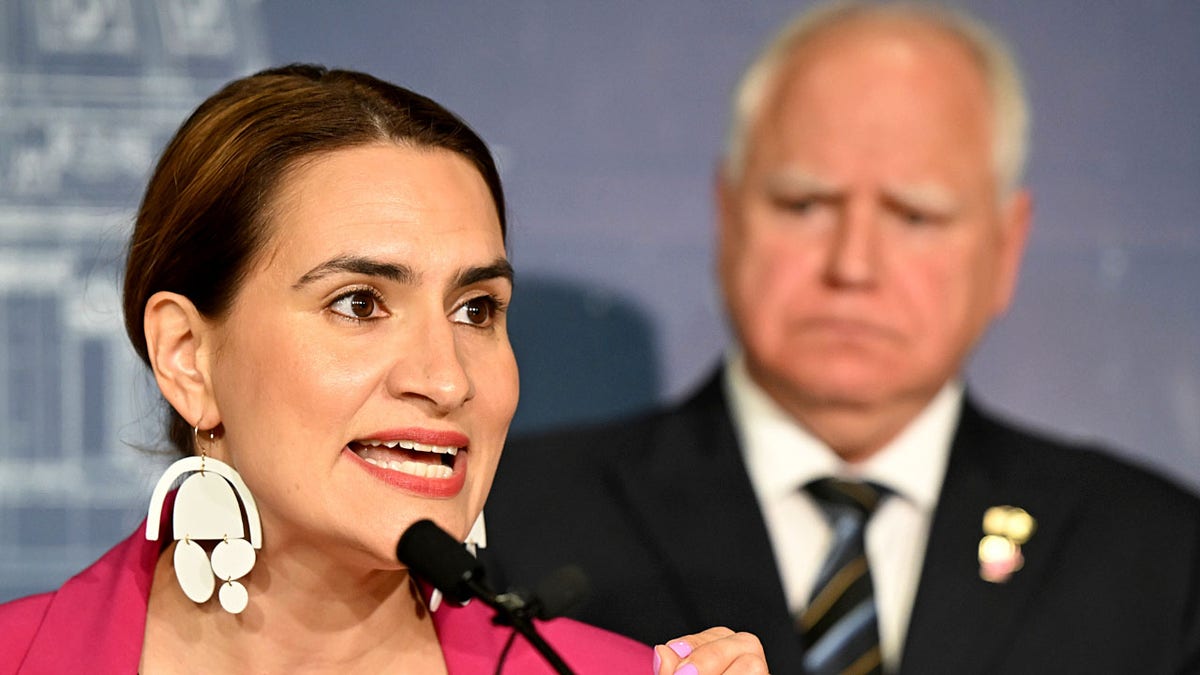
The Trump administration significantly escalated immigration enforcement, implementing policies such as "zero tolerance" at the border, increased raids, and the construction of border wall segments. This period saw a heightened rhetoric that often characterized undocumented immigrants as criminals, contributing to a climate that Flanagan and other progressives argue is perpetuated by legislation like the Laken Riley Act.
Even the Biden administration, despite promising a more humane approach to immigration, has faced immense pressure and criticism from both sides of the political spectrum. Republicans accuse the administration of failing to secure the border, leading to a surge in crossings, while some Democrats and immigrant rights groups criticize its continued reliance on certain Trump-era policies and perceived insufficient action to address humanitarian concerns.
Further complicating the Minnesota political scene is the alleged rift between Governor Tim Walz and Lieutenant Governor Peggy Flanagan. Reports from outlets like the Minnesota Reformer have highlighted tensions, particularly stemming from Walz’s failed vice-presidential bid. Had Walz succeeded, Flanagan, as Lieutenant Governor, would have ascended to the governorship, a prospect that did not materialize. This dynamic could add an additional layer of complexity to Flanagan’s Senate campaign, potentially affecting party unity and resource allocation. Governor Walz himself has been a vocal critic of certain immigration enforcement tactics, famously comparing ICE actions in Minnesota to the Holocaust and Anne Frank "hiding in their houses," statements that drew significant national attention and controversy. His comments underscore the depth of feeling among some Minnesota Democrats regarding immigration issues and their potential impact on local communities.
Minnesota Attorney General Keith Ellison, another prominent progressive figure, also joined Sanders and Flanagan at the "Stop Oligarchy" rally. Ellison has been a key figure in addressing social justice issues and police reform in Minneapolis, further solidifying the progressive alignment of the rally’s speakers. His presence reinforces the message that immigration enforcement is seen as intrinsically linked to broader questions of justice and equity by this segment of the Democratic Party.
National Implications and the 2024 Election Cycle
The Laken Riley Act and the passionate debate it has ignited serve as a potent reminder of how immigration remains a central and highly emotional wedge issue in American politics, particularly heading into the 2024 election cycle. For progressive Democrats like Flanagan and Sanders, the Act represents an unacceptable overreach of government power and a betrayal of humanitarian principles. Their "Stop Oligarchy" tour, with its focus on wealth inequality, corporate power, and social justice, provides a platform to connect immigration policy to broader themes of systemic injustice and the erosion of democratic values. Sanders’ presence lends national weight to Flanagan’s local campaign, signaling that her progressive stance on immigration aligns with a significant faction of the national Democratic Party.
The Minnesota Senate race is anticipated to be one of the most closely watched contests in the country. The winner of the Flanagan-Craig Democratic primary will face a Republican nominee who will emerge from a primary featuring notable figures like former Houston Rockets forward Royce White and former NBC Sunday Night Football reporter Michele Tafoya. Both Republican candidates are likely to advocate for stricter immigration enforcement and may well use the Laken Riley Act as a talking point to rally conservative voters. The outcome of this race could have significant implications for the balance of power in the U.S. Senate, making the stances of all candidates on issues like immigration critically important to their electoral prospects.
The Laken Riley Act, if fully enacted and upheld, could set a precedent for future immigration enforcement, potentially leading to increased detentions and deportations, and raising significant legal questions regarding due process and civil liberties. Its implementation would likely face challenges from advocacy groups and could lead to further unrest in communities impacted by more aggressive ICE actions. The ongoing debate surrounding the Act highlights the deep philosophical differences within American society regarding how to balance national security, border control, and the human rights of immigrants. The Minnesota Senate primary, therefore, is not just a local election but a microcosm of the larger national struggle over the future direction of immigration policy and the values that will define America’s approach to newcomers.
Related posts: