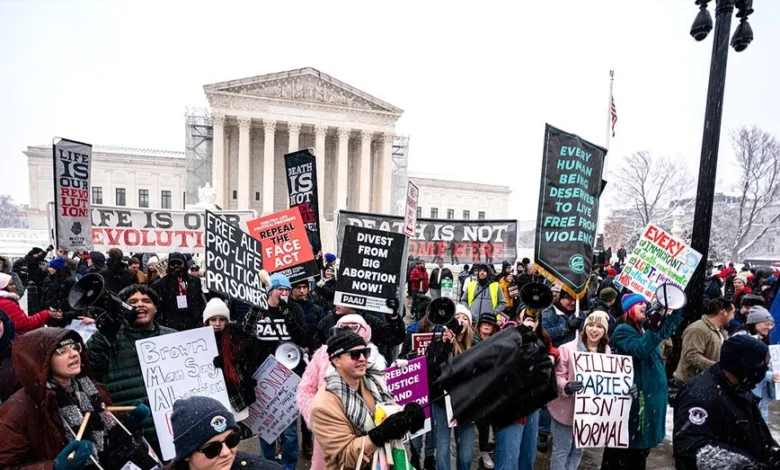
A new report from the Department of Justice, initiated under the Trump administration, has brought forth serious allegations that the Biden administration systematically "weaponized" federal law, specifically the Freedom of Access to Clinic Entrances (FACE) Act, to target pro-life Americans with significantly harsher sentences. The comprehensive review indicates a stark disparity in judicial outcomes, with pro-life defendants receiving an average of 26.8 months in prison compared to an average of 12.3 months for individuals accused of attacks on pro-abortion organizations or clinics. This revelation has prompted swift action from the current Justice Department, including the termination of four prosecutors directly involved in cases that resulted in prison sentences for pro-life activists. Assistant Attorney General Daniel Burrows publicly labeled the alleged behavior "shameful," asserting it was utilized to enforce pro-abortion special interests, while Acting Attorney General Todd Blanche vowed to restore integrity to a prosecutorial system he described as having a "two-tiered system of justice."
The findings, based on an extensive review of over 700,000 internal records, paint a troubling picture of alleged prosecutorial misconduct and selective enforcement. The report claims that prosecutors coordinated with abortion-rights advocacy groups to identify activists, actively sought more severe penalties for pro-life defendants, and, in some instances, withheld crucial exculpatory evidence from defense attorneys. Furthermore, allegations include attempts to screen out potential jurors based on their religious beliefs and the deployment of aggressive arrest tactics, such as early morning FBI raids, rather than allowing defendants to voluntarily surrender—a common practice for non-violent offenses. These accusations have ignited a fervent debate over the impartiality of federal law enforcement and the politicization of justice, particularly in the highly charged arena of abortion rights.
Unpacking the FACE Act: A Historical Overview
The Freedom of Access to Clinic Entrances (FACE) Act, enacted in 1994, was a legislative response to a wave of violence and disruptions targeting abortion clinics and reproductive health facilities across the United States. Its primary aim was to protect individuals seeking or providing reproductive health services, as well as those engaged in religious worship, from threats, force, or physical obstruction. The law makes it a federal crime to intentionally injure, intimidate, or interfere with any person seeking to obtain or provide reproductive health services, or to intentionally damage or destroy a facility that provides such services. Crucially, the Act also extends protections to places of religious worship, making it a federal offense to interfere with individuals exercising their religious freedom.
The passage of the FACE Act occurred against a backdrop of escalating tensions following the landmark 1973 Roe v. Wade Supreme Court decision, which established a constitutional right to abortion. While Roe was affirmed in 1992 by Planned Parenthood v. Casey, the legal and social battle over abortion access intensified. Pro-life activists often employed tactics such as protests, picketing, and clinic blockades, which sometimes led to confrontations and violence. The FACE Act was intended to ensure safe access to clinics while also preserving the right to peaceful protest, drawing a line at physical interference or threats.
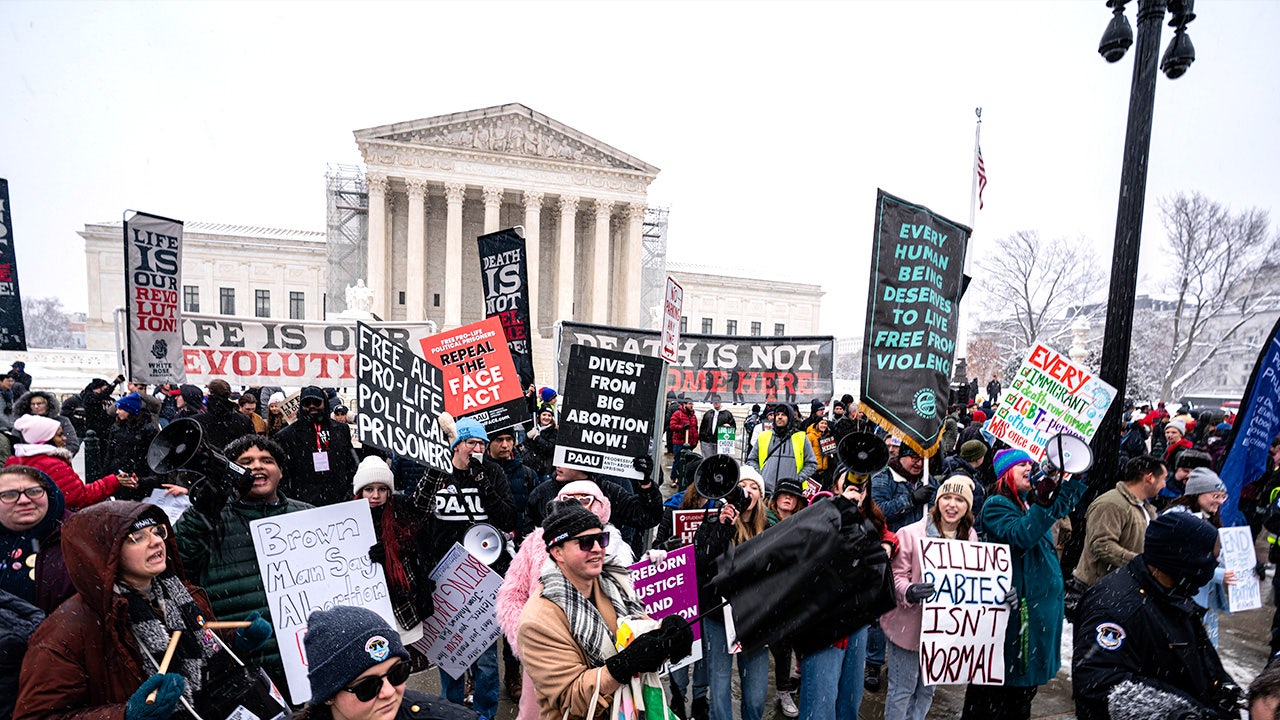
However, the interpretation and enforcement of the FACE Act have always been subject to scrutiny, with different administrations approaching its application with varying degrees of emphasis. For decades, the law served as a tool to prosecute individuals who physically obstructed clinic entrances or threatened staff. The legal landscape dramatically shifted in June 2022 with the Supreme Court’s decision in Dobbs v. Jackson Women’s Health Organization, which overturned Roe v. Wade, eliminating the constitutional right to abortion and returning the authority to regulate or ban abortion to individual states. This decision significantly heightened the political and social polarization surrounding abortion, creating an environment where enforcement of related federal laws, like the FACE Act, became even more politically charged.
Allegations of Disparate Enforcement and Prosecutorial Misconduct
The core of the new Justice Department report centers on the alleged selective application of the FACE Act under the Biden administration. The review highlights a troubling pattern where federal authorities seemingly prioritized cases involving abortion clinics while allegedly failing to adequately pursue or prosecute attacks on pregnancy resource centers (PRCs) and churches, which are also explicitly protected under the same statute. This perceived imbalance has fueled accusations of political bias, suggesting that the law was not applied neutrally but rather to advance a specific ideological agenda.
The statistical disparity in sentencing recommendations—26.8 months for pro-life defendants versus 12.3 months for pro-abortion defendants—serves as a critical piece of evidence underpinning the report’s claims. Such a significant difference raises questions about the objectivity of prosecutorial decisions, the severity of charges brought, and the recommendations made to courts. Federal sentencing guidelines, while complex, typically aim for uniformity in similar cases, and a disparity of this magnitude suggests potential deviations from standard practices.
Beyond the sentencing discrepancies, the report delves into specific instances of alleged prosecutorial misconduct:
- Coordination with Advocacy Groups: The claim that prosecutors coordinated with abortion-rights groups to identify pro-life activists for prosecution suggests a blurring of lines between law enforcement and political advocacy, potentially compromising the impartiality of federal investigations.
- Withholding Evidence (Brady Violations): The most serious allegation, that prosecutors withheld exculpatory evidence from defense attorneys, points to potential violations of the Brady v. Maryland Supreme Court ruling. Brady requires prosecutors to disclose any evidence favorable to the accused that is material either to guilt or to punishment. Such violations can undermine the fairness of trials and lead to wrongful convictions, raising severe ethical and legal concerns for the Department of Justice.
- Jury Screening: Allegations of attempting to screen out jurors based on religious beliefs introduce questions about the fundamental right to a fair and impartial jury. Excluding potential jurors based on their religious views, rather than their ability to impartially consider the evidence, could be seen as a form of religious discrimination and a perversion of the jury selection process.
- Aggressive Arrest Tactics: The case of pro-life activist Mark Houck is cited as a prime example of aggressive tactics. Houck, a father of seven, was arrested by a team of FBI agents at his rural Pennsylvania home in September 2022, despite his attorney reportedly offering to arrange a voluntary surrender. While Houck was ultimately acquitted of all charges in January 2023, the manner of his arrest drew widespread criticism from conservatives and civil liberties advocates, who viewed it as an excessive show of force for a non-violent alleged offense. This approach stands in stark contrast to the handling of other cases, where voluntary surrenders are often permitted, especially for defendants with no flight risk or history of violence.
These detailed allegations collectively suggest a pattern of conduct that, if proven, indicates a significant departure from the principles of fair and unbiased prosecution.
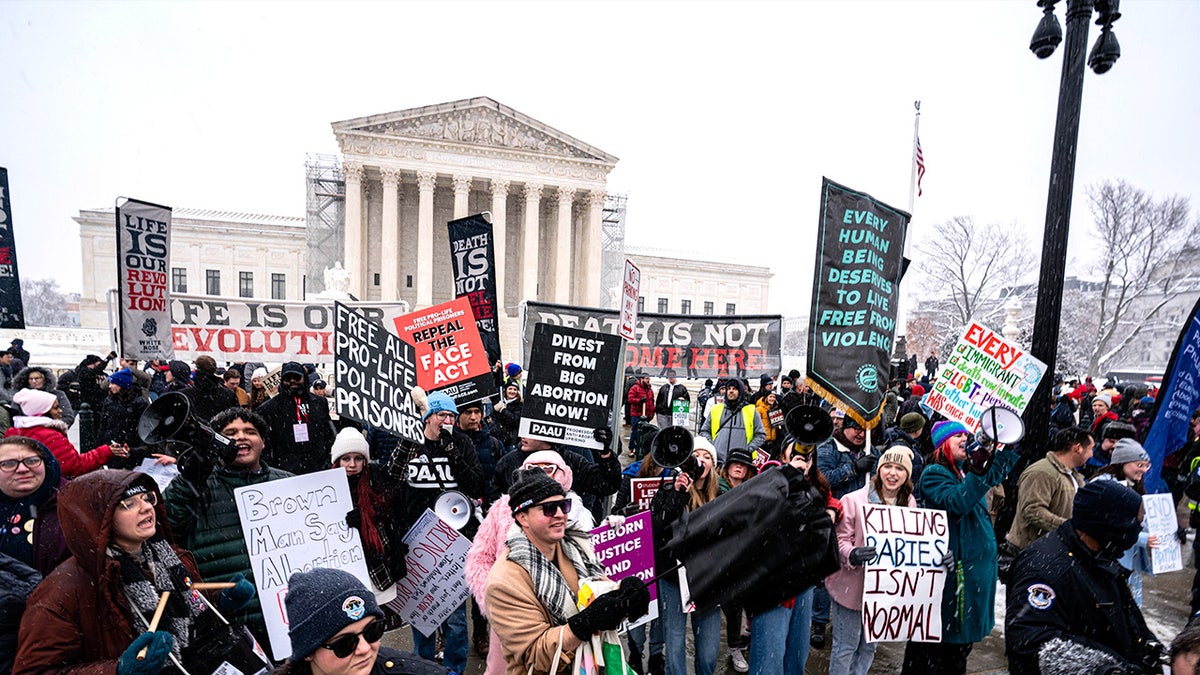
Chronology of Key Events and Actions
The unfolding of events surrounding the FACE Act and its enforcement paints a picture of escalating tensions and subsequent corrective actions:
- 1994: The Freedom of Access to Clinic Entrances (FACE) Act is signed into law, aiming to protect access to reproductive health services and places of worship.
- June 24, 2022: The U.S. Supreme Court issues its decision in Dobbs v. Jackson Women’s Health Organization, overturning Roe v. Wade and eliminating the constitutional right to abortion, returning regulatory authority to individual states. This decision profoundly shifts the landscape of abortion rights and intensifies activism from both pro-life and pro-abortion factions.
- Post-Dobbs (Summer 2022 onwards): Following the Dobbs decision, the Biden administration’s Department of Justice reportedly increases its enforcement of the FACE Act, particularly against pro-life activists engaged in protests or clinic activities. This period sees a rise in federal prosecutions of pro-life individuals.
- September 23, 2022: Mark Houck, a pro-life activist, is arrested by FBI agents at his home in Pennsylvania. He is charged with violating the FACE Act following an alleged altercation outside an abortion clinic. The aggressive nature of the arrest becomes a focal point of criticism.
- January 24, 2023: A federal jury acquits Mark Houck of all FACE Act charges, marking a significant setback for the Biden DOJ’s prosecution efforts in a high-profile case.
- Throughout 2023-Early 2024: As political dynamics shift, particularly with the transition to a new administration, internal reviews within the Department of Justice begin to scrutinize past enforcement practices.
- Recently (Specific date not provided, but preceding the article’s publication): The Trump administration’s Department of Justice releases its new report, detailing allegations of "weaponization" of the FACE Act under the Biden administration.
- Immediately Following Report Release: The current Justice Department confirms the termination of four prosecutors linked to the controversial FACE Act cases. Acting Attorney General Todd Blanche and Assistant Attorney General Daniel Burrows issue strong statements condemning the previous practices.
- Ongoing: The Trump administration’s DOJ announces an overhaul of FACE Act enforcement, including the issuance of pardons for some pro-life activists convicted under the prior administration, the dismissal of several civil cases, and a new policy limiting future FACE Act prosecutions to "extraordinary circumstances" to ensure impartiality.
Official Responses and Expected Reactions
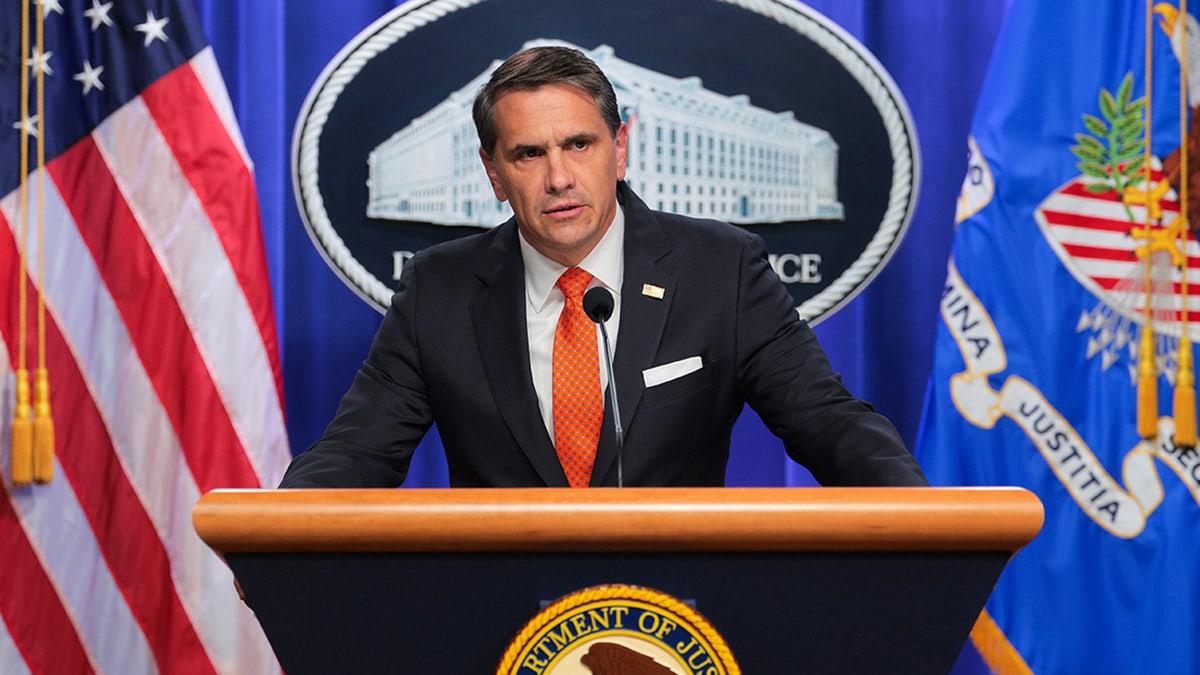
The current Department of Justice, under the Trump administration, has been unequivocal in its condemnation of the alleged practices. Acting Attorney General Todd Blanche asserted that "This department will not tolerate a two-tiered system of justice," emphasizing that "No Department should conduct selective prosecution based on beliefs." His commitment to "restore integrity to our prosecutorial system" signals a significant shift in departmental policy and philosophy. Assistant Attorney General Daniel Burrows echoed these sentiments, describing the unearthed behavior as "shameful," highlighting specific concerns about prosecutors who allegedly "withheld evidence" and "worked to exclude religious jurors." The swift personnel actions, including the firing of four prosecutors and the explicit statement from the DOJ’s rapid response account on X confirming the termination of "personnel responsible for weaponizing the FACE Act," underscore the administration’s resolve to address the report’s findings.
While the original article does not include direct responses from the Biden administration or its former DOJ officials, their expected reaction would likely involve a staunch defense of their past actions. They would likely argue that they were simply fulfilling their duty to enforce federal law, protect access to healthcare services, and ensure the safety of clinic staff and patients, particularly in the heightened post-Dobbs environment. They might contend that the prosecutions were based on evidence of genuine violations of the FACE Act and that any perceived disparities were incidental or attributable to the differing nature of the incidents themselves. Furthermore, they could potentially accuse the current Trump administration of political motivation behind the report, characterizing it as an attempt to undermine federal law enforcement and appease a specific political base ahead of an election.
Pro-life organizations and advocacy groups have predictably lauded the report and the current DOJ’s actions. They have long argued that they have been unfairly targeted and that the FACE Act has been selectively applied. Organizations like the National Right to Life Committee and Alliance Defending Freedom would likely issue statements praising the Trump administration for "exposing judicial overreach" and "restoring justice for pro-life Americans." They would call for further accountability, possibly advocating for a review of all FACE Act convictions under the Biden administration and stronger protections for PRCs and churches.
Conversely, pro-abortion rights organizations, such as Planned Parenthood and NARAL Pro-Choice America, would likely express strong disapproval of the new DOJ’s actions. They would argue that the firings and policy changes undermine a crucial law designed to protect access to reproductive healthcare and that they signal a dangerous retreat from enforcing federal protections. These groups would likely criticize the report as politically motivated, designed to weaken the FACE Act and embolden those who seek to obstruct abortion access. They would emphasize the importance of maintaining robust enforcement to ensure the safety of patients and providers.
Legal experts and civil liberties groups would likely offer a more nuanced range of reactions. Some might express deep concern over the allegations of prosecutorial misconduct, particularly the claims of withholding evidence and jury screening, viewing these as fundamental threats to due process and the integrity of the justice system. Others might caution against an overly broad interpretation of the report, emphasizing the need for federal protections against violence and obstruction at healthcare facilities, regardless of the political leanings of the perpetrators. The debate would likely center on balancing the need for impartial justice with the imperative to protect individuals from unlawful interference.
Broader Impact and Implications
The allegations and subsequent actions by the current Justice Department carry significant legal, political, and social implications. Legally, the report’s findings could trigger a wave of appeals from individuals previously convicted under the FACE Act during the Biden administration, particularly if they can demonstrate that their cases involved similar prosecutorial abuses, such as withheld evidence or biased jury selection. The mention of potential Brady violations is particularly grave, as such misconduct can lead to convictions being overturned. Furthermore, the new policy limiting future FACE Act prosecutions to "extraordinary circumstances" suggests a more cautious approach, which could impact how the law is enforced moving forward and potentially lead to fewer federal charges in cases of clinic obstruction. The dismissal of civil cases and issuance of pardons also signal a reevaluation of the legal consequences for past actions.
Politically, these developments are almost certain to become a contentious issue, particularly in the lead-up to upcoming elections. The Trump administration will likely use the report as evidence of the Biden administration’s alleged "weaponization" of federal agencies, a recurring theme in conservative political discourse. This could further fuel narratives about a politicized Department of Justice and a "deep state" working against certain ideological groups. Conversely, Democrats and abortion-rights advocates will likely frame these actions as an assault on reproductive freedom and an attempt to dismantle federal protections for abortion access, portraying the new DOJ as politicized in its own right. The episode risks further eroding public trust in the impartiality of federal institutions, as each side accuses the other of using the justice system for political gain.
Socially, the report and the DOJ’s response will undoubtedly deepen the existing polarization around the abortion debate. Pro-life activists will feel vindicated, believing their long-held concerns about unfair targeting have been validated. This could embolden further activism, with a perception that the federal government is now more aligned with their cause. Conversely, pro-abortion rights advocates may feel increasingly vulnerable, viewing the changes in FACE Act enforcement as a direct threat to the safety and accessibility of reproductive health services. This could lead to increased activism and calls for state-level protections or alternative federal measures. The incident also touches upon broader concerns about freedom of speech and protest versus ensuring public safety and access to services, forcing a reevaluation of where those lines are drawn.
The question of restoring public trust in the Department of Justice looms large. Acting Attorney General Blanche’s pledge to restore integrity is ambitious, given the highly politicized nature of the allegations. For the public, navigating competing claims of "weaponization" from successive administrations can be disorienting, fostering cynicism about government institutions. The long-term implications for the FACE Act itself are also significant. Depending on future political shifts, the law could face attempts at legislative reform, further weakening or strengthening its provisions, or it could simply become a less frequently used tool, particularly if federal enforcement is significantly curtailed. Ultimately, this episode highlights the profound challenges of maintaining judicial impartiality and equitable law enforcement in an era of deep political and ideological division.