Donald Trump’s Endorsement Streak Dominates GOP Primaries, Signaling Enduring Influence and Raising Midterm Concerns

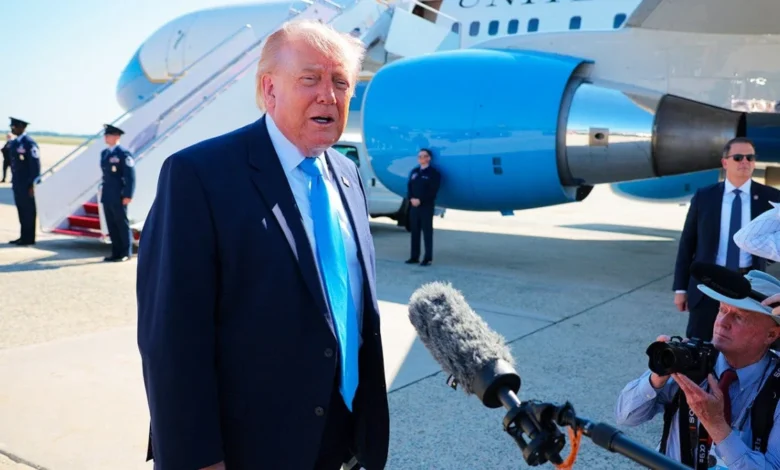
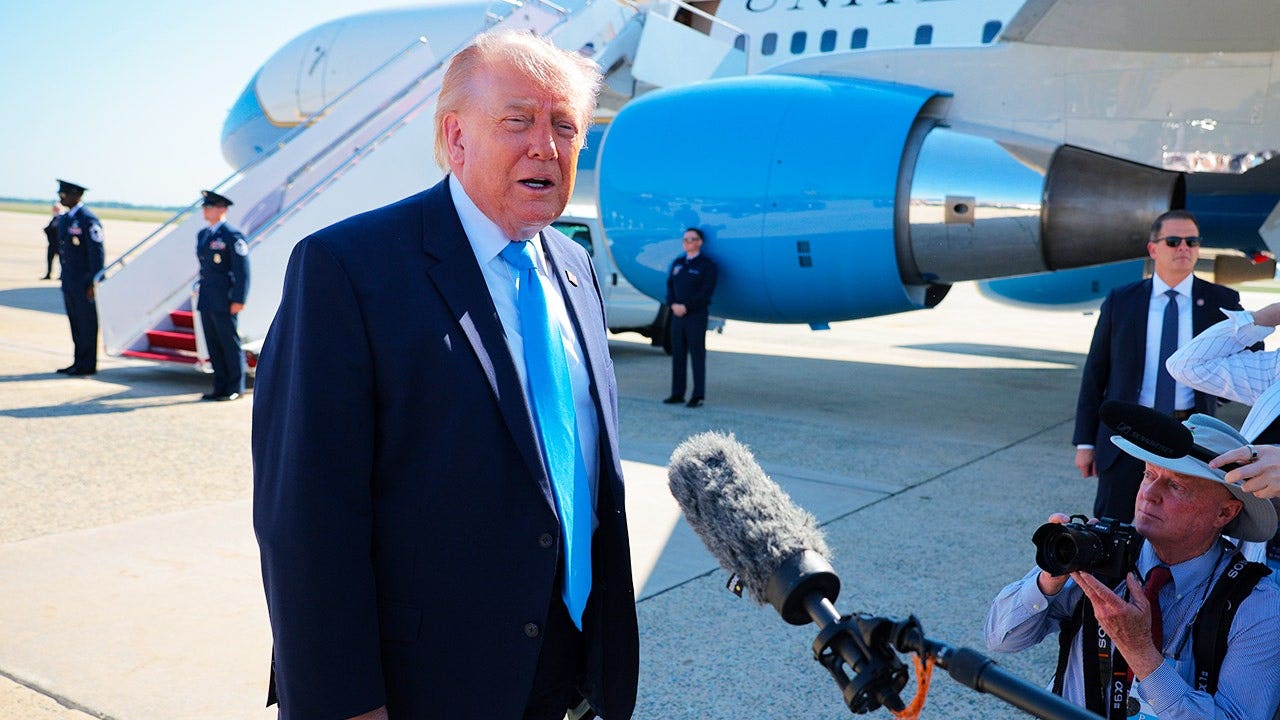
President Donald Trump on Wednesday morning celebrated a resounding success in the latest round of Republican primaries, asserting that candidates he endorsed achieved a perfect 37-0 record across the nation. This sweeping victory, touted by Trump himself, underscored his immense and seemingly unyielding grip on the Republican Party, demonstrating the potent force of his political backing in shaping primary outcomes from coast to coast. "We won all races last night. Every one of them," Trump confidently declared to reporters, emphasizing the breadth of his influence. The impressive tally reflects a strategic deployment of his political capital, targeting both loyalists and those who have previously challenged his authority within the party ranks.
Trump’s Unprecedented Primary Dominance
The results from Tuesday’s primaries served as a powerful affirmation of Trump’s continued status as the de facto leader of the Republican Party, capable of mobilizing his base and swaying voter sentiment in competitive races. His 37-0 claim, while self-reported, indicates a highly effective primary strategy that prioritizes loyalty and alignment with his "America First" agenda. This level of success in endorsements is unusual for a former president, particularly one who remains a central and often polarizing figure in national politics. The primaries saw a diverse range of contests, from congressional seats to state-level nominations, where Trump’s nod proved to be a decisive factor, often overriding traditional party structures and established incumbency. This phenomenon highlights a significant shift in the Republican political landscape, where direct appeal from the former president can often outweigh local endorsements, campaign spending, or even a candidate’s legislative record. The digital age, coupled with Trump’s direct communication channels, allows him to bypass traditional media filters and speak directly to his supporters, further amplifying the impact of his endorsements.
The Ousting of Thomas Massie: A High-Profile Retribution
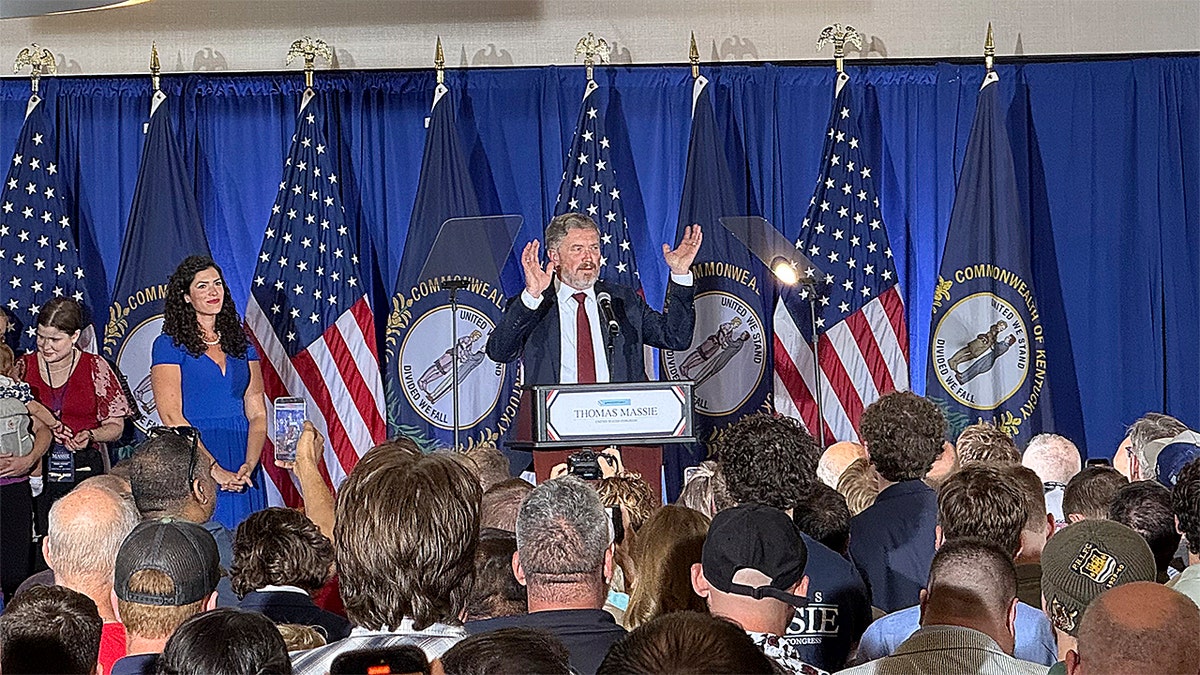
Among the most significant victories for Trump was the defeat of Rep. Thomas Massie in Kentucky’s 4th Congressional District. Massie, a libertarian-minded lawmaker who had represented the northeastern part of the solidly red state for 14 years, was ousted by Trump-backed challenger Ed Gallrein. This particular race had garnered significant national attention, precisely because Massie was one of Trump’s most vocal and consistent Republican critics in Congress. His transgressions, in Trump’s view, included challenging the president on foreign policy issues, such as the Iran war and unconditional U.S. military aid to Israel. Furthermore, Massie had been a thorn in the former president’s side for his successful efforts to push for the release of government files related to convicted sex offender Jeffrey Epstein, a move that drew ire from certain factions within the Trump orbit.
Gallrein’s victory, secured by a nearly ten-point margin, was a major win not only for Trump’s political operation but also for allied groups, notably pro-Israel organizations, who had aggressively spent to unseat the incumbent lawmaker. These groups, often motivated by foreign policy alignment and a desire for unwavering support for key international partners, saw Massie as an impediment to their agenda. The substantial financial backing and groundswell of support, channeled through Trump’s endorsement, proved insurmountable for Massie, despite his long tenure and established base. Speaking at his victory celebration, Gallrein explicitly acknowledged the pivotal role of the former president, stating, "My focus is on advancing the president’s and the party’s agenda to put America first and Kentucky always." This statement encapsulates the message of loyalty and alignment that Trump seeks from his endorsed candidates, a core tenet of his political movement.
The implications of Massie’s defeat extend beyond Kentucky. It sends a clear message to other Republican lawmakers that defiance of Trump carries severe political consequences, particularly in primary elections within safe Republican districts. This dynamic reinforces the idea that the path to continued political relevance within the GOP often requires demonstrating explicit allegiance to the former president and his policy positions.
A Pattern of Purges: Consolidating Power
The ousting of Thomas Massie was not an isolated incident but rather the latest in a series of targeted efforts by Trump to exert retribution against Republicans who have defied him. This pattern of "purges" highlights a deliberate strategy to consolidate his influence and reshape the party in his image. Just two weeks prior to the Kentucky primary, Trump had successfully backed challengers who unseated five state senators in Indiana. These senators had incurred his wrath by opposing his push for congressional redistricting, a critical process that determines electoral boundaries and can significantly impact future election outcomes. Trump’s involvement in these local legislative battles demonstrates his willingness to engage at every level of government to ensure his agenda and loyalists prevail.
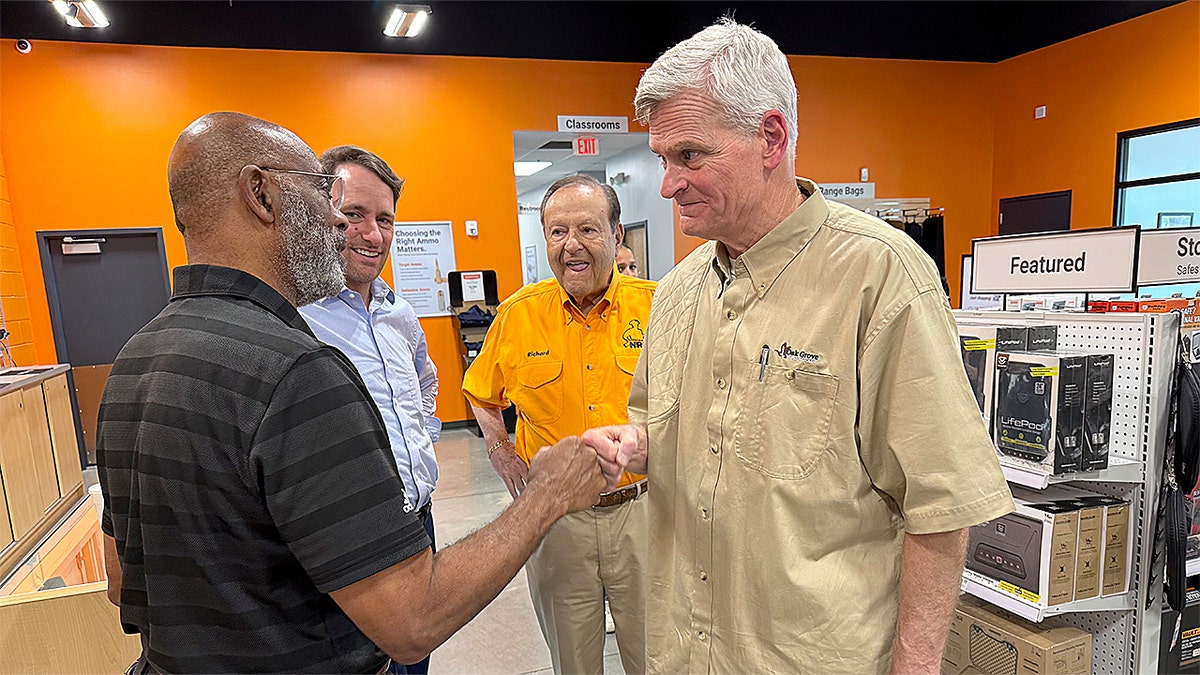
Furthermore, a mere three days before Massie’s defeat, Trump had played a crucial role in the unseating of Senator Bill Cassidy of Louisiana. Cassidy, who had lost his bid for renomination, famously voted to convict Trump in his second impeachment trial five and a half years ago. This action was seen by Trump as the ultimate act of disloyalty, and he had vowed to campaign against Republicans who supported his impeachment. The successful effort to remove Cassidy from the Senate race illustrates Trump’s long memory and his unwavering commitment to punishing perceived betrayals, regardless of the time elapsed since the initial offense. These sequential victories against incumbent Republicans who had crossed him underscore the formidable "brute force" of Trump’s endorsement power and his enduring ability to mobilize primary voters against perceived enemies within the party.

White House communications director and longtime Trump aide Steven Cheung succinctly captured the sentiment emanating from the Trump camp after Massie’s defeat, posting on social media: "Do not ever doubt President Trump and his political power. F–k around, find out." This stark warning, while informal, perfectly articulates the punitive nature of Trump’s primary interventions and the high stakes involved for Republicans contemplating dissent.
Broader Primary Landscape and Emerging Challenges
Beyond the high-profile clashes, Trump’s endorsement record also saw significant successes in other critical races. In Kentucky, Rep. Andy Barr, who had received Trump’s backing in recent days, cruised to the Republican Senate nomination. Barr is now set to contend for the seat being vacated by retiring Senator Mitch McConnell, the former longtime Senate GOP leader. McConnell’s departure marks the end of an era, and Trump’s influence in selecting his successor’s primary candidate further cements his sway over the party’s future leadership. Similarly, in solidly red Alabama, Senator Tommy Tuberville, a staunch Trump ally in the Senate, easily secured the GOP gubernatorial nomination. These victories demonstrate that Trump’s endorsements are not solely about retribution but also about elevating loyalists to key positions, reinforcing the ideological alignment of the party.
However, not all Trump-backed candidates secured an immediate ticket to the general election. In several instances, the former president’s endorsement was sufficient to propel candidates to the front of the pack but not to an outright victory, necessitating runoff elections. In Georgia, Republican Lt. Gov. Burt Jones, despite Trump’s backing, finished first in the GOP gubernatorial primary but failed to clear the 50% threshold, forcing a runoff next month against billionaire businessman Rick Jackson. A similar scenario unfolded in Alabama, where Trump-backed Rep. Barry Moore also finished first but requires another victory in next month’s runoff to secure the Republican Senate nomination, this time in the race to succeed Tuberville. Furthermore, just the past weekend, Trump-backed Rep. Julia Letlow was forced into a runoff with Louisiana Treasurer John Fleming, even as Senator Bill Cassidy was defeated. These runoffs indicate that while Trump’s endorsement is a powerful accelerator, it doesn’t always guarantee an immediate and decisive win, especially in crowded fields or where local dynamics play a significant role. They also highlight the potential for extended and costly primary battles that could deplete resources ahead of the general election.
The Texas Tightrope: A General Election Concern
While Trump’s interventions in reliably red states like Louisiana, Alabama, and Kentucky may not significantly impact the general election outcomes, his heavy hand in battleground states like Georgia and, notably, red-leaning Texas, could introduce considerable risk. Democrats are keenly eyeing the U.S. Senate race in Texas, hoping to flip a seat there for the first time in nearly four decades. Their optimism has been fueled, in part, by Trump’s endorsement of MAGA firebrand and loyalist Texas Attorney General Ken Paxton over longtime GOP Senator John Cornyn, just one week before their runoff election for the Republican nomination.
"Ken is a true MAGA Warrior who has ALWAYS delivered for Texas, and will continue to do so in the United States Senate," Trump declared in a social media post announcing his backing of Paxton. This endorsement is widely seen as a potentially fatal blow to Cornyn’s hopes of winning renomination. Senator Cornyn, a seasoned legislator with a long track record in the Senate, was the preferred candidate for many Republican leaders in Washington, including Senate Majority Leader John Thune and the National Republican Senatorial Committee (NRSC). They viewed Cornyn as the candidate better equipped to successfully defend the seat in Texas, a state Democrats are aggressively targeting in their broader strategy to regain control of the Senate.
The concerns surrounding Paxton stem from a litany of scandals and legal problems that have plagued him over the past decade, including a long-standing securities fraud indictment and an impeachment by the Texas House of Representatives (though he was later acquitted by the Senate). These controversies, coupled with an ongoing messy divorce, provide ample ammunition for Democratic attacks in the general election. The winner of the contentious GOP runoff will face off in the autumn with rising Democratic Party star state Representative James Talarico. Talarico has been diligently building a massive war chest this year, benefiting from the internal Republican strife and the perception that Paxton presents a more vulnerable target. The prospect of a highly controversial Republican nominee in a state like Texas, which is gradually shifting demographically, presents a significant strategic opening for Democrats.
Midterm Outlook and Strategic Risks
The situation in Texas and the broader implications of Trump’s aggressive primary strategy have led some Republicans to express serious concerns about the upcoming 2026 midterm elections. There is a palpable fear that this could be a flashback to the 2022 midterms, when then-former President Trump similarly flexed his muscles in GOP primaries. In 2022, many of his endorsed candidates, despite winning their primaries, ultimately fell short in the general elections. A prominent example was Herschel Walker in Georgia, whose candidacy struggled to gain traction with moderate voters, contributing to Republicans’ failure to win back the Senate majority.
Vocal Trump critic and GOP consultant Sarah Longwell articulated this apprehension on social media following Tuesday’s results: "Trump got his way in most of the primaries in 2022 also. Didn’t portend great results in the general election." Her observation highlights a critical dilemma for the Republican Party: while Trump’s endorsement is a near-guarantee of primary success, it doesn’t necessarily translate into general election viability, particularly in swing states or districts where moderate and independent voters hold the balance of power.
Veteran Republican strategist and communicator Ryan Williams offered a stark assessment to Fox News Digital, stating, "The Republican Party is Trump’s party, and if you cross him, he’ll hit back at you ten times as hard and defeat you. He’s getting better at this as time goes on. His grip on the party has increased, not decreased." Williams further emphasized, "Anybody at this point who doesn’t understand this will be out of a job if they cross the president." This underscores the internal pressure on Republicans to conform to Trump’s vision, even if it means nominating candidates who may struggle to appeal to a broader electorate.
Williams also pointed to the inherent risk in Trump’s approach, noting that "The president has shown that he puts personal loyalty over political considerations even when it puts a safe seat at risk." This prioritization of loyalty, while strengthening his personal command over the party, could potentially jeopardize the GOP’s chances of defending its razor-thin House and slim Senate majorities in the challenging political climate of the 2026 midterms. The party in power traditionally faces headwinds in midterm elections, and compounding this with candidates who may be perceived as too extreme or controversial by a wider voter base could make the path to victory significantly steeper. "That’s the situation Republicans find themselves dealing with heading into what should be a challenging midterm election," Williams concluded, encapsulating the complex strategic tightrope the party must walk.
The Enduring Power and Future of the GOP
President Trump’s undeniable success in the 2026 primaries reinforces his enduring and perhaps expanding power within the Republican Party. His ability to shape candidate selections, oust incumbents, and reward loyalty has solidified his position as the ultimate kingmaker. This consolidation of power signals a continued shift in the GOP’s ideological direction, emphasizing populist appeal and unwavering allegiance to the former president.
However, the shadow of general election challenges looms large. The strategy of prioritizing primary wins through loyalty, even at the expense of broader electability, carries significant risks for the party’s overall electoral success in the midterms. As Democrats strategize to capitalize on potential vulnerabilities, the Republican Party faces a crucial test: can it maintain internal cohesion under Trump’s powerful influence while simultaneously presenting a slate of candidates capable of winning over a diverse national electorate? The answer to this question will not only determine the control of Congress in 2026 but also significantly shape the future trajectory of the Republican Party itself.