A Journey of Ancestry and Destiny How a Chance Encounter in Benin Transformed Two Lives Across Continents

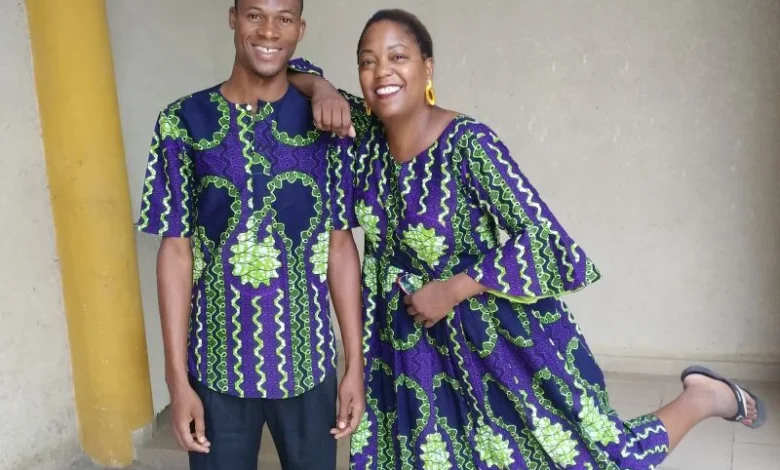
When Rachel Décoste landed in the Republic of Benin in August 2018, she arrived with the heavy expectation of a woman seeking her lost history. A resident of Washington, D.C., and a native of Ottawa, Canada, Décoste was a daughter of the Haitian diaspora who had spent years working in the high-stakes environment of U.S. bipartisan tech programs and public service. Her journey to West Africa was not a standard vacation; it was the culmination of a genetic quest to trace her lineage back to the ancestors who were forcibly taken from the continent centuries ago. While she expected to find her roots, she did not expect to find a partner who would redefine her future.
The transformation of Décoste’s life began with a simple, pragmatic question for directions on a Cotonou street corner. Within two weeks, she was engaged to the stranger who helped her; within six months, they were married. Today, their story serves as a profound narrative of the "Year of Return" movement, illustrating the unpredictable intersections of personal identity, international migration, and the enduring bonds of the African diaspora.
The Quest for Ancestral Identity
Rachel Décoste’s journey was fueled by the modern phenomenon of consumer genomics. For many members of the African diaspora, DNA testing is more than a curiosity; it is a tool for reclaiming a history erased by the Transatlantic Slave Trade. After submitting her DNA to an online ancestry site, Décoste received a map that replaced vague notions of "African descent" with specific geographic markers: Senegal, Ivory Coast, Togo, Ghana, and Benin.
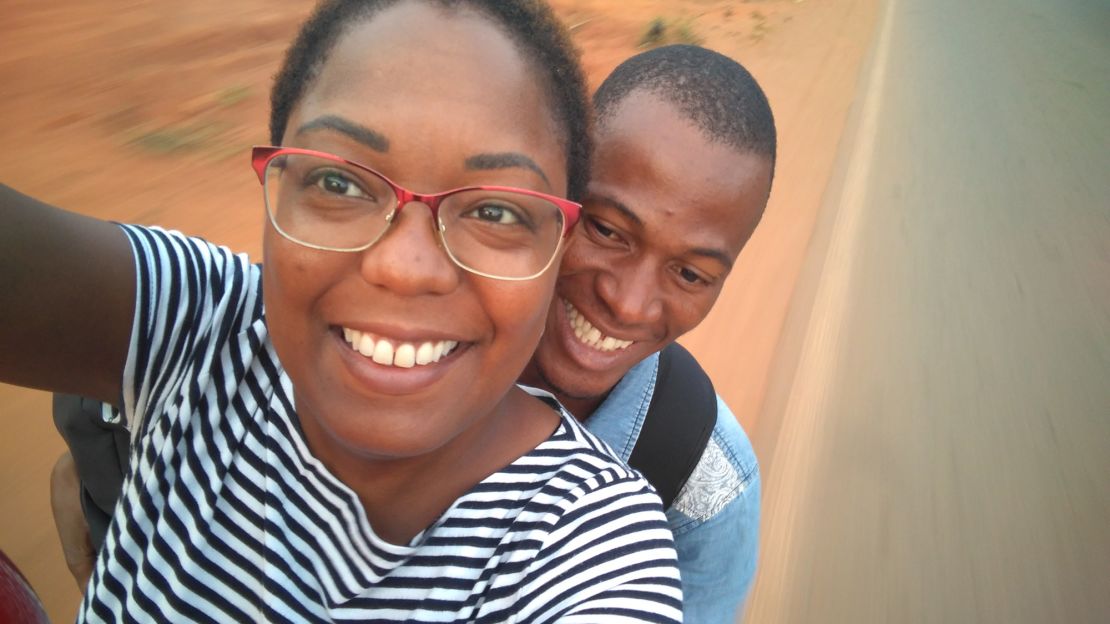
"DNA tests for a descendant of enslaved Africans have very deep significance for us," Décoste explained in an interview. "Even though it’s not a precise science, when you get the map of where your ancestors came from, it’s an emotional journey."
In 2018, Décoste took advantage of a transitional period in her professional life. With her U.S. visa up for renewal and her job allowing for remote work, she embarked on a five-month trek through the five countries identified in her DNA profile. Benin was her final stop. At the time, she admitted she could barely have located the Republic of Benin on a map, yet she felt an inexplicable pull to Ouidah, a coastal city that once served as one of Africa’s most active slave trading ports.
A Chance Meeting at a Cotonou Gate
Upon arriving in the port city of Cotonou, Décoste settled into a local bed and breakfast. Her plan was to spend two weeks balancing her professional responsibilities with a historical pilgrimage to Ouidah’s Museum of History. On her first full day of exploration, she found herself stranded when the B&B manager and the security guard were nowhere to be found. Stepping outside the gates, she encountered a man preparing to mount a motorcycle.
The stranger was Honoré Orogbo, a local business owner and single father in his thirties. Because Décoste is a French Canadian, and French is the official language of Benin, communication was seamless. She asked for directions to the downtown intersection where "bush taxis" departed for Ouidah. Recognizing that the directions were complex for a newcomer, Orogbo offered her a ride on the back of his motorcycle.
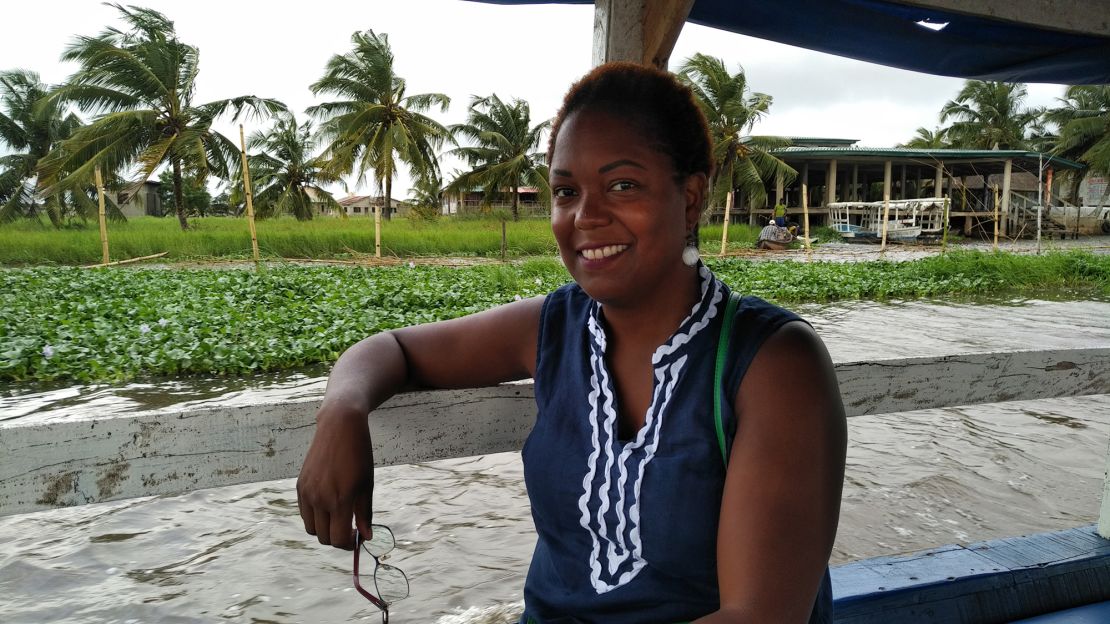
Despite the inherent risks of accepting a ride from a stranger, Décoste made a split-second decision to trust her intuition. "I take a chance, hop on the back of his motorcycle, no helmet," she recalled. This ten-minute ride would eventually lead to a transcontinental marriage.
The Journey to Ouidah and the Revelation of Values
When they arrived at the taxi rank, the vehicle for Ouidah was nearly empty. In West African transit systems, drivers typically do not depart until every seat is sold, which could have cost Décoste several hours of her day. Sensing her disappointment and wanting to ensure she reached her destination safely, Orogbo offered to drive her the full hour to Ouidah himself, noting he had a friend in the area he could visit.
During their time in Ouidah, a city defined by the "Route des Esclaves" (Slave Route) and the "Door of No Return," the dynamic between the two began to shift. Décoste, a solo female traveler, initially maintained a protective barrier, telling Orogbo she was married and withholding details about her career in Washington. However, as they shared a brunch and later toured the city, Orogbo’s character became evident.
Orogbo was not a professional tour guide, but he agreed to escort Décoste for three days to ensure her safety and ease of travel. As they traversed the country, they engaged in deep, candid conversations. Décoste was particularly moved by Orogbo’s dedication to his son. He explained that he chose not to buy a newer motorcycle because he prioritized funding his son’s education.
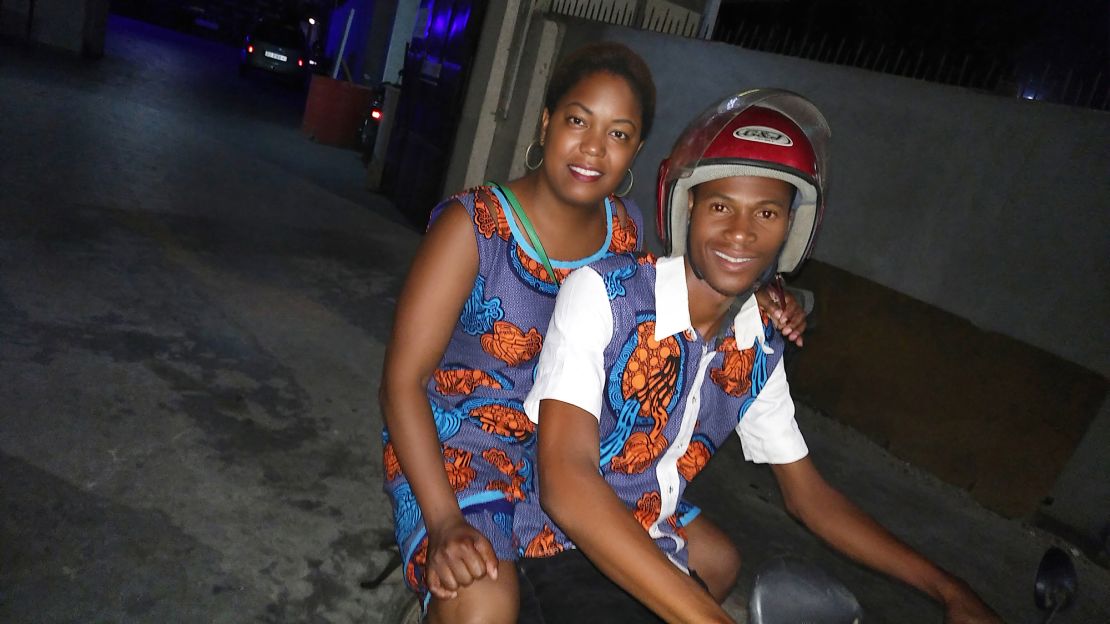
"I saw myself in those values," Décoste said. "I thought, ‘Wow, those are the values of my parents.’"
From Strangers to Soulmates: The Togo Turning Point
The burgeoning relationship reached a crescendo during a weekend trip to Lomé, the capital of neighboring Togo. Décoste invited Orogbo to join her, booking separate hotel rooms, to experience the city’s nightlife. They attended a poetry slam and a live music venue, dancing until dawn.
For Orogbo, the night was transformative. "I think it’s that night that the lightning struck," he said. "Next day I saw her differently. Not like a tourist, but my soulmate."
Décoste, too, realized the depth of her feelings. She reached out to a close friend in Ottawa via email, questioning if she was "crazy" for considering marriage after only a week. Her friend’s response was an affirmation of Décoste’s judgment: "If he’s the one, grab him."
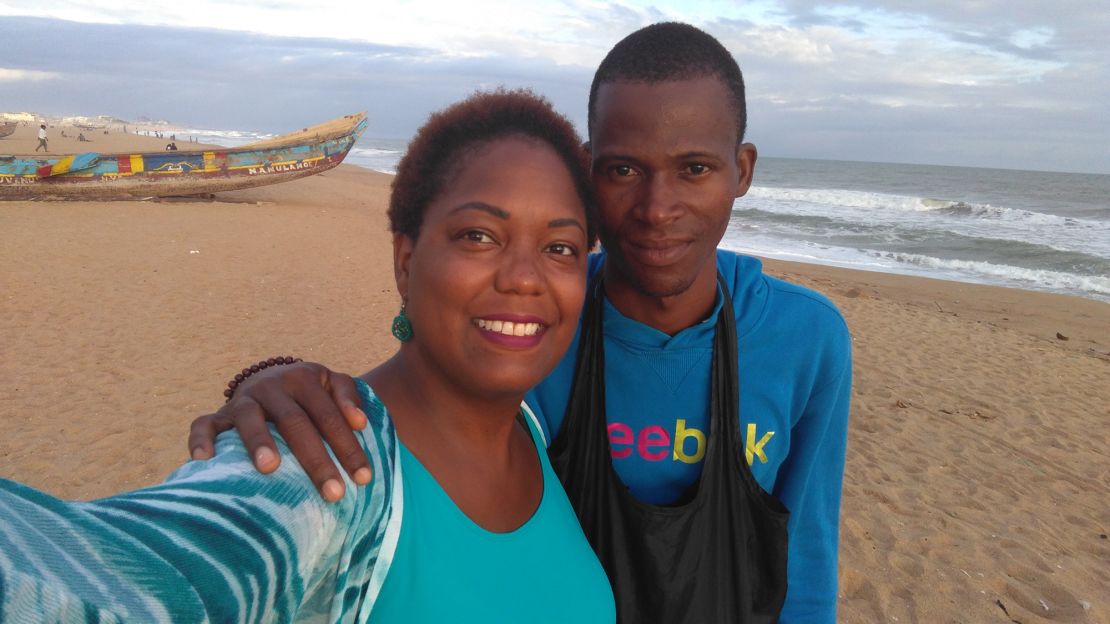
With only one week left in her journey, Décoste dropped her guard and confessed that she was not, in fact, married. The revelation cleared the path for a formal commitment. On a beach in Cotonou, facing the Atlantic Ocean—the same ocean that had separated their ancestors centuries prior—the couple decided to get engaged.
Navigating the Logistics of International Love
The decision for Orogbo to relocate to Canada was a significant sacrifice. He had never intended to emigrate, and the move meant uprooting his son and leaving his established life in Benin. However, he chose to "follow his heart with reckless abandon."
The ensuing six months were a whirlwind of administrative and emotional hurdles. Décoste returned to North America, resigned from her life in D.C., and moved back to Ottawa to prepare for her new family. While her parents were initially skeptical of the rapid timeline, their concerns evaporated upon meeting Orogbo and witnessing his devotion.
In January 2019, Décoste returned to Benin for their wedding. In a symbolic full circle, she wore a dress made of white lace fabric—lessi—that Orogbo had helped her pick out at a market during their first week together.
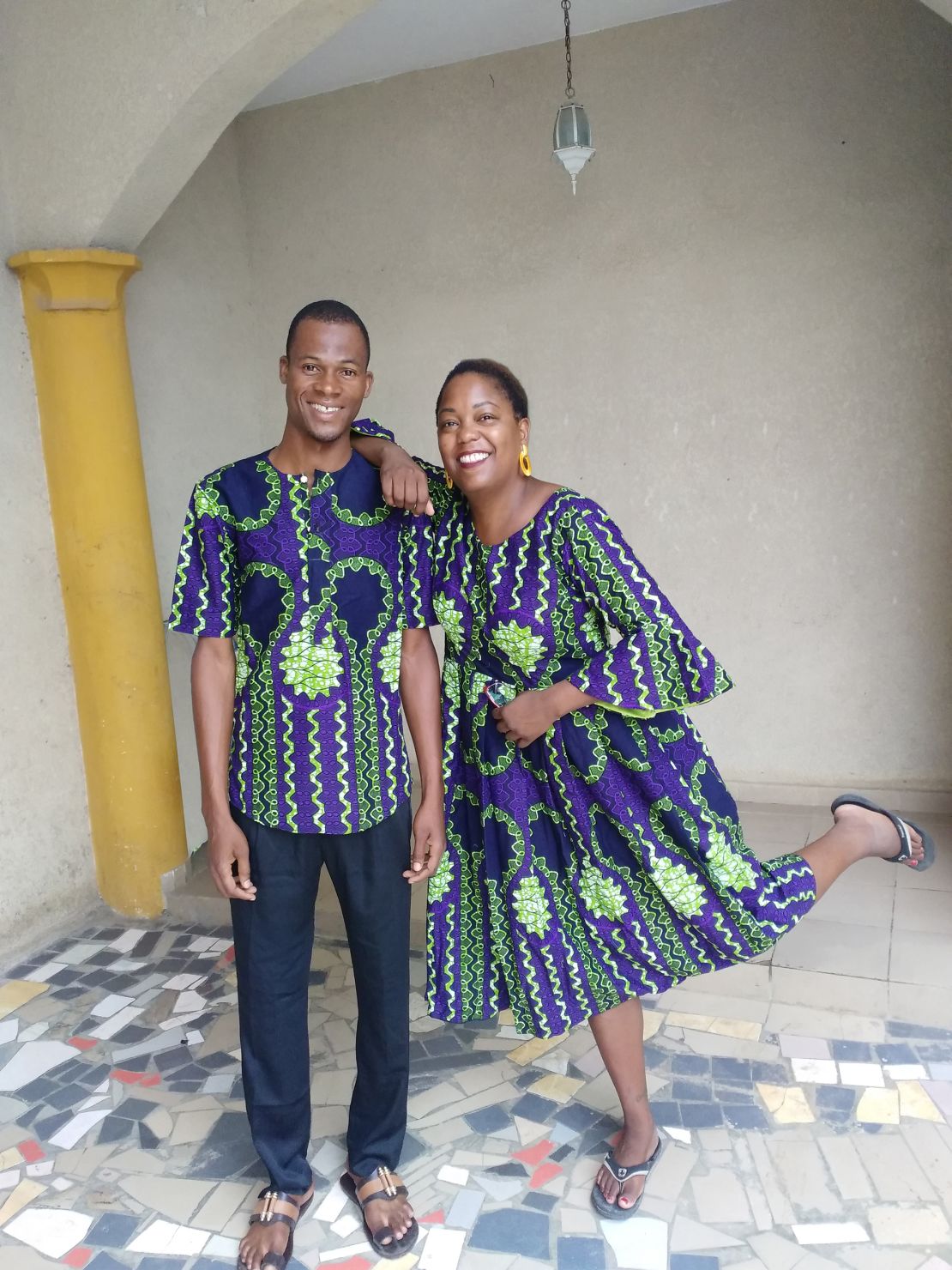
The couple then faced the rigorous process of Canadian immigration. Honoré and his son arrived in Ottawa in the dead of winter, experiencing a "cold of Africa" that was incomparable to the sub-zero temperatures of Ontario. Despite the thermal shock, the family integrated quickly. Orogbo began his studies, and his son adapted to Canadian schools, with Décoste embracing her new role as a stepmother.
Broader Implications: The "Year of Return" and Diaspora Economics
The story of Rachel and Honoré is situated within a broader sociological trend often referred to as "Ancestry Tourism" or the "Year of Return." In 2019, Ghana formally launched a campaign to encourage African diasporans to settle and invest in the continent, marking 400 years since the first recorded enslaved Africans arrived in Virginia.
While Décoste’s journey began in 2018, it mirrors the objectives of these movements: the reconciliation of identity and the forging of new economic and personal ties between the Americas and Africa. The couple has since channeled their shared heritage into a business venture, "Woke Apparel," which sells Canadian-grade winter pajamas featuring traditional African prints. This business serves as a literal bridge between the warmth of Beninese culture and the harshness of the Canadian climate.
Furthermore, Décoste has documented her journey in an audiobook, Year of Return: a Black Woman’s African Homecoming, and is currently authored a memoir slated for a 2026 release. Her experience has become a case study for the "Chance Encounters" podcast, highlighting how travel can act as a catalyst for life-altering connections.

Conclusion: A Testament to Fate and Timing
Reflecting on their journey from a chance encounter in Cotonou to a settled life in Ottawa, both Rachel and Honoré emphasize the importance of intuition. For Orogbo, the lesson is that "sometimes you shouldn’t force fate." For Décoste, the takeaway is one of empowerment and the rejection of societal timelines.
"You’re never too old to find love. You’re never too old to become a mother," she says. "There is no expiration date on opportunity."
Their story stands as a unique modern epic—a narrative that began with a DNA test and a quest for the past, only to result in a family and a future that spans the Atlantic. In an era of digital dating and calculated matches, the Orogbo-Décoste marriage remains a powerful reminder of the impact of a single, courageous "yes" to a stranger on a motorcycle.