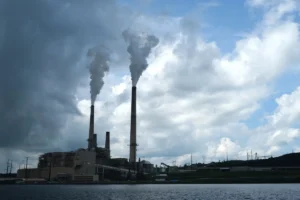
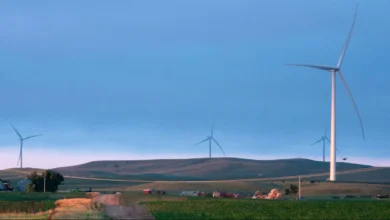
The Iran war is destroying oil demand. Could it also spark a shift to clean energy?


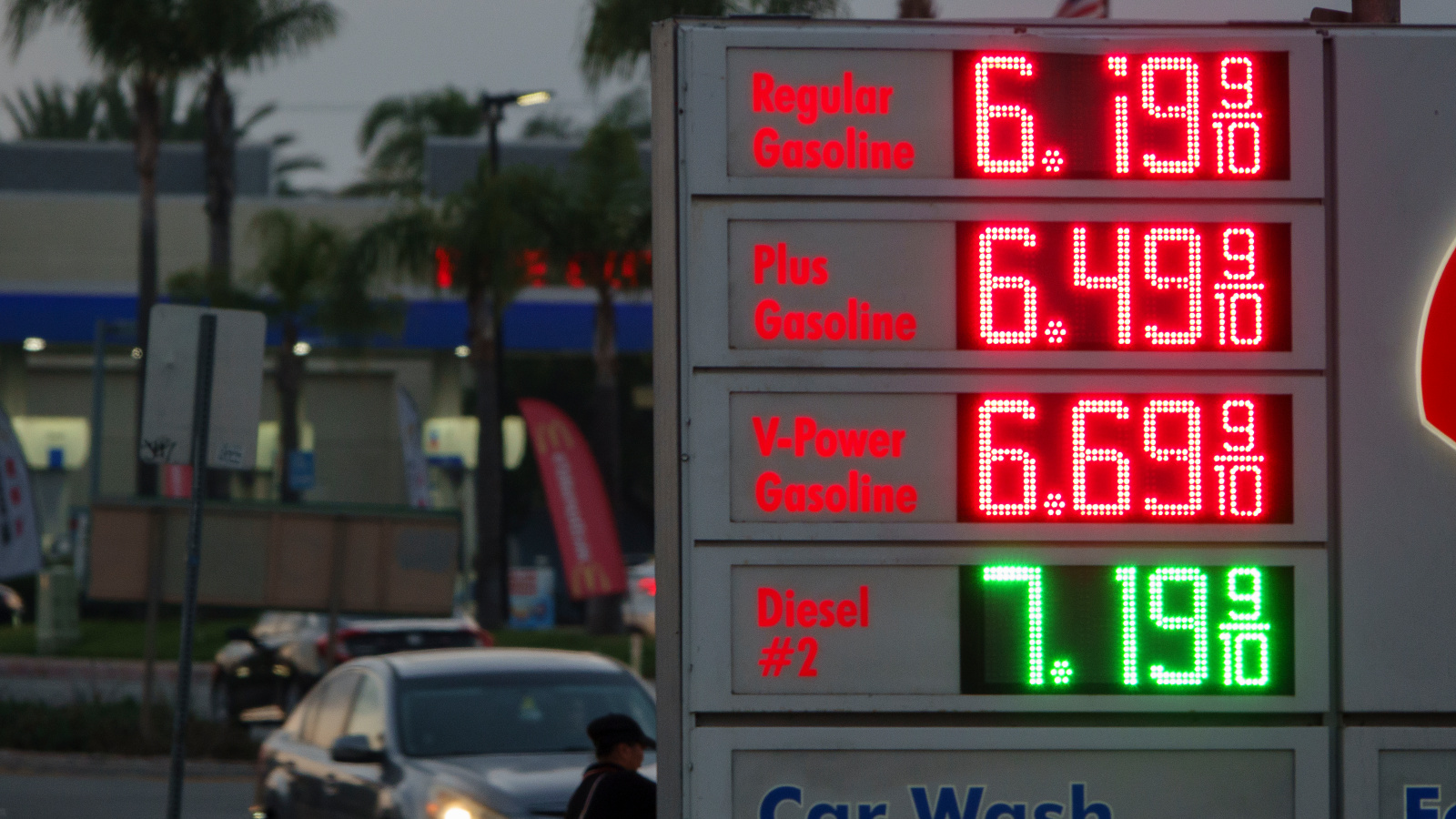
With the average price of gasoline in the United States climbing above $4.50 a gallon—representing a staggering 40 percent increase since the outbreak of hostilities in Iran in late February—the American landscape is undergoing a rapid and perhaps permanent transformation. This price surge, catalyzed by what has been termed the largest oil supply disruption in modern history, has forced millions of Americans to reconsider their reliance on the internal combustion engine. Recent data indicates that U.S. drivers are collectively paying $45 billion more for gasoline and diesel compared to the previous year, a financial "rupture" that is reshaping consumer behavior from the suburbs of the Midwest to the coastal metropolises. According to a joint survey conducted in late April by ABC News, The Washington Post, and Ipsos, approximately 44 percent of U.S. adults have significantly reduced their driving in direct response to these soaring costs.
The current crisis is not merely a localized American phenomenon but a global economic shockwave. As the geopolitical situation in the Middle East remains volatile, the traditional reliance on fossil fuels is being challenged by a combination of economic necessity and the increasing availability of technological alternatives. While previous oil shocks often resulted in temporary behavioral shifts, economists and energy analysts are observing signs of "demand destruction"—a phenomenon where the consumption of a resource does not simply dip but is permanently lowered due to structural changes in the economy and consumer habits.
The Geopolitical Catalyst: Conflict in the Strait of Hormuz
The primary driver of this current economic instability is the conflict in Iran and the subsequent choking of the Strait of Hormuz. As a critical maritime chokepoint, the Strait of Hormuz facilitates the passage of roughly 20 percent of the world’s total oil supply. With these shipments effectively halted or severely restricted, the global energy market has been plunged into a state of deficit. The International Energy Agency (IEA) has monitored this disruption closely, noting that the removal of such a significant volume of crude from the market has no historical precedent in terms of scale and speed.
The disruption has hit the global economy at a particularly vulnerable time. Still recovering from the inflationary pressures and supply chain issues that followed the 2022 invasion of Ukraine by Russia, the world is now facing its second major energy shock in less than five years. This "twin fossil shock" has created a sense of urgency among policymakers to decouple their national economies from the volatile pricing of global oil markets.
A Chronology of the 2026 Energy Crisis
The timeline of the current crisis illustrates how quickly geopolitical events can translate into domestic economic strain:
- Late February 2026: Conflict begins in Iran, leading to immediate uncertainty in energy futures.
- March 2026: Shipping through the Strait of Hormuz is severely restricted. Global oil prices begin a vertical ascent. China reports a record-breaking surge in the export of solar panels, batteries, and electric vehicles (EVs) as nations scramble for alternatives.
- April 2026: U.S. gas prices hit the $4.50 per gallon threshold. Surveys reveal that nearly half of the American population is actively reducing vehicle miles traveled.
- Early May 2026: Public transit agencies in major cities, including Los Angeles, Cincinnati, and New York, report double-digit percentage increases in ridership. Amtrak reports record passenger volumes on regional corridors.
- Mid-May 2026: The IEA officially forecasts a contraction of 420,000 barrels of oil demand per day for the year, citing "demand destruction" as a primary factor.
The Rise of Alternative Transportation and "Electrotech"
As the cost of fueling a traditional vehicle becomes prohibitive for many low- and middle-income households, the shift toward alternative transportation has accelerated. In urban centers like Los Angeles and Cincinnati, public transit systems—which had been struggling to return to pre-pandemic ridership levels—are seeing a massive influx of commuters. This trend is mirrored in the private sector, where sales of used electric vehicles and hybrid cars have grown substantially over the last quarter.
The transition is not limited to four-wheeled vehicles. Shared micro-mobility solutions, such as e-bikes and scooters, are increasingly being used to replace short-distance car trips. For many, these changes are not just about saving money; they are about finding more reliable ways to navigate a world where fuel prices can swing wildly based on overseas conflicts. In regions where public transit is less accessible, Americans are turning to carpooling, consolidating multiple errands into single trips, and advocating for more frequent remote work opportunities to mitigate the financial impact of the commute.
Demand Destruction: A Deeper Economic Shift
The term "demand destruction" is often used by economists to describe a scenario where high prices lead to a permanent loss of demand. Unlike a temporary reduction in use, demand destruction occurs when consumers and industries make capital investments or lifestyle changes that make it difficult or undesirable to return to previous consumption patterns.
Kenneth Gillingham, a professor of environmental and energy economics at Yale University, emphasizes that this shift is more than a short-term reaction. "To me, the term ‘demand destruction’ really only makes sense if you’re talking about it as a longer-term thing," Gillingham noted. "It’s truly destroyed the source of demand." This is evidenced by the adoption of energy-efficient appliances, the transition to electric heat pumps in homes, and the purchase of EVs. Once a household invests in an electric vehicle, their demand for gasoline is not merely suppressed—it is eliminated.
Asia’s Strategic Pivot and the Global Outlook
While the U.S. is feeling the pinch, the most profound examples of demand destruction are occurring in Asia. Historically, Asia was projected to account for nearly all the growth in global oil and gas consumption over the next several decades. However, the current crisis has prompted a radical rethinking of this trajectory.
In Japan, industrial demand for naphtha—a key petrochemical used in the production of plastics—has fallen by 25 percent year-over-year. In South Korea, gasoline demand at the pump fell by 5 percent as the government began a sharp pivot toward renewables. South Korean President Lee Jae Myung has been vocal about this necessity, stating, "Our future will be at serious risk if we continue to rely on fossil fuels."
Developing nations such as Pakistan, the Philippines, and Sri Lanka have taken even more drastic measures, implementing four-day work weeks to reduce national fuel consumption and ease the burden on commuters. This collective shift in Asia is significant because it represents the "engine" of global oil growth choosing a different path. Daan Walter, a lead researcher at the energy think tank Ember, suggests that we may be living through the "peak year" of oil. "If Asia turns around and says they are going to grow with electrotech instead of fossil fuels, demand will just never come back to the level it was before Hormuz closed," Walter explained.
Historical Parallels: 1970 vs. 2026
The current situation invites comparisons to the oil shocks of the 1970s, which led to the creation of the Strategic Petroleum Reserve and the implementation of corporate average fuel economy (CAFE) standards in the U.S. However, analysts at Ember point out a crucial difference: the availability of alternatives. In the 1970s, the world had few scalable options to replace oil. Today, solar and wind power are the cheapest forms of new electricity generation in most of the world, and battery technology has reached a point of commercial maturity.
This "twin fossil shock" of the 2020s—first Russia, then Iran—has stripped away the "complacency of thinking there is a path back to a normal stable fossil system," according to Walter. The volatility of the current market serves as a constant reminder of the risks inherent in import dependency.
Political Reactions and the Future of Energy Policy
The political response to the crisis remains divided. In the United States, President Donald Trump has maintained that oil prices will "drop like a rock" once the conflict in Iran is resolved and the Strait of Hormuz is reopened. This perspective views the current price spike as a temporary anomaly that can be solved through increased domestic production and diplomatic resolution.
However, many experts argue that even if shipping resumes tomorrow, the damage to the oil infrastructure and the time required to restart dormant wells will keep supplies tight for the foreseeable future. Furthermore, the psychological impact on consumers may be irreversible. Susan Handy, a professor at the University of California, Davis, observes that shocks like these are often the only way to break long-standing habits. "It is really hard to get people to change behavior without those kinds of shocks," Handy said. While some will return to their cars once prices stabilize, a significant percentage will have discovered the benefits of biking, transit, or EVs, leading to a permanent shift in the transportation landscape.
Conclusion: A Turning Point for the Planet
The silver lining of the current "grim situation" is the accelerated transition toward a cleaner, more stable energy future. The destruction of oil demand, driven by the necessity of high prices and the availability of green technology, offers a permanent route out of fossil fuel dependence.
As the world watches the events in the Middle East, the focus is increasingly shifting from "when will prices go down" to "how quickly can we move away." If the current trends in Asia and the West continue, the 2026 energy crisis may be remembered not just as a period of economic hardship, but as the definitive moment when the global community finally turned away from an unreliable and destructive resource in favor of a sustainable future. The "electrotech" revolution is no longer a distant prospect; it is the immediate response to a world in crisis.