
Our Five Star French Onion Soup Is Worth The Tears
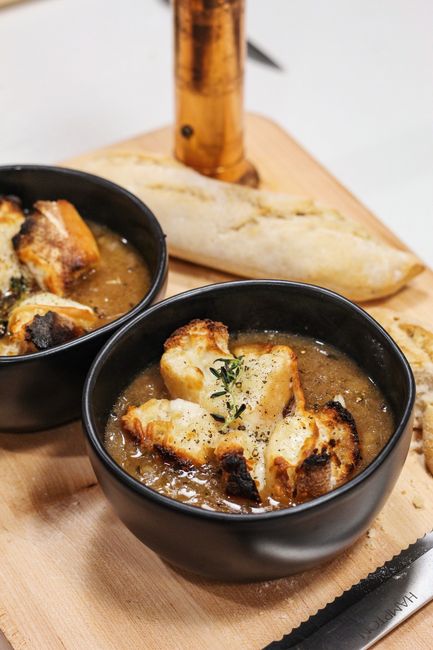
Five-Star French Onion Soup: Worth Every Tear for Unforgettable Flavor
The allure of French onion soup lies in its deceptive simplicity. At its core, it’s humble ingredients – onions, broth, bread, and cheese – elevated to an extraordinary culinary experience. Achieving the five-star status this soup commands, however, is a testament to meticulous technique and an unwavering commitment to extracting every ounce of flavor from its foundational element: the onion. This isn’t a soup to be rushed. It is a labor of love, a slow burn that transforms humble alliums into a symphony of sweetness, savoriness, and umami, justifying every precious tear shed during its preparation. The journey from a pile of onions to that iconic, bubbling cauldron of cheesy perfection is a culinary pilgrimage, and understanding its intricacies is key to appreciating why it consistently earns top accolades. The magic begins not with a bang, but with a gentle, prolonged caramelization, a process that unlocks the complex sugars within the onions and lays the groundwork for the soup’s signature depth.
The foundation of any truly exceptional French onion soup rests entirely on the quality and quantity of the onions used, and crucially, on the patience applied to their caramelization. This is not a stage for haste; it is the alchemical heart of the dish. While some recipes might suggest a quicker sauté, a five-star rendition demands a slow, deliberate transformation. Think hours, not minutes. The onions, typically yellow or sweet varieties for their inherent sugars, are sliced thinly and evenly to ensure uniform cooking. They are then introduced to a generous amount of fat – often a combination of butter and olive oil – in a heavy-bottomed pot or Dutch oven. The heat is kept at a consistent, medium-low temperature, allowing the onions to soften and release their moisture gradually. This is where the magic begins. As the water evaporates, the natural sugars within the onions start to concentrate and, under sustained heat, undergo the Maillard reaction. This complex chemical process is responsible for the browning, the development of deep, rich flavors, and that characteristic sweet, nutty aroma. The onions will transition from translucent to pale yellow, then to a light golden hue, and finally, to a deep, mahogany brown. Each stage is critical. Under-caramelized onions will result in a soup that lacks depth and sweetness. Over-caramelized, bordering on burnt, will introduce an acrid bitterness. Achieving that perfect point, where the onions are deeply browned but not scorched, requires constant attention, stirring, and the occasional deglazing of the pot with a splash of liquid to prevent sticking and capture those precious browned bits, known as fond. This fond is pure flavor, a concentrated essence of onion that will permeate the entire soup.
The broth is the liquid soul of French onion soup, and for a five-star experience, homemade is non-negotiable. While good quality store-bought broth can be a passable substitute in a pinch, it simply cannot replicate the nuanced complexity of a broth simmered from scratch. The ideal broth for French onion soup is beef broth, rich and gelatinous, providing a robust backbone for the sweet onions. Many chefs advocate for a combination of beef and chicken broth to add another layer of savory notes without overpowering the onion’s delicate sweetness. The process of making excellent broth begins with good quality bones – beef marrow bones and chicken carcasses are excellent choices. Roasting these bones alongside aromatic vegetables like carrots, celery, and onions intensifies their flavor and contributes to the broth’s deep amber color. These roasted bones and vegetables are then simmered for an extended period, often for several hours, with aromatics such as bay leaves, peppercorns, and thyme. The simmering allows the collagen from the bones to break down into gelatin, which contributes to the broth’s silky texture and mouthfeel. Skimming the surface regularly to remove impurities is essential for a clear, clean-tasting broth. For an even more profound depth, some chefs will deglaze the pot after caramelizing the onions with a splash of dry sherry or brandy before adding the broth. This adds a subtle alcoholic complexity that complements the sweetness of the onions and the richness of the broth. The quality of the water used also plays a role; filtered water is often preferred to avoid any metallic or chlorine notes that can interfere with the delicate flavors.
The aromatics are the supporting cast that elevate the star players, the onions and the broth, to their full potential. While the onions themselves are aromatic, their inherent sweetness and savory notes are amplified and beautifully complemented by carefully selected additions. The classic trio of mirepoix – carrots, celery, and onions – forms the backbone of many stocks and soups. While the primary onion component is already in abundance, a small amount of finely diced celery and carrot can add subtle vegetal sweetness and earthy undertones to the broth. Garlic is another essential aromatic, its pungent bite mellowing and sweetening as it cooks, infusing the soup with a warm, savory depth. Fresh herbs, particularly thyme and bay leaves, are crucial. Thyme offers a slightly floral and earthy note that pairs exceptionally well with beef and onions, while bay leaves impart a subtle, almost medicinal complexity that adds intrigue. A touch of black peppercorns, either whole or cracked, provides a gentle warmth and spiciness that balances the sweetness of the onions. Some chefs also opt for a sprig of rosemary for a more pronounced herbaceous aroma, but this should be used judiciously to avoid overpowering the other flavors. The key to incorporating aromatics is to sauté them gently with the onions during their initial stages of caramelization. This allows their flavors to meld and develop, creating a more harmonious and integrated soup. Overcooking or burning these aromatics can lead to bitter flavors, so attention to heat and timing is paramount. The goal is to create layers of flavor, with each aromatic contributing its unique character without dominating the overall profile of the soup.
The bread and cheese, the crowning glory of French onion soup, are where the dish transitions from a delicious broth to an utterly decadent experience. This is not a place for flimsy, underbaked bread or ordinary cheese. For a five-star soup, the bread must be sturdy enough to hold its shape when toasted and to absorb the broth without disintegrating into a soggy mess. A classic choice is a baguette, sliced about an inch thick. The baguette should be toasted until it is golden brown and crisp. This toasting process not only adds a pleasing crunch but also creates a barrier that helps the bread stand up to the hot broth. Some chefs prefer to lightly brush the toasted bread with garlic-infused olive oil or even a little of the rendered fat from the onions for an extra layer of flavor. The cheese is equally critical. Traditionally, Gruyère is the cheese of choice, and for good reason. This Swiss cheese is nutty, slightly sweet, and melts beautifully, creating that characteristic gooey, stretchy topping. However, a blend of cheeses can also yield exceptional results. A combination of Gruyère and Emmental offers a similar nutty profile with a slightly creamier texture. Some chefs incorporate a touch of Parmesan for its sharp, salty tang, or even a small amount of a sharp cheddar for added depth. The key is to use cheeses that melt well and have complex flavors that complement, rather than overpower, the soup. The cheese is piled generously onto the toasted bread, and then the bread is placed atop the soup. The entire ensemble is then placed under a broiler, or in a very hot oven, until the cheese is fully melted, bubbly, and beautifully browned. This browning of the cheese is a visual and olfactory cue that the soup is ready, and it adds a delightful caramelized note to the topping. The moment the spoon breaks through that molten cheese and crusty bread to reach the rich, savory broth is a moment of pure culinary bliss, a testament to the transformative power of simple ingredients handled with expertise.
The seasoning and finishing touches, though seemingly minor, are the final brushstrokes that complete the masterpiece of five-star French onion soup. This is where the chef’s palate and intuition come into play, ensuring that all the individual flavors coalesce into a perfectly balanced and deeply satisfying whole. Salt is, of course, paramount. It’s crucial to season the soup incrementally throughout the cooking process, tasting and adjusting as you go. The caramelization of the onions, the richness of the broth, and the saltiness of the cheese all contribute to the overall salinity. Over-salting early on can lead to an overwhelmingly salty soup that is difficult to salvage. Conversely, under-salting will result in a flat, uninspired flavor profile. Black pepper, freshly ground, is essential for adding a subtle warmth and complexity that cuts through the richness. A touch of freshly grated nutmeg can also add a surprising but welcome warmth and depth, particularly complementing the sweetness of the caramelized onions and the nuttiness of the Gruyère. Some adventurous chefs might even add a whisper of cayenne pepper for a very subtle heat that awakens the palate. Once the soup has been simmered and the flavors have melded, it’s time for the final adjustments. A splash of good quality sherry or brandy, as mentioned earlier, can be added at this stage to enhance the aromatic complexity. A drizzle of high-quality extra virgin olive oil or a swirl of unsalted butter can add a luxurious sheen and further enrich the texture. The final presentation is also a critical finishing touch. Ladling the soup into individual, oven-safe crocks or bowls ensures that it stays piping hot and allows for the perfect cheese-to-soup ratio. The liberal topping of toasted bread and abundant cheese, then broiled to perfection, is the visual and textural crescendo. The iconic “pull” of the melted cheese is not just a visual delight, but a promise of the rich, comforting flavors that await. The warmth radiating from the crock, the fragrant steam carrying the aroma of caramelized onions, melted cheese, and toasted bread, all contribute to the unforgettable experience of a truly five-star French onion soup. It is a dish that rewards patience, skill, and a deep appreciation for the transformative power of humble ingredients.
