The Rise of Ari Emanuel and the Architecture of Live Tourism Redefining the Travel Industry Through Event Ownership

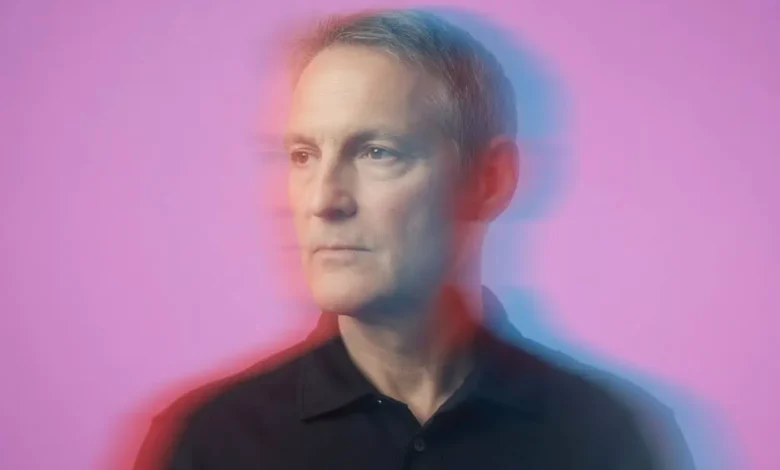
The landscape of global travel is undergoing a fundamental transformation, driven not by traditional hotel chains or legacy airlines, but by a Hollywood powerhouse that is quietly restructuring how people move across the globe. While the travel industry has historically focused on the logistics of transit and accommodation, a new paradigm is emerging: "Live Tourism." This concept, pioneered by Endeavor CEO Ari Emanuel, centers on the ownership and control of the events that drive travel in the first place. As the 2026 FIFA World Cup approaches, the scale of this ambition is becoming clear. The tournament, culminating in a final match at MetLife Stadium in New Jersey, represents more than just a sporting event; it is the centerpiece of the highest-grossing hospitality program in sports history, managed by On Location, a company under Emanuel’s extensive corporate umbrella.
The Paradigm Shift: From Servicing to Originating Demand
For decades, the travel industry has operated on a reactive model. Companies like Expedia, Booking Holdings, and Delta Air Lines have built multi-billion-dollar businesses by servicing existing demand. They wait for a consumer to decide they want to travel—whether for business, family, or leisure—and then compete to provide the seat or the room.
The strategy being deployed by Ari Emanuel and his companies, specifically Endeavor and TKO Group Holdings, flips this model on its head. Instead of competing for the traveler’s attention after the decision to travel has been made, Emanuel is focusing on the "originating" phase. By owning the event—be it a UFC fight, a WWE WrestleMania, or the hospitality rights to the FIFA World Cup—the organization controls the catalyst for the journey.
Live Tourism, as defined by industry analysts at Skift, refers to travel organized around scheduled events such as sports, music festivals, theater, art fairs, and conventions. While this has always been a component of the travel sector, the distinction today lies in vertical integration. Emanuel’s ecosystem now owns the talent (via WME), the events (via TKO and Endeavor’s various stakes), the platforms where the decision-making happens, and the operational infrastructure (via On Location) that converts a fan’s desire into a fully packaged travel experience.
The World Cup 2026: A Catalyst for Global Live Tourism
The 2026 FIFA World Cup will serve as the ultimate proof of concept for this model. Spanning 16 cities across the United States, Canada, and Mexico, the tournament will feature 104 matches over a six-week period. This is a significant expansion from the 64-match format used in previous tournaments.
On Location, which Endeavor acquired a majority stake in for approximately $660 million in 2020, has been tasked with managing the hospitality program. This program is not merely about selling premium tickets; it is about creating high-end, end-to-end travel packages that include luxury accommodation, private transportation, and exclusive access. Given the geographical spread of the 2026 tournament—from Vancouver to Mexico City and Miami to Los Angeles—the logistical complexity is unprecedented.
Industry projections suggest that the 2026 World Cup could generate over $5 billion in economic impact for the host regions. By controlling the hospitality rights, Emanuel’s firm is positioned to capture a significant portion of the premium spend that would otherwise be fragmented across various local travel agents and hotel booking sites.
Chronology of a Power Move: The Assembly of a Travel Giant
The assembly of this travel-centric entertainment empire has been a decade-long process marked by aggressive acquisitions and strategic mergers.
- 2014-2015: WME (William Morris Endeavor) acquires IMG, a global leader in sports, fashion, and events. This move provided the foundation for managing high-profile events and the talent that populates them.
- 2016: Endeavor acquires the UFC for $4 billion, marking its first major foray into direct event ownership.
- 2020: Endeavor acquires a majority stake in On Location. This was a critical turning point, as it gave the company the infrastructure to package travel and hospitality around its own events and those of third parties like the NFL and the International Olympic Committee (IOC).
- 2021: Endeavor goes public, signaling to the market its intention to be more than just a talent agency.
- 2023: Endeavor merges the UFC with the WWE to create TKO Group Holdings, a $21 billion sports and entertainment giant. This merger consolidated two of the most travel-intensive fan bases in the world.
- 2024: Silver Lake, a private equity firm, announces a deal to take Endeavor private in a transaction valued at $13 billion. This move is expected to give Emanuel more flexibility to pursue long-term infrastructure investments in the travel and event space without the quarterly scrutiny of public markets.
Supporting Data: The Economic Scale of Event-Driven Travel
The data supporting the rise of Live Tourism is compelling. According to various market research reports, the global sports tourism market was valued at approximately $587 billion in 2022 and is projected to grow at a compound annual growth rate (CAGR) of 17.5% through 2030.
- The Taylor Swift Effect: While not an Emanuel property, the "Eras Tour" serves as a benchmark for the power of event-driven travel. Estimates suggest the tour generated over $5 billion in consumer spending in the U.S. alone, with fans traveling hundreds of miles and spending an average of $1,300 per person on travel, tickets, and attire.
- Olympic Projections: For the Paris 2024 Olympics, On Location sold hospitality packages in nearly every country on earth, with prices ranging from €100 to over €25,000. This centralized model of hospitality is what Emanuel is scaling for the World Cup.
- TKO Performance: In its 2023 financial reports, TKO highlighted that its live events often break local arena records for "gate" revenue, largely because fans are willing to travel and pay a premium for the experience.
Official Responses and Strategic Vision
While the travel industry has been slow to react, Emanuel has been vocal about his vision. During various investor calls and industry conferences, he has emphasized that Endeavor is in the "experience business."
"We are seeing a secular shift in consumer spending from goods to experiences," Emanuel noted in a previous address. "People want to be there. They want the memory, the access, and the convenience. We are the only ones who can provide that at every step of the journey."
FIFA officials have also expressed confidence in the centralized hospitality model. By partnering with a global entity like On Location, FIFA aims to standardize the quality of the fan experience across three different nations and 16 different legal jurisdictions. This centralization reduces the risk of fraud and price gouging that often plagues large-scale international events.
However, some traditional travel players are beginning to take note. Airline executives have recently discussed the "eventization" of travel in earnings calls, noting that peaks in demand are increasingly tied to specific dates of concerts or sporting events rather than traditional holiday calendars.
Broader Impact and Industry Implications
The implications of Ari Emanuel’s "Live Tourism" strategy are profound for the broader travel ecosystem.
1. The Commoditization of Logistics
If the event owner controls the booking process, airlines and hotels risk becoming commodity providers. When a fan buys a "World Cup Quarter-Final Package" through On Location, the specific airline or hotel brand may matter less than the guaranteed access to the event. This shifts the branding power away from Marriott or Delta and toward the event itself.
2. Data Ownership and the Customer Lifecycle
By originating the demand, Emanuel’s companies own the customer data from the very beginning. They know who is traveling, where they are coming from, and what their spending habits are. This allows for hyper-targeted marketing and the ability to upsell other entertainment products within the ecosystem, such as a UFC fight or a movie premiere.
3. The Future of Bundled Travel
We are likely to see an increase in "lifestyle bundling." A traveler might not just book a flight; they might book a subscription that gives them access to a certain number of TKO events per year, with travel and lodging included. This level of vertical integration is something the travel industry has talked about for years but has never executed at this scale.
4. Economic Risks for Host Cities
While Live Tourism brings massive influxes of cash, it also presents challenges for host cities. The 2026 World Cup will require significant infrastructure investment. If the majority of the high-margin hospitality revenue is captured by a global entity like On Location, local municipalities must ensure that the "trickle-down" effect into the local economy—restaurants, small shops, and local transport—is protected.
Conclusion: The New Gatekeepers of Global Movement
As the final match of the 2026 World Cup approaches in New Jersey, the world will see the culmination of a strategy that has been years in the making. Ari Emanuel has positioned himself and his companies as the new gatekeepers of global movement. By shifting the focus from the "how" of travel to the "why," he is capturing the most valuable part of the travel value chain.
The travel industry can no longer afford to ignore the entertainment sector. The most consequential travel company of the decade isn’t a new airline or a tech-disrupting OTA; it is a Hollywood-born conglomerate that understands that in the modern economy, the event is the destination. The success of the 2026 World Cup hospitality program will likely set the blueprint for the next twenty years of global tourism, where the lines between entertainment, sports, and travel are permanently blurred.