The Quest for Scientific Precision in Microplastics Research Challenges Global Assumptions on Human Health and Environmental Exposure.

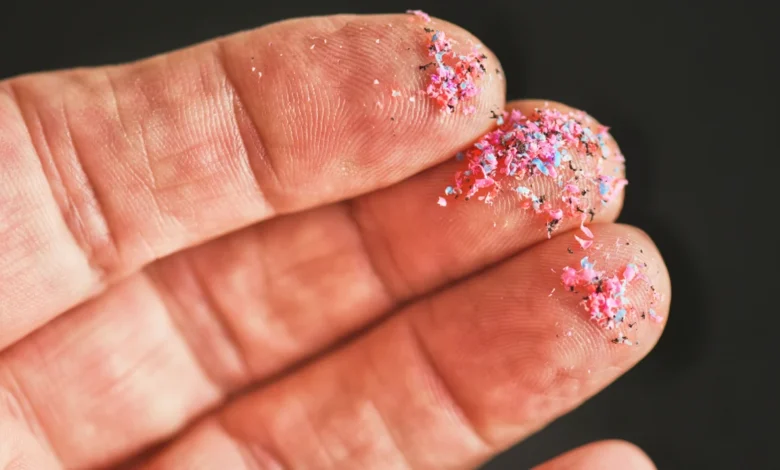
For more than a decade, the global scientific community has sounded a persistent alarm regarding the ubiquity of microplastics—tiny polymer fragments less than five millimeters in length—found in the depths of the Mariana Trench, the pristine snow of the Pyrenees, and the very air circulating in modern homes. However, as the focus shifts from environmental presence to biological infiltration, a new wave of rigorous analytical chemistry is revealing that the methods used to quantify plastic in the human body may be significantly flawed. Dr. Cassandra Rauert, an environmental chemist at the University of Queensland, is at the forefront of this critical re-evaluation, suggesting that while the threat of plastic pollution remains dire, previous estimates of human ingestion and internal concentrations may have been overstated due to methodological contamination and biochemical "false positives."
The central challenge in microplastic research lies in the paradoxical nature of the modern laboratory: the very tools used to measure plastic are often made of plastic. From pipette tips and Petri dishes to the synthetic fibers in researchers’ clothing and the silicon sealants in window frames, the potential for "background noise" to drown out actual data is immense. Dr. Rauert’s recent work has demonstrated that without extraordinary measures to decontaminate the research environment, the data produced regarding microplastics in human blood and tissue may reflect the laboratory’s surroundings rather than the patient’s biology.
The Evolution of Microplastics Research: A Chronology of Discovery
The scientific understanding of microplastics has evolved through several distinct phases over the last twenty years. To understand the current debate over human exposure, it is necessary to trace the timeline of how these particles became a global priority.
- 2004: The Coining of the Term. Professor Richard Thompson of the University of Plymouth first used the term "microplastics" to describe the microscopic plastic debris he found on British beaches. This sparked a wave of marine biology studies focusing on the ingestion of plastic by sea life.
- 2011–2015: Expansion to Freshwater and Soil. Researchers began finding microplastics in rivers, lakes, and agricultural soils, realizing the problem was not limited to the oceans.
- 2019: The "Credit Card" Headline. A study commissioned by the World Wildlife Fund (WWF) and conducted by the University of Newcastle in Australia suggested that humans might be ingesting approximately five grams of plastic per week—roughly the weight of a credit card. This metric became a viral sensation, though it has since faced intense scrutiny from chemists like Rauert.
- 2022: The Breakthrough in Human Blood. A landmark study led by Heather Leslie and Marja Lamoree at Vrije Universiteit Amsterdam reported the first evidence of microplastics in human blood, finding them in 80% of the people tested.
- 2023–2024: The Era of Methodological Refinement. Research led by Dr. Rauert and her colleagues began to question the "false positive" signals in these studies, particularly regarding the most common plastic, polyethylene.
Methodological Flaws and the Lipid Conflict
The most striking finding in Dr. Rauert’s recent research involves the biochemical similarity between common plastics and human fats. Polyethylene, used globally in packaging, bags, and containers, is composed of long chains of carbon and hydrogen. Human lipids (fats) share a remarkably similar chemical signature when processed through standard analytical instruments like pyrolysis-gas chromatography-mass spectrometry (Py-GC-MS).
In a paper published in 2023, Rauert identified that 18 previous major studies on microplastics in human blood failed to adequately account for these lipid interference patterns. When blood samples are heated and vaporized for analysis, the signals from natural fats can mimic the signals of polyethylene, leading to "screamingly high" levels of reported plastic that do not actually exist in the sample. This discovery suggests that while microplastics are undoubtedly present in the human body, the concentrations reported in earlier high-profile studies may be inflated.
Furthermore, the issue of "blank contamination" remains a persistent hurdle. Because microplastic fibers are airborne and ubiquitous, a single stray fiber from a researcher’s polyester lab coat or a microscopic flake from a plastic storage tube can contaminate a sample. This realization prompted Dr. Rauert to take the unprecedented step of redesigning her laboratory from the ground up.
The Stainless Steel Solution: Engineering a Contamination-Free Lab
To eliminate the variables that lead to overestimation, the University of Queensland team collaborated with architects to build a specialized "cleanroom" for microplastic analysis. The design principles of this lab highlight the extreme difficulty of conducting this research in a plastic-saturated world.
The lab was constructed almost entirely of stainless steel and glass. Dr. Rauert’s team tested over 30 different construction materials, finding that even standard wood and cardboard were unsuitable due to their ability to harbor bacteria or shed treated fibers. Every component was scrutinized; even the silicon used to seal glass windows was tested for phthalates—chemical additives used to make plastics flexible.
The resulting facility consists of three interconnected rooms maintained under positive pressure. This engineering feat ensures that whenever a door is opened, air is pushed out of the room rather than being sucked in, preventing external dust and fibers from entering. Since commissioning this lab, the researchers have found that background levels of plastics and phthalates are 100 times lower than in standard chemistry laboratories, providing a much more accurate baseline for human tissue analysis.
Debunking the "Credit Card" Metric and Redefining Risk
One of the most significant contributions of this new wave of research is the debunking of the "credit card a week" ingestion theory. While the 2019 WWF report was instrumental in raising public awareness, Rauert and other environmental chemists argue it was based on an aggregation of data that did not account for the vast differences in how plastic behaves in the digestive system.
"That has absolutely been debunked," Rauert noted in her interview with Yale Environment 360. While plastic containers do shed particles—especially when heated or subjected to mechanical stress like cutting—the volume does not reach the five-gram-per-week threshold for the average person. However, the reduction in estimated volume does not necessarily equate to a reduction in health risk. The focus is now shifting from the mass of plastic ingested to the number and size of the particles.
Sources of Exposure: From Tires to Textiles
If humans are not eating a credit card’s worth of plastic, how are they being exposed? Rauert’s research highlights three primary pathways:
- Synthetic Textiles and Laundering: Polyester, nylon, and acrylic clothing shed millions of microfibers during wash and dry cycles. High-heat clothes dryers are particularly significant emitters of airborne fibers. Rauert suggests that air-drying synthetic materials can significantly reduce the concentration of these fibers in the home environment.
- Tire Wear and Urban Dust: A significant and often overlooked source of microplastics is "tire wear particles." Modern tires are a complex blend of natural and synthetic polymers. As tires wear down on the road, they release fragments that settle as dust. Rauert’s team has found high concentrations of these particles on residential balconies, suggesting they are a major component of the dust humans inhale and ingest.
- Kitchen Utensils and Food Prep: The mechanical action of a knife on a plastic chopping board or the heat of a microwave on a plastic container are direct routes for plastic ingestion. Rauert recommends a return to traditional materials: bamboo or wooden chopping boards and metal or glass food containers.
Toxicological Implications and the "Trojan Horse" Effect
The health impacts of microplastics are categorized into two areas: the physical presence of the particles and the chemical additives they carry.
The physical particles themselves are subject to what scientists call "size-selective translocation." Large particles are generally excreted through the digestive tract. However, "nanoplastics"—particles smaller than one micrometer—are small enough to cross biological barriers, such as the gut lining, the blood-brain barrier, and the placenta. Toxicology studies have historically used perfectly smooth polystyrene spheres as a proxy for microplastics, but Rauert points out that this is unrealistic. In the real world, humans are exposed to jagged shards and weathered fragments, which may have different inflammatory effects on human tissue.
The second concern is the "Trojan Horse" effect, where plastic particles carry hazardous chemicals into the body. These include:
- Phthalates: Used as softeners, these are known endocrine disruptors that can interfere with reproductive health.
- Bisphenols (BPA/BPS): Linked to metabolic disorders, including Type 2 diabetes and obesity.
- PFAS: Often used in coatings, these "forever chemicals" are linked to immune system suppression and cancer.
The Global Response and Future Outlook
The findings from the University of Queensland underscore a pivotal moment in environmental science. As the United Nations continues negotiations for a Global Plastic Treaty, the emphasis is moving toward a "full lifecycle" approach to plastic regulation. This includes not just managing waste, but limiting the production of virgin plastics and banning the most harmful additives.
Industry groups have often used scientific uncertainty as a reason to delay regulation. However, researchers like Rauert argue that the lack of precise data on particle toxicity should not be an excuse for inaction. The known risks associated with plastic additives and the sheer volume of environmental pollution provide sufficient grounds for reducing plastic dependency.
The path forward for microplastics research involves a rigorous standardization of analytical techniques. By accounting for lipid interference and eliminating lab contamination, scientists can finally provide the clear, indisputable data needed to understand the true cost of the plastic age. Until then, the advice from the scientific community remains practical: reduce synthetic fibers, swap plastic kitchenware for natural alternatives, and improve home ventilation to combat the invisible dust of the modern world.