New York Governor Kathy Hochul Issues Nation’s First Statewide Moratorium on Large-Scale Data Centers Amid Grid Stability and Utility Cost Concerns

In a landmark move that signals a growing tension between rapid technological expansion and the stability of public infrastructure, New York Governor Kathy Hochul issued an executive order on Tuesday establishing a one-year moratorium on the construction of new large-scale data centers across the state. This directive makes New York the first state in the nation to implement a statewide pause on these facilities, which have become the backbone of the global digital economy but have increasingly drawn fire for their immense consumption of electricity and water. The order comes as the tech industry, fueled by an unprecedented boom in artificial intelligence, seeks to build massive "hyperscale" facilities to meet the computing demands of a new era.
The governor’s decision highlights a pivotal moment in state-level governance, where the promise of high-tech investment is being weighed against the immediate needs of residents and the long-term goals of climate policy. By pausing new permits for a period of up to 12 months, the Hochul administration aims to conduct a comprehensive review of how these energy-intensive hubs affect the state’s electrical grid, utility pricing for average consumers, and overall environmental health.
The Rational Behind the Moratorium: Energy and Economics
Governor Hochul’s executive order is rooted in concerns that the current pace of data center development is unsustainable under New York’s existing energy framework. Data centers, particularly those designed for artificial intelligence training and high-frequency data processing, operate 24 hours a day, seven days a week. Unlike residential or commercial buildings that see fluctuations in energy use, data centers maintain a "flat" load, meaning they pull a constant, massive amount of power from the grid regardless of the time of day.
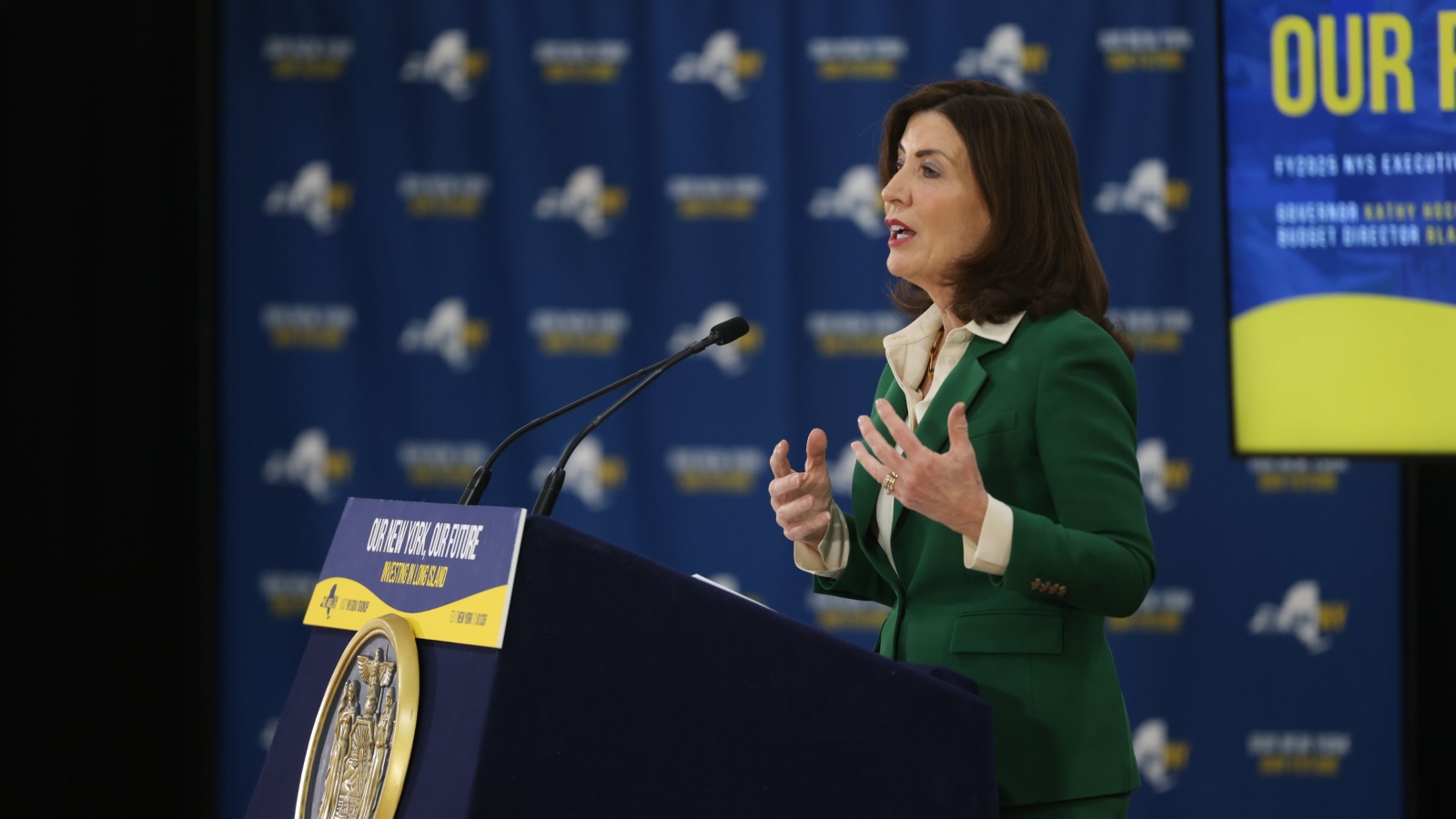
"As data center development threatens to hike up utility bills, deplete our natural resources, and create uncertainty for New Yorkers, it’s my responsibility to take action and lead," Governor Hochul stated in a release accompanying the order. The governor’s office noted that the sheer scale of energy required by these facilities can strain local transmission lines and force utilities to purchase more expensive power during peak periods, costs that are often passed down to residential and small-business ratepayers.
Furthermore, the state is currently navigating the mandates of the Climate Leadership and Community Protection Act (CLCPA), which requires New York to achieve a zero-emission electricity sector by 2040. The sudden influx of data centers—some of which require hundreds of megawatts of power—threatens to offset the gains made by renewable energy projects like offshore wind and solar farms. If the demand from data centers outpaces the growth of clean energy, the state may be forced to keep older, fossil-fuel-burning "peaker" plants online longer than intended.
A Growing National Conflict: The Context of the AI Boom
The surge in data center applications in New York is mirrored across the United States. According to reports from Goldman Sachs and the International Energy Agency (IEA), data centers currently account for approximately 4% of total U.S. electricity consumption. This figure is projected to rise to 9% by 2030, driven largely by the massive computational requirements of generative AI models, which can require up to ten times the electricity of a standard Google search.
While states like Virginia, Ohio, and Texas have traditionally been the primary hubs for these facilities due to lower land and energy costs, New York’s proximity to financial markets and its robust telecommunications infrastructure have made it an increasingly attractive destination. However, the pushback has been swift. Earlier this year, Maine Governor Janet Mills vetoed a similar statewide moratorium, citing concerns that a ban would signal that the state is "closed for business." In contrast, Governor Hochul has chosen to prioritize the "orderly development" of the sector over unfettered growth.
The New York State Legislature had already recognized these risks, passing a more restrictive data center moratorium bill (S10642) last month. While the governor has not yet indicated whether she will sign that specific bill into law, her executive order serves as a more immediate, flexible tool that allows the executive branch to control the regulatory process through the Department of Public Service (DPS).
Technical Directives and the Environmental Analysis
Under the terms of the executive order, the New York State Department of Public Service is prohibited from issuing new permits for "hyperscale" data centers for the next year. During this hiatus, the agency is tasked with performing a rigorous environmental and economic analysis. This study will focus on three primary areas:
- Grid Impact and Reliability: The DPS will coordinate with the New York Independent System Operator (NYISO) to determine if the current transmission infrastructure can handle the projected load of multiple new data centers without compromising the reliability of the grid during extreme weather events.
- Ratepayer Protection: The agency will initiate a proceeding to evaluate new rate structures. The governor’s statement suggested that data centers may be required to "pay more for their energy or supply their own," effectively ending the era of subsidized or standard-rate power for large-scale tech operations.
- Natural Resource Depletion: Beyond electricity, data centers require millions of gallons of water daily for cooling systems. The analysis will look at the impact on local aquifers and municipal water supplies, particularly in upstate regions where many of these facilities are proposed.
Shifting the Burden: The "Pay-to-Play" Infrastructure Model
One of the most significant components of Hochul’s announcement is the shift in economic responsibility. For years, states have used tax exemptions and discounted utility rates to lure tech giants like Amazon, Google, and Microsoft. Hochul is now signaling an end to these incentives in New York. She has called on the state legislature to repeal sales tax exemptions currently enjoyed by large-scale data center operators, arguing that these tax breaks provide little return for the state in terms of long-term job creation.
While a data center may cost $1 billion to build, it often employs only a few dozen high-skilled technicians once operational. Governor Hochul’s new framework seeks to ensure that if these companies want to operate in New York, they must provide tangible benefits to the local community. The governor directed the state’s economic development agency to create a "Community Negotiation Framework." This tool will help local municipalities demand investments in:
- Grid Infrastructure: Requiring companies to pay for the upgrades to substations and transmission lines necessitated by their presence.
- Clean Energy Supply: Incentivizing data centers to build their own on-site renewable energy sources or battery storage.
- Social Investments: Encouraging tech companies to fund local child care centers, infrastructure improvements, and labor programs that ensure high-wage jobs for local residents.
Reactions from Stakeholders and Industry Experts
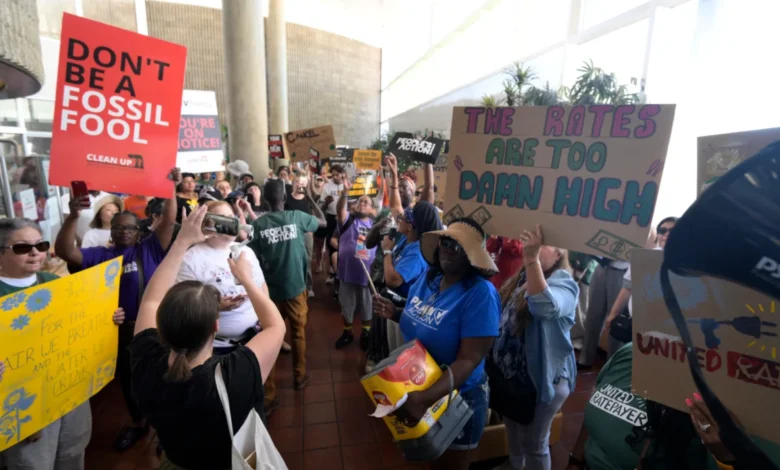
The moratorium has elicited a mixed response from industry players and advocacy groups. Environmental organizations and consumer advocacy groups have largely praised the move. "For too long, the tech industry has treated the public grid as an infinite resource," said a spokesperson for a prominent New York environmental coalition. "Governor Hochul is right to put the brakes on until we can ensure that New Yorkers aren’t footing the bill for the AI revolution."
Conversely, tech industry trade groups have expressed concern that the moratorium could stifle innovation and drive investment to neighboring states like New Jersey or Pennsylvania. Critics argue that a one-year pause creates a "chilling effect" on capital-intensive projects that require years of planning. They contend that data centers are essential for the modern economy and that New York risks losing its competitive edge in the burgeoning AI sector.
Energy experts, however, note that the pause might be a necessary logistical step. The New York Independent System Operator (NYISO) has previously warned that the state’s "reliability margin" is shrinking. As New York retires older gas plants, the margin of error for maintaining power during peak summer and winter months is becoming razor-thin. Adding several hundred megawatts of data center load without a corresponding increase in generation could lead to brownouts or a reliance on emergency imports of dirty power from other regions.
The Path Forward: A Year of Regulation
As the moratorium takes effect, the eyes of the nation will be on New York to see how it balances these competing interests. The results of the DPS environmental analysis, expected within the next 12 months, will likely form the basis for a new set of permanent regulations governing the tech industry’s physical footprint in the state.
The outcome could set a precedent for other states grappling with similar issues. If New York successfully implements a "user-pays" model where data centers are required to fund their own energy infrastructure and contribute to community development, it could provide a blueprint for a more sustainable relationship between "Big Tech" and public utilities.
For now, the construction cranes for new hyperscale projects in New York will remain idle. The next year will be a period of intense negotiation and study, as the state attempts to reconcile its ambitions for a high-tech future with the immediate reality of a stressed energy grid and rising costs for its citizens. The moratorium is not just a pause in construction; it is a fundamental re-evaluation of what it means to be a "tech-friendly" state in an era of unprecedented resource demand.
Related posts: