Department of Energy Deletes Over Sixteen Hundred Energy Efficiency Webpages Amid Nationwide Heatwaves and Policy Rollbacks

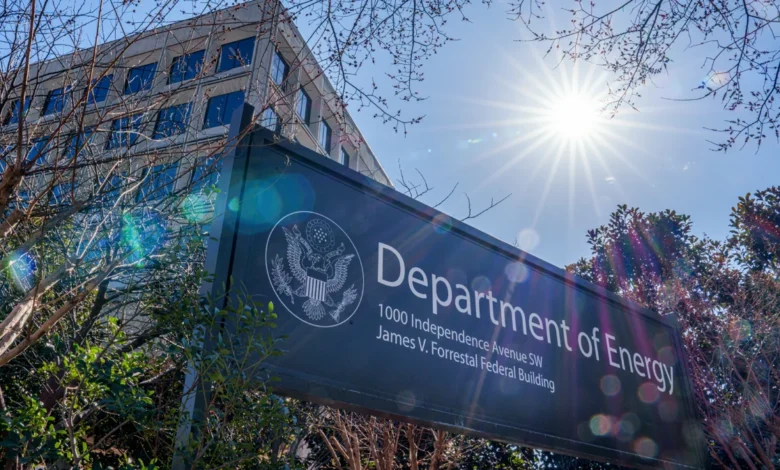
As record-breaking temperatures continue to strain the American electrical grid and threaten public health, a significant portion of the federal government’s digital resources for energy conservation and heatwave mitigation has been removed from public access. An analysis conducted by the Guardian, utilizing data from the Internet Archive, reveals that at least 1,662 Department of Energy (DOE) webpages offering critical guidance on protecting the electrical grid and reducing home cooling costs were taken offline as of early July 2026. These deletions occur at a precarious moment for the nation’s infrastructure, as millions of citizens face extreme heat and rising utility bills.
The removal of these digital resources is not an isolated event but appears to be part of a coordinated effort by the current administration to reshape federal policy and public information regarding climate change and energy regulation. The deleted content, which lived under the department’s "Energy Saver" portal, provided practical advice for homeowners and businesses on how to maintain comfortable indoor temperatures while minimizing the strain on a grid already burdened by the dual pressures of extreme weather and the massive power demands of artificial intelligence data centers.
A Systematic Removal of Public Information
The scale of the digital purge was first identified through a list of deleted URLs provided by researchers at the Internet Archive, a nonprofit organization that maintains the Wayback Machine. According to the analysis, more than 300 of the removed pages had significant public reach, garnering over 160,000 views in the 30 days prior to their deletion. The information contained in these pages ranged from technical advice on weatherstripping and sealing air leaks to broader strategies for home cooling systems.
The timing of the deletions has drawn scrutiny from transparency advocates and energy experts. While the exact date of the mass removal remains unclear, observers noted that several pages vanished shortly after a public debate regarding energy conservation in New York City. In early July, New York City Mayor Zohran Mamdani suggested that residents set their air conditioners to 78 degrees Fahrenheit to prevent localized blackouts during a peak heat event. Shortly thereafter, federal pages that historically supported such conservation measures were found to be inaccessible.
This pattern of information removal extends beyond the Department of Energy. In recent months, federal agencies have seen a retraction of data related to queer and trans youth, as well as the removal of consumer protection resources from the Consumer Financial Protection Bureau (CFPB). Critics argue that the administration is systematically scrubbing data and guidance that conflicts with its deregulatory agenda or ideological priorities.
The Push to End Green New Scam Appliance Mandates
The Department of Energy deletions are intrinsically linked to a broader legislative and regulatory push titled "Permanently End Green New Scam Appliance Mandates." This initiative seeks to dismantle federal energy efficiency regulations for common household appliances, including air conditioners, heaters, and water heaters. At least 18 of the deleted webpages were removed within days of the administration proposing a significant rollback of these efficiency standards.
Since the enactment of the Energy Policy and Conservation Act of 1975, the DOE has been mandated to update appliance standards periodically. These standards ensure that manufacturers incorporate technological advances to reduce energy consumption. Proponents of these standards, such as the Appliance Standards Awareness Project (ASAP), argue that they are one of the most effective tools for lowering national energy demand and saving consumers money.
Andrew deLaski, executive director of ASAP, emphasized the public health implications of these policies. "Having a functioning, efficient air conditioner is a health and safety issue for the elderly, for individuals with chronic health conditions, and for the very young," deLaski stated. He noted that by ensuring standards remain up to date, the government helps keep energy consumption at a level where families can actually afford to run their cooling systems during a crisis.
Chronology of Energy Deregulation (2025–2026)
The current digital purge is the culmination of a multi-year effort to weaken federal energy oversight. To understand the context of the July 2026 deletions, it is necessary to look at the administration’s trajectory over the past 18 months:
- May 2025: The Department of Energy announces a plan to repeal 47 separate regulations, the majority of which pertain to energy efficiency standards for commercial and residential appliances.
- January 2026: The administration moves to terminate the Energy Star program, a voluntary labeling initiative that helps consumers identify energy-efficient products. However, this effort was temporarily stalled by a rare bipartisan coalition in Congress that recognized the program’s popularity with both consumers and manufacturers.
- February 2026: The Environmental Protection Agency (EPA) implements what experts describe as the "biggest rollback" of climate-related regulations in history, targeting emissions standards for power plants and vehicles.
- June 2026: The administration formally introduces the "Permanently End Green New Scam Appliance Mandates" rule, aimed at preventing future administrations from easily reinstating efficiency requirements.
- July 2, 2026: Political tension rises over grid management during a Northeast heatwave, leading to public clashes over thermostat recommendations.
- July 3, 2026: Researchers confirm the deletion of 1,662 DOE webpages, including those providing advice on grid protection and home cooling.
Data and Economic Analysis of Efficiency Standards
The economic impact of removing these standards and the associated public information is substantial. According to an analysis by the Appliance Standards Awareness Project, the next round of planned efficiency updates—which the administration is now seeking to block—was estimated to save the average American household approximately $160 annually on utility bills.
When scaled to a national level, these savings represent billions of dollars in consumer purchasing power. Furthermore, the reduction in peak summer electricity demand provided by efficient appliances is a critical buffer for the national grid. The North American Electric Reliability Corporation (NERC) has repeatedly warned that the grid is reaching a "tipping point" due to the retirement of traditional power plants and the rapid growth of high-demand sectors like AI data centers.
Itai Vardi, research manager at the Energy and Policy Institute, characterized the administration’s actions as a contradiction of its stated values. "It is ironic that the administration and its supporters frequently champion ‘consumer choice’ as a pillar of American freedom, yet they are actively removing the information and the standards that give consumers the choice to save money and reduce their energy footprint," Vardi said. He argued that hiding helpful tips from the public while rolling back rules will lead to higher costs for the average citizen.
Official Responses and Political Implications
The Department of Energy has not provided a formal explanation for the mass deletion of the webpages. Inquiries regarding whether the removals were a direct result of the "Green New Scam" rule or a response to recent political controversies have gone unanswered.
However, the administration’s broader strategy is frequently linked to "Project 2025," a comprehensive blueprint developed by conservative think tanks to overhaul the federal bureaucracy. A key tenet of this plan is the "gutting" of what proponents call the "administrative state," which includes the regulatory arms of the DOE and EPA. By removing the digital infrastructure that supports these regulations—such as the Energy Saver webpages—the administration makes it more difficult for future officials to communicate the benefits of efficiency to the public.
Critics of the administration, including environmental advocates and consumer rights groups, view the deletion of data as a form of "governing by erasure." They argue that by removing the evidence of how regulations benefit the public, the administration can more easily justify their permanent removal.
Broader Impact on Grid Reliability and Public Health
The long-term implications of these actions extend beyond economics and into the realm of national security and public safety. The electrical grid is increasingly vulnerable to "cascading failures" during extreme weather events. When the government removes information on how to "weatherstrip" homes or seal leaks, it effectively increases the baseline energy demand of the nation’s housing stock.
This increased demand makes the grid less resilient. During a heatwave, every degree of efficiency in a home’s air conditioning system reduces the likelihood of a brownout or blackout. By dismantling the standards that drive these efficiencies and deleting the guides that teach citizens how to achieve them, the risk of large-scale power failures increases.
Moreover, the loss of these resources affects the most vulnerable populations. While wealthy homeowners may have the resources to hire private consultants for energy audits, lower-income families often rely on free federal resources like the DOE’s "Energy Saver" pages to find low-cost ways to reduce their bills. The removal of this information creates a "knowledge gap" that disproportionately impacts those already struggling with the "energy burden"—the percentage of household income spent on utility costs.
As the summer of 2026 continues to shatter temperature records, the absence of these federal resources leaves many Americans without a centralized, trusted source of information on how to navigate the intersection of extreme heat and energy management. The digital purge at the Department of Energy stands as a stark example of how shifts in political priorities can have immediate, tangible effects on the availability of public data and the long-term stability of national infrastructure.