Massive Deletion of Department of Energy Webpages Amid Heatwaves Signals Broader Regulatory Rollback

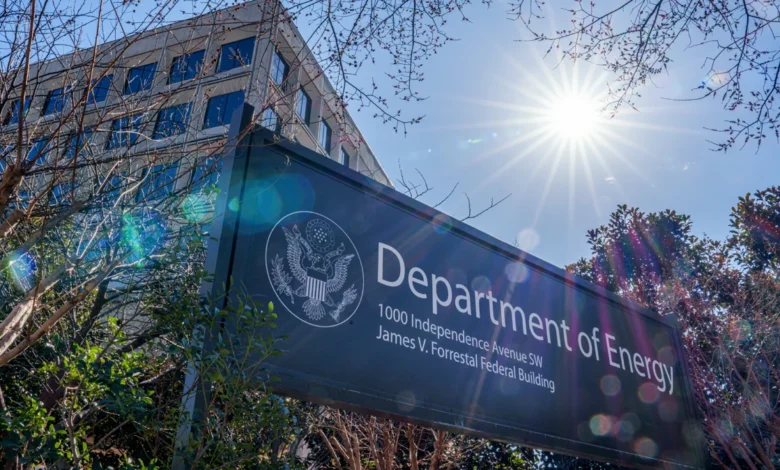
As a record-breaking heatwave sweeps across the United States, leaving millions of citizens vulnerable to soaring temperatures and rising utility costs, the federal government has significantly reduced public access to energy-saving information. A comprehensive analysis conducted by the Guardian, utilizing data from the Internet Archive, reveals that at least 1,662 Department of Energy (DOE) webpages have been taken offline as of July 3. These pages primarily provided technical guidance on maintaining the integrity of the electrical grid during periods of extreme demand and offered practical advice for homeowners looking to reduce energy consumption.
The removal of these digital resources coincides with a period of intense atmospheric pressure and rising temperatures that have strained power grids from New York to California. The deleted URLs, which once formed a core part of the DOE’s "Energy Saver" portal, included detailed instructions on weatherstripping, sealing air leaks, and optimizing home cooling systems. The sudden disappearance of this data has sparked concerns among consumer advocates and environmental scientists, who argue that the timing of the deletions undermines public safety and economic stability during a climate crisis.
A Systematic Removal of Public Information
The deletion of these 1,662 pages is not an isolated incident but appears to be part of a broader, more systematic effort to align federal digital infrastructure with the current administration’s policy objectives. According to researchers at the Internet Archive, a nonprofit organization that maintains a repository of over a trillion archived webpages, the removals target information that conflicts with the administration’s deregulation agenda.
In addition to the DOE deletions, similar patterns have been observed across other federal agencies. Information regarding the health and well-being of queer and trans youth has been scrubbed from various department websites, and the Consumer Financial Protection Bureau (CFPB) has seen a reduction in its online resources. Within the DOE specifically, at least 18 webpages were removed within 72 hours of a formal proposal to roll back energy efficiency regulations for common household appliances, including air conditioners and heaters.
Public interest in these pages remained high until the moment they were disabled. Data from the U.S. General Services Administration’s (GSA) web traffic analytics indicates that more than 300 of the deleted pages had garnered over 160,000 views in the 30 days preceding their removal. This high volume of traffic suggests that the public was actively seeking government-verified information to manage their energy use during the summer months.
The Push to End Efficiency Mandates
The digital purge serves as a communicative backdrop to the administration’s "Permanently End Green New Scam Appliance Mandates" initiative. This policy push seeks to dismantle decades of federal climate regulations and prevent future administrations from tightening efficiency standards. If successful, the rollback would effectively freeze or lower the efficiency requirements for new appliances, a move that advocates say will lead to higher long-term costs for the American taxpayer.
Andrew deLaski, executive director of the Appliance Standards Awareness Project—a coalition representing environmental, consumer, and utility industry interests—emphasized the critical nature of these standards. "Having a functioning air conditioner is a health and safety issue for the elderly, for folks with health conditions, and for the very young," deLaski stated. He noted that federal standards ensure that even the most affordable products on the market meet a baseline of efficiency, preventing "energy poverty" where low-income households are burdened by inefficient, expensive-to-run appliances.
The DOE has not provided a formal explanation for the timing of the deletions. When questioned by reporters regarding whether the removals were linked to the new proposed rules, the department remained silent. However, political analysts point to a potential catalyst: a recent public service announcement by New York City Mayor Zohran Mamdani. The Mayor had suggested that residents set their thermostats to 78 degrees Fahrenheit to prevent a total collapse of the city’s aging electrical grid. Shortly after this suggestion was mocked in certain political circles, the DOE’s pages containing similar advice began to disappear.
Historical Success of Appliance Standards
The Department of Energy’s appliance and equipment standards program is not a recent development; it has been a cornerstone of American energy policy since the 1970s. Established in response to the energy crises of that decade, the program requires manufacturers to periodically update their products to incorporate technological advancements in energy conservation.
Historically, this program has been regarded as a bipartisan success story. By mandating that appliances use less electricity to perform the same tasks, the government has successfully deferred the need to build dozens of new power plants. This "negawatt" approach—saving energy rather than generating more of it—has saved American consumers billions of dollars over the last fifty years.
An analysis by the Appliance Standards Awareness Project suggests that the next round of planned efficiency updates would save the average American household approximately $160 annually. On a national scale, these savings translate to a significant reduction in peak summer electricity demand. This is particularly vital as the national grid faces new pressures, not only from extreme weather but also from the massive power requirements of AI data centers and the ongoing electrification of the transportation sector.
The Irony of Consumer Choice
The administration’s rhetoric focuses heavily on "consumer choice," arguing that federal mandates limit the options available to the public. However, critics argue that by removing information and lowering standards, the government is actually depriving consumers of the ability to make informed decisions.
Itai Vardi, a research manager at the Energy and Policy Institute, described the situation as "absurd." Vardi, whose organization acts as a watchdog for the fossil fuel and utility industries, noted that the administration is "rolling back the rules on energy efficiency, but also trying to hide helpful tips and information for the public." According to Vardi, the removal of weatherstripping guides and cooling tips directly results in higher monthly bills for families who are already struggling with inflation.
The tension between deregulation and consumer protection has reached a boiling point. In May of last year, the DOE attempted to repeal 47 different regulations, the majority of which were related to appliance efficiency. While a bipartisan coalition in Congress managed to block the dissolution of the "Energy Star" program—a voluntary labeling system that helps consumers identify efficient products—the current wave of webpage deletions suggests the executive branch is finding other ways to implement its agenda without legislative approval.
Project 2025 and the Future of Federal Bureaucracy
The recent actions at the DOE are being viewed by many as a localized implementation of "Project 2025." This 900-page blueprint, developed by several conservative think tanks, outlines a plan to gut the federal bureaucracy and dismantle the "administrative state." A key pillar of this plan involves the deregulation of the fossil fuel industry and the elimination of offices dedicated to renewable energy and climate change mitigation.
By removing the digital infrastructure that supports energy efficiency, the administration is effectively eroding the institutional knowledge of the DOE. This makes it significantly more difficult for future administrations to restart these programs, as the data, guidelines, and public-facing resources will have been purged.
"It’s a senseless dedication to an anti-regulatory agenda driven by anti-regulatory zealots," deLaski said. The concern is that the loss of this information creates a vacuum that will be filled by higher energy prices and a more fragile national infrastructure.
Implications for Grid Stability and Public Health
The immediate concern remains the ongoing heatwave. Without the DOE’s guidance on how to "load shed" or optimize home cooling, the risk of localized blackouts increases. When the electrical grid reaches its limit, utilities are often forced to implement rolling blackouts to prevent a total system failure. These blackouts can be life-threatening during extreme heat events, as they disable air conditioning and medical equipment.
Furthermore, the economic impact of the deletions is expected to be felt most acutely by the working class. While affluent homeowners may have the resources to invest in high-end, efficient systems regardless of federal standards, lower-income renters often rely on the baseline efficiency of the appliances provided by landlords. If those baselines are lowered, the cost of living for renters will inevitably rise.
As the summer continues, the absence of 1,662 pages of energy guidance stands as a testament to the shifting priorities of the federal government. The transition from a provider of public service information to an engine of deregulation represents a fundamental change in the relationship between the Department of Energy and the American public. With utility bills rising and temperatures hitting record highs, the loss of these digital tools may have consequences that last long after the current heatwave breaks.