Frontier Airlines Facing Dual Class Action Lawsuits Following Major Data Breach Compromising Sensitive Employee and Passenger Information


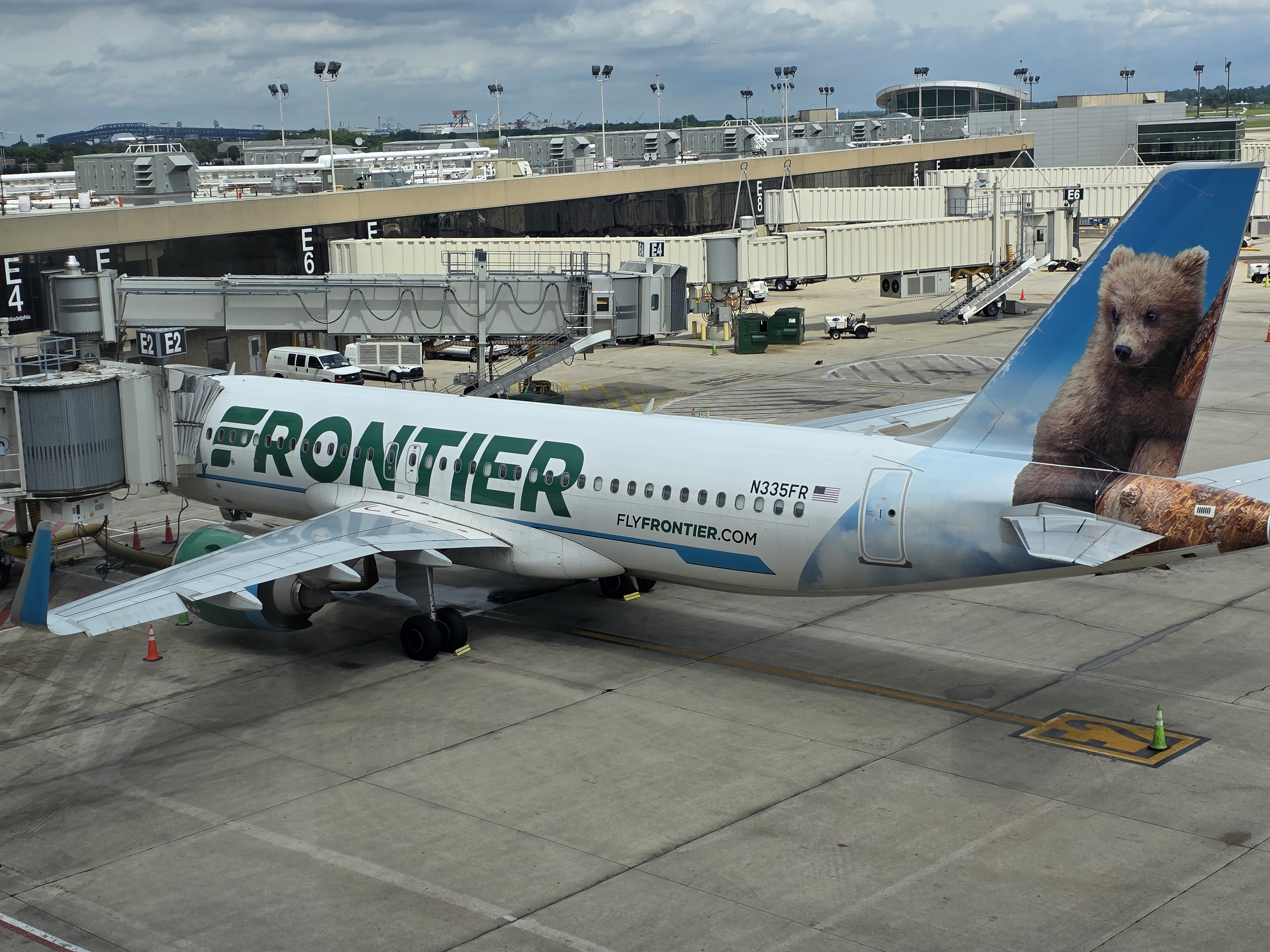
Frontier Airlines is currently embroiled in significant legal challenges as it faces two separate class action lawsuits following a cybersecurity incident that compromised the personal data of more than 11,000 individuals. The Denver-based ultra-low-cost carrier is accused of failing to implement adequate security measures to protect the sensitive information of both its employees and its customers. The breach, which was orchestrated by a group identifying itself as the Scattered Lapsus$ Hunters, resulted in the theft of what the threat actors described as a "treasure trove" of data, followed by a formal ransom demand.
The legal filings come at a time of increased scrutiny for the airline industry, which has become a primary target for cybercriminal syndicates due to the high volume of personally identifiable information (PII) and financial data processed daily. According to records from the Texas Attorney General’s breach database, the unauthorized access to Frontier’s systems occurred over a period of several weeks, beginning in mid-May 2024. The scale of the incident, combined with prior warnings from security researchers regarding vulnerabilities in the airline’s digital infrastructure, has raised serious questions about the company’s commitment to data privacy and cybersecurity protocols.
Chronology of the Cybersecurity Incident and Discovery
The timeline of the breach suggests a prolonged period of unauthorized access before the intrusion was detected and mitigated. According to the data security breach report filed with the Texas Attorney General, the unauthorized access to Frontier’s internal systems began on May 12, 2024. The threat actors maintained access to the environment until June 3, 2024. It was not until June 18, 2024, that Frontier Airlines officially discovered the breach, representing a detection lag of over a month from the initial point of entry.
The group claiming responsibility, Scattered Lapsus$ Hunters, appears to be a derivative or imitator of the notorious Lapsus$ Group and the Scattered Spider collective, both known for high-profile social engineering attacks and data extortion. Upon gaining access, the group reportedly exfiltrated a vast array of sensitive documents and databases. Following the theft, the group issued a ransom demand, a common tactic used to pressure corporations into paying for the non-disclosure of stolen data.

Frontier Airlines has acknowledged the breach, stating that upon discovery, it immediately engaged an external cybersecurity firm to conduct a comprehensive forensic investigation. The airline also notified federal law enforcement agencies. In public statements, the carrier emphasized that it had successfully terminated the unauthorized access and found no evidence of ongoing malicious activity within its network. However, the notification process for affected individuals revealed the depth of the exposure.
Scope of Compromised Data and Affected Parties
The Texas Attorney General’s database lists exactly 11,482 individuals affected by the breach. This figure includes a mix of current and former employees, as well as Frontier passengers. The variety of data exfiltrated is particularly concerning to cybersecurity experts, as it provides all the necessary components for sophisticated identity theft and financial fraud.
The compromised information includes:
- Full names and physical addresses
- Social Security numbers (SSNs)
- Driver’s license numbers and other government-issued identification
- Dates of birth
- Passport details and Known Traveler Numbers (KTN)
- Payment history and partial credit card information
For employees, the breach is especially invasive, as it often includes tax documentation, direct deposit details, and internal personnel files. For passengers, the exposure of passport numbers and TSA PreCheck information (Known Traveler Numbers) presents a long-term security risk, as these identifiers are not easily changed compared to credit card numbers or passwords.
Legal Action: Beach v. Frontier and Bennett v. Frontier
The fallout from the breach quickly transitioned into the judicial system. On Wednesday, a Frontier employee filed a lawsuit in the United States District Court for the District of Colorado. The case, Beach v. Frontier Airlines Inc., levels several serious allegations against the carrier, including negligence, invasion of privacy, and a breach of fiduciary duty. The plaintiff seeks to represent a nationwide class of all individuals whose information was compromised in the incident. The filing argues that as an employer, Frontier had a heightened responsibility—a fiduciary duty—to safeguard the highly sensitive personal and financial data it requires for payroll and tax purposes.
Earlier in the same week, a separate proposed class action was filed by a passenger, Bennett v. Frontier Airlines Inc., also in Colorado federal court. This suit focuses on the airline’s failure to protect consumer data and the alleged lack of transparency regarding the company’s security vulnerabilities. Both lawsuits contend that the plaintiffs and class members now face an increased and imminent risk of identity theft, requiring them to spend significant time and resources monitoring their financial accounts and credit reports.
A central point of contention in these legal proceedings will be the "concrete injury" requirement for standing in federal court. Under U.S. law, particularly following Supreme Court precedents such as Spokeo, Inc. v. Robins and TransUnion LLC v. Ramirez, plaintiffs in data breach cases must often prove that they suffered an actual, tangible harm rather than a speculative future risk. Frontier’s defense is likely to argue that the mere exposure of data, without evidence of specific fraudulent transactions or identity theft directly linked to this breach, does not warrant a class action settlement.
Prior Warnings and Security Vulnerabilities
The lawsuits are bolstered by reports that Frontier Airlines was aware of systemic security flaws months before the May breach occurred. In March 2024, a security researcher contacted the airline regarding a significant vulnerability on its public-facing website. The researcher demonstrated that by using only a passenger’s confirmation number (PNR) and last name—both of which are routinely printed on boarding passes and baggage tags—an unauthorized user could access a wealth of personal information.
This vulnerability allowed access to passenger contact information, birth dates, passport details, Known Traveler Numbers, and partial payment data. This type of flaw, often referred to as an Insecure Direct Object Reference (IDOR), is a common but preventable security oversight. While Frontier stated that it addressed and fixed this specific issue after being notified in March, the plaintiffs argue that the existence of such a basic flaw put the company "on notice" that its cybersecurity infrastructure was inadequate. The legal argument suggests that the May breach was a foreseeable consequence of a broader culture of digital negligence at the airline.
Broader Implications for the Airline Industry and Cybersecurity
The Frontier Airlines breach is part of a growing trend of cyberattacks targeting the aviation sector. Airlines are unique targets because they sit at the intersection of critical infrastructure, high-value retail, and international logistics. The complexity of airline IT systems, which often rely on a patchwork of legacy mainframes and modern web interfaces, creates a large "attack surface" for hackers to exploit.

The involvement of "frontier AI models" adds another layer of complexity to the discussion. As artificial intelligence becomes more sophisticated, both attackers and defenders are leveraging these tools. Threat actors can use AI to automate the discovery of software vulnerabilities or to craft highly personalized phishing campaigns that are nearly indistinguishable from legitimate corporate communications. Conversely, companies are racing to implement AI-driven security operations centers (SOCs) to detect anomalous behavior in real-time.
However, the rapid acceleration of AI capabilities often outpaces the defensive upgrades of large corporations. As noted by industry analysts, the sheer volume of data already available on the dark web from previous breaches at other institutions makes it difficult for individuals to prove which specific breach led to their identity theft. This "data saturation" creates a defensive shield for companies like Frontier, as they can argue that the information was already public. Nevertheless, the legal and reputational costs of such breaches remain a significant burden for the industry.
Official Responses and Next Steps
Frontier Airlines has not commented extensively on the pending litigation, citing its policy on active legal matters. In its communications to affected individuals, the company has offered credit monitoring and identity restoration services, which has become the standard corporate response to such incidents.
For the 11,482 individuals affected, the path forward involves a heightened state of vigilance. Cybersecurity experts recommend that affected employees and passengers freeze their credit with the three major bureaus (Equifax, Experian, and TransUnion) and remain wary of phishing attempts that may use the stolen data to appear more convincing.
As the two class action lawsuits move through the Colorado federal court system, they will serve as a bellwether for how much responsibility airlines must take for the protection of passenger and employee data in an era of relentless cyber threats. The outcome may dictate future industry standards for data encryption, multi-factor authentication, and the proactive disclosure of security vulnerabilities. For now, Frontier Airlines must navigate both a recovery of its technical systems and a defense of its corporate reputation in the face of mounting legal pressure.