International Criminal Court Member States to Decide Fate of Chief Prosecutor Karim Khan Following Serious Allegations of Sexual Misconduct

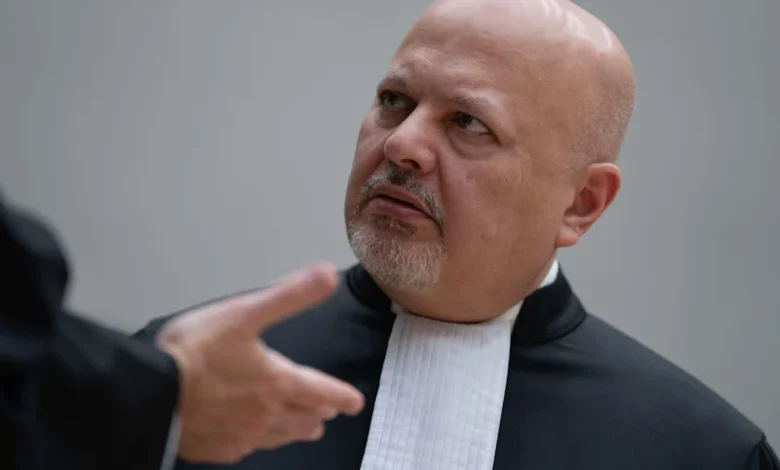
The International Criminal Court (ICC) faces a pivotal moment in its 24-year history as representatives from its 125 member states prepare to vote on whether to permanently remove Chief Prosecutor Karim Khan from his post. This high-stakes decision follows a series of grave allegations of sexual misconduct brought forward by a lawyer within his own office, as well as a subsequent report from a former intern. The vote, scheduled for July 25, 2026, will determine whether Khan’s current suspension, which began in June, will be upheld, effectively ending his tenure at the helm of the world’s court of last resort.
The controversy centers on allegations made by a staff member identified in media reports as "Sarah," who served as a direct assistant to Khan. According to a leaked copy of a United Nations investigative report obtained by international media outlets, Sarah alleges that Khan repeatedly subjected her to nonconsensual sexual acts over a period of several months in 2024. These acts reportedly included unwanted groping, attempted kissing, and digital and genital penetration. The gravity of these claims has sent shockwaves through the Hague-based institution, which is currently managing some of the most sensitive and politically charged war crimes investigations in modern history.
The Allegations and the Power Imbalance
The testimony provided by Sarah highlights a significant concern regarding the professional hierarchy and the culture of accountability within international organizations. In interviews and statements included in the investigative findings, Sarah emphasized that the nature of the relationship was inherently coercive due to the immense power disparity between a junior lawyer and the Chief Prosecutor.
"There is no way for something to be consensual when you have such a power disparity," Sarah stated in an interview with CNN. "What I think many people don’t understand is that Mr. Khan was not just my boss, he was everyone’s boss. And it cannot be consensual." This sentiment underscores a broader debate within the legal community regarding the "Me Too" movement’s impact on high-level diplomatic and judicial positions, where the line between professional mentorship and predatory behavior can often be obscured by institutional secrecy.
The allegations were further complicated when a second woman came forward recently. This individual, who worked as an unpaid intern at the ICC in 2009—well before Khan assumed the role of Chief Prosecutor—accused him of similar misconduct during a period when he was working in a different capacity within the international legal circuit. While the 2009 incident falls outside the immediate scope of his current contract, member states are viewing it as part of a potential pattern of behavior that could disqualify him from holding a position of such immense moral and legal authority.
The Defense and Legal Response
Karim Khan has maintained a stance of absolute denial since the allegations first surfaced internally in 2024. Through his lead counsel, Sareta Ashraph, Khan has rejected every aspect of the complaints. Ashraph, who was appointed to represent Khan following his suspension in June 2026, issued a statement clarifying that the Prosecutor denies "any form of sexual content, relationship, consensual or nonconsensual, with the complainant."
Khan’s defense team has suggested that the timing of these allegations may be politically motivated, though they have not provided specific evidence to support this claim in public forums. Khan has served as the ICC’s Chief Prosecutor since 2021, a period marked by aggressive investigative steps into major global conflicts, including the Russian invasion of Ukraine and the Israel-Hamas war. His supporters argue that his removal would destabilize these investigations, while critics argue that the integrity of the court cannot be maintained if its leader is under a cloud of such severe personal misconduct.
Chronology of the Investigation
The path to the upcoming July 25 vote has been long and marked by procedural delays. The following timeline outlines the progression of the case:
- June 2021: Karim Khan, a British barrister, is sworn in as the third Chief Prosecutor of the ICC, succeeding Fatou Bensouda.
- Early to Mid-2024: "Sarah," a direct assistant to Khan, reportedly experiences the alleged misconduct. She eventually brings her concerns to the ICC’s internal oversight bodies.
- Late 2024: Initial internal inquiries begin, but the process remains largely confidential under the court’s privacy protocols.
- Early 2026: A United Nations-led investigation is launched to ensure an independent review of the claims, bypassing potential internal conflicts of interest within the ICC.
- May 2026: The UN investigative report is finalized. While not initially public, details are leaked to major news organizations, detailing the specific nature of the sexual assault allegations.
- June 2026: The Assembly of States Parties (ASP), the ICC’s management oversight and legislative body, votes to suspend Khan pending a final decision by the member states.
- July 16, 2026: Media reports confirm the existence of a second accuser from 2009.
- July 25, 2026: Scheduled vote by the 125 member states to decide on Khan’s permanent removal.
Institutional Framework and the Assembly of States Parties
The International Criminal Court is governed by the Rome Statute, a treaty that established the court’s jurisdiction over genocide, crimes against humanity, war crimes, and the crime of aggression. The Assembly of States Parties (ASP) is the body that oversees the administration of the court. Under Article 46 of the Rome Statute, a prosecutor can be removed from office if they are found to have committed "serious misconduct" or a "serious breach of duties."
The upcoming vote requires a specific majority to oust the Prosecutor. The 125 member states, ranging from European democracies to African and Latin American nations, must weigh the evidence presented in the UN report against the potential for institutional damage. The process is unprecedented; while the ICC has faced criticism and political pressure from non-member states like the United States and Russia, it has never faced a leadership crisis of this magnitude originating from within its own legal staff.
Supporting Data and Historical Context
The ICC has historically struggled with issues of internal culture. A 2020 independent expert review of the court found evidence of "bullying and harassment" within the Office of the Prosecutor and other departments. While that report did not name specific individuals at the time, it recommended a total overhaul of the court’s internal justice system.
The data regarding sexual misconduct in international organizations suggests a recurring problem. According to a 2019 UN survey, approximately 33% of UN employees and contractors reported experiencing at least one instance of sexual harassment in the previous two years. The Khan case is being seen by many as a "litmus test" for whether the ICC has the internal fortitude to apply the same standards of justice to its leaders as it does to the war criminals it prosecutes.
Broader Implications for International Justice
The potential removal of Karim Khan carries significant implications for the global legal order. Khan has been instrumental in pursuing high-profile arrest warrants, most notably against Russian President Vladimir Putin for the alleged illegal deportation of children from Ukraine. More recently, Khan sought arrest warrants for Israeli Prime Minister Benjamin Netanyahu and leaders of Hamas for alleged war crimes in Gaza.
If Khan is ousted, there are concerns that:
- Case Continuity: Ongoing investigations may stall as a new Prosecutor is selected, a process that can take months or even years.
- Credibility: Critics of the court, particularly those in states currently under investigation, may use the scandal to dismiss the ICC’s findings as the work of a "compromised" office.
- Staff Morale: The allegations have reportedly created a rift within the Hague, with some staff members calling for immediate reform and others fearing that the scandal will destroy the court’s reputation.
Human rights organizations, such as Human Rights Watch and Amnesty International, have remained cautious in their public statements, emphasizing the need for a fair and transparent process that protects the rights of the victims while ensuring due process for the accused. However, the consensus among legal experts is that the ICC cannot afford to appear lenient on sexual misconduct given its mandate to prosecute crimes that often involve sexual violence as a weapon of war.
Conclusion and Next Steps
As the July 25 deadline approaches, the 125 member states are reviewing the leaked UN findings and the rebuttal from Khan’s legal team. The decision will not only determine the career of Karim Khan but will also define the ICC’s identity for the next decade. Should the member states vote to uphold the suspension and remove him, an interim prosecutor will likely be appointed from within the existing deputy prosecutors until a formal election can be held.
The eyes of the international legal community remain fixed on the Hague. The outcome of this vote will serve as a definitive statement on whether the highest echelons of international law are subject to the same accountability they demand of the rest of the world. For Sarah and the other accusers, the vote represents a search for personal justice; for the ICC, it is a battle for the court’s very soul and its continued relevance in a fractured global landscape.