
Russia Ukraine Missile Strikes
Russia-Ukraine Missile Strikes: A Comprehensive Analysis of a Devastating Conflict
The ongoing Russia-Ukraine conflict, ignited by Russia’s full-scale invasion in February 2022, has been characterized by a relentless and devastating barrage of missile strikes. These strikes, targeting military installations, critical infrastructure, and civilian areas alike, represent a central and brutal element of the war, inflicting immense human suffering, economic damage, and shaping the strategic landscape of the confrontation. Understanding the nature, targets, impact, and strategic implications of these missile campaigns is crucial for comprehending the trajectory and consequences of this conflict.
Evolution and Modalities of Russian Missile Strikes
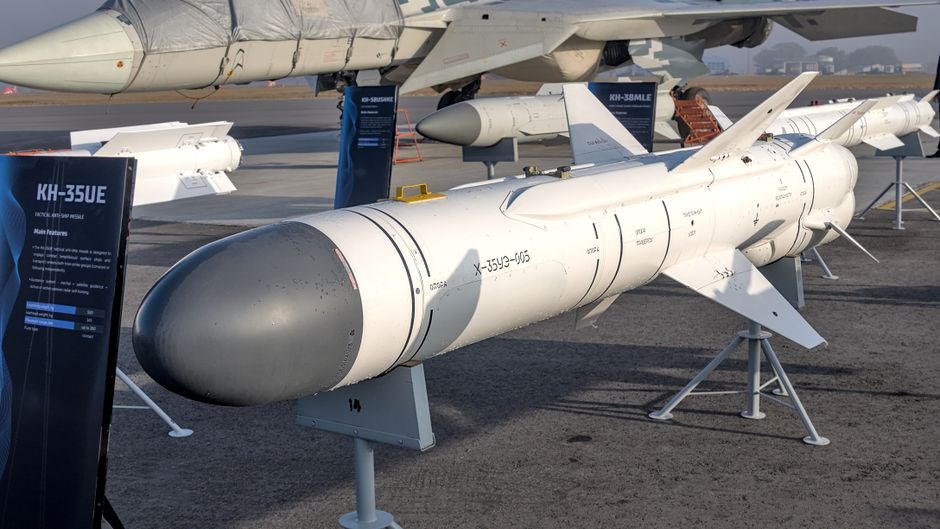
From the initial phases of the invasion, Russia has employed a wide array of missile systems. Early attacks heavily relied on ballistic missiles, such as the Iskander, designed for swift and precise strikes against high-value targets. These were augmented by cruise missiles, including the Kalibr, launched from ships, submarines, and aircraft, capable of complex trajectories and evading air defenses. As the conflict progressed, Russia has increasingly utilized hypersonic missiles, such as the Kinzhal, boasting unprecedented speed and maneuverability, posing a significant challenge to existing air defense capabilities. Beyond these advanced systems, Russia has also employed Tochka-U tactical ballistic missiles and a variety of unguided rockets, particularly in areas of intense ground fighting. The sheer volume of these launches, often conducted in coordinated waves, has aimed to overwhelm Ukrainian defenses and sow widespread destruction.
Targeting Strategies and Their Implications
The targeting of missile strikes by Russia has evolved, reflecting shifting military objectives and strategic considerations. Initially, a significant focus was placed on degrading Ukraine’s military capabilities, including airfields, command centers, ammunition depots, and air defense sites. The intent was to neutralize Ukraine’s ability to resist and to pave the way for rapid territorial gains. However, as Ukrainian forces demonstrated resilience and Western military aid began to bolster their defenses, Russia broadened its targeting strategy. A notable shift occurred in late 2022 and throughout 2023, with a sustained campaign of missile and drone strikes specifically aimed at Ukraine’s energy infrastructure. These attacks, often occurring during colder months, sought to cripple electricity generation and distribution, plunging cities into darkness and cold, thereby undermining civilian morale and economic activity.
Furthermore, while Russia officially denies targeting civilian areas, the indiscriminate nature of some strikes, coupled with the use of unguided munitions in densely populated zones, has resulted in substantial civilian casualties and damage to residential buildings, hospitals, schools, and cultural sites. International organizations and Ukraine have documented numerous instances of what appear to be war crimes, where civilian infrastructure has been deliberately or negligently struck. The psychological impact of these strikes on the civilian population is profound, fostering fear, displacement, and a pervasive sense of insecurity. The targeting of critical infrastructure, while potentially a military objective, has direct and severe humanitarian consequences, blurring the lines between military and civilian targets and raising serious questions about adherence to international humanitarian law.
Ukrainian Missile Capabilities and Counter-Strikes
Ukraine, while initially outmatched in terms of missile arsenal, has proven adept at developing and deploying its own missile capabilities. Early in the conflict, it relied on Soviet-era Tochka-U missiles and increasingly utilized anti-ship missiles, such as Neptune, to significant effect, famously sinking the Russian flagship Moskva. As Western military assistance flowed in, Ukraine received sophisticated longer-range missile systems, including HIMARS (High Mobility Artillery Rocket Systems) and M270 Multiple Launch Rocket Systems. These Western-supplied systems have been crucial in enabling Ukraine to strike Russian logistics hubs, command and control centers, and troop concentrations deep behind enemy lines, often with greater precision and range than previously available.
The effectiveness of Ukrainian counter-strikes has been a critical factor in disrupting Russian offensive operations and bolstering Ukrainian morale. By targeting supply lines and command structures, Ukraine has aimed to impede Russia’s ability to sustain its forces and conduct offensive maneuvers. The strategic implications of these Ukrainian strikes are significant, demonstrating a capacity to inflict considerable damage on Russian forces and assets, thereby raising the cost of the occupation and potentially influencing Russian strategic calculations. The ongoing debate surrounding the provision of longer-range missiles to Ukraine underscores the strategic importance of such systems in shaping the battlefield dynamics.
Air Defense and Counter-Missile Technologies
The effectiveness of missile strikes, from both sides, is intrinsically linked to the capabilities of air defense systems. Russia possesses a formidable array of air defense technologies, including the S-400, capable of intercepting a wide range of aerial threats. However, Ukraine, with Western support, has progressively bolstered its air defense network. The provision of systems like the Patriot, NASAMS, IRIS-T, and Gepard has significantly enhanced Ukraine’s ability to intercept incoming Russian missiles and drones, particularly in key urban centers.
The interplay between offensive missile capabilities and defensive air defense systems constitutes a crucial technological arms race within the conflict. While Russia’s advanced missiles can pose a formidable challenge, the increasing sophistication and deployment of Western air defense systems have proven to be a significant deterrent and a vital component of Ukraine’s survival strategy. The ongoing need for more advanced air defense systems, including longer-range interceptors and radar capabilities, remains a critical requirement for Ukraine to effectively counter the persistent missile threat. The development and deployment of countermeasures, including electronic warfare and decoy systems, also play a role in this complex defensive and offensive dynamic.
International Law and the Humanitarian Cost
The widespread use of missile strikes in the Russia-Ukraine conflict raises profound questions about adherence to international humanitarian law. The principle of distinction, which mandates that parties to a conflict must distinguish between combatants and civilians and between military objectives and civilian objects, appears to have been repeatedly violated. The indiscriminate nature of some strikes, the targeting of civilian infrastructure, and the resulting civilian casualties have led to accusations of war crimes.
The International Criminal Court (ICC) has opened investigations into alleged war crimes committed in Ukraine, and the evidence gathered from missile strikes, including damage assessments and casualty figures, will likely form a significant part of these proceedings. The humanitarian cost of these strikes is immense, encompassing not only direct fatalities and injuries but also the destruction of homes, hospitals, schools, and essential services. This leads to widespread displacement, food insecurity, and long-term psychological trauma for the affected population. The destruction of cultural heritage sites also represents an irreparable loss for Ukraine and the global community.
Strategic Implications and Future Trajectories
The persistent use of missile strikes has profound strategic implications for the future of the conflict and the broader geopolitical landscape. For Russia, the missile campaigns are intended to break Ukraine’s will to fight, degrade its military capacity, and force a negotiated settlement on its terms. However, the resilience of the Ukrainian people and the continued military support from Western allies have so far thwarted these objectives.
For Ukraine, missile strikes, both offensive and defensive, are a critical component of its survival and eventual victory. The ability to strike Russian assets behind enemy lines demonstrates Ukrainian resolve and its capacity to inflict costs on the aggressor. The ongoing need for advanced missile and air defense technology underscores the strategic importance of this arms race.
The future trajectory of the missile war will likely be shaped by several factors. The availability and effectiveness of Western military aid, particularly in the realm of air defense and longer-range strike capabilities, will be paramount. Russia’s ability to sustain its missile production and its willingness to accept potential international repercussions for alleged war crimes will also be critical. The psychological resilience of the Ukrainian population in the face of sustained attacks will continue to be tested. Ultimately, the prolonged and devastating use of missile strikes highlights the immense human cost of this conflict and the urgent need for a peaceful resolution, while also underscoring the evolving nature of modern warfare and the critical importance of international humanitarian law. The strategic calculus of both sides will continue to be influenced by the destructive power and tactical utility of these weapons, making missile strikes a defining and tragic characteristic of the Russia-Ukraine war.
