The Silent Resurgence of Black Lung: How Silica Dust and Regulatory Delays are Decimating Appalachian Coal Communities

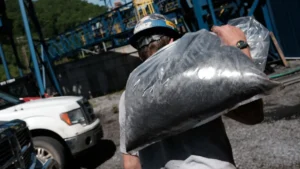
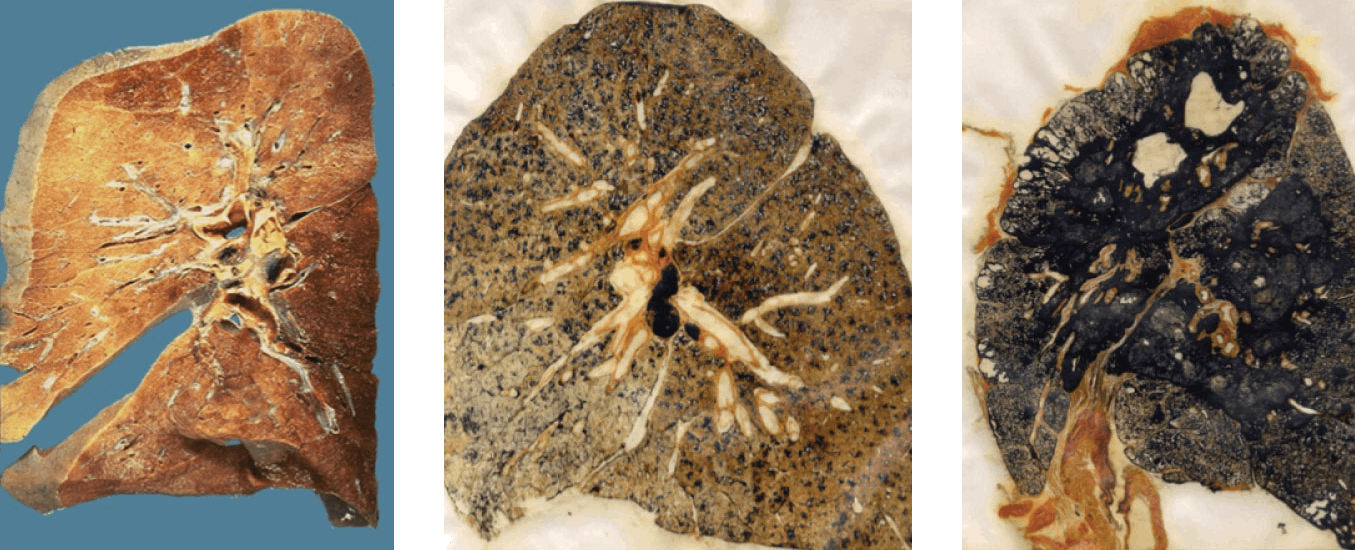
Justin Smarsh, a 42-year-old resident of Cherry Tree, Pennsylvania, once spent his weekends navigating the winding rivers and creeks of the Appalachian Plateau. An avid outdoorsman, he raised his two sons to hunt and fish in the dense woods northeast of Pittsburgh. Today, the simple act of walking across his backyard leaves him gasping for air, a sensation he describes as being "suffocated while standing still." Smarsh is a third-generation coal miner, having followed his father and grandfather into the pits because it remained the highest-paying vocation in the region. However, that career path has left him with progressive massive fibrosis (PMF), the most advanced and lethal form of coal workers’ pneumoconiosis, commonly known as black lung.
There is no medical cure for Smarsh’s condition. His daily life is a regimen of "piles of medications" intended to slow the inevitable decline of his respiratory system. In the advanced stages of PMF, the lungs become heavily scarred and inelastic, eventually leading to right-sided heart failure or a terrifying condition where the lungs fill with fluid, causing the patient to effectively drown during a common cold or flu. Medical professionals have informed Smarsh that he is unlikely to reach his 50th birthday. His story is becoming increasingly common across the coalfields of Pennsylvania, West Virginia, and Virginia, signaling a public health crisis that many believed had been relegated to the history books.
The Evolution of a Workplace Epidemic
For over a century, the primary threat to miners was coal dust—the carbonaceous particles that settle in the lungs and trigger the formation of black, scarified tissue. However, the geological reality of modern Appalachia has introduced a far more aggressive pathogen: crystalline silica. As the massive, easily accessible coal seams have been exhausted over decades of intensive mining, companies have moved toward thinner "low-seam" coal. To reach these deposits, massive cutting machines must grind through significant amounts of surrounding sandstone and shale, which contain high concentrations of quartz.
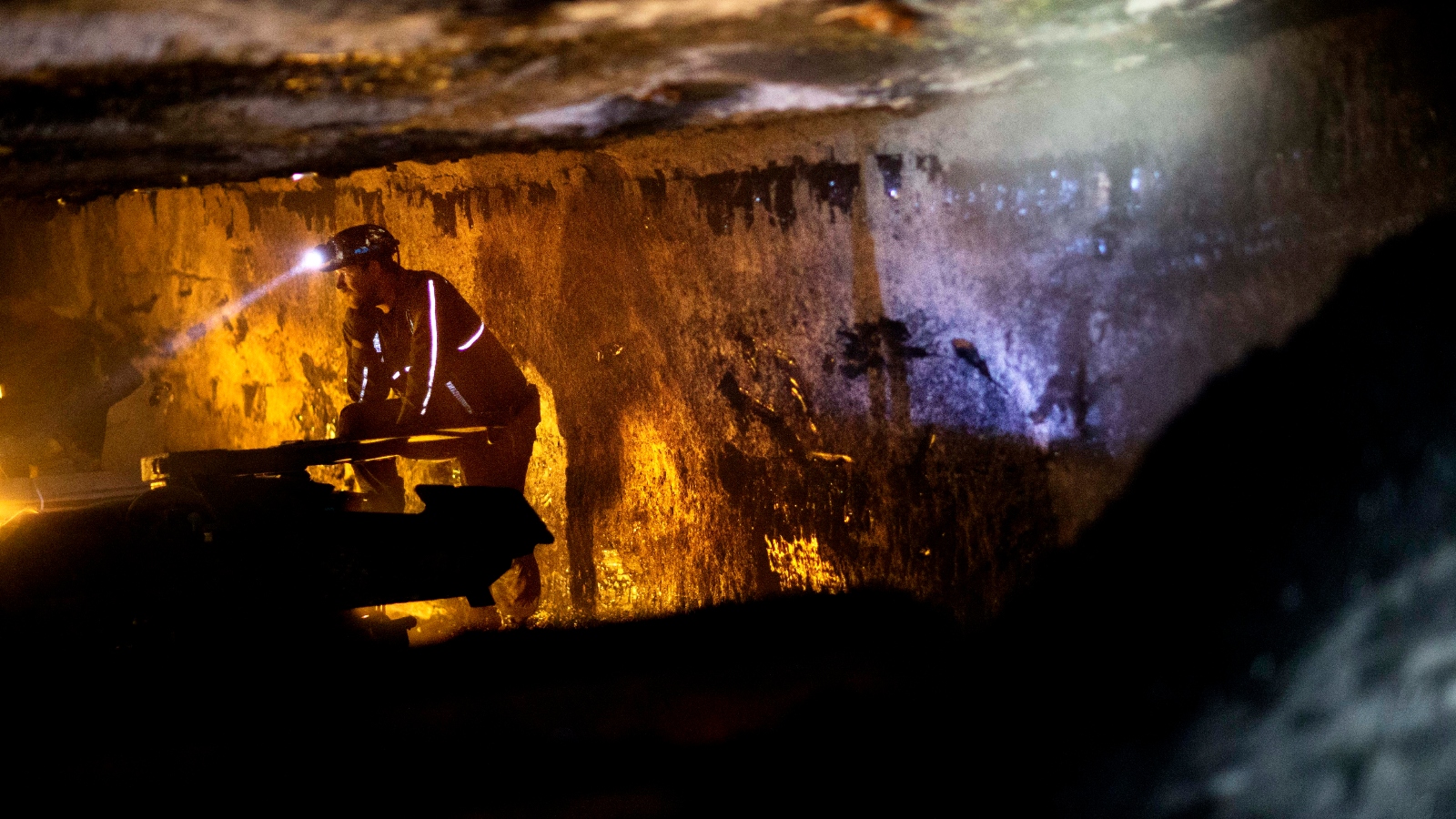
When quartz is pulverized, it creates microscopic particles of crystalline silica. These particles are significantly more toxic than coal dust; when inhaled, they act like minute shards of glass, embedding themselves in the alveolar sacs of the lungs. The body’s immune response to these sharp particles causes rapid, severe inflammation and the formation of massive fibrotic lesions. While traditional black lung often took thirty or forty years to disable a miner, silica-induced PMF is appearing in workers in their 30s and 40s after as little as eight to ten years of underground exposure.
Data from the National Institute for Occupational Safety and Health (NIOSH) indicates a staggering resurgence of the disease. Researchers estimate that one in ten working miners with at least 25 years of experience now suffers from black lung. In certain pockets of Central Appalachia, the rate is as high as one in five. Between 2013 and 2017, hundreds of cases of PMF were identified at just three clinics in Virginia, prompting NIOSH to declare a renewed epidemic. Mortality rates, which had been on a steady decline since the late 1990s, began a sharp upward trajectory in 2020.
A Chronology of Regulation and Resistance
The history of mine safety in the United States is written in the aftermath of tragedy. The 1969 Coal Mine Health and Safety Act was only passed following the Farmington Mine disaster in West Virginia, which claimed 78 lives and sparked massive strikes. This landmark legislation established federal inspections, set dust limits, and created a benefits system. For a generation, these standards, bolstered by strong union presence, appeared to work; by the late 1990s, black lung was nearly eradicated.
However, the regulatory framework failed to keep pace with the shifting geology of the mines. The timeline of the current regulatory struggle reflects a decades-long battle between health advocates and industry lobbyists:
- 1974: NIOSH first recommends a silica-specific exposure limit of 50 micrograms per cubic meter of air to protect workers from silicosis.
- 2008: U.S. coal production peaks at over 1,170 million tons, while health clinics begin reporting an uptick in severe lung disease among younger miners.
- 2016: The Occupational Safety and Health Administration (OSHA) adopts the 50-microgram standard for general industry and construction, leaving miners under a less stringent 100-microgram limit.
- 2017: The Mine Safety and Health Administration (MSHA), facing industry pressure, maintains the higher 100-microgram limit despite mounting evidence of a silica-driven epidemic.
- 2024: After years of litigation and study, MSHA finally issues a new rule lowering the silica limit to 50 micrograms, with enforcement scheduled for April 2025.
- 2025: Days before enforcement, the 8th U.S. Circuit Court of Appeals grants an emergency stay, and MSHA announces an "indefinite" delay in implementation.
The Political and Economic Paradox
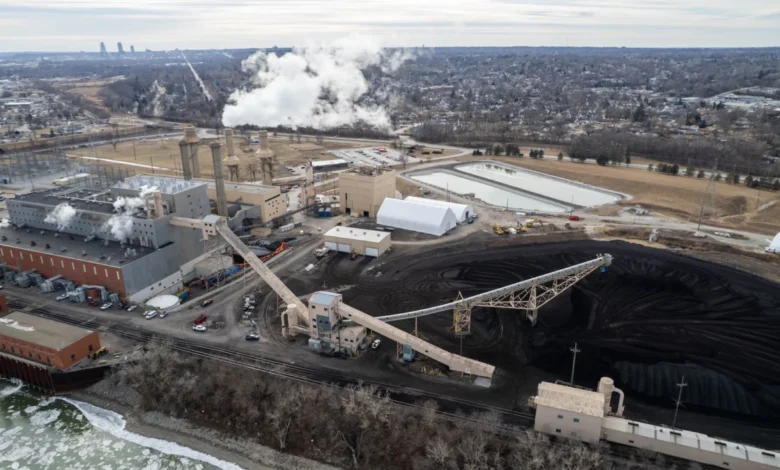
This regulatory retreat occurs against a backdrop of aggressive federal efforts to revitalize the coal industry. The current administration has framed coal as a pillar of national security, directing over $625 million toward coal projects and billions in potential federal funding. In Pennsylvania, the industry remains an economic powerhouse; a 2024 report by the Pennsylvania Coal Alliance noted that the sector supports over 5,000 direct jobs and generates $2.2 billion in economic output.
Yet, critics argue that this economic push comes at the expense of worker safety. Under the current administration, MSHA has seen its budget and enforcement personnel significantly reduced. The American Federation of Government Employees reported that a "Fork in the Road" buyout program resulted in 7 percent of the agency’s full-time workforce leaving last year. Furthermore, 90 newly hired mine inspectors had their job offers rescinded. Carey Clarkson, representing Labor Department workers, noted that the loss of these experienced inspectors has left the agency unable to effectively monitor the very mines the administration seeks to expand.
Engineering Controls vs. Personal Responsibility
The crux of the legal battle over the new silica rule lies in how companies should achieve compliance. The 2024 MSHA rule mandated "engineering controls"—such as high-powered ventilation systems and water sprays—as the primary defense. These methods remove dust from the air before it can be inhaled.
The National Mining Association and the National Stone, Sand & Gravel Association have challenged this, arguing that if ventilation is insufficient, they should be allowed to rely on respirators (masks) to meet the 50-microgram standard. Health experts like Deanna Istik, CEO of the Lungs at Work clinic, argue that respirators are an insufficient "last line of defense." In the hot, cramped, and humid environment of an underground mine, respirators often fog up, become clogged, or fail to provide a perfect seal. Silica particles are so small that even a minor seal leak can lead to significant exposure.
Justin Smarsh recalls the reality of underground work: "Anytime you’re underground, you see dust. But it’s not the dust you see that gets you. It’s the little stuff you don’t see." He notes that while he wore a respirator intermittently, the physical demands of his job as a roof bolter often made wearing a mask impossible.
The Human Impact and the Path Forward
The resurgence of black lung carries a heavy social cost. Many miners avoid getting tested for the disease until their symptoms are debilitating, fearing that a diagnosis will lead to their termination or the closure of the mine. This culture of silence means that the official numbers likely underrepresent the true scale of the crisis.
For the United Mine Workers of America (UMWA), the responsibility for safety lies squarely with the employers. Erin Bates, the union’s communications director, emphasized that it should not be the miner’s burden to ensure they don’t contract a terminal illness while performing their duties. The union has expressed profound disappointment in the indefinite delay of the silica rule, viewing it as a betrayal of the agency’s founding mission to protect worker health.
The broader implications of this health crisis are felt in the generational trauma of mining towns. Smarsh’s 19-year-old son has expressed interest in following his father into the mines, a prospect that fills Smarsh with dread. He warns his son that the "good coal" is gone, replaced by lethal rock and silica.
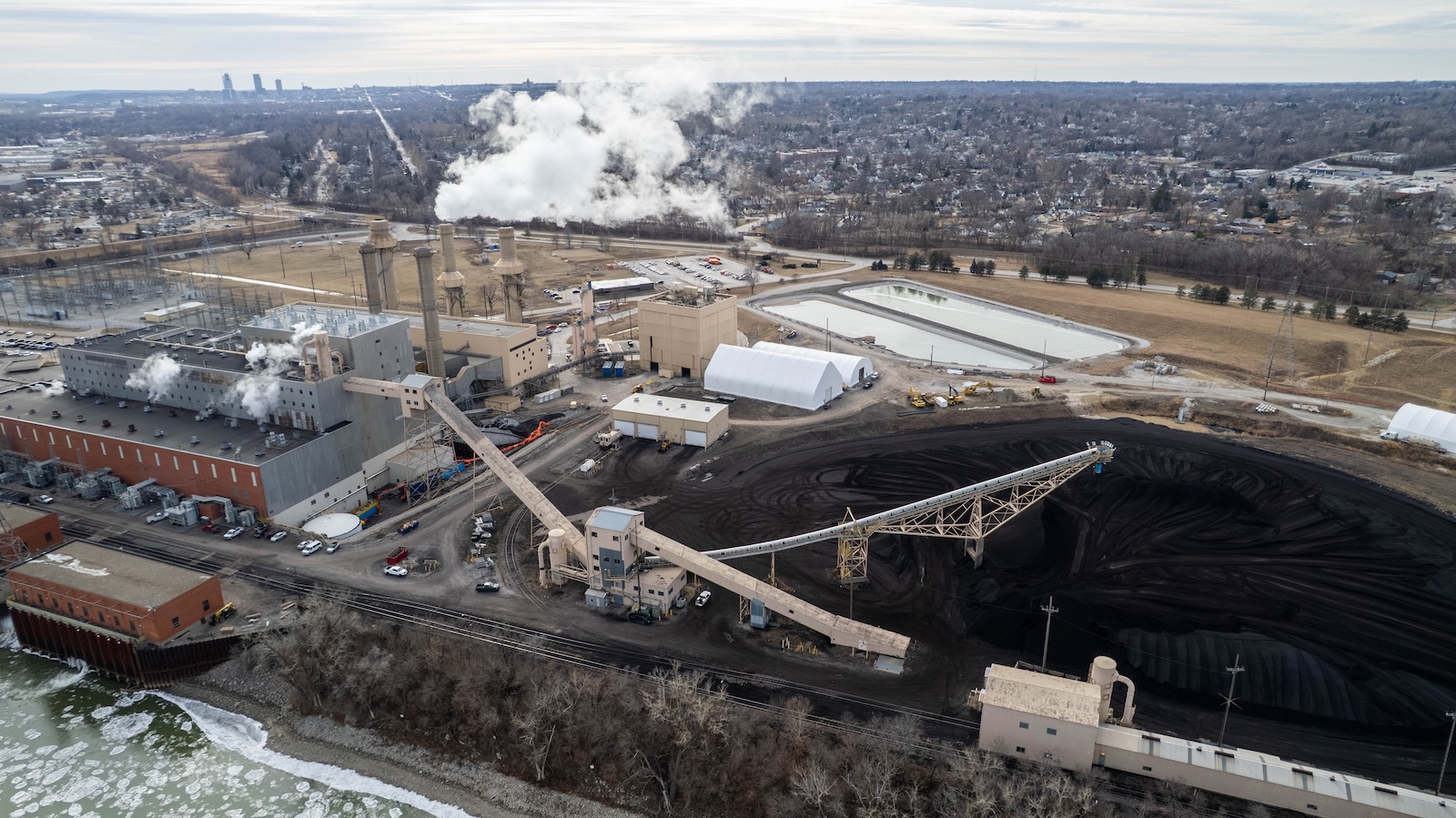
As litigation remains in limbo and federal oversight wanes, the Appalachian coalfields face a grim reality: an industry that once built the American middle class is now leaving behind a legacy of broken health and shortened lives. For Justin Smarsh and thousands like him, the debate over micrograms and regulatory stays is not a political exercise; it is a matter of life and breath. The delay in silica regulation ensures that for the foreseeable future, the "black gold" of the Appalachian mountains will continue to be extracted at a profound human cost.