
Tag South American Crisis
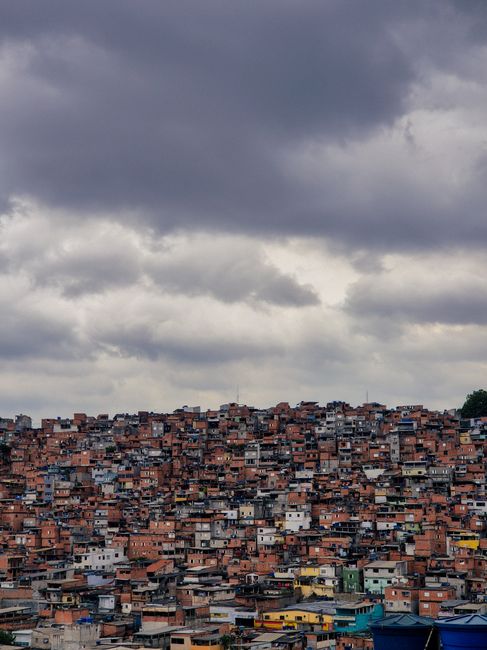
South America’s Multifaceted Crisis: Economic Strain, Political Instability, and Social Unrest
South America is currently grappling with a complex and interconnected crisis, a confluence of deep-seated economic vulnerabilities, persistent political instability, and simmering social unrest. This multifaceted challenge is not a monolithic event but rather a series of interlocking crises that manifest differently across the continent, yet share common underlying causes and ripple effects. Understanding this intricate web is crucial for grasping the current geopolitical landscape and anticipating future trajectories. The economic dimension of the crisis is characterized by a slowdown in growth, high inflation in many nations, significant debt burdens, and persistent inequality. Years of reliance on commodity exports have left many economies susceptible to global price fluctuations, and the COVID-19 pandemic exacerbated existing fragilities, disrupting supply chains, reducing remittances, and increasing public spending on healthcare and social support. This has led to a significant increase in poverty and a widening of the income gap, fueling discontent. Political instability is another defining feature. Many South American nations have experienced a surge in populism, characterized by charismatic leaders often employing anti-establishment rhetoric and promising swift solutions to complex problems. This has often led to polarization, eroded trust in democratic institutions, and a weakening of checks and balances. Corruption remains a pervasive issue, undermining good governance and diverting much-needed resources. Furthermore, the legacy of authoritarian regimes and periods of political upheaval continues to cast a long shadow, influencing contemporary political dynamics and contributing to a general sense of disillusionment with traditional political parties and processes. The social unrest is a direct consequence of these economic and political pressures. Protests, often spontaneous and widespread, have erupted in various countries, driven by grievances over cost of living, perceived corruption, and a lack of social mobility. These demonstrations, while sometimes peaceful, have also been marked by violence and clashes with security forces, highlighting the deep societal divisions and the frustration of populations feeling left behind. The interconnectedness of these crises cannot be overstated. Economic hardship fuels social discontent, which in turn can lead to political instability as populations seek alternative leadership or demand radical change. Conversely, political instability can deter investment, hinder economic recovery, and exacerbate social problems.
The economic underpinnings of South America’s crisis are rooted in structural vulnerabilities that have long plagued the region. The historical reliance on primary commodity exports, such as oil, minerals, and agricultural products, has made economies highly susceptible to volatile global markets. When commodity prices surge, economic growth often follows, but sharp declines can trigger recessions, currency devaluations, and fiscal deficits. This boom-and-bust cycle has hindered the development of diversified economies and made long-term planning challenging. The COVID-19 pandemic served as a stark reminder of these vulnerabilities. Global demand for many South American commodities decreased, while the costs of essential imports, including medical supplies and manufactured goods, increased. Governments were forced to implement costly stimulus packages and social safety nets to mitigate the pandemic’s impact, leading to a significant increase in public debt. Several South American nations are now grappling with unsustainable debt levels, which limit their fiscal space and ability to invest in crucial areas like infrastructure, education, and healthcare. High inflation is another pressing concern. Supply chain disruptions, increased energy prices, and expansionary monetary policies in some countries have fueled price increases, eroding purchasing power and disproportionately affecting the poorest segments of the population. This inflationary pressure creates a difficult dilemma for central banks: raising interest rates to curb inflation can slow economic growth and increase borrowing costs, while keeping them low risks further price escalation. Furthermore, deeply entrenched inequality remains a persistent driver of instability. The concentration of wealth and income in the hands of a few, coupled with limited access to quality education and healthcare for the majority, creates social stratification and fuels resentment. This inequality is not merely an economic phenomenon but also a political one, as it can translate into unequal political influence and the perpetuation of policies that favor elite interests. The informal sector, which employs a significant portion of the workforce in many South American countries, offers little protection to workers and contributes to tax evasion, further straining public finances. The lack of robust social security systems leaves many vulnerable to economic shocks, amplifying the impact of recessions and job losses.
Political instability in South America is a complex phenomenon with deep historical roots and contemporary manifestations. The region has a history of authoritarianism, military coups, and periods of intense political polarization. While many countries transitioned to democracy in the late 20th century, the institutional frameworks often remained fragile, susceptible to external shocks and internal pressures. The rise of populism has been a significant factor in recent years. Populist leaders, often charismatic figures, tap into popular discontent by offering simple solutions to complex problems, frequently employing anti-establishment rhetoric and blaming external forces or entrenched elites for the nation’s woes. While some populist movements have brought marginalized voices to the political forefront, others have eroded democratic norms, weakened independent institutions such as the judiciary and the press, and fostered a climate of polarization. This polarization makes consensus-building and effective governance exceedingly difficult. Corruption remains a pervasive and corrosive force throughout the region. High-profile corruption scandals have eroded public trust in political leaders and institutions, leading to widespread cynicism and disengagement. The diversion of public funds through corruption deprives governments of resources needed for essential services and development projects, exacerbating economic hardship and social inequality. Furthermore, weak rule of law and a lack of accountability allow corruption to persist, creating a vicious cycle. The influence of powerful vested interests, often linked to economic elites or organized crime, can also undermine democratic processes and hinder reforms. Judicial independence is frequently challenged, and the media, while often vibrant, can be subject to pressure and intimidation. The erosion of trust in traditional political parties and the rise of new political movements, often driven by social media and grassroots mobilization, reflect a deep desire for change but also contribute to political fragmentation and unpredictability. The challenges of governing in this environment are immense, as leaders struggle to balance competing demands, address deep-seated social grievances, and maintain political legitimacy.
The social unrest evident across South America is a direct and potent manifestation of the underlying economic and political crises. Decades of unmet expectations, persistent inequality, and a perceived lack of responsiveness from political elites have created a fertile ground for public anger and protest. These demonstrations are not merely isolated incidents but rather expressions of systemic frustration with living standards, access to opportunities, and the perceived injustice within society. High inflation rates, coupled with stagnant wages for many, have led to a significant increase in the cost of living, making it difficult for families to meet basic needs. The rising prices of food, transportation, and essential goods trigger immediate and widespread discontent. Perceived corruption further fuels this anger, as citizens see public funds being siphoned off while essential services suffer. The perception that elites are insulated from the hardships faced by ordinary people creates a powerful sense of injustice and fuels demands for radical change. Social media has played a crucial role in amplifying grievances, facilitating the organization of protests, and disseminating information, bypassing traditional media gatekeepers. While these platforms can be powerful tools for mobilization, they can also contribute to the spread of misinformation and polarization. The protests themselves vary in their intensity, duration, and specific demands, but common themes emerge: calls for greater economic equity, an end to corruption, improved public services, and a more just and inclusive society. The response of governments to these protests has also been a critical factor, with varying degrees of repression or willingness to engage in dialogue. When security forces respond with excessive force, it can further escalate tensions and deepen distrust between the population and the state. The lack of social mobility and opportunity for large segments of the population, particularly youth, also contributes to a sense of hopelessness and a willingness to take to the streets to demand a better future. Indigenous communities and marginalized groups often find their grievances amplified during periods of social unrest, highlighting the intersectionality of the region’s crises. The long-term implications of sustained social unrest are significant, including potential damage to infrastructure, disruption of economic activity, and a further erosion of social cohesion.
The interconnectedness of these crises necessitates a multidimensional approach to understanding and addressing them. The economic slowdown and high inflation directly impact people’s daily lives, making them more susceptible to social unrest. When people struggle to feed their families or afford basic necessities, their tolerance for political corruption and governmental inefficiency diminishes. This economic pressure can then translate into demands for political change, which, if not met through democratic and inclusive channels, can lead to further instability. Conversely, persistent political instability deters foreign investment, hinders the implementation of sound economic policies, and exacerbates corruption, thus perpetuating the economic crisis. A government preoccupied with maintaining power or dealing with internal political rifts is less likely to focus on long-term economic development or social programs. Furthermore, corruption erodes trust in institutions, making it harder for governments to mobilize public support for necessary economic reforms or social programs. When citizens believe that their leaders are acting out of self-interest rather than public good, their willingness to comply with policies or contribute to collective efforts wanes. Social unrest, while often a symptom of deeper problems, can also become a cause of further instability. Prolonged periods of protest can disrupt economic activity, damage infrastructure, and create an environment of uncertainty that deters investment. The cycle of protest and repression can also further entrench divisions within society, making it harder to achieve national reconciliation and build a cohesive future. The current situation in South America highlights how these dimensions are not separate but rather form a feedback loop, with each exacerbating the others. For instance, a populist leader might promise immediate economic relief through populist spending programs, which could initially appease some segments of the population but ultimately lead to higher inflation and debt, thus deepening the economic crisis in the medium term. This, in turn, could fuel further social unrest and political challenges to their authority. The challenge for South American nations is to break this cycle by addressing the root causes of each crisis simultaneously, rather than treating them in isolation.
The search for solutions and potential pathways forward in South America is complex and fraught with challenges, requiring a nuanced understanding of each nation’s specific context while acknowledging shared regional dynamics. At the economic level, diversification away from commodity dependence is a long-term imperative. This requires significant investment in education, research and development, and the promotion of value-added industries. Creating a more favorable business environment, reducing regulatory burdens, and fostering innovation are crucial for attracting investment and creating sustainable employment. Addressing high levels of public debt necessitates fiscal discipline, responsible spending, and, in some cases, debt restructuring. This must be coupled with efforts to broaden the tax base and combat tax evasion. Tackling inflation requires prudent monetary policy and addressing supply-side constraints. Crucially, efforts to reduce inequality are paramount. This involves progressive taxation, increased investment in public services like education and healthcare, and the strengthening of social safety nets. Formalizing the informal economy and providing better labor protections can also contribute to greater economic security. Politically, strengthening democratic institutions is essential. This includes safeguarding judicial independence, protecting freedom of the press, and promoting transparency and accountability in government. Combating corruption requires robust legal frameworks, effective enforcement mechanisms, and a culture of integrity. Fostering inclusive political dialogue and reducing polarization are vital for building consensus and ensuring that diverse voices are heard. Electoral reforms can also play a role in increasing representation and reducing the influence of money in politics. Addressing the legacy of historical injustices and promoting reconciliation are ongoing processes that are crucial for long-term stability. Socially, addressing the root causes of unrest requires investing in human capital and creating opportunities for all citizens. This means improving the quality and accessibility of education and healthcare, creating pathways for social mobility, and ensuring fair wages and working conditions. Promoting social inclusion and protecting the rights of marginalized communities are essential for building a more just and equitable society. Empowering civil society organizations and fostering active citizenship can contribute to greater accountability and responsiveness from governments. The role of regional and international cooperation cannot be overstated. South American nations can benefit from sharing best practices, coordinating economic policies, and collaborating on issues like regional security and environmental protection. International financial institutions can play a role in providing financial assistance and technical expertise, but this must be coupled with a commitment to good governance and sustainable development. Ultimately, the path forward requires strong leadership, a commitment to democratic values, and a willingness to engage in difficult but necessary reforms that prioritize the well-being of all citizens. The challenges are immense, but the resilience and dynamism of the South American people offer hope for overcoming these multifaceted crises and building a more prosperous and stable future.
