The escalating conflict in the Middle East has triggered a seismic shift in global energy markets, saddling American consumers with an estimated $19 billion in additional fuel costs since late February. While public attention remains largely fixed on the visible surge in gasoline prices at the pump, new data suggests that a quieter but more pervasive economic threat is emerging from the diesel sector. According to researchers at Brown University’s Watson Institute, diesel fuel alone accounts for nearly half of the total increase in national energy expenditures, representing a $9.4 billion burden on the American economy. This spike, driven by the closure of the Strait of Hormuz and the subsequent collapse of diplomatic negotiations, is currently costing the average American household approximately $71, a figure that includes both direct costs at the pump and indirect costs passed through the supply chain.
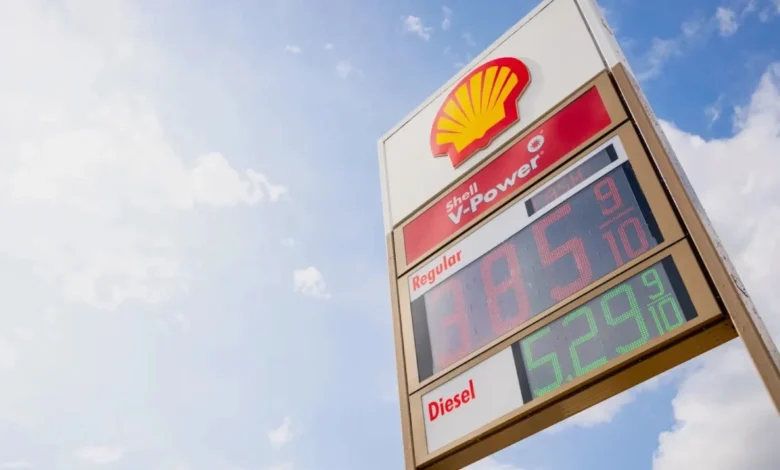
The current crisis began in earnest on February 28, 2026, when military operations involving the United States, Israel, and Iran intensified. In a swift retaliatory move, Tehran closed the Strait of Hormuz, a narrow waterway that serves as the transit point for approximately 21 percent of the world’s total petroleum liquids consumption. The immediate removal of this supply from the global market sent oil futures into a tailspin, but the impact on refined products has been uneven. While gasoline prices have jumped a significant 38 percent, diesel prices have surged by a staggering 54 percent over the same period. This discrepancy highlights the unique vulnerabilities of the global diesel supply chain and its critical role in sustaining modern industrial activity.
A Chronology of the 2026 Energy Crisis
The timeline of the current energy shock reveals a series of geopolitical miscalculations and logistical bottlenecks that have compounded the economic pain for domestic consumers. Following the initial outbreak of hostilities on February 28, the "Iran War Cost" tracker, an online tool launched by political scientists at Brown University, began monitoring the real-time impact on fuel expenditures. By mid-March, the initial shock had stabilized into a sustained upward trend as the realization set in that the Strait of Hormuz would not be reopened quickly.
In early April, a glimmer of hope emerged when a two-week ceasefire was brokered with the intent of allowing humanitarian aid and limited oil tankers to transit the embattled waterway. However, the truce proved fragile. By April 10, reports surfaced that only a handful of ships had successfully navigated the strait due to safety concerns and high insurance premiums. Over the weekend of April 11-12, peace negotiations in the region officially collapsed, leading to a renewed offensive. On Monday morning, April 13, the Trump administration announced a formal blockade on Iranian ports, a move designed to further isolate Tehran but one that analysts warn will keep oil prices elevated for the foreseeable future.
The Diesel Dependency: Why the "Quiet" Spike Matters
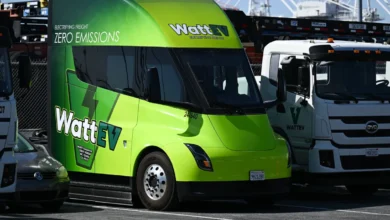
The disproportionate rise in diesel prices is particularly concerning for economists because of the fuel’s role as the primary "workhorse" of the global economy. Unlike gasoline, which is primarily consumed by individual motorists for personal travel, diesel powers the heavy machinery and logistics networks that underpin the entire commercial sector.
Jeff Colgan, a political scientist at Brown University who led the development of the fuel price dashboard, notes that the impact of diesel is often invisible to the average consumer until it manifests as inflation in other goods. "You’re probably feeling it in ways you don’t realize," Colgan explained. Because diesel is essential to trucking, rail transport, agriculture, and construction, virtually every physical product in the United States passes through a diesel-dependent supply chain. When the cost of moving a crate of produce or a ton of steel increases, those costs are inevitably passed down to the end consumer.
The inelasticity of diesel demand further exacerbates the problem. Patrick De Haan, head of petroleum analysis for GasBuddy, points out that while passenger vehicle drivers can choose to drive less or carpool to mitigate high gasoline prices—a trend already observed in major cities like Boston and Denver—the commercial sector has fewer alternatives. A shipping company cannot simply stop delivering goods because fuel is expensive, and a farmer cannot delay the planting season. This "inelastic demand" means that businesses are forced to absorb the higher costs or raise prices immediately, contributing to a broader inflationary cycle.
Technical and Seasonal Factors Driving the Surge
Beyond the geopolitical triggers, technical aspects of the refining process have contributed to the diesel spike. A single barrel of crude oil produces a fixed ratio of refined products; typically, a barrel yields significantly more gasoline than diesel. When global supply is constrained, the scarcity of diesel becomes more acute than that of gasoline.
Furthermore, the timing of the conflict has intersected with seasonal demand patterns in the United States. The hostilities began on the heels of a particularly harsh winter in the Northeast, where heating oil is a primary source of residential warmth. Because heating oil and diesel are molecularly nearly identical, the two products compete for the same refined supply. "Coming out of winter, heating oil consumption is elevated," De Haan said. "That usually impacts diesel as well." The depletion of heating oil reserves during the winter months meant that the U.S. entered the conflict with already strained diesel inventories, leaving the market with no buffer to absorb the shock of the Hormuz closure.
Geopolitical Beneficiaries and Market Disparities
While American consumers and the broader global economy suffer, the crisis has created clear winners among oil-producing nations that remain outside the immediate conflict zone. According to Colgan, Russia has emerged as the primary beneficiary of the soaring global fuel prices. With the Strait of Hormuz blocked, Russian oil exports have become even more critical to global markets, allowing Moscow to command a significant "war premium" on its energy exports.
The United States energy sector has also seen increased revenues, though the domestic benefit is tempered by the inflationary pressure on the American public. The disparity between "spot prices"—the cost to buy a barrel of oil for immediate delivery—and the "forward curve"—the price traders expect to pay in several months—suggests a market in deep distress. Mike Wirth, Chief Executive of Chevron, noted at a recent industry conference that physical supplies are currently much tighter than paper markets suggest. This "backwardation," where current prices are higher than future prices, indicates a desperate scramble for immediate supply that could signal a deeper crisis than many analysts have publicly acknowledged.
Official Responses and Economic Analysis
The federal response to the crisis has focused on a combination of military pressure and attempts to stabilize domestic supply. The announcement of the blockade on Iranian ports represents a shift toward a "maximum pressure" campaign, though critics argue this strategy provides little immediate relief for the American consumer.
From a policy perspective, the $19 billion drain on the economy represents a significant headwind for GDP growth. Economists warn that if diesel prices remain at these levels through the summer, the cost of the fall harvest could rise significantly, leading to a secondary wave of food price inflation. Additionally, the construction industry, already struggling with high material costs, faces further delays as the cost of operating heavy machinery reaches record highs.
Industry leaders are also bracing for long-term structural changes. Even if the Strait of Hormuz were to reopen tomorrow, the damage to regional oil infrastructure and the disruption of shipping schedules would take months to rectify. There are also concerns regarding new costs that might be introduced post-conflict. Reports have circulated that Tehran may attempt to impose "tanker fees" or other transit tolls as a condition for reopening the waterway, which would effectively bake a permanent price increase into the global market.
Looking Ahead: The Summer Outlook
As the United States moves toward the summer months, the dynamics of the fuel market are expected to shift again. Summer is traditionally the peak season for gasoline consumption as Americans take to the roads for vacations, while diesel demand often sees a slight seasonal dip before the harvest season begins. De Haan expects that while gasoline prices may continue to rise due to summer demand, the gap between gasoline and diesel may begin to narrow.
"From here on out," De Haan noted, "you may see a little bit less of an increase in diesel as markets move up." However, this provides little comfort to those already struggling with the current rates. The $9.4 billion in added diesel costs has already been integrated into the pricing structures of countless businesses, and history suggests that prices for consumer goods are often "sticky"—they rise quickly in response to energy shocks but are slow to fall even when fuel costs eventually decline.
The Brown University "Iran War Cost" tool remains a critical resource for tracking these developments, providing a stark reminder of the interconnectedness of global geopolitics and domestic pocketbooks. As long as the conflict remains unresolved and the world’s most vital energy artery remains blocked, the American economy will continue to pay a silent, multi-billion-dollar toll at the diesel pump.