The Humanity of Artemis II: Beyond Rockets and Spacecraft, A Profound Perspective on Our Place in the Cosmos

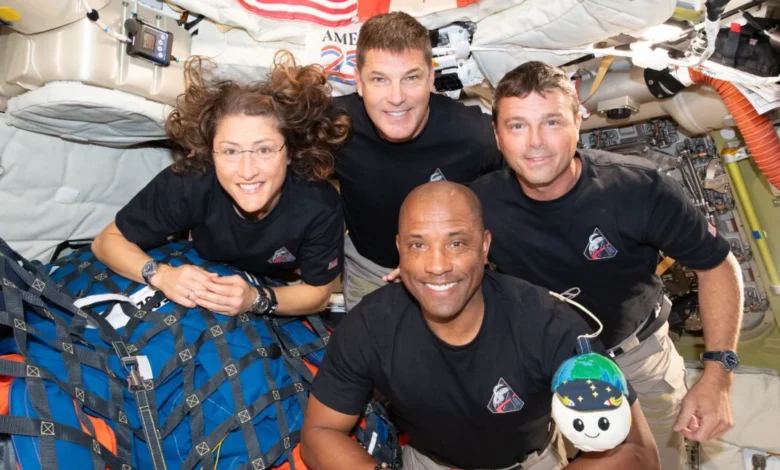
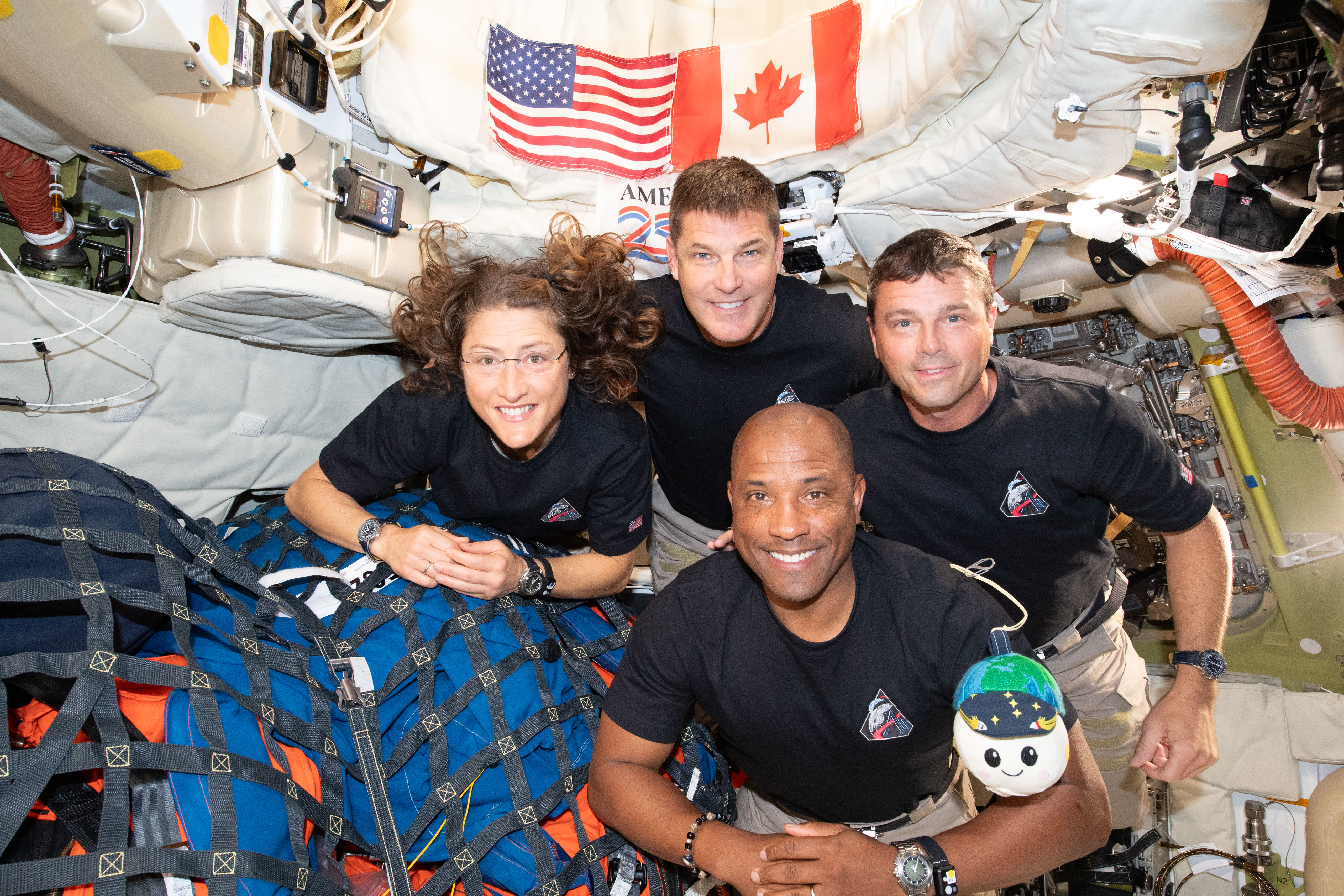
HOUSTON — The four trailblazers of NASA’s historic Artemis II mission, Commander Reid Wiseman, Pilot Victor Glover, and Mission Specialists Christina Koch and Jeremy Hansen, have safely returned to Earth, concluding their nine-day circumlunar journey. Their homecoming to Houston was marked by emotional reunions with families and an outpouring of reflection on an experience that has not only pushed the boundaries of human spaceflight but also offered a profound, unifying perspective on humanity’s shared home. While engineers begin to meticulously analyze the technical performance of the Space Launch System (SLS) rocket and Orion spacecraft, the astronauts themselves have articulated lessons far beyond the mechanical, emphasizing the unique and irreplaceable value of human presence in space exploration.
A Triumphant Return and Emotional Homecoming
The Artemis II crew, after a successful splashdown in the Pacific Ocean off the coast of Southern California on Friday evening, April 9, 2026, spent a night aboard a Navy recovery ship before being airlifted to San Diego. From there, a NASA business jet brought them back to Ellington Field in Houston on Saturday afternoon, April 10, 2026. The atmosphere at Hangar 135, where the crew had been dramatically announced three years prior, was charged with a different kind of gravitas. The earlier fanfare of VIPs and spotlights had given way to a more subdued, yet deeply significant, reunion as the astronauts embraced their loved ones, their faces reflecting the awe and exhaustion of their unprecedented voyage.

Commander Reid Wiseman, typically articulate, struggled to find words to capture the magnitude of their return. "I have absolutely no idea what to say," he confessed to the assembled crowd. "Twenty-four hours ago, the Earth was that big out the window and we were doing Mach 39, and here we are back… at home." His sentiment encapsulated the universal human longing for connection after an extraordinary separation, a testament to the profound emotional impact of venturing hundreds of thousands of miles from home. The mission, while a grand scientific endeavor, was deeply personal for each crew member, an experience that irrevocably altered their perception of existence.
The Artemis II Mission: A Chronology of Exploration
The Artemis II mission officially commenced with a spectacular launch on April 1, 2026, from Kennedy Space Center in Florida. Carried aloft by the colossal Space Launch System (SLS) rocket, the Orion spacecraft embarked on a meticulously planned trajectory designed to test its systems with a human crew onboard. This mission marked the first time humans had flown beyond low-Earth orbit since Apollo 17 in 1972, and specifically, the first crewed test flight of the Orion capsule.
Over the course of nine days, the crew performed a series of critical maneuvers and systems checks. After trans-lunar injection, Orion journeyed towards the Moon, reaching a maximum distance of over 252,000 miles from Earth and approximately 4,000 miles beyond the Moon itself. This trajectory took them farther from Earth than any human in history, providing unique views of our planet and the lunar far side. Throughout the mission, the astronauts conducted communications tests, life support system evaluations, and confirmed the spacecraft’s navigation capabilities in deep space. On April 4, the crew conducted a live interview with CBS News from the Orion capsule, sharing their initial impressions of Earth from afar. The mission culminated in the precise atmospheric re-entry and splashdown on April 9, demonstrating Orion’s ability to safely return its crew to Earth.
Technical Triumphs and Minor Adjustments
From a technical standpoint, the Artemis II mission largely validated NASA’s decades-long investment in the SLS rocket and Orion spacecraft. The SLS performed "nearly perfectly," demonstrating its immense power and reliability for deep space missions. The Orion spacecraft, designed to withstand the harsh environment of lunar space and high-speed re-entry, proved robust and capable. This success is crucial for the subsequent Artemis missions, particularly Artemis III, which aims to land humans on the Moon.
However, as expected with any pioneering human spaceflight, the mission also surfaced areas for refinement. Pre-launch, the program faced challenges with hydrogen leaks on the launch pad, necessitating delays and engineering solutions. During the mission, minor helium leaks were detected within the Orion spacecraft, which engineers are now investigating for potential redesigns of affected valves. A notable, albeit less critical, issue involved a toilet system that was not consistently available for use, leading to some logistical adjustments for the crew. These technical findings are not uncommon in complex space programs and are viewed by NASA engineers as invaluable data points for optimizing future missions, ensuring greater safety and efficiency for subsequent lunar voyages.
The Human Perspective: A Mirror to Humanity
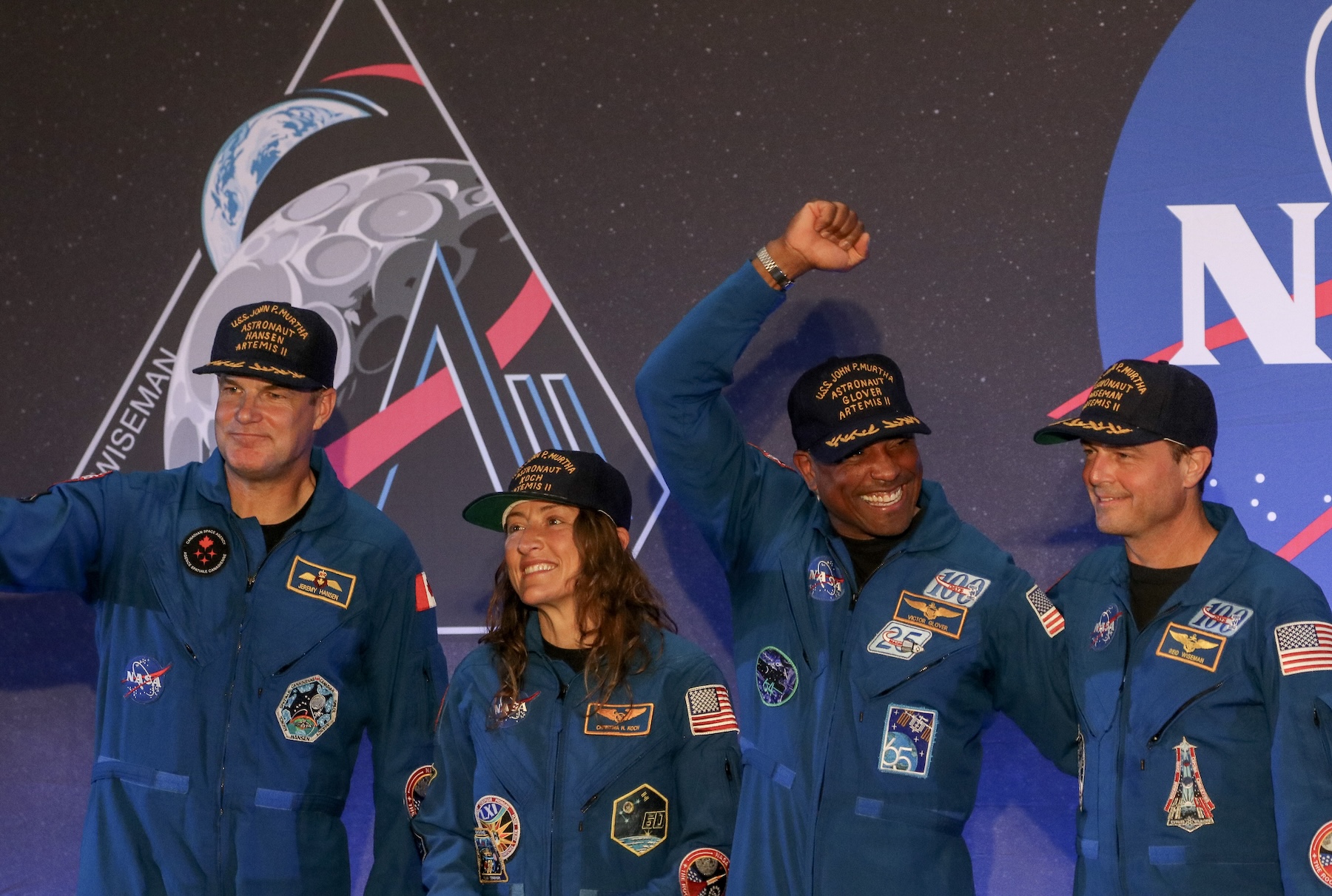
Beyond the technical achievements, the profound human experience of the Artemis II mission has resonated most deeply. The four astronauts, hand-picked by NASA three years prior, offered a unified message of perspective and unity upon their return. Their journey allowed them to witness Earth as a fragile, vibrant "blue marble" against the vast, desolate backdrop of space – a phenomenon often referred to as the "Overview Effect."
Victor Glover, reflecting on this view from the Orion spacecraft on April 4, articulated a powerful message of interconnectedness. "One of the really important personal perspectives that I have up here is I can really see Earth as one thing," Glover stated. He emphasized that while their distance made their journey seem special, everyone on "spaceship Earth" is equally extraordinary. "In all of this emptiness—this is a whole bunch of nothing, this thing we call the Universe—you have this oasis, this beautiful place that we get to exist together," he elaborated, urging a collective recognition of shared humanity. "As we go into Easter Sunday, thinking about all the cultures all around the world, whether you celebrate it or not, whether you believe in God or not, this is an opportunity for us to remember where we are, who we are, and that we are the same thing, and that we’ve got to get through this together."
Christina Koch echoed this sentiment upon her return, recalling the vision of "tiny Earth" against the "blackness around it." She described Earth as "just this lifeboat hanging undisturbingly in the Universe," adding, "I know I haven’t learned everything that this journey has yet to teach me, but there is one new thing I know, and that is planet Earth, you are a crew." These statements highlight the transformative power of viewing our planet from such a distant vantage point, stripping away artificial divisions and revealing a singular, vulnerable home.
Canadian mission specialist Jeremy Hansen brought a poignant conclusion to these reflections, positioning the astronauts not as heroes to be idolized, but as reflections of humanity itself. "You haven’t heard us talk a lot about the science, the things we’ve learned, and that’s because they’re there, and they’re incredible, but it’s the human experience that is extraordinary for us, and it sounds like maybe for you, too," Hansen remarked. "When you look up here, you’re not looking at us. We are a mirror reflecting you, and if you like what you see, then just look a little deeper. This is you." This powerful assertion underlines the aspirational nature of human spaceflight, suggesting that these missions are not just about what a few individuals achieve, but what they represent for all of us.

The Broader Vision: Artemis and the Future of Exploration
Artemis II is a critical stepping stone in NASA’s ambitious Artemis program, which aims not just to return humans to the Moon, but to establish a sustainable long-term presence there. The program envisions building a lunar base and Gateway orbital outpost, paving the way for eventual human missions to Mars. The success of Artemis II confirms the readiness of the core transportation systems for future, more complex missions.
The mission also reignites the debate and appreciation for human versus robotic exploration. While robotic probes like Voyager, Cassini, New Horizons, and Mars rovers have provided unprecedented scientific data and breathtaking images of distant worlds – revealing new landscapes on Mars, the ghostly plumes of Enceladus, and the heart of Pluto – the human element adds an invaluable dimension. As the original article noted, these robotic missions were examples of "real exploration," but the "humanity on board" Artemis II created a different, more relatable resonance. The personal narratives, emotional responses, and philosophical insights offered by the astronauts provide a layer of understanding and inspiration that machines, however advanced, cannot replicate. NASA continues to pursue both avenues vigorously, with plans like the robotic rotorcraft mission to Saturn’s moon Titan in 2028 promising further awe-inspiring discoveries.
Implications for a Divided World
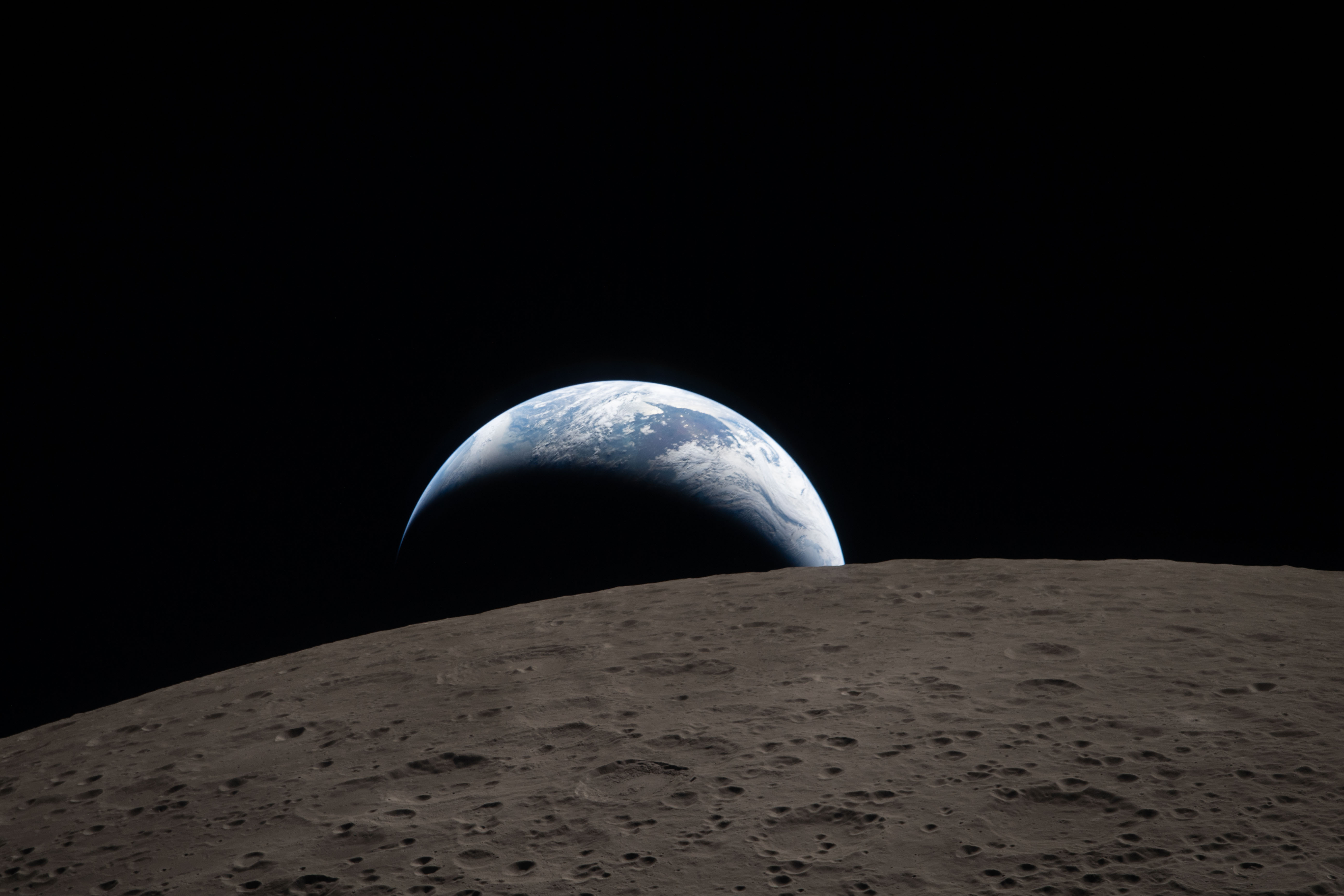
In an era often characterized by global conflicts and societal divisions, the messages from the Artemis II crew carry significant weight. Their unified perspective of Earth as a singular "oasis" and a shared "lifeboat" underscores the urgent need for collaboration and mutual understanding. Their journey serves as a powerful reminder that despite our differences, we are all inhabitants of the same fragile planet, bound by a common destiny. The mission’s success, both technical and human, reinforces the idea that humanity is capable of achieving extraordinary feats when united by a common purpose and a spirit of exploration.
The Artemis II mission, with its blend of cutting-edge technology and profound human experience, has successfully ushered in a new era of lunar exploration. It has not only tested hardware and procedures but has also given humanity a fresh mirror through which to view itself – a reflection of ingenuity, courage, and a shared responsibility for our unique place in the cosmos. As the data analysis continues and plans for Artemis III accelerate, the enduring legacy of Wiseman, Glover, Koch, and Hansen will be their powerful testimony to the special thing it is to be human, and the even more special thing it is to be on planet Earth.