Louisiana LNG Boom Faces Scrutiny as Woodside Project Set to Become State Top Greenhouse Gas Contributor

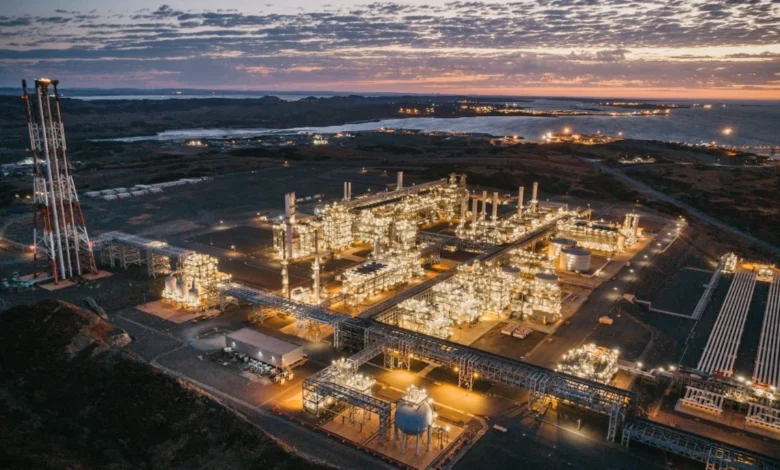
The landscape of the American energy sector underwent a seismic shift in 2016 when Louisiana launched the nation’s first major wave of liquefied natural gas (LNG) exports. At the time, proponents marketed natural gas as a "bridge fuel"—a cleaner, climate-friendly alternative to coal and oil that would facilitate a global transition toward renewable energy. However, nearly a decade later, the environmental reality of this industrial expansion is coming into sharper focus. Data indicates that Louisiana’s premier export terminal, Sabine Pass LNG, has rapidly ascended to become one of the state’s primary sources of climate-warming pollution, outstripping the greenhouse gas emissions of even the largest oil refineries in the region.
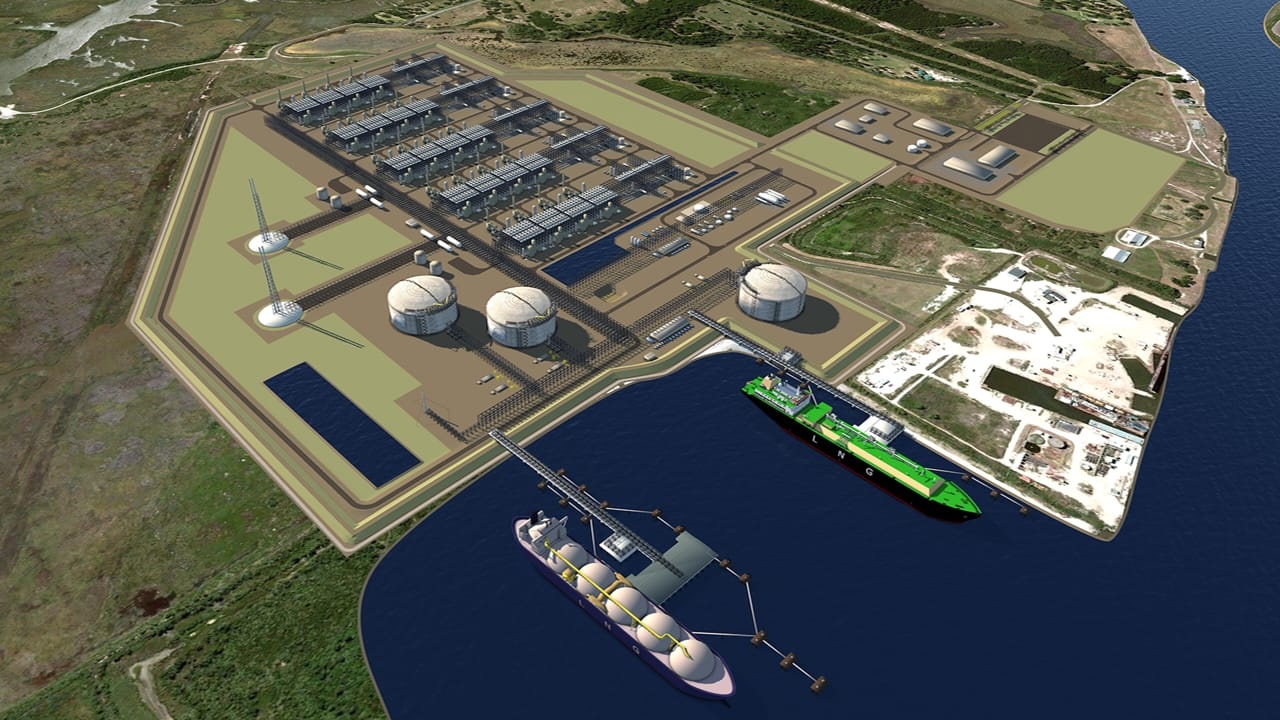
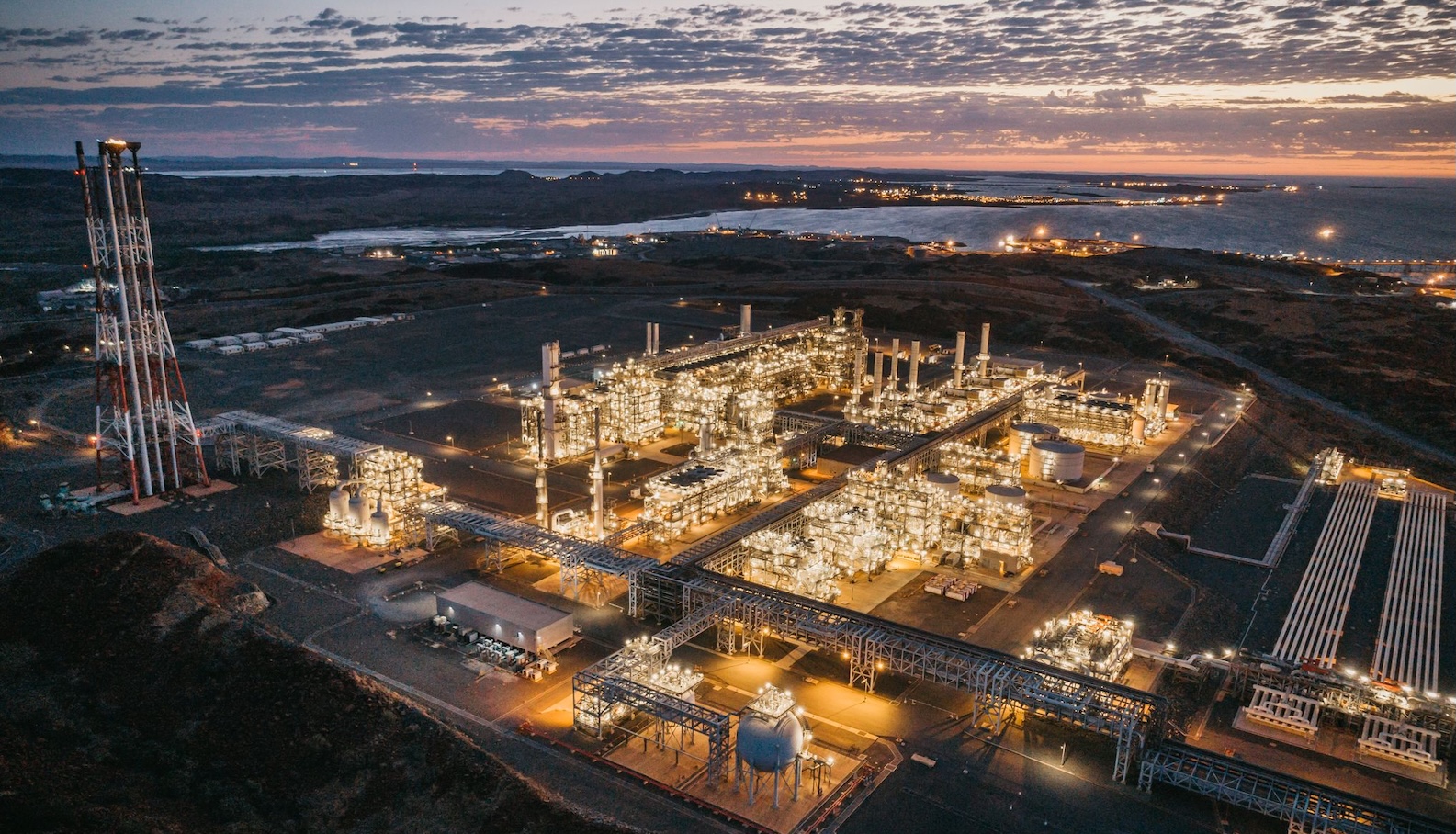
This trend is poised to accelerate with the development of a new, even more massive facility. A sprawling LNG terminal currently under construction near Lake Charles, situated approximately 40 miles east of the Sabine Pass site, is projected to generate emissions that will eclipse every existing LNG export terminal in the United States. According to a comprehensive analysis of state and federal regulatory filings, this facility—rebranded as Louisiana LNG—will not only exceed the output of currently operating terminals but will also surpass the projected emissions of dozens of other LNG projects proposed for the coming decade.
The Scale of the Woodside Energy Investment
The Louisiana LNG project is owned and operated by Woodside Energy, Australia’s largest oil and gas producer. The facility represents a monumental financial undertaking, with construction costs estimated to reach nearly $18 billion. This figure places the terminal among the most significant foreign direct investments in the history of Louisiana. The project’s scale was celebrated by Louisiana’s Republican Governor, Jeff Landry, during a groundbreaking ceremony in September 2025, where he characterized the development as a historic milestone for both the state’s economy and national energy security.
Woodside Energy’s entry into the Louisiana market followed its 2024 acquisition of a 1,000-acre site from Houston-based Tellurian. The site was originally slated for development under the name Driftwood LNG. By stepping in to take over the project, Woodside has doubled down on the global demand for supercooled natural gas, which is condensed into a liquid state to allow for efficient storage and transoceanic shipping.
State economic development agencies have championed the project, citing the creation of thousands of temporary construction jobs and several hundred permanent, high-paying positions once the terminal becomes operational. Furthermore, the facility is expected to provide a significant boost to local tax revenues, funding infrastructure and public services in southwest Louisiana.
Projected Emissions and Environmental Benchmarks
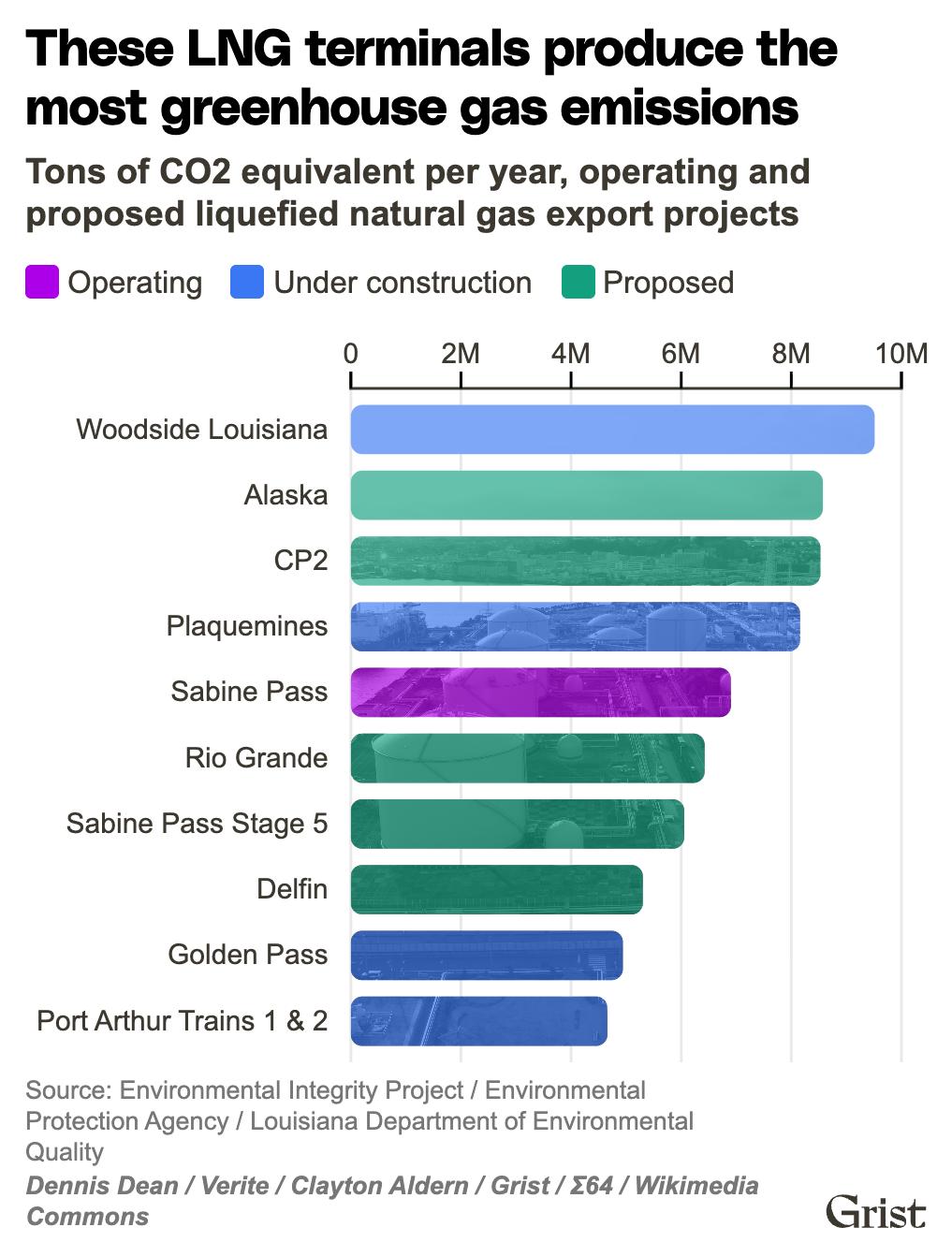
Despite the economic promises, the projected environmental footprint of Louisiana LNG has alarmed climate scientists and local advocates. Permitting documents filed with Louisiana regulators indicate that the facility is expected to generate more than 9.5 million tons of greenhouse gases annually once it reaches full operational capacity in 2029.
To put this figure into perspective, the Environmental Protection Agency (EPA) reports that the Sabine Pass terminal currently emits approximately 7 million tons of greenhouse gases per year. The Woodside facility’s emissions—stemming from the energy-intensive liquefaction process, onsite power generation, and other industrial operations—will significantly exceed those of the seven other major terminals built across the U.S. in the last decade.
In a broader state context, the Woodside terminal’s estimated emissions would rank it as the second-largest industrial source of greenhouse gases in Louisiana. It would sit just behind the CF Industries chemical complex in Donaldsonville, which is currently the world’s largest producer of ammonia and released roughly 10.4 million tons of carbon dioxide equivalent in 2023. Under current projections, Louisiana LNG will produce more climate-warming pollution than the massive Exxon Mobil refinery in Baton Rouge, long considered a titan of industrial emissions.
The Corporate Climate Strategy
In response to concerns regarding the facility’s carbon footprint, Woodside Energy has emphasized its commitment to decarbonization. A company spokesperson stated that all Woodside-operated assets are required to implement rigorous plans to identify technical opportunities for emission reductions. The company’s overarching climate strategy aims for a 30 percent reduction in net equity greenhouse gas emissions by 2030, with an ultimate goal of achieving net-zero emissions by 2050.
To meet these targets, Woodside has integrated advanced facility designs intended to minimize methane leakage—a potent greenhouse gas—and has invested heavily in carbon offsets. These investments include forest restoration projects and other nature-based solutions designed to mitigate the environmental impact of their industrial operations. Woodside, a pioneer in the LNG industry since 1989, continues to argue that natural gas is essential for global carbon reduction. The company’s 2025 Climate and Sustainability Summary notes that power generated from natural gas typically emits about half the lifecycle emissions of coal-fired power, which remains the largest contributor to anthropogenic CO2 emissions globally.
A Growing Scientific Consensus and the "Bridge Fuel" Debate
The industry’s narrative of natural gas as a "clean" fuel is increasingly contested by the scientific community. While natural gas burns more cleanly than coal at the point of combustion, the "lifecycle emissions"—which include extraction, processing, supercooling, and transportation—tell a different story.
A recent study from Cornell University suggests that when energy use and methane leakage throughout the entire supply chain are factored in, LNG may be at least 33 percent worse for the climate than coal. Methane, the primary component of natural gas, is far more effective at trapping heat in the atmosphere than carbon dioxide over a 20-year period. Researchers argue that the massive infrastructure required to supercool gas to -260 degrees Fahrenheit and transport it across oceans consumes so much energy that it negates many of the perceived climate benefits.
In late 2023, a group of 170 scientists authored a letter to the federal government, warning that the continued expansion of LNG terminals would lock in decades of fossil fuel reliance and escalate "climate chaos." This scientific pressure contributed to a temporary pause on new LNG permitting by the Biden administration in early 2024. However, that pause was short-lived; following the 2024 election, President Donald Trump reversed the policy as part of a broader strategy to "unleash American energy dominance."
Geopolitical Drivers and Energy Security
The rapid expansion of the U.S. LNG industry is not driven solely by domestic policy but by global geopolitical shifts. The 2022 Russian invasion of Ukraine fundamentally altered the European energy market. As pipeline gas from Russia became unreliable or politically untenable, U.S. LNG surged to fill the void. According to the International Energy Agency, American gas has filled more than 40 percent of the supply gap left by the reduction in Russian exports.
This geopolitical reality was highlighted at the Woodside groundbreaking by German officials. Markus Hatzelmann, deputy consul general at the German consulate in Houston, noted that nearly all of the LNG currently entering Germany originates from the U.S. Gulf Coast. For European nations, LNG is viewed as a vital tool for national security and a necessary component of their own transitions away from coal, which Germany plans to phase out by 2038.
Local Impact and Vulnerability in Southwest Louisiana
For residents of southwest Louisiana, the debate over LNG is not merely academic or geopolitical; it is a matter of physical survival. The region is on the front lines of climate change, facing rapid sea-level rise and an increase in the frequency and intensity of hurricanes.
Anne Rolfes, executive director of the environmental advocacy group Louisiana Bucket Brigade, has been a vocal critic of the state’s embrace of the LNG industry. She points to the devastating impact of Hurricane Laura in 2020, which caused over $14 billion in damage and nearly leveled the city of Lake Charles. Environmental advocates argue that by permitting facilities that emit millions of tons of greenhouse gases, the state is actively contributing to the climatic conditions that make these storms more destructive.
"As Louisiana becomes more vulnerable, we’re just adding to that vulnerability by producing more greenhouse gases," Rolfes stated. She characterized the continued expansion of high-emission facilities in storm-prone areas as a failure of long-term planning and a disregard for the safety of coastal communities.
The Road Ahead for U.S. LNG
Currently, at least 32 LNG export projects are either under construction or in the formal proposal stage across the United States. The vast majority of these are concentrated along the Gulf Coast, with 14 projects planned for Louisiana alone. These facilities will join the four already operating in the state: Sabine Pass, Cameron LNG, Calcasieu Pass, and the recently opened Plaquemines LNG.
As the regulatory environment becomes more streamlined under federal mandates to fast-track energy infrastructure, the industry appears emboldened. However, the tension between economic development, international energy security, and the urgent need for climate mitigation remains unresolved. The Woodside Louisiana LNG project stands as a primary example of this conflict—a multi-billion dollar engine of economic growth that simultaneously threatens to become one of the single largest contributors to the warming of the planet.
With the operational date for Louisiana LNG set for 2029, the next few years will be critical for regulators and stakeholders as they weigh the immediate benefits of energy exports against the long-term environmental costs to the Gulf Coast and the global climate.