Lifestyle Trends and Cultural Shifts in Mid-2026 An Analysis of Technology Media and Consumer Behavior


The mid-summer period of 2026 has been characterized by a complex intersection of environmental challenges, rapid technological integration into the domestic sphere, and evolving consumer preferences in the retail and entertainment sectors. As North America grapples with intensified heatwaves and the persistent atmospheric impact of seasonal wildfires, the domestic life of the average citizen is being reshaped by both necessity and innovation. From the reliance on climate-controlled infrastructure to the increasing presence of artificial intelligence in family dynamics, the current cultural landscape reflects a society in transition, balancing traditional lifestyle values with the demands of a high-tech, climate-variable era.
Environmental Stressors and the Resilience of Domestic Infrastructure
The summer of 2026 has seen record-breaking temperatures across several regions, placing unprecedented strain on residential power grids and climate control systems. Reports indicate that air conditioning repair services have seen a 40% increase in demand compared to the previous year, as older units fail under the pressure of prolonged "heat dome" events. This infrastructure strain has forced many households to seek temporary relocation or "decamp" to better-equipped environments, highlighting a growing disparity in climate resilience among urban and suburban populations.
Simultaneously, the air quality index (AQI) in various metropolitan areas has been frequently compromised by wildfire smoke. Environmental agencies have issued numerous "shelter-in-place" advisories, emphasizing the health risks posed by fine particulate matter. These conditions have catalyzed a shift in weekend leisure activities, moving away from outdoor recreation toward indoor, media-centric entertainment. The intersection of failing cooling systems and poor air quality has created a unique set of challenges for modern families, necessitating a high degree of adaptability in daily routines.
The Integration of Artificial Intelligence into the Family Unit
One of the most significant sociological shifts observed in 2026 is the normalization of Artificial Intelligence (AI) as a functional member of the household. A recent profile by The New Yorker examined a single-parent household in Cleveland, Ohio, where a chatbot has been integrated into the family’s daily interactions. This case study serves as a microcosm for a broader national trend: the use of AI not merely as a tool for productivity, but as a source of emotional support and educational companionship.
Data from the 2026 Technology Impact Survey suggests that 35% of households now utilize advanced AI interfaces to assist with conflict resolution, homework, and even storytelling. Critics and sociologists remain divided on the long-term implications of this trend. While proponents argue that AI can alleviate the "mental load" for overwhelmed parents, skeptics raise concerns regarding the potential for diminished human-to-human empathy and the privacy implications of data harvesting within the home. The Cleveland profile highlights how AI can bridge gaps in child-rearing, yet it also underscores the blurred lines between technology and personhood.
Entertainment Trends: The Rise of Niche Streaming and Critical Consensus
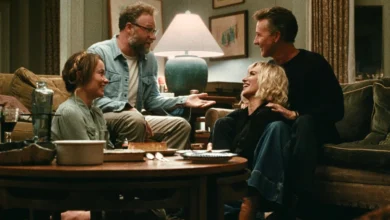
In the realm of digital media, the summer of 2026 has been marked by the success of high-concept streaming series. "Ride or Die," a new production that has garnered a 96% approval rating on the review aggregator Rotten Tomatoes, exemplifies the current consumer appetite for character-driven narratives with high production values. The success of such programs is often attributed to the "streaming fatigue" of the early 2020s, which has led platforms to prioritize quality over quantity.
Furthermore, niche programming such as "The Sheep Detectives" has found a surprising foothold among both children and adults. Industry analysts suggest that in times of environmental or social stress, audiences tend to gravitate toward "comfort media"—content that is low-stakes, aesthetically pleasing, and family-oriented. The popularity of these programs reflects a broader trend in the entertainment industry where regional or specialized stories are achieving global reach through algorithmic distribution.
Legal and Social Perspectives on Modern Marriage Contracts
The discourse surrounding marital stability and financial independence has taken a pragmatic turn in 2026. Legal experts, including noted divorce attorney James Sexton, Esq., have observed an uptick in the negotiation of prenuptial and postnuptial agreements among Millennials and Gen Z couples. Sexton posits that every marriage is essentially a legal contract dictated by state legislatures; therefore, couples who do not draft their own agreements are effectively opting into a "default" government-designed contract.

Current legal data indicates a 22% increase in the filing of postnuptial agreements over the last 24 months. This trend suggests a move toward "transparent matrimony," where financial expectations and domestic responsibilities are explicitly outlined to prevent future litigation. Sociologists suggest this is a response to the economic volatility of the mid-2020s, as individuals seek to protect assets and establish clear boundaries in an increasingly uncertain financial climate.
Retail Analysis: Seasonal Discounts and the Evolution of Maternity Fashion
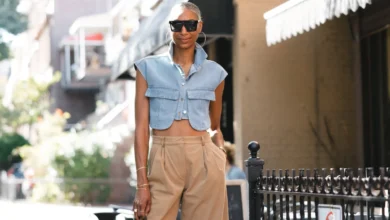
The retail sector continues to navigate a shifting landscape, with legacy brands like J.Crew employing aggressive discounting strategies to manage inventory. A 30% sitewide discount in mid-July is indicative of a broader trend where retailers are shortening fashion cycles to keep pace with rapid shifts in consumer taste. Key items currently driving sales include linen-blend shorts and cotton poplin dresses, reflecting a consumer preference for natural, breathable fabrics in response to rising global temperatures.
In a related development, the maternity wear market has undergone a significant transformation, largely influenced by high-profile cultural figures such as Rihanna. The "Suns out, bumps out" movement, as documented by The New York Times, highlights a shift away from traditional, concealing maternity clothes toward styles that celebrate the pregnant form. This trend has had a measurable impact on the fashion industry, with the maternity apparel market projected to reach a valuation of $13.5 billion by the end of 2026. Designers are increasingly incorporating high-fashion elements into maternity lines, catering to a demographic that refuses to sacrifice personal style for utility.
Culinary Innovations and Regional Cultural Events
Regional culture remains a vital component of the American social fabric, as evidenced by the anticipation surrounding the 2026 Minnesota State Fair. The fair, known for its culinary experimentation, has introduced several new items, including the "mustache pretzel," which has gained viral traction on social media. Such events serve as important economic drivers for regional economies, often generating hundreds of millions of dollars in revenue over a two-week period.
In the domestic culinary sphere, there is a renewed interest in "comfort baking," with recipes like Ohio buckeye brownies gaining popularity on digital platforms. This resurgence is often linked to the broader "slow living" movement, which encourages individuals to engage in tactile, traditional activities as an antidote to the digital saturation of modern life.
Health and Recovery in the Influencer Community
The health of influential figures in the digital space continues to be a point of community engagement. The recent brain surgery and subsequent recovery of Jenny Rosenstrach, creator of the influential "Dinner: A Love Story" platform, has drawn significant attention to the importance of neurological health and community support systems. Rosenstrach’s transparency regarding her medical journey has fostered a broader conversation about the pressures of maintaining a public-facing career while navigating personal health crises. Her recovery, characterized by an outpouring of support from her readership, underscores the powerful parasocial bonds that define modern digital communities.
Interior Design: The Functional Repurposing of Architectural Features
The interior design industry in 2026 is increasingly focused on the "adaptive reuse" of non-functional architectural elements. As modern heating solutions replace traditional wood-burning fireplaces, homeowners are seeking creative ways to utilize these spaces. Design experts suggest a variety of approaches, from installing curated book collections to using the hearth as a gallery space for contemporary sculpture. This trend reflects a broader architectural shift toward maximizing the utility of existing structures rather than pursuing new construction, a philosophy aligned with current sustainability goals.
Conclusion: The State of the Modern Household
As of July 2026, the modern household is a site of significant adaptation. Whether responding to the immediate pressures of a broken air conditioner during a heatwave or the long-term implications of integrating AI into child-rearing, individuals are navigating a world that is simultaneously more connected and more challenged by environmental realities. The trends observed this season—from the rise of character-driven streaming media to the pragmatism of marital contracts—suggest a society that is becoming more intentional in its choices. As we move into the latter half of the decade, the ability to balance technological advancement with human-centric values will likely remain the defining challenge of the era.