Have a Great Weekend: A Curated Guide to Cultural Trends, Lifestyle Insights, and Weekend Leisure


The transition into mid-October marks a significant shift in both seasonal lifestyle habits and digital content consumption, as audiences increasingly pivot toward autumnal themes, domestic comfort, and intellectual engagement. This weekend, a convergence of fashion, literature, and social discourse highlights how personal identity—often expressed through style and media consumption—remains a focal point for modern readers. As temperatures drop and the rhythm of the work week concludes, a selection of curated media and lifestyle trends offers a snapshot of current societal interests.
The Evolution of Seasonal Fashion and Aesthetic Trends
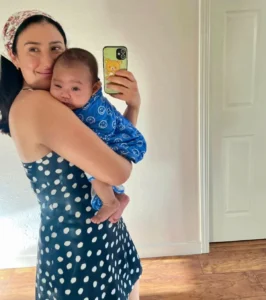
As the climate shifts, consumer interest has transitioned toward "fall uniforms" that prioritize both utility and a specific aesthetic silhouette. Current retail data suggests a resurgence in "cozy-minimalist" fashion, specifically the off-the-shoulder knitwear and high-quality denim combination that has dominated social media style feeds this October.
This trend reflects a broader move away from fast-fashion cycles toward long-term wardrobe investments. Furthermore, the cultural fascination with "dressing like Harrison Ford" signals a shift toward mid-century utilitarian style—characterized by rugged jackets, sensible footwear, and layered textures. Industry analysts note that this trend is not merely about replicating a specific celebrity look but is representative of a desire for timelessness in an era of rapid trend turnover. The focus remains on functional pieces that transition easily from professional environments to weekend leisure, a hallmark of the post-pandemic wardrobe philosophy.
Intellectual and Media Consumption Patterns
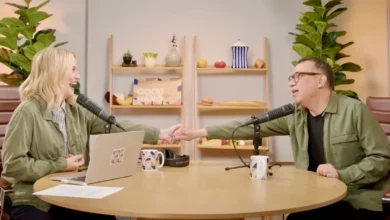
Digital discourse this week has been heavily influenced by long-form media, particularly podcasts and historical literature. The recent appearance of comedian Marcello Hernández on Amy Poehler’s podcast, "Say More," has drawn significant attention, illustrating the continued influence of comedic cultural commentary. Such interactions provide a window into the creative process and the evolving landscape of digital media, where personality-driven content continues to outperform traditional scripted formats.
Concurrently, there is a growing appetite for historical narratives that humanize the past. Projects such as "Any Human Ever"—a platform that profiles ordinary individuals from disparate eras—tap into an educational trend focused on micro-history. By moving the spotlight away from "great men" and political figures to the average person, these narratives offer readers a more relatable context for human experience, fostering a sense of continuity across centuries.
Relationships, Psychology, and Modern Challenges
A significant portion of recent discourse has focused on the complexities of modern interpersonal relationships, particularly regarding physical touch and emotional intimacy. A recent New York Times inquiry regarding a fiancé’s refusal to initiate physical contact has sparked widespread debate among therapists and the public alike. The ensuing professional analysis highlights a critical aspect of modern partnership: the negotiation of physical needs and the importance of communication in long-term commitments.
Psychologists suggest that the "touch-starved" phenomenon is increasingly prevalent in an age of digital isolation, where virtual interaction often replaces tactile human connection. Experts argue that addressing these disparities is essential for marital stability, as physical intimacy often serves as a barometer for the underlying emotional health of a relationship. The public reaction to this discussion indicates a high level of engagement with relationship-focused journalism, suggesting that readers are seeking expert frameworks to navigate their own personal dilemmas.

Architecture and the Allure of Escapism
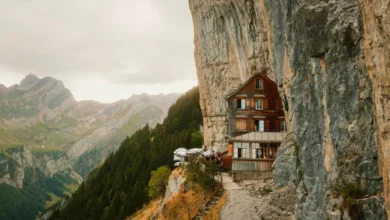
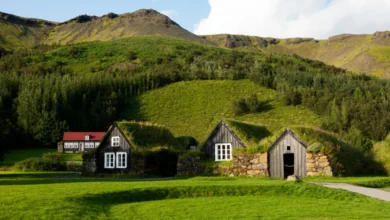
The travel and hospitality sector continues to see high demand for "charming" or restorative getaways, with a particular focus on historical or rural European architecture. Properties such as Bert’s Cottage in the United Kingdom represent a broader trend of "escapist tourism," where travelers seek out environments that offer a stark contrast to urban, technology-saturated lives.
This trend is backed by travel industry reports indicating a 15% increase in bookings for remote, non-commercialized stays compared to the same period in 2024. The appeal lies in the preservation of historical integrity combined with modern comfort, allowing individuals to mentally "reset." This desire for physical sanctuary is a direct response to the increasing pressure of constant connectivity, providing a necessary space for psychological decompression.
The Intersection of High Culture and Popular Media
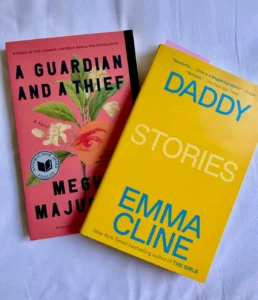
Cultural news this week has been punctuated by notable pairings and collaborations. The confirmation of a relationship between literary figure Emma Cline and filmmaker Nathan Fielder has captured the attention of the literary and film communities, reflecting a growing fascination with the intersection of high-brow art and indie cinema. Such associations often drive increased interest in the respective works of the individuals involved, effectively cross-pollinating audiences between the publishing and film industries.
Furthermore, the influence of visual art on consumer goods remains a lucrative market. The latest KAWS collection and the ongoing popularity of the Jason Polan aesthetic demonstrate that younger demographics are increasingly viewing clothing as a canvas for artistic expression. This fusion of streetwear and fine art has effectively democratized high-concept design, making it accessible to a broader, tech-savvy audience that values brand identity and artistic lineage.
Community Perspectives and Reader Engagement
The role of the reader as an active participant in media culture has never been more apparent. Community forums and comment sections have become essential hubs for the exchange of unconventional wisdom and practical advice. Recent reader contributions, such as the practice of "porch geese" as a form of neighborhood engagement or the appreciation for the raw, unvarnished prose of Lucia Berlin, highlight a collective desire for authentic, low-stakes interactions.
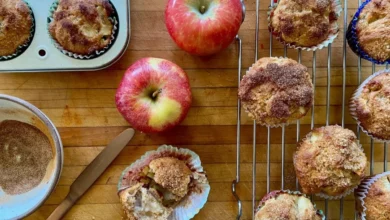
The humor found in shared experiences—such as the viral "I left on time" bumper sticker—serves as a social lubricant, allowing individuals to relate to the shared frustrations of modern life. These small-scale interactions are indicative of a larger trend: the search for community-led content that prioritizes relatability over perfection. Whether it is through the recommendation of a classic collection of short stories like A Manual for Cleaning Women or the sharing of a simple breakfast burrito recipe, the value of these horizontal information exchanges continues to grow.
Implications for the Future of Lifestyle Media
Looking ahead, the synthesis of these trends points toward a future where lifestyle media is defined by two primary pillars: personalization and historical grounding. As audiences become increasingly adept at filtering information, they are gravitating toward content that provides genuine utility—be it in fashion, relationship guidance, or historical context—rather than passive consumption.
The ongoing success of platforms that offer this curated approach suggests that the modern reader values depth over breadth. By integrating historical facts, expert psychological analysis, and the communal warmth of reader-contributed tips, media outlets can create a comprehensive experience that serves both the intellectual and emotional needs of their audience. As we move further into the autumn months, it is clear that the focus will remain on comfort, connection, and the intentional curation of one’s surroundings and relationships. The coming weeks will likely see a continued emphasis on these themes, as the culture at large prepares for the introspective period that winter inevitably brings.