Airbnb Expands Global Travel Ecosystem Through Strategic CarTrawler Partnership Amid Shifting Online Travel Agency Landscapes

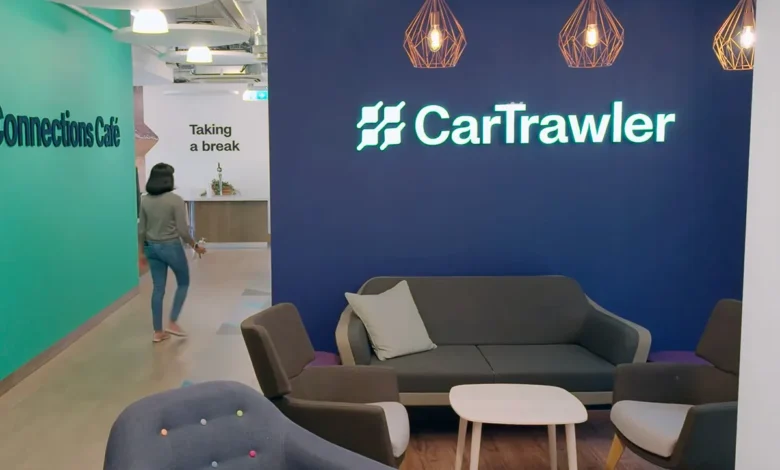
The global travel landscape is witnessing a significant structural shift as Airbnb, the company that revolutionized the short-term rental market, formalizes its entry into the car rental sector through a strategic partnership with CarTrawler. This collaboration, initially identified through the terms and conditions of an Airbnb credit program and subsequently confirmed by the company, marks a definitive step in Airbnb’s evolution from a niche lodging platform into a comprehensive online travel agency (OTA). The service has officially launched in five key international markets: the United States, France, Italy, Spain, and Australia. By integrating car rentals into its ecosystem, Airbnb is positioning itself to capture a larger share of the "connected trip," a concept long championed by its primary competitors, such as Booking Holdings and Expedia Group.
The timing of this partnership is particularly noteworthy within the broader context of travel industry consolidation. CarTrawler, an Ireland-based B2B travel technology firm specializing in car rental and ground transportation solutions, has been a central figure in recent acquisition rumors. Reports surfaced in May indicating that Expedia Group was in the final stages of acquiring CarTrawler for approximately $350 million. If this acquisition proceeds as expected, it creates a unique competitive dynamic where Airbnb’s car rental infrastructure will be powered by a subsidiary of one of its most direct rivals. This development highlights the complex, interconnected nature of modern travel technology, where partnerships and competition often coexist within the same corporate frameworks.
The Strategic Shift Toward a Full-Service Ecosystem
For years, Airbnb resisted the traditional OTA model, focusing instead on its core competency of unique stays and local experiences. However, under the leadership of CEO Brian Chesky, the company has increasingly signaled a desire to expand its "flywheel" of services. The integration of car rentals represents a logical extension of the Airbnb user journey. Travelers who book a secluded villa in the hills of Tuscany or a coastal home in Australia frequently require independent transportation to reach their destinations. Previously, these users would leave the Airbnb app to book vehicles through competitors like Hertz, Avis, or aggregators like Kayak and Expedia.
By embedding CarTrawler’s inventory directly into its platform, Airbnb aims to increase user retention and capture the high-margin commissions associated with car rental referrals. This move aligns with the company’s broader strategy to simplify the travel planning process, offering a more cohesive experience that mirrors the one-stop-shop appeal of legacy travel platforms. The selection of the five initial markets—the U.S., France, Italy, Spain, and Australia—is strategic, as these regions represent some of the world’s most robust domestic and international tourism markets where car travel is a fundamental component of the visitor experience.
Understanding CarTrawler’s Role in the Travel Value Chain
Based in Dublin, Ireland, CarTrawler has established itself as the "plumbing" of the global car rental industry. Unlike consumer-facing brands such as Enterprise or Budget, CarTrawler operates behind the scenes, providing the technology and supply connections that allow airlines, hotels, and travel agencies to offer car rentals under their own branding. Their network includes over 2,000 individual car rental suppliers across 150 countries, making them an ideal partner for a global giant like Airbnb that requires immediate scale.
CarTrawler’s business model is built on sophisticated data analytics and a proprietary platform that optimizes pricing and availability in real-time. For Airbnb, leveraging this existing infrastructure is far more efficient than building a car rental marketplace from scratch, which would require navigating complex regulatory environments, insurance requirements, and individual supplier negotiations across multiple jurisdictions. The partnership allows Airbnb to remain "asset-light," a core tenet of its business model, while still profiting from the logistical needs of its guests.
The Expedia Factor: A Competitive Paradox
The reported $350 million acquisition of CarTrawler by Expedia Group introduces a layer of strategic irony to the Airbnb partnership. Expedia, which owns brands such as Vrbo, Hotels.com, and Orbitz, has long viewed Airbnb as its primary challenger in the alternative accommodations space. If Expedia completes the purchase of CarTrawler, it will essentially become a service provider to its biggest competitor.
This arrangement is not entirely unprecedented in the technology sector—Samsung, for instance, provides screens for Apple’s iPhones—but it does signify a shift in how travel companies view market dominance. For Expedia, owning CarTrawler provides a steady stream of B2B revenue and valuable data on travel patterns, even if that data comes from Airbnb users. For Airbnb, the priority is likely the quality and breadth of the CarTrawler network, regardless of who owns the parent company. However, industry analysts suggest that this dependency could lead to future friction regarding data sharing, commission structures, and platform prioritization.
Chronology of Airbnb’s Diversification Efforts
The road to this car rental partnership has been paved by several years of experimental growth and strategic pivots. To understand the significance of the CarTrawler deal, one must look at the timeline of Airbnb’s expansion:
- 2016: Airbnb launches "Experiences," moving beyond lodging to offer tours and activities led by locals.
- 2019: The company acquires HotelTonight, signaling its first major foray into traditional boutique hotel inventory.
- 2020-2021: During the height of the COVID-19 pandemic, Airbnb pivots to "Work from Anywhere" and long-term stays, recognizing a shift in consumer behavior toward flexibility.
- 2023: Brian Chesky announces a "back to basics" approach to improve core service quality, while simultaneously hinting at "massive" expansions into new categories for 2024 and beyond.
- May 2024: Reports emerge regarding Expedia’s potential acquisition of CarTrawler.
- Late 2024: Skift identifies the Airbnb-CarTrawler partnership through updated credit program terms, followed by official confirmation of the rollout in five countries.
This chronology demonstrates a company that is carefully balancing its identity as a disruptor with the practical necessity of competing in a mature, multi-billion-dollar travel market.
Supporting Data: The Global Car Rental Opportunity
The financial incentives for Airbnb to enter the car rental space are substantial. According to market research, the global car rental market was valued at approximately $100 billion in 2023 and is projected to grow at a compound annual growth rate (CAGR) of over 4% through 2030.
Data suggests that travelers who book private rentals are significantly more likely to rent cars than those staying in city-center hotels, as private homes are often located in residential or rural areas with limited public transportation. By capturing even a small percentage of its millions of active bookers, Airbnb could generate hundreds of millions of dollars in incremental gross booking value (GBV). Furthermore, car rental commissions typically range from 5% to 15%, providing a lucrative revenue stream that requires minimal operational overhead for Airbnb.
Industry Reactions and Market Implications
While Airbnb has not issued a high-profile press release for the launch, the quiet integration suggests a "soft launch" phase intended to iron out user experience issues before a more aggressive global marketing campaign. Industry analysts have reacted with cautious optimism.
"Airbnb is finally closing the loop on the guest journey," noted one senior travel industry analyst. "The ‘Airbnb stay’ has always felt somewhat disconnected from the ‘getting there’ part of the trip. By adding car rentals, they are removing friction. The fact that they are using CarTrawler—a proven, robust system—shows they are serious about reliability, even if it means indirectly putting money into Expedia’s pockets."
Competitors like Booking.com, which has spent years perfecting its "Connected Trip" strategy, are likely to view this as a direct challenge. Booking.com already offers a seamless integration of flights, stays, and cars. Airbnb’s entry into this space intensifies the battle for the "Super App" of travel, where the goal is to own the traveler’s attention from the moment they begin dreaming of a trip until they return home.
Broader Impact on the Travel Experience
For the end user, the partnership promises a more streamlined interface. Travelers will likely see car rental suggestions integrated into their booking confirmation pages or via the Airbnb "Trips" tab. This integration can also leverage Airbnb’s existing loyalty and credit systems, as evidenced by the fact that the partnership was first discovered through a credit program’s terms.
However, there are challenges ahead. Car rental prices have remained volatile since the pandemic-induced supply chain disruptions. Airbnb will need to ensure that the CarTrawler integration provides competitive pricing and transparent terms to avoid alienating users who are sensitive to hidden fees—a criticism Airbnb has worked hard to address within its own lodging listings over the past two years.
Conclusion: A New Era for Airbnb
The partnership with CarTrawler represents more than just a new feature on an app; it is a declaration of intent. Airbnb is no longer content being a specialized alternative to hotels. It is moving toward a future where it can compete on every front of the travel experience. As the company expands this service beyond the initial five countries, the focus will turn to how well it can integrate these utilitarian services without losing the "magic" and "belonging" that defined its brand during its first decade.
As the travel industry continues to consolidate and the lines between different types of service providers blur, the Airbnb-CarTrawler-Expedia triangle will serve as a fascinating case study in modern corporate strategy. Whether this move will lead to Airbnb eventually offering flights or insurance remains to be seen, but for now, the company has made it clear: the journey to the Airbnb home is just as important as the stay itself.