Stanley Tucci Searching for Italy Season Two Restaurant Guide and Culinary Analysis

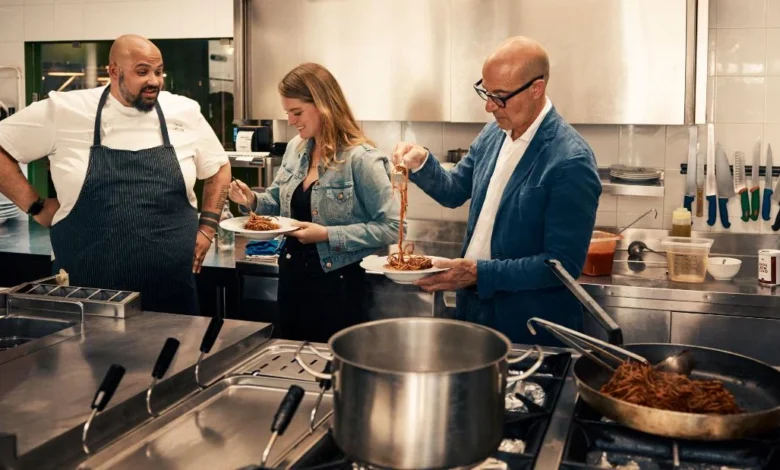
The critically acclaimed CNN series "Stanley Tucci: Searching for Italy" has transcended its role as a mere travelogue to become a significant cultural touchstone for global gastronomy and Italian tourism. Following the immense success of its inaugural season, the second installment of the program sees Academy Award nominee Stanley Tucci venture deeper into the peninsula’s diverse regional identities. This season focuses on the rugged coastlines of Liguria, the agricultural heartland of Puglia, the isolated traditions of Sardinia, and the ancestral landscapes of Calabria. By highlighting a spectrum of dining experiences—ranging from humble street-side bakeries to avant-garde Michelin-starred establishments—the series provides a comprehensive map of Italy’s contemporary culinary landscape.
The Ligurian Coast: Innovation Born of Necessity
The Italian Riviera, or Liguria, serves as a primary focus for the season, showcasing a landscape where steep cliffs and limited arable land have forced a unique kind of culinary inventiveness. Liguria is the birthplace of pesto, a sauce that has become a global staple but remains strictly guarded by local tradition.
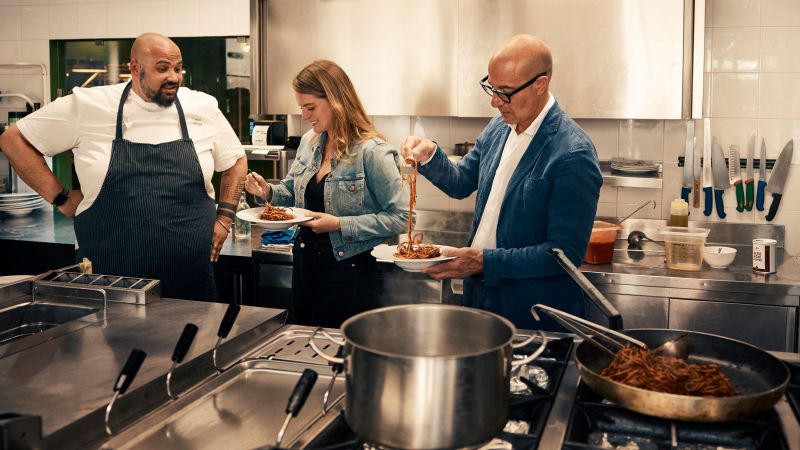
At Il Genovese, Tucci explores the authentic roots of this green sauce. Chef Roberto Panizza, often referred to as the "King of Pesto" and the founder of the Pesto World Championship, demonstrates the labor-intensive process of hand-crushing basil in an ancient mortar. The dish served—pasta with pesto, green beans, and potatoes—highlights the "cucina di terra" (cooking of the land) that defines the region.
The exploration of Liguria continues in Portofino at Cracco Portofino, helmed by the renowned Michelin-starred chef Carlo Cracco. Here, the focus shifts to pansotti, a triangular ravioli-like pasta. Unlike meat-heavy northern pastas, pansotti is stuffed with preboggion, a traditional mixture of wild herbs and greens, and served with a rich walnut sauce. This dish exemplifies the transition of peasant food into high-end gastronomy.
In the regional capital of Genoa, Tucci visits The Cook, located within a 14th-century palazzo. Chef Ivano Ricchebono presents cappon magro, a visually stunning, pyramid-shaped seafood salad that dates back to the Renaissance. Historically a dish for fast days (when meat was forbidden), it has evolved into a showcase for the Ligurian Sea’s bounty. Further down the coast in the Cinque Terre, the restaurant Ittiturismo emphasizes the hyper-local "zero-kilometer" movement, serving fish foraged directly from the cliffs and prepared by the Galletti family.

Puglia: The Rise of the Breadbasket
Puglia, the "heel" of Italy’s boot, has historically been one of the nation’s poorest regions, yet it is currently undergoing a gastronomic renaissance. Known for producing approximately 40% of Italy’s olive oil, the region’s cuisine is defined by its simplicity and the quality of its durum wheat.
A standout moment in the Puglian itinerary is the visit to Urban Bistrot in Bari, where chef Celso Laforgia prepares spaghetti all’assassina (assassin’s pasta). This dish represents a radical departure from traditional Italian pasta techniques; the dry spaghetti is charred in a pan with chili and olive oil, then "cooked" by adding spicy tomato broth in small increments, similar to the risotto method. The result is a burnt, crispy, and intensely spicy dish that has become a viral sensation among culinary enthusiasts.
In Montegrosso, Antichi Sapori and chef Pietro Zito represent the pinnacle of the "farm-to-table" philosophy. Zito’s signature dish—burnt grain orecchiette with fava bean cream and burrata—utilizes grano arso, a historical technique where peasants gathered charred grains left over after farmers burned their fields. This transformation of "poverty food" into a world-class delicacy underscores the region’s newfound pride in its roots.

The exploration of Puglia also touches on the region’s dairy and meat traditions. Caseificio Dicecca acts as a "cheese bar," where Vito Dicecca has pioneered the production of Apulian blue cheese, an innovation in a region traditionally known for fresh cheeses like burrata and mozzarella. Meanwhile, in Cisternino, Trattoria Bere Vecchie showcases the fornello pronto tradition, where butcher shops roast meat on-site. Tucci samples bombette—pork rolls stuffed with cheese and herbs—reflecting a communal dining style that remains central to Puglian social life.
Sardinia: An Archaeological Culinary Dig
Sardinia’s geographical isolation has allowed it to preserve culinary traditions that have vanished elsewhere in the Mediterranean. Tucci’s journey here is described as a "culinary archaeological dig," uncovering influences from North Africa, Spain, and ancient Rome.
At Fradis Minoris, which holds a Michelin Green Star for sustainability, chef Francesco Stara serves fregola ai frutti di mare. Fregola, a toasted, pebble-like pasta, bears a striking resemblance to North African couscous, highlighting the island’s historical trade links across the Mediterranean. In the medieval city of Alghero, the Spanish influence is palpable. At Al Forno, Tucci tries panada, a savory meat pie that is a direct descendant of the Spanish empanada.
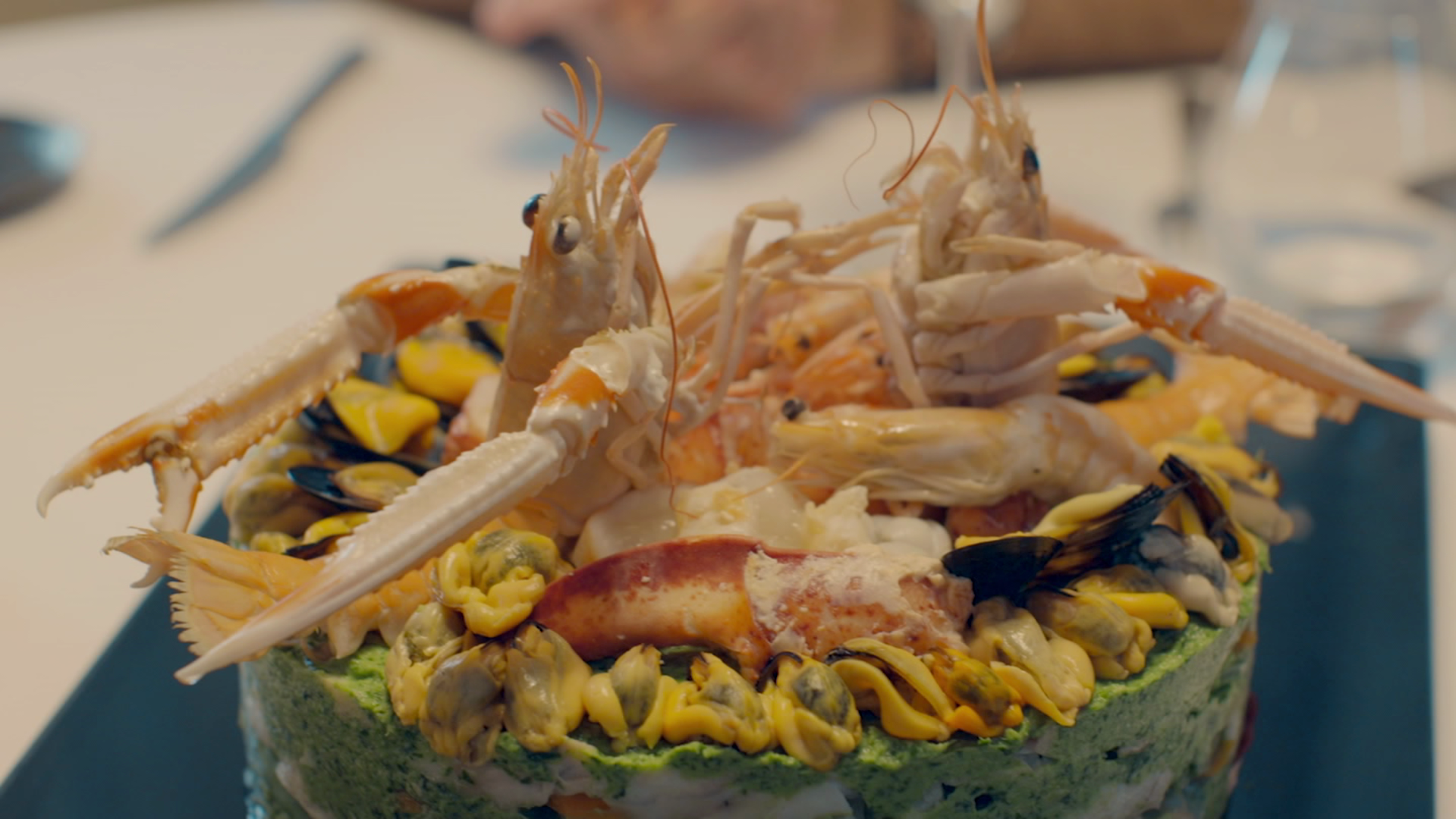
The island’s seafood culture is further explored at Luigi Pomata, where the "King of Tuna" demonstrates the importance of the tonnara (traditional tuna catch). Pomata’s preparation of bluefin tuna belly with pesto, known as cassulli alla carlofortina, bridges the gap between Sardinian and Ligurian influences. In the town of Alghero, the restaurant Mabrouk serves the world-famous local lobster a la Catalana, a dish so esteemed that it was reportedly requested by Queen Elizabeth II for her wedding reception.
Calabria: The Ancestral Homecoming
The most personal segment of the season takes place in Calabria, the ancestral home of the Tucci family. This rugged, mountainous region forms the "toe" of Italy and is known for its bold flavors, particularly the use of the peperoncino (chili pepper) and the sweet red onions of Tropea.
In the village of Marzi, Tucci visits Panificio Cuti, where baker Pina Olivetti continues a century-old sourdough tradition. The morsello, a bread bowl filled with sausage and broccoli rabe, serves as a reminder of the portable meals once carried by Calabrian farmers and hunters. This visit highlights the deep connection between the land and the diaspora, as Tucci’s own parents join him to rediscover the flavors of their heritage.

The "sweetness" of Calabria is showcased at Osteria della Cipolla Rossa in Tropea. The region’s cipolla rossa is so mild and sugar-rich that it is used in everything from pasta to ice cream. In Scilla, the restaurant Il Principe di Scilla focuses on the legendary swordfish of the Strait of Messina. Chef Johnny Giordano serves scialiatelli alla ghiotta, a swordfish ragu that remains a cornerstone of Calabrian coastal identity.
Finally, the series touches on the avant-garde with a visit to Qafiz in the Aspromonte mountains. Chef Nino Rossi’s Michelin-starred dessert, titled "Fire," uses charcoal-flavored meringue and apple to evoke the resilience of the Calabrian landscape following wildfires. This dish represents the future of the region—a sophisticated, reflective approach to traditional ingredients.
Chronology and Production Context
Season Two of "Stanley Tucci: Searching for Italy" premiered on CNN in 2022, following a production schedule that was significantly impacted by the global COVID-19 pandemic. The filming of these episodes occurred during a period when the Italian hospitality industry was beginning to reopen, adding a layer of poignancy to the interactions between Tucci and the local chefs.

The series was produced by RAW and CNN Original Series, and its success led to a surge in interest in the featured locations, a phenomenon dubbed "The Tucci Effect." Travel agencies and restaurant reservation platforms reported significant spikes in inquiries following the airing of each episode, particularly for the more remote locations in Puglia and Calabria.
Broader Impact and Gastronomic Implications
The implications of "Searching for Italy" extend beyond entertainment. By focusing on regionality, the show challenges the monolithic view of "Italian food" often held in the West. It emphasizes that Italian cuisine is not a single entity but a collection of distinct micro-cuisines defined by geography, history, and dialect.
Supporting data from the Italian National Institute of Statistics (ISTAT) suggests that culinary tourism is now a primary driver for the country’s economy, with a 12% increase in food-motivated travel observed in the years following the show’s debut. Furthermore, the inclusion of "Green Star" restaurants like Fradis Minoris highlights a growing shift toward sustainability within the Mediterranean diet, which is itself recognized as a UNESCO Intangible Cultural Heritage.

Stanley Tucci’s role as a gastro-diplomat has provided these regions with a global platform. By documenting the resilience of traditional bakers and the boldness of modern chefs, the series ensures that the culinary soul of Italy is not only preserved but celebrated by a new generation of global travelers. As the show concludes its exploration of these four regions, it leaves behind a legacy of cultural appreciation and a definitive guide for those seeking to experience Italy through its most fundamental expression: its food.